Financial fraud has a remarkable ability to dress itself for the occasion. Sometimes it wears a tailored suit and speaks in acronyms. Sometimes it arrives as a “wrong number” text from a suspiciously charming stranger. Sometimes it appears in a group chat full of rocket emojis, screenshots of alleged profits, and people who seem oddly enthusiastic about your retirement account.
That is what makes Talking Financial Fraud on The Compound such a useful subject. The original conversation around Ben Carlson’s book, Don’t Fall For It: A Short History of Financial Scams, explored the timeless ingredients of a successful con: persuasive stories, greed, exclusivity, complexity, social pressure, and the human desire to get something valuable before everyone else does.
Financial scams change their technology faster than they change their psychology. A swindler from 1926 and a scammer running a fake trading app in 2026 may use different tools, but both are selling the same product: confidence without evidence. The trick is not always spotting a villain with a curled mustache. It is learning to recognize a deal that asks you to suspend your normal judgment.
Research basis:
What “Talking Financial Fraud on The Compound” Is Really About
The discussion behind this title is not simply a history lesson about infamous fraudsters. It is a reminder that people rarely lose money because they are unintelligent. They lose money because a story feels plausible at exactly the moment they want it to be true.
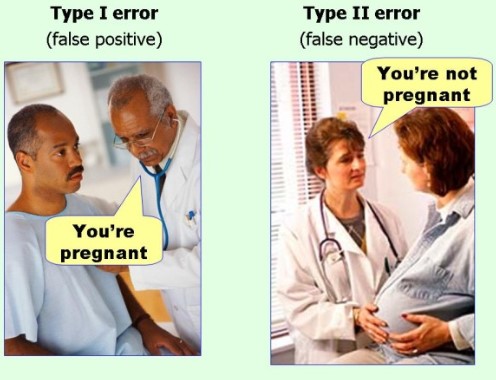
In the original conversation, the themes included the difference between Type I and Type II charlatans, the spectacular collapse of the Match King empire, a legendary con involving Al Capone, market conditions that make people more vulnerable to fraud, and the uncomfortable truth that wealthy and educated people can be excellent scam targets.
That last point deserves a spotlight. Sophisticated investors may believe they are too informed, too connected, or too financially experienced to fall for a scam. Unfortunately, fraudsters often see those traits as a feature, not a bug. A person with money, confidence, professional status, and access to influential circles can be more receptive to a pitch framed as exclusive, private, advanced, or “not for ordinary investors.”
Fraud does not always attack ignorance. It often attacks ego. Nobody wants to be the person who missed the next great opportunity because they asked too many boring questions about custody, fees, audited statements, or whether the person making the pitch is actually licensed. Yet those supposedly boring questions can be worth more than a front-row seat at the hottest investing conference in town.
Fraud Is a Story Before It Is a Transaction
Before a scammer asks for money, they usually build a narrative. The investment is “special.” The window is “closing.” The opportunity is “already working for insiders.” The founder is “misunderstood.” The returns are “consistent.” The risk is “managed.” At some point, the pitch becomes so glossy that it could probably be used as a mirror.
History offers plenty of examples. The Match King, Ivar Kreuger, built a real global business empire around something as ordinary as matches. That reality made the larger deception more convincing. The lesson is not that every business with a complicated structure is fraudulent. The lesson is that a legitimate business, a famous name, real assets, and impressive connections do not automatically guarantee honest financial reporting.
Type I Charlatans: The Believers Who Create Damage
A Type I charlatan may begin as a true believer. This person has a grand vision, charisma, ambition, and enough confidence to power a small airport. They may genuinely think their idea will transform an industry. The trouble begins when reality refuses to cooperate.
Instead of admitting that projections were wrong, the Type I charlatan may stretch timelines, overstate progress, minimize risks, or keep raising money to “bridge the gap.” Investors are not always dealing with a person who wakes up planning to steal. They may be dealing with someone who has become so attached to the dream that truth starts to look like an inconvenient intern.
Type II Charlatans: The Deliberate Operators
A Type II charlatan is different. This person understands that the investment, product, performance record, or relationship is false and uses deception intentionally. They may fabricate credentials, impersonate professionals, invent testimonials, falsify account statements, manipulate online dashboards, or move money between investors to create the illusion of success.
Both types can cause devastating losses. For investors, the practical defense is the same: do not rely on charisma, optimism, or social proof. Rely on independently verifiable information.
Research basis:
Why Smart, Successful People Still Fall for Financial Fraud
Financial fraud is not an IQ test. It is often a pressure test. The best scams combine several emotional triggers at once: urgency, fear of missing out, trust, envy, authority, and the comforting belief that someone else has already done the hard work.
Consider the investor who has spent years making careful decisions. A pitch arrives through a colleague, a professional group, a church community, a private club, or an online investing circle. It comes with polished materials, a recognizable name, and several people who claim they are already earning strong returns. The investor may think, “These people are smarter than I am, so this must be legitimate.”
That is the moment to slow down. A crowd can provide social proof, but it can also provide social pressure. In some frauds, early participants receive small payments or see manipulated account balances. They become enthusiastic promoters without realizing they are helping a scheme recruit its next round of victims.
Complexity is another powerful weapon. When an investment requires a 45-minute explanation involving offshore structures, proprietary algorithms, secret tax strategies, special-access accounts, and a founder who “cannot disclose everything yet,” your brain may mistake confusion for sophistication. It is the financial version of assuming a restaurant is excellent because the menu has no prices.
A sound investment can be complicated. But a sound investment should still be explainable in plain English: what you own, how it earns money, what can go wrong, who holds the assets, what you pay in fees, and how you can get your money back.
Financial Fraud Red Flags You Should Treat Like a Smoke Alarm
No single warning sign proves fraud. But multiple warning signs should make you pause before sending money, sharing personal information, or clicking anything that promises to “unlock your VIP trading account.”
1. Guaranteed Returns or “No-Risk” Profits
Legitimate investments involve risk. The level of risk may vary, but it never disappears because someone used the phrase “capital protected” in a video recorded next to a rented sports car. Be especially cautious when an offer promises high, steady returns regardless of market conditions.
2. Pressure to Act Immediately
“You need to decide today” is not a due-diligence strategy. Fraudsters often create artificial deadlines because research is their natural enemy. A legitimate investment should survive a request for time, documents, and independent review.
3. Exclusivity That Feels Like Flattery
Being told that you are “one of the few people invited” can feel flattering. It can also be a sales tactic. Exclusivity is not evidence of quality. Sometimes it is just scarcity wearing a tuxedo.
4. Vague Business Details
If the promoter cannot clearly explain how the investment makes money, where your funds will be held, what fees apply, or what happens when you want to withdraw, do not fill in the blanks with optimism.
5. Unlicensed Sellers or Suspicious Credentials
Verify the person and the firm independently. Do not rely on a website, social-media profile, business card, or screenshot supplied by the person asking for your money. A polished profile can be created in an afternoon. A real regulatory record takes more effort to fake.
6. Requests for Wire Transfers, Gift Cards, or Cryptocurrency
Payment instructions matter. Requests to send funds to a personal account, an unfamiliar crypto wallet, a foreign bank, or a payment method that is difficult to reverse deserve serious scrutiny.
7. Fake Testimonials and Perfect Screenshots
Testimonials can be invented. Screenshots can be edited. Even a live dashboard can be manipulated when the scammer controls the website. A balance displayed on a screen is not the same as money held by a regulated custodian.
8. Discouragement From Seeking Advice
Be wary of anyone who says your accountant, attorney, spouse, financial adviser, or skeptical friend “will not understand.” Honest professionals may welcome questions. Fraudsters prefer privacy, speed, and a victim who has not called the person most likely to say, “Wait a second.”
Investor-protection guidance:
Modern Investment Scams Wear Better Clothes
The old-school boiler-room call has not disappeared, but modern financial fraud is increasingly social, visual, and mobile. A scam may begin with an Instagram advertisement, a Facebook message, a WhatsApp group, a dating app, a text from a stranger, or an invitation to join an “investment education” community.
One common pattern begins with a group chat. The group may appear to include a market expert, an assistant, several happy investors, and a constant stream of stock ideas. Early recommendations may involve familiar companies and may even appear successful. Over time, the group shifts attention toward thinly traded stocks, private placements, unregistered offerings, fake trading platforms, or cryptocurrency transfers.
Another pattern is the relationship investment scam. The scammer develops trust over days or weeks, then introduces an investment opportunity involving cryptocurrency, foreign exchange, precious metals, or a proprietary trading platform. The victim may see fake profits and be allowed to withdraw a small amount at first. Later, larger deposits are encouraged. When the victim tries to withdraw, the account may be frozen and a new “tax,” “fee,” or “verification charge” suddenly appears.
That final charge is often a trap inside the trap. Once a fake platform has stolen your money, sending more money rarely fixes the problem. It simply gives the scam another lap around the track.
Modern scam patterns:
A 10-Minute Due Diligence Routine Before You Invest
You do not need to become a forensic accountant before making every investment decision. But you do need a repeatable process that creates a little healthy friction between a persuasive pitch and your bank account.
- Pause for 24 hours. Urgency is often emotional, not financial.
- Ask what you are buying. Is it stock, debt, a fund, a partnership interest, real estate, cryptocurrency, or something else?
- Ask how it generates returns. Revenue, interest, rent, dividends, appreciation, and speculation are not interchangeable.
- Verify the seller. Check registration, employment history, disciplinary records, and the legal name of the firm.
- Find independent information. Do not rely only on materials created by the promoter.
- Understand custody. Know where your money and assets will be held and who controls withdrawals.
- Read the risks and fees. High fees, lockups, leverage, and illiquidity can turn a decent idea into a terrible fit.
- Run it by someone independent. A trusted adviser or financially literate friend may spot what excitement caused you to overlook.
The goal is not to eliminate all risk. Investing without risk is mostly called “keeping cash in a drawer,” and even that has its own problems. The goal is to separate understandable risk from avoidable deception.
What to Do if You Suspect Financial Fraud
First, stop sending money. Do not make one more deposit to “unlock” funds, pay a surprise tax, cover a verification charge, or prove that you are a serious investor. Do not send money to a recovery company that promises to retrieve your losses for an upfront fee. Recovery scams often target people who have already been harmed.
Next, contact your bank, brokerage firm, credit-card company, or payment provider immediately. Ask whether transfers can be recalled, accounts can be frozen, cards can be blocked, or unauthorized activity can be investigated. Save everything: messages, emails, phone numbers, screenshots, wallet addresses, transaction confirmations, account statements, and the names used by the people involved.
Report suspected investment fraud to appropriate authorities. In the United States, that may include the Securities and Exchange Commission, FINRA, your state securities regulator, the Federal Trade Commission, and the FBI’s Internet Crime Complaint Center. Reporting quickly may not guarantee recovery, but it can improve the chances of stopping additional losses and protecting other potential victims.
Most important, do not let embarrassment keep you silent. Fraud succeeds by making victims feel isolated, foolish, or responsible. The blame belongs to the person who lied, manipulated, and stolenot to the person who trusted the wrong story.
Reporting guidance:
Conclusion: Skepticism Is Not Cynicism
The biggest lesson from Talking Financial Fraud on The Compound is not that every opportunity is a scam. It is that attractive stories deserve stronger evidence when money is involved.
Good investing is usually less cinematic than fraud. It involves patience, diversification, clear fees, realistic expectations, regulated custodians, independent records, and a willingness to say, “I do not understand this well enough yet.” That sentence may not make you feel like a market genius, but it can keep you from becoming a supporting character in someone else’s true-crime documentary.
When a financial opportunity feels urgent, exclusive, effortless, and almost too perfect, step back. Ask questions. Verify independently. Talk to someone who is not being paid to sell you the idea. In the battle between a polished pitch and a careful process, the careful process is usually the one that gets to keep its money.
Experience-Based Lessons: What Financial Fraud Teaches in Real Life
The following scenarios are composite educational examples based on common fraud patterns. They are not accounts of specific individuals.
The Investor Who Learned to Respect the Pause Button
A successful business owner receives a private investment offer from an old acquaintance. The opportunity sounds impressive: a fast-growing company, high demand, a limited allocation, and several investors who are supposedly already committed. The acquaintance says the round will close by Friday. For a few hours, the business owner feels the familiar itch of opportunitythe sense that waiting might mean missing out.
Instead of sending a wire, the investor waits. The delay feels almost silly at first. But after checking records, asking for audited financial statements, and speaking with an independent attorney, the story starts to wobble. The company has little documentation, the seller is not registered, and the promised return has no realistic explanation. The investor loses no money because of one small habit: refusing to make a major financial decision on someone else’s deadline.
The Group Chat That Felt Like a Community
A young professional joins an online investing group after seeing short videos about stock education. The chat is busy, friendly, and full of people celebrating wins. Someone posts market commentary every morning. Another member shares screenshots of a rapidly growing portfolio. The group even warns members about scams, which makes it feel more trustworthy. That is a clever touch: sometimes a scam wears a seat belt.
After a few weeks, the group begins recommending a little-known stock. The members are told that a major catalyst is coming and that public investors have not noticed yet. The young professional nearly buys in but notices something strange: nobody can explain the company’s financials, and every question is answered with enthusiasm rather than evidence. The experience teaches an important lesson. A crowd can be loud without being informed.
The Fake Dashboard That Looked More Real Than Reality
A retiree is introduced to an online trading platform through a friendly contact. The website is clean, professional, and packed with charts. After an initial deposit, the account balance appears to rise quickly. A small withdrawal request is approved, which creates confidence. The retiree deposits more money. Soon, the dashboard shows a balance large enough to make future plans feel exciting again.
When the retiree tries to withdraw a larger amount, the platform claims that taxes and verification fees must be paid first. That is the turning point. A real investment account should not require another payment to release your own money from a mysterious digital vault. The key lesson is simple: a number displayed on a website is not proof of an investment. Independent custody and verified records matter far more than a beautiful dashboard.
The Recovery Offer That Added Insult to Injury
After losing money to a fraudulent crypto scheme, an investor receives an email from a company claiming it specializes in asset recovery. The company says it has traced the stolen funds and can recover them for a fee. The offer sounds like relief. It also sounds exactly like the kind of thing a desperate person wants to hear.
Rather than paying, the investor contacts official reporting channels and speaks with their financial institution. The recovery company cannot provide verifiable credentials, a clear legal process, or evidence that it controls any funds. The investor avoids a second loss. The experience is painful but useful: scammers often target victims again because they know urgency and hope are still in the room.
The Family Conversation That Prevented a Bigger Loss
An older parent receives repeated calls about an exclusive investment strategy. The pitch is persuasive, flattering, and detailed enough to sound credible. Before transferring money, the parent mentions it during a family dinner. A relative asks a few basic questions: Who holds the money? Is the adviser licensed? Why can’t the strategy be reviewed by an accountant? Why must the transfer happen this week?
The answers are vague. The caller becomes irritated when asked for documentation. That reaction is all the family needs to hear. The most valuable part of this story is not the financial knowledge involved. It is the willingness to talk openly. Fraud thrives in secrecy. A simple conversation can break the spell.
Note: This article is for educational purposes only and is not personalized financial, legal, tax, or investment advice. Consider consulting a qualified professional before making significant financial decisions.