Note: This article is original, web-ready content synthesized from current public information about Heath Ceramics, tabletop design, ceramic bud vases, summer floral styling, and practical home-decor guidance. No source links or citation placeholders are included for clean publishing.
Some summer decor shouts. It arrives wearing flamingo sunglasses, carrying a tray of neon cocktails, and demanding that every throw pillow be replaced immediately. Then there are summer bud vases from Heath Ceramics: quiet, sculptural, beautifully glazed, and somehow capable of making a single stem look like it has its own publicist.
Heath Ceramics has long understood that tabletop design does not need to be complicated to feel special. A small ceramic bud vase placed beside a linen napkin, a bowl of peaches, or a plate of grilled corn can change the entire mood of a table. It says, “Yes, dinner is casual,” but also, “No, we did not forget charm.” That balancerelaxed but refinedis exactly why Heath’s bud vases have earned a loyal following among collectors, design lovers, hosts, and anyone who has ever cut one lonely flower from the garden and wondered what to do with it.
The appeal of Heath’s summer bud vases is not just about flowers. It is about color, proportion, craftsmanship, and the everyday pleasure of making a tabletop feel alive. Whether used as a trio, scattered down a long dining table, grouped on a kitchen shelf, or left empty as ceramic objects, these petite vessels bring the easy optimism of summer indoors without requiring a florist, a trust fund, or a 17-step centerpiece strategy.
Why Heath Ceramics Bud Vases Feel So Timeless
Heath Ceramics is one of the most respected names in American ceramic design. Founded in California in 1948 by Edith and Brian Heath, the company is known for its handmade dinnerware, architectural tile, and home objects that blend modernist simplicity with tactile warmth. Its pieces are not designed to be precious museum objects that make guests nervous. They are meant to be used, touched, washed, admired, and used again.
The Heath bud vase follows that same design philosophy. Compact, rounded, and understated, the classic bud vase is small enough to fit on a crowded tabletop but strong enough visually to hold its own. Its form is simple: a modest body, a narrow opening, and proportions that make even one stem look intentional. That is the secret sauce. A wide vase asks for a bouquet. A bud vase asks for attention.
Heath’s bud vase has roots in the company’s design language from the late twentieth century, but it still looks current today. That is not an accident. Good ceramic design does not chase every trend that wanders through the internet wearing linen pants. Instead, it focuses on shape, material, glaze, and use. The result is an object that can sit comfortably on a mid-century dining table, a farmhouse breakfast nook, a minimalist apartment console, or a sunny outdoor patio.
The Summer Mood: Color Without Chaos
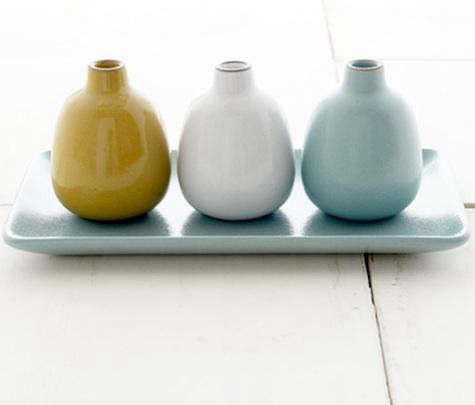
Summer collections from Heath Ceramics often lean into seasonal color in a way that feels painterly rather than loud. Instead of using glossy, candy-coated shades that scream “pool float,” Heath tends to work with glazes that feel grounded in nature: citrus, clay, sky, fog, sand, fruit, and late-afternoon light. Recent summer bud vase sets have featured shades such as Rosalba, Taproot, and Grapefruitnames that already sound like they belong at a farmers market with excellent coffee.
These colors matter because bud vases are small. A little color goes a long way. A grapefruit-toned vase can warm up a white tablecloth. A soft rose glaze can flatter pale flowers. A deep earthy shade can anchor a breezy tablescape that might otherwise drift into “I decorated with a napkin and a prayer.” When grouped together, the colors create rhythm, almost like notes in a short summer song.
The beauty of Heath’s seasonal palette is that it feels special without becoming difficult. You do not need to redesign your entire home around a bud vase. These pieces work with natural wood, white stoneware, woven placemats, vintage silver, clear glassware, and even the slightly chaotic stack of plates you inherited from three different relatives. Their job is not to dominate the tabletop. Their job is to make it feel finished.
What Makes a Bud Vase Different from a Regular Vase?
A bud vase is designed for small-scale floral styling. It usually holds one to three stems, though rules here are delightfully flexible. The narrow neck helps support flowers without requiring floral foam, wire, or the emotional stamina needed to build a giant arrangement. For beginners, this is excellent news. A bud vase is one of the easiest ways to make flowers look elegant with very little effort.
With a large vase, the flowers have to work as a group. You need volume, balance, greenery, filler, height, and sometimes a pep talk. With a bud vase, each stem gets space to show off. A single cosmos can bend gracefully. One zinnia can become a tiny centerpiece. A sprig of basil can look like it was invited on purpose. Even a slightly imperfect garden clipping can feel poetic when placed in the right vessel.
This is why Heath’s bud vases are especially useful for summer tabletop styling. Summer flowers often have casual, expressive shapes: poppies, dahlias, sweet peas, black-eyed Susans, scabiosa, nasturtiums, chamomile, cosmos, and herbs. They do not always want to stand at attention in a formal bouquet. Bud vases let them lean, curve, and behave like themselves.
How to Style Heath Ceramics Summer Bud Vases on a Table
The simplest way to use Heath Ceramics bud vases is to group them in odd numbers. Three vases on a round table create a relaxed centerpiece. Five or seven down a rectangular table can form a low floral runner that does not block conversation. This matters because nobody wants to spend dinner speaking through a hydrangea.
Start with a color story. If the vases are in warm summer shades, try flowers in complementary tones: peach dahlias, yellow ranunculus, pale pink roses, orange nasturtiums, or cream cosmos. For a cooler arrangement, pair blue or gray-toned ceramics with white anemones, lavender, airy grasses, or deep purple scabiosa. The goal is not perfect matching. In fact, a little contrast keeps the table from looking like it was assembled by a very anxious catalog stylist.
For a Casual Lunch Table
Place three bud vases in the center of the table with one stem in each. Add a stack of simple plates, cloth napkins, and a bowl of seasonal fruit. Peaches, lemons, apricots, or cherries make easy companions because they echo the colors of summer glazes. Keep the flowers low and loose. The table should feel like lunch may become an afternoon conversation, not a diplomatic summit.
For a Dinner Party
Use several vases in a staggered line down the table. Vary the height of the flowers, but keep most stems under eye level. Add taper candles or small votives between the vases if you want a little glow. Ceramic bud vases are especially good with candlelight because glaze has depth; it does not just reflect light, it absorbs and softens it. The effect is intimate, warm, and far less dramatic than trying to light a candelabra without setting off a smoke alarm.
For an Outdoor Table
Bud vases are ideal for outdoor meals because they are compact and less likely to topple than tall glass arrangements. Place one near each place setting or cluster them near shared dishes. Herbs are particularly charming outdoors. A small stem of mint, rosemary, flowering oregano, or basil can add fragrance without competing with the food. Just make sure the vase is stable and protected from strong wind. Summer breezes are lovely until they start redecorating the patio without permission.
Best Flowers for Summer Bud Vases
The best flowers for bud vases are not always the biggest or most expensive. In fact, small and medium blooms often look better because they fit the scale of the vessel. A huge sunflower in a tiny bud vase can look less like design and more like a botanical umbrella accident.
Excellent summer choices include cosmos, zinnias, ranunculus, sweet peas, dahlias, garden roses, lisianthus, chamomile, lavender, feverfew, bachelor’s buttons, and small branches of greenery. Herbs also deserve attention. Mint, basil, thyme, and rosemary bring scent and texture to a tabletop, and they pair beautifully with the earthy character of ceramic.
For a modern look, use one type of flower across multiple vases. For example, place a single white cosmos in each vase down the length of a table. The repetition feels clean and intentional. For a more garden-like style, mix different flowers in related colors. A peach dahlia in one vase, a sprig of mint in another, and a soft yellow zinnia in a third can feel casual but still composed.
Why Small Vases Make a Big Design Impact
Small objects can transform a room because they invite close attention. A large centerpiece announces itself from across the room. A bud vase rewards anyone who sits nearby. You notice the curve of a stem, the texture of a glaze, the way a petal leans toward the light. That intimacy is one reason bud vases work so well on dining tables, bedside tables, bathroom counters, desks, and windowsills.
Heath’s ceramic bud vases also have sculptural value when empty. This is important because real life does not always come with fresh flowers. Sometimes the garden is resting. Sometimes the grocery store flowers look tired. Sometimes you intended to buy blooms and came home with crackers, sunscreen, and no explanation. A well-designed ceramic vase still looks beautiful on its own, especially when grouped with books, bowls, trays, or other handmade objects.
Because Heath’s forms are restrained, they do not become visual clutter. They add shape and color without making a surface feel busy. That is a rare talent in home decor. Many decorative objects enter a room and immediately start asking for attention. Heath bud vases simply improve the atmosphere and let the room breathe.
Pairing Heath Bud Vases with Dinnerware
One of the pleasures of styling Heath Ceramics bud vases is how naturally they work with dinnerware. Heath is famous for ceramic plates, bowls, and serving pieces with timeless forms and nuanced glazes, so the vases feel like part of a larger tabletop language. They do not need to match perfectly. In fact, the most interesting tables often combine related tones rather than identical ones.
Try pairing a warm bud vase with neutral plates and woven placemats. Add clear glassware and simple flatware for a clean summer setting. For a moodier table, combine darker ceramic pieces with pale flowers and natural linen. For brunch, mix soft-colored bud vases with white plates, fruit, and a pitcher of iced tea. The vases bring just enough ceremony to make pancakes feel like an event, which frankly they have always deserved.
If your table includes patterned textiles, keep the flowers simple. If your tableware is minimal, let the vases and stems carry more color. This push and pull is the core of good tabletop styling: every element does not need to be the star. Some pieces are the lead singer. Others are the excellent bass line.
Care Tips for Ceramic Bud Vases
Ceramic bud vases are easy to use, but a little care keeps them looking their best. Rinse the vase after each use, especially if stems have been sitting in water for several days. Change the water regularly to keep flowers fresh and prevent buildup inside the vessel. Because bud vases have narrow openings, a small bottle brush can be helpful for cleaning.
Trim flower stems at an angle before placing them in water. Remove leaves that would sit below the waterline, since submerged leaves can break down quickly and cloud the water. For very small vases, avoid overfilling. A modest amount of water is enough for short stems, and it reduces the risk of spills when moving the vase from counter to table.
When storing ceramic bud vases, place them where they will not knock against heavier dishes or metal utensils. Handmade ceramics are durable, but they still appreciate civilized treatment. They are tableware, not hockey pucks.
Why Heath Ceramics Appeals to Collectors
Heath Ceramics has a strong collector following because the company combines heritage with ongoing production. Its pieces feel connected to mid-century California design, but they are not frozen in the past. Seasonal glazes, limited releases, collaborations, and small design updates keep the brand active and interesting.
Bud vases are especially collectible because they are approachable in size and easy to display. A full dinnerware set requires cabinet space, commitment, and possibly a serious conversation with your shelving. A bud vase can live almost anywhere. Collectors can mix older glazes with newer seasonal colors, creating small families of ceramics that tell a story over time.
Limited summer colors add another layer of appeal. Seasonal releases capture a specific moment in the brand’s palette, making them feel connected to a particular year or mood. A summer bud vase set can become a small time capsule: the color of one season, one table, one stretch of warm evenings when dinner kept moving outside.
Design Lessons from Heath’s Summer Bud Vases
The best thing about summer bud vases from Heath Ceramics is that they teach a bigger design lesson: beauty does not need to be oversized to be memorable. In a culture that often rewards bigger, brighter, louder, and more complicated, these small ceramic forms make a persuasive argument for restraint.
A single flower can be enough. One handmade object can shift a table. A small detail can make an ordinary meal feel considered. That is not minimalism in the cold, empty sense. It is thoughtful simplicity. It leaves room for food, conversation, laughter, and the occasional guest who insists on telling one story for twenty minutes but somehow makes it worth it.
Heath’s bud vases also remind us that useful objects can carry emotional weight. A vase is simple: it holds water and flowers. But the right vase can mark a season, welcome guests, brighten a desk, or turn a quick weeknight dinner into something that feels cared for. That is the real value of tabletop design. It is not about impressing people. It is about making daily life feel more generous.
Experience: Living with Summer Bud Vases in Everyday Spaces
The first thing people often notice after bringing small ceramic bud vases into daily use is how quickly they change habits. Instead of waiting for a full bouquet, you start noticing single stems. A bloom that broke off in the garden suddenly has a destination. A leftover sprig from trimming herbs becomes tabletop decor. Even a tiny branch from a neighborhood walk can become part of the room’s atmosphere. Bud vases make small gestures feel worthwhile.
On a summer breakfast table, a Heath-style bud vase can do more than decorate. Imagine a pale ceramic vase holding one stem of chamomile beside toast, berries, and coffee. The table immediately feels calmer. Nothing is elaborate, but everything feels a little more awake. At lunch, a warmer glaze with a small zinnia or nasturtium can echo the color of tomatoes, citrus, or a salad bowl. By evening, the same vase can move to a sideboard with a candle nearby and suddenly look like it has been promoted.
The practical advantage is enormous. Large floral arrangements require planning. Bud vases reward improvisation. Hosting friends for dinner after work? Put one stem in three vases and place them down the center of the table. No floral foam. No complicated grid. No wrestling with eucalyptus like it owes you money. The result feels relaxed and personal, which is usually more inviting than a centerpiece that looks professionally intimidating.
These vases also work beautifully beyond the dining table. On a bedside table, a single fragrant stem feels luxurious without cluttering the surface. In a bathroom, a small ceramic vase with greenery softens tile, mirrors, and hard edges. On a desk, one flower can make a workday feel less mechanical. A bud vase on a kitchen windowsill can hold whatever is fresh that week: basil flowers, a clipped rose, lavender, or even a sculptural leaf.
Another experience worth noting is how well bud vases support seasonal rituals. In early summer, they can hold sweet peas or pale garden roses. In high summer, they suit zinnias, cosmos, and herbs. Late summer brings grasses, seed heads, and deeper-toned dahlias. The vase stays the same, but the mood changes. That continuity is satisfying. It makes decorating feel less like shopping for constant novelty and more like paying attention.
For households with small dining tables, Heath Ceramics bud vases are especially useful. They bring the beauty of flowers without stealing space from plates, serving bowls, or elbows. Anyone who has tried to serve dinner around a giant bouquet knows the struggle. A bud vase politely stays in its lane. It adds charm, then lets the mashed potatoes pass.
The most enjoyable part is the sense of ease. These vases do not demand perfection. A slightly crooked stem can look charming. A mismatched set can feel collected. An empty vase can still serve as a small ceramic sculpture. That flexibility makes them worth returning to again and again. They are not just objects for special occasions; they are tools for making ordinary days look and feel more intentional.
Conclusion: Small Vase, Big Summer Energy
Tabletop: Summer Bud Vases from Heath Ceramics is more than a decorating idea. It is a reminder that summer style can be simple, handmade, colorful, and deeply livable. Heath’s bud vases bring together California craft, modern ceramic design, seasonal color, and practical tabletop function in one small form. They are easy to style, easy to love, and surprisingly powerful in the way they transform a table.
Whether filled with garden flowers, grocery-store stems, herbs, grasses, or nothing at all, these vases create atmosphere without fuss. They suit casual lunches, outdoor dinners, quiet mornings, and collected interiors. Most importantly, they encourage a slower kind of attentionthe kind that notices one flower, one glaze, one small beautiful thing in the middle of an ordinary day.