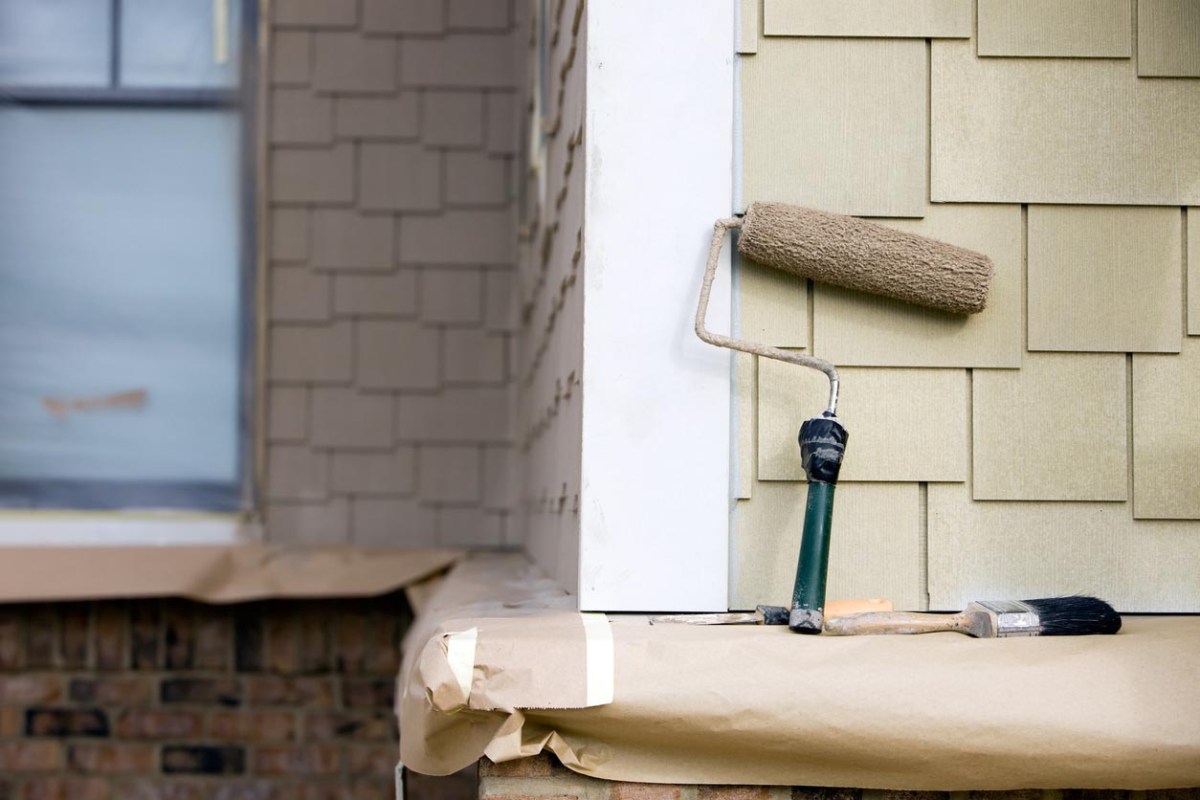
A fresh exterior paint job can make a tired house look crisp, cared for, and ready to receive compliments from neighbors who suddenly “just happened to be walking by.” But deciding whether to paint your home yourself or hire a professional is not as simple as choosing between a brush and a phone call.
Exterior house painting is part makeover, part weather experiment, part endurance sport, and part detective work. Before a single gallon is opened, you need to know what is hiding beneath the old paint: peeling layers, cracked caulk, wood rot, mildew, loose trim, rusty nails, or a siding material that requires special treatment. The paint is the glamorous part. The preparation is the part that decides whether your house looks fantastic for years or begins shedding paint like a sunburned tourist after one rough season.
For some homeowners, a DIY exterior painting project is a satisfying way to save money and spend a few productive weekends outdoors. For others, hiring a professional painter is the safer, faster, and ultimately smarter investment. The right choice depends on your home’s height, condition, siding material, schedule, skill level, and willingness to become intimately acquainted with ladders.
The Quick Answer: When DIY Makes Sense and When It Does Not
DIY exterior painting can be a good choice when the house is one story, the siding is in solid condition, the project involves a simple color refresh, and you already feel comfortable with basic prep work and ladder safety. A small ranch-style home with clean siding, minor touch-ups, and easy access is far less intimidating than a three-story Victorian with ornate trim and enough corners to confuse a GPS.
Hiring a professional painter is usually the better route when the job involves multiple stories, extensive scraping, damaged wood, complicated trim, historic surfaces, stucco repairs, lead-paint concerns, or tight deadlines. Professionals bring equipment, trained crews, efficient prep systems, and the experience to spot problems before they become expensive surprises wearing a fresh coat of paint.
| Factor | DIY May Be a Good Fit | Hire a Pro May Be Smarter |
|---|---|---|
| Home height | One story with easy access | Two or more stories, steep terrain, or difficult rooflines |
| Surface condition | Mostly sound paint with limited repairs | Peeling paint, rot, cracks, mildew, or failed caulk |
| Time available | You can dedicate several dry days or weekends | You need the job completed quickly and predictably |
| Tools | You own or can safely use brushes, rollers, ladders, and prep tools | You need scaffolding, sprayers, pressure-washing equipment, or specialty tools |
| Experience | You have completed similar projects successfully | You are learning as you go on a highly visible exterior surface |
What a DIY Exterior Paint Job Really Requires
Painting a house exterior is not merely a giant version of painting a bedroom. Indoors, a missed spot may hide behind a bookshelf. Outdoors, a missed spot can become an invitation for moisture, sunlight, mildew, and every insect that believes your trim board is an all-inclusive resort.
Preparation Is the Main Event
The most important part of exterior painting happens before the first coat goes on. Proper preparation generally includes washing the siding, allowing it to dry fully, scraping loose paint, sanding rough edges, repairing damaged surfaces, replacing rotten wood, removing failed caulk, sealing gaps, and priming bare areas. It is less exciting than choosing a dramatic front-door color, but it is the reason the paint has a chance to stay attached to the house.
For example, imagine a homeowner painting faded wood clapboard. If they brush new paint over chalky residue, loose paint flakes, and cracked caulk, the new coating may look good for a few weeks. Then rain, sun, and expansion in the wood start working together like a tiny demolition crew. Soon the paint begins bubbling or peeling, and the homeowner has paid for supplies twice: once for the original job and again for the repair.
Tools Add Up Faster Than Expected
A DIY exterior painting budget should include more than paint. Depending on the job, you may need drop cloths, painter’s tape, high-quality brushes, roller frames, roller covers, extension poles, paint trays, buckets, caulk, caulk guns, scrapers, sanding blocks, safety glasses, gloves, a respirator rated for the task, ladders, ladder stabilizers, patching materials, primer, and protective coverings for plants, windows, walkways, and outdoor furniture.
A paint sprayer can speed up application on broad siding, but it is not a magic wand. It requires practice, masking, cleanup, and careful technique. Overspray is not a decorative feature. It can land on windows, gutters, cars, patio furniture, shrubs, and the one neighbor who always notices everything.
Time Is a Real Cost
DIY painting saves on labor, but it costs time. A homeowner may spend several days cleaning, scraping, sanding, caulking, patching, priming, painting, touching up, and cleaning equipment. Weather can stretch the project even longer. You may begin with a cheerful Saturday plan and finish three weekends later wondering why your house has so many surfaces.
That does not make DIY a bad decision. It simply means your savings should be measured honestly. If you enjoy hands-on projects, have flexible time, and can work safely, the process can be rewarding. If you are squeezing the job between work, travel, family obligations, and a weather forecast that looks like a roulette wheel, professional help may be worth the expense.
Why Hiring a Professional Painter Can Be Worth It
Professional exterior painters are not just paying for paint with someone else’s credit card. A reliable contractor brings speed, systems, equipment, labor, and problem-solving experience. They know how to organize a job so that washing, repairs, priming, masking, and painting happen in the right sequence without turning the driveway into a paint-splattered archaeological site.
Pros Work Faster Because They Work Differently
A professional crew can often complete a project much faster than a homeowner because several people are working at once. One person may scrape and sand while another caulks, another masks windows, and another prepares paint. They are also used to moving ladders, setting up scaffolding, cutting in trim, and maintaining a consistent finish across large surfaces.
This matters when weather is unpredictable. Exterior paint needs dry surfaces and suitable application conditions. A professional crew is more likely to plan around forecasts, sunlight, humidity, and curing time. They also know that direct sun can make paint dry too quickly, creating lap marks or uneven sheen. Your home deserves better than a finish that resembles a patchwork quilt from the curb.
Professionals Can Identify Underlying Problems
Paint should not be used as a Band-Aid for structural issues. Experienced painters often notice damaged trim, rotten fascia boards, loose siding, moisture stains, rusting metal, cracked stucco, or failed seals around windows and doors. Finding these issues before painting can prevent a beautiful new finish from hiding a problem that continues getting worse behind the scenes.
This is especially valuable for older homes. If the exterior has many layers of old paint, widespread peeling, or surfaces that may contain lead-based paint, the project requires a more cautious approach. Disturbing old paint through sanding or scraping can create hazardous dust. Homeowners should treat older painted surfaces seriously and follow applicable safety requirements rather than assuming a dust mask and optimism are an adequate plan.
Quality Work Should Include More Than a Pretty Finish
A good professional estimate should spell out the scope of work. It should identify which surfaces will be painted, what prep is included, whether repairs are included or priced separately, which primer and paint products will be used, how many coats are planned, how landscaping and hardscaping will be protected, who handles cleanup, and whether there is a workmanship warranty.
Do not choose a painter based only on the lowest number. A bargain quote can become expensive when it skips washing, scraping, priming, caulking, or repairs. Comparing estimates is not about finding the cheapest painter. It is about making sure every bidder is pricing the same job.
Exterior Painting Safety: The Part You Should Not “Figure Out Later”
Ladders deserve respect. Exterior painting often requires reaching awkward spots while carrying tools, managing wet paint, avoiding landscaping, and concentrating on a brush line. That is a lot to ask of a person standing several feet above concrete. If you cannot safely reach an area without overreaching, climbing too high, or placing a ladder on uneven ground, that area is a strong candidate for professional help.
Two-story homes, steep yards, dormers, high gables, chimney trim, and awkward rooflines may require scaffolding or specialized access equipment. This is not the moment to balance on a ladder while holding a paint can and telling yourself, “I have excellent core strength.” Good judgment is more valuable than a dramatic story for the emergency room.
Lead safety is another major decision point. Homes built before 1978 may contain lead-based paint. Scraping, sanding, cutting, or otherwise disturbing old coatings can create lead dust. When in doubt, consider testing, use lead-safe work practices, and hire a qualified professional when the scope is substantial. This is one situation where being “pretty handy” is not the same as being properly equipped.
How to Decide Based on Your Home’s Exterior Material
Wood Siding
Wood can look beautiful under a fresh coat of paint, but it is demanding. You may need to repair rot, scrape peeling areas, sand edges, prime bare wood, and seal joints carefully. A small amount of maintenance is manageable for many DIYers. Widespread deterioration or extensive trim repair is usually a better job for a professional painter or carpenter-painter team.
Vinyl Siding
Vinyl siding can often be painted successfully when it is clean, sound, and paired with a coating designed for vinyl. However, damaged siding should be repaired before painting, and dramatic color changes need careful thought. Dark colors can absorb more heat, which may create problems for some vinyl products. When in doubt, use a paint product specifically designed for the siding material and verify color limitations with the manufacturer.
Stucco and Masonry
Stucco and masonry require thorough cleaning and careful attention to cracks, moisture issues, and surface compatibility. Small hairline cracks may be repairable, but larger cracks or recurring moisture stains deserve investigation before painting. A professional may be the better choice when the exterior needs patching, sealing, or specialty coatings.
Brick
Painting brick is a major visual commitment. Once brick is painted, it often requires ongoing maintenance, and moisture management becomes especially important. If you are considering painting brick, research the condition of the masonry, the type of coating required, and whether another approach, such as cleaning or painting only trim and doors, could deliver the curb-appeal change you want without permanently changing the brick.
A Smarter Way to Compare DIY Costs and Professional Quotes
Instead of asking only, “How much does it cost to paint a house exterior?” ask, “What exactly is included?” A DIY project may appear inexpensive until you add primer, paint, tools, equipment rental, safety gear, repair materials, and your own time. A professional quote may look high until you see that it includes washing, scraping, patching, caulking, priming, labor, cleanup, and access equipment.
Get at least three detailed estimates when hiring a painter. Ask each contractor about licensing requirements in your area, insurance coverage, crew experience, prep steps, paint brands, number of coats, repair allowances, scheduling, cleanup, and warranty terms. Ask for references and look at recent work when possible. The best painter is not automatically the one with the fanciest truck, although a clean truck is never a bad sign.
Three Real-World Decision Examples
Example 1: The One-Story Ranch
A one-story ranch house has fiber-cement siding, mild fading, no peeling paint, and easy access around the entire home. The homeowners want to repaint the same color, have two open weekends, and are comfortable using ladders for low trim. This is a reasonable DIY candidate, especially if they invest in good prep, quality exterior paint, and careful protection for landscaping.
Example 2: The Tall Colonial With Peeling Trim
A two-story Colonial has wood trim, peeling paint near upper windows, rotted fascia, high gables, and old coatings that may contain lead. This is a professional job. The height, repairs, prep demands, and safety concerns outweigh the potential DIY savings.
Example 3: The Stucco Home With Cracks
A stucco home has several cracks near windows, fading on the sunny side, and stains near a downspout. The homeowner should first identify and correct the moisture issue, repair cracks correctly, and choose a compatible coating. A professional inspection or paint contractor consultation can prevent cosmetic work from covering up a drainage problem.
The Bottom Line: Choose the Option That Protects the House
The best choice is not always the cheapest option, and it is not always the most impressive story to tell at a backyard barbecue. DIY exterior painting is a strong option for smaller, lower-risk homes in good condition when you have time, patience, and the right tools. Hiring a professional is often the wiser choice for high, complicated, damaged, historic, or heavily weathered exteriors.
Think of exterior paint as your home’s raincoat, sunscreen, and public profile all at once. A good paint job should look sharp, seal vulnerable areas, and hold up through changing weather. Whether you do it yourself or hire a pro, the goal is the same: a durable finish that protects the house instead of merely posing for photos.
Exterior House Painting Experiences: What Homeowners Learn After the First Brushstroke
People often remember an exterior painting project as a simple before-and-after transformation. The “before” is a faded house. The “after” is a refreshed house. What gets edited out of the memory is the middle: the part where someone discovers that one loose board has friends, every wasp in the county has an opinion about the ladder location, and paint somehow appears on a shoe that was nowhere near the project.
One of the biggest lessons homeowners learn is that the house itself sets the rules. A clean, well-maintained exterior can make painting feel almost relaxing. A neglected exterior turns the project into a chain of smaller projects. You begin by planning to paint the trim, then find cracked caulk. Behind the cracked caulk is soft wood. Behind the soft wood is a gutter that has been dripping for years. Suddenly, the paint store trip turns into a home-maintenance seminar you did not register for.
Another common realization is that paint color behaves differently outdoors than it does on a tiny paper sample. A warm gray can look elegant in the store, bluish in shade, nearly white at noon, and faintly purple at sunset. That is why experienced homeowners test large swatches on different sides of the house before committing. Paint does not care how confident you felt under fluorescent retail lighting.
DIY painters also learn the value of pacing. The first day often feels fantastic: the house is washed, supplies are organized, and the paint cans are lined up like a very colorful army. By the second or third day, enthusiasm may be replaced by a deep appreciation for professional painters. Reaching the same ladder-safe position twenty times, cutting around windows, and keeping a wet edge on long siding runs can test anyone’s patience.
Still, a well-planned DIY project can bring real satisfaction. There is something deeply rewarding about stepping back from a freshly painted front porch or trim board and knowing your own hands improved the home. The key is choosing a project that matches your ability. Painting a front door, porch railing, shutters, or one-story trim can build confidence. Painting an entire tall house with deteriorating siding is not a beginner-level confidence exercise; it is a negotiation with gravity and weather.
Homeowners who hire professionals often report a different kind of relief. Instead of spending weekends scraping, moving ladders, and watching the forecast every fifteen minutes, they get a coordinated process and a finished result much faster. The best experiences usually come from clear communication before work starts. When the scope, prep steps, repair expectations, paint products, schedule, and cleanup plan are written down, there are fewer surprises later.
In the end, both DIYers and professional-painting clients tend to arrive at the same conclusion: the finish is only as good as the preparation. A beautiful exterior is not created by rushing to the fun part. It is created by cleaning, repairing, protecting, priming, painting carefully, and respecting the limits of both the house and the person holding the brush.
Note: This is an independent general-planning guide and is not affiliated with Bob Vila. Always follow paint-label instructions, local regulations, and applicable lead-safe work practices.