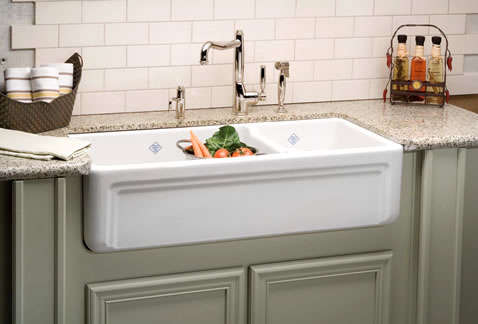
If a kitchen could wear a tailored linen shirt, pour a cup of strong coffee, and casually say, “I was handmade in England,” it would probably look like the Shaws Original Fireclay Sink. This isn’t just a white farmhouse sink with good cheekbones. It is one of those rare kitchen features that blends utility, craftsmanship, and design history without acting too precious to hold a spaghetti pot.
The Shaws Original Fireclay Sink is best known for its apron-front profile, deep single-bowl design, glossy fireclay surface, and handmade character. It has become a favorite in farmhouse kitchens, transitional spaces, cottage-style homes, and even sleek modern interiors where designers want one warm, heritage-inspired focal point. It is practical, beautiful, and sturdy enough to handle daily kitchen lifeassuming, of course, you treat it like a premium fixture and not a football helmet.
In this guide, we will explore what makes the Shaws Original Fireclay Sink special, how it is made, where it works best, what to know before installation, how to care for it, and whether it deserves a place in your kitchen renovation plans.
What Is the Shaws Original Fireclay Sink?
The Shaws Original Fireclay Sink is a handcrafted kitchen sink made from heavy-duty fireclay, a ceramic material valued for its strength, density, and ability to withstand very high firing temperatures. The most recognizable versions are apron-front farmhouse sinks, especially the classic single-bowl models often used as centerpiece sinks in custom kitchens.
Shaws sinks are associated with Shaws of Darwen, a historic sink maker from Lancashire, England. The brand has been producing fireclay sinks since the late nineteenth century, and that heritage is a major part of the sink’s appeal. Unlike mass-produced sinks that come out of a factory line looking perfectly identical, a Shaws fireclay sink is shaped, glazed, and finished with human involvement. Minor variations are part of its character, not a manufacturing scandal waiting to happen.
In the United States, Shaws sinks are commonly sold through House of Rohl and luxury kitchen-and-bath retailers. Models may appear under names such as Shaws Original, Shaws Lancaster, or Shaws farmhouse apron-front fireclay sink, depending on the retailer and collection listing.
Why Fireclay Matters
Fireclay is not ordinary ceramic. It is a dense clay material that can be fired at extremely high temperatures, creating a hard, durable body. In a fireclay kitchen sink, the clay body and glaze are fused together through heat, forming a strong, nonporous surface that resists everyday stains, scratches, acids, and alkalis better than many standard ceramic finishes.
That does not mean the sink is invincible. No premium sink is. Drop a cast-iron pan from shoulder height and your kitchen may file a complaint. But compared with basic porcelain-coated fixtures, a well-made fireclay sink offers impressive durability, a smooth glazed finish, and a timeless look that does not chase trends like a teenager chasing a viral dance.
Key Fireclay Benefits
Fireclay sinks are popular because they offer a rare mix of beauty and toughness. The surface is smooth and glossy, which makes it easy to wipe clean. The dense material helps reduce visible wear from normal kitchen use. Fireclay also has a clean, substantial appearance that works beautifully with stone countertops, butcher block, marble, soapstone, quartz, and painted cabinetry.
The Shaws Original Fireclay Sink stands out because the material is paired with old-world craftsmanship. It is not merely “farmhouse-inspired.” It is the real farmhouse deal, only with better lighting and probably a nicer faucet.
The Handmade Difference
One of the most important things to understand about the Shaws Original Fireclay Sink is that handmade construction affects both its beauty and its installation. Each sink may have slight dimensional variations. Edges may not be mathematically identical from one piece to another. The apron may show subtle character. These are normal for handcrafted fireclay sinks and are part of why designers often specify the actual sink on site before cutting countertops.
That handmade quality gives the sink a softer, more authentic presence. It does not look stamped, thin, or overly polished. It has weightvisually and physically. When placed under a stone countertop with a bridge faucet or classic pull-down faucet, it becomes the kind of kitchen feature people notice before they notice your extremely organized spice drawer.
Popular Sizes and Configurations
The Shaws Original Fireclay Sink is available in several sizes and related configurations, but the classic 30-inch and 33-inch apron-front single-bowl styles are especially popular. A common 33-inch model measures approximately 33 inches wide, 18 inches front to back, and 10 inches deep. Some listings note a central drain, a 3 1/2-inch drain opening, and compatibility with basket strainers or waste disposal units when the proper fittings are used.
Because fireclay sinks are heavy, cabinet planning is critical. A 33-inch farmhouse sink typically requires a larger base cabinet, often around 36 inches wide, depending on the exact model and installation method. Some Shaws sinks weigh well over 100 pounds before water, dishes, or that one oversized Dutch oven joins the party.
Single Bowl vs. Double Bowl
The single-bowl Shaws Original Fireclay Sink is the classic choice. It gives you one large basin for sheet pans, roasting trays, stockpots, flower vases, and the occasional “how did we use every dish in the house?” evening. The large open bowl is one of the main reasons homeowners choose this sink.
Double-bowl fireclay sinks can be useful if you prefer separating washing and rinsing, but they usually sacrifice the big open workspace that makes a farmhouse sink so satisfying. For families who cook often or entertain regularly, the single-bowl apron-front design is usually the more flexible option.
Design Appeal: Why It Looks So Good
The Shaws Original Fireclay Sink has a shape that feels familiar without being boring. Its apron front creates a strong horizontal line across the base cabinets, while the deep white basin adds brightness to the kitchen. In traditional kitchens, it feels historically appropriate. In modern kitchens, it adds softness and contrast. In farmhouse kitchens, it basically walks in and says, “Yes, I belong here.”
White fireclay is especially versatile. It pairs well with navy cabinets, warm wood, sage green, matte black hardware, polished nickel, brass, marble-look quartz, and natural stone. The sink can lean rustic, elegant, coastal, English country, or modern farmhouse depending on the surrounding materials.
Best Kitchen Styles for a Shaws Fireclay Sink
A Shaws Original Fireclay Sink works beautifully in classic farmhouse kitchens with shaker cabinets, beadboard details, and warm wood accents. It also suits English cottage kitchens with unlacquered brass, open shelving, and natural stone. In transitional kitchens, it balances modern appliances and clean cabinetry with a touch of handcrafted charm.
Even contemporary kitchens can use a Shaws sink effectively. Pair it with flat-panel cabinets, a minimalist faucet, and a waterfall island, and the sink becomes the one heritage element that keeps the room from feeling too showroom-perfect.
Installation: What Homeowners Should Know Before Buying
Installing a Shaws Original Fireclay Sink is not the same as dropping a lightweight stainless-steel sink into a laminate counter and calling it a day. This is a heavy, handcrafted apron-front sink, and it needs careful planning.
First, the base cabinet must be designed or modified for a farmhouse sink. The front of the cabinet is cut to expose the apron. Second, the sink needs proper structural support underneath. The cabinet frame alone should not be expected to hold all the weight. Installers typically build a support platform or rail system that carries the sink securely.
Third, the countertop should usually be templated after the actual sink is available. Because handmade fireclay can vary slightly, using the real sink for measurements helps avoid awkward gaps, uneven reveals, or countertop cuts that inspire colorful language.
Undermount, Flush, or Proud Installation
Farmhouse fireclay sinks can be installed with different reveal styles. An undermount installation places the countertop over the sink rim. A flush installation aligns the sink and countertop closely. A proud installation lets the sink edge sit slightly above the counter. The best choice depends on the countertop material, cabinet design, installer preference, and desired look.
For a premium sink like Shaws, professional installation is strongly recommended. This is especially true if you are using stone countertops, custom cabinetry, or a disposal. The sink itself may look calm and elegant, but the installation process rewards precision.
Everyday Performance in a Real Kitchen
The Shaws Original Fireclay Sink is built for real use. Its deep basin makes it easier to wash large cookware without splashing water across the counter like a tiny kitchen monsoon. The smooth glazed surface helps food residue rinse away quickly. The single-bowl format provides flexibility, especially for people who cook from scratch.
However, the same deep bowl that makes the sink practical can also require some adjustment. Shorter users may notice they lean forward more than with a shallow sink. Delicate glassware can break if dropped into a hard fireclay basin. A bottom grid is a smart accessory because it cushions dishes, protects the basin floor, and allows water to drain under plates and pans.
How to Clean and Maintain a Shaws Fireclay Sink
Daily care is simple. Rinse the sink after use, wipe it with a soft cloth or sponge, and use mild dish soap for normal cleaning. For marks from pots, pans, or utensils, a non-scratch cleaner or soft cleaning pad may help. Avoid steel wool, wire brushes, and harsh abrasive pads, which can dull or damage the glazed surface over time.
It is also wise not to leave coffee grounds, tea bags, tomato sauce, or strongly colored food residue sitting in the basin for long periods. Fireclay is highly stain-resistant, but “resistant” does not mean “please use me as a compost bowl until Tuesday.” A quick rinse goes a long way.
Care Tips That Actually Help
Use a sink grid to reduce direct impact from heavy cookware. Wipe the sink dry if you live in an area with hard water. Clean gently but consistently instead of waiting until the basin needs a full archaeological excavation. If you use a disposal, make sure the flange and fittings are compatible with the sink’s thickness and drain opening.
With reasonable care, a Shaws fireclay sink can stay beautiful for decades. It is the kind of fixture that rewards small habits rather than demanding dramatic maintenance rituals.
Pros and Cons of the Shaws Original Fireclay Sink
Pros
The biggest advantage is timeless beauty. The Shaws Original Fireclay Sink has a presence that few kitchen sinks can match. It is also durable, nonporous, heat-tolerant for normal kitchen use, and resistant to many common stains and household substances. The deep basin is practical for serious cooking, and the handmade quality adds character to the kitchen.
Cons
The main drawbacks are weight, cost, and installation complexity. This is not a budget sink, and it is not ideal for a quick weekend swap unless your weekend includes a cabinetmaker, a countertop fabricator, and emotional support snacks. Fireclay can chip if abused, and the hard basin may be unforgiving to dropped glassware. Handmade dimensional variation also means planning matters.
Shaws Fireclay Sink vs. Other Kitchen Sink Materials
Compared with stainless steel, fireclay feels more traditional, quieter visually, and more furniture-like. Stainless steel is lighter, usually less expensive, and easier to install, but it can show scratches and water spots. Compared with cast iron, fireclay offers a similar classic look without the same enamel-over-metal construction. Compared with composite sinks, Shaws fireclay feels more historic and refined, though composite may offer more color options and a lower price point.
The best sink material depends on your lifestyle. If you want low-cost, lightweight practicality, stainless steel is hard to beat. If you want a focal point that makes the kitchen feel custom and enduring, a Shaws Original Fireclay Sink is in a different design category.
Is the Shaws Original Fireclay Sink Worth It?
For the right homeowner, yes. The Shaws Original Fireclay Sink is worth considering if you value craftsmanship, heritage, and long-term design appeal. It is especially compelling in a kitchen renovation where the sink is meant to be a centerpiece rather than an afterthought.
It may not be the best fit if you are renovating on a tight budget, replacing only the sink without changing cabinets or countertops, or looking for the easiest possible installation. But if you are building a kitchen around quality materials and a timeless look, the Shaws sink earns its reputation.
Buying Tips Before You Choose a Shaws Sink
Before ordering, confirm the exact model number, dimensions, cabinet size requirements, drain location, and installation type. Make sure your installer understands farmhouse fireclay sinks. Ask whether the sink should be on site before countertop templating. Choose compatible drains, disposal flanges, grids, and faucets early so the whole system works together.
Also, think about your daily routine. Do you wash large pans? Do you cook often? Do you prefer one large basin or two smaller ones? Do you have children who toss spoons into the sink like tiny Olympic athletes? Your answers will help determine whether this sink is not only beautiful, but practical for your home.
Experience-Based Insights: Living With a Shaws Original Fireclay Sink
Living with a Shaws Original Fireclay Sink feels different from living with a basic kitchen sink. The first thing most people notice is the depth. A large single basin changes the rhythm of cleanup. Instead of balancing a roasting pan halfway over a divider, you can lay it flat. Instead of stacking dishes awkwardly, you can hide a surprising amount of kitchen evidence below the counter line. This is helpful when guests arrive early and the kitchen has been, let us say, actively loved.
The apron front also changes how the sink feels physically. Because there is no full countertop strip between your body and the basin, you can stand closer to the work area. Many homeowners find this comfortable when washing large pots or prepping vegetables. However, the deep bowl may take some getting used to. If you are shorter, you may prefer a sink grid that raises dishes slightly off the bottom, making cleanup easier.
One practical experience many owners mention is that a white fireclay sink encourages better cleaning habits. Not because it is fragile, but because it shows when it needs a quick rinse. Stainless steel can hide crumbs, streaks, and mystery splashes in a way that lets chaos linger. A white Shaws sink politely announces, “A sponge would be lovely.” The good news is that most daily messes wipe away easily with dish soap and warm water.
A bottom grid is not just an accessory; it is close to essential. It protects the basin from heavy cookware, keeps dishes from sitting directly on the surface, and helps water flow toward the drain. It also reduces the drama of accidentally dropping a fork, spoon, or small pan into the sink. Fireclay is tough, but the surface is hard, and glassware does not bounce. It performs more of a farewell ceremony.
Another real-world lesson is to plan the surrounding kitchen around the sink’s presence. A Shaws Original Fireclay Sink is visually strong. It looks best when it has room to breathe. Crowding it with overly busy countertops, mismatched hardware, or a tiny faucet can make the design feel less intentional. A bridge faucet, a graceful pull-down faucet, or a simple traditional fixture usually complements it well.
Installation is where experience matters most. Homeowners who are happiest with this sink usually work with contractors who understand handmade fireclay. They do not rely only on catalog dimensions. They check the actual sink, build proper support, and template the countertop carefully. That preparation prevents small errors from becoming expensive frustrations.
Over time, the biggest pleasure of the Shaws sink is that it does not feel trendy. Many kitchen features announce the year they were installed. The wrong backsplash can practically shout “2014” from across the room. A Shaws fireclay sink, by contrast, has a quieter confidence. It can adapt as cabinet colors, hardware finishes, and styling choices change around it.
In daily life, the sink becomes part workhorse, part design anchor. It handles pasta nights, holiday cooking, muddy garden vegetables, flower arranging, baby bottles, pet bowls, and the occasional emergency soaking session. It is beautiful, yes, but not in a “please do not touch me” way. It is beautiful in the way a good kitchen should be: useful, welcoming, and ready for whatever lands in it next.
Conclusion
The Shaws Original Fireclay Sink is more than a luxury farmhouse sink. It is a handcrafted kitchen centerpiece with history, durability, and everyday usefulness built into its design. Its fireclay construction offers a smooth, strong, nonporous surface, while the apron-front silhouette brings warmth and architectural character to the room.
This sink is not the cheapest or easiest option, and it requires thoughtful installation. But for homeowners who want a timeless kitchen feature with genuine craftsmanship, the Shaws Original Fireclay Sink is a standout choice. It works hard, looks elegant, and manages to make even a pile of dishes seem slightly more sophisticated. That is no small achievement.
Note: This article is original editorial content created for web publication and is based on publicly available manufacturer, retailer, installation, and care information about Shaws fireclay sinks.