Green cleaning is the practice of cleaning homes, schools, offices, and public spaces in ways that reduce harm to people, pets, indoor air, waterways, and the planet. It sounds fancy, but the idea is refreshingly practical: clean the mess without creating a brand-new problem wearing a lemon-scented disguise.
At its best, green cleaning combines safer cleaning products, smarter habits, reusable tools, proper ventilation, responsible disinfecting, and less waste. It is not about letting crumbs hold a family reunion under the couch. It is about choosing methods that actually clean while lowering exposure to harsh chemicals, unnecessary fragrances, single-use plastics, and misleading “eco-friendly” marketing claims.
In simple terms, green cleaning asks one very reasonable question: “Can we get this surface clean without turning the room into a chemistry experiment?” Most of the time, the answer is yes.
What Does Green Cleaning Mean?
Green cleaning means using products, tools, and routines designed to protect health and reduce environmental impact. That can include certified safer cleaners, microfiber cloths, refillable bottles, fragrance-free formulas, concentrated products, cold-water laundry habits, and cleaning schedules that prevent grime from becoming a villain with a backstory.
A green cleaning routine usually focuses on four goals:
- Reducing exposure to irritating or toxic chemicals
- Improving indoor air quality
- Cutting down on waste and water pollution
- Cleaning effectively without overusing disinfectants
Green cleaning is not automatically the same as “natural cleaning.” A product can be plant-based and still irritating. A homemade mixture can be simple and still unsafe if ingredients are combined incorrectly. Green cleaning is less about trendy labels and more about verified safety, performance, transparency, and common sense.
Why Green Cleaning Matters
1. It Can Support Better Indoor Air Quality
Many conventional cleaning products contain volatile organic compounds, often called VOCs. These compounds can evaporate into indoor air and may contribute to headaches, throat irritation, respiratory discomfort, and other issues, especially for people with asthma, allergies, or chemical sensitivities.
Indoor air matters because most people spend a large portion of their lives inside. If your home smells like a “mountain breeze” but feels like your lungs just read bad news, that is not exactly a wellness upgrade. Green cleaning often favors low-VOC, fragrance-free, or third-party certified products that help reduce unnecessary airborne irritants.
2. It Reduces Unnecessary Chemical Exposure
Green cleaning encourages people to read labels, follow instructions, and avoid mixing products. This is important because some common cleaning chemicals can become dangerous when combined. For example, bleach should not be mixed with ammonia or acids. Your sink is not a laboratory, and you do not need a dramatic fog machine in the bathroom.
Choosing safer products does not mean all chemicals are bad. Water is a chemical. So is oxygen. The goal is not chemical panic; it is chemical literacy. Green cleaning helps you choose products that are appropriate for the job, safer for routine use, and less likely to irritate skin, eyes, or lungs.
3. It Helps Protect Waterways
Everything rinsed down the drain has a destination. Green cleaning products often avoid ingredients that are persistent, highly toxic to aquatic life, or unnecessarily harsh. Many also use biodegradable surfactants, concentrated formulas, and packaging designed to reduce waste.
No cleaner is magically impact-free. But better product choices, correct dilution, and using only the amount needed can lower the environmental footprint of everyday cleaning.
4. It Can Save Money Over Time
Green cleaning does not have to mean buying a luxury bottle of countertop spray that costs as much as dinner. In fact, it can be cheaper. Microfiber cloths reduce paper towel use. Concentrated cleaners last longer. Preventive cleaning means less scrubbing, fewer specialty products, and fewer “how did it get this bad?” moments.
When done well, green cleaning is not just greener. It is more efficient.
Green Cleaning vs. Regular Cleaning: What Is the Difference?
Regular cleaning focuses mainly on removing dirt, dust, grease, stains, and germs from surfaces. Green cleaning does the same job but adds another layer: it considers the health and environmental impact of the product, packaging, method, and frequency.
For example, a regular cleaning approach might use a strong scented spray on every surface every day. A green cleaning approach might use a fragrance-free all-purpose cleaner for routine messes, microfiber for dust, proper ventilation, and a disinfectant only when it is actually needed.
The key difference is intention. Green cleaning does not ask, “Can this product destroy everything in its path?” It asks, “What is the safest effective option for this task?”
Does Green Cleaning Kill Germs?
Sometimes yes, sometimes no. This is where many people get confused, and frankly, product labels do not always help. Cleaning, sanitizing, and disinfecting are related, but they are not identical.
Cleaning
Cleaning removes dirt, dust, grease, and many germs from surfaces. Soap, detergent, and water can do a lot of heavy lifting. For everyday household maintenance, cleaning is often enough.
Sanitizing
Sanitizing reduces germs to a safer level, which is especially useful for food-contact surfaces, certain kitchen items, and situations where hygiene needs are higher.
Disinfecting
Disinfecting uses products designed to kill specific germs on surfaces. Disinfectants should be registered for that purpose and used according to the label, including the required contact time. Wiping a disinfectant off immediately is like inviting it to work and then sending it home before it clocks in.
Green cleaning does not reject disinfectants. It simply uses them wisely. If someone in the home is sick, if there has been contamination, or if a high-touch surface needs germ control, a proper disinfectant may be appropriate. For routine dust and crumbs, a disinfectant is often unnecessary.
How to Identify Truly Green Cleaning Products
The cleaning aisle can be a jungle of leafy graphics, vague promises, and bottles shouting “natural” like they just discovered compost. To choose wisely, look beyond the front label.
Look for Credible Certifications
Third-party certifications can help separate meaningful claims from greenwashing. Useful labels may include EPA Safer Choice, Green Seal, UL ECOLOGO, USDA Certified Biobased, and NSF registration for certain food-service or institutional products.
EPA Safer Choice, for example, evaluates ingredients for human health and environmental characteristics while also considering product performance. Green Seal and UL ECOLOGO standards look at multiple environmental and health-related criteria. These certifications are not just decorative stickers; they provide a more reliable shortcut for shoppers who do not want to earn a minor in toxicology before buying dish soap.
Choose Fragrance-Free When Possible
“Fresh scent” does not always mean fresh air. Fragrances can contain mixtures of chemicals, and some people are sensitive to them. Fragrance-free products are often a better choice for bedrooms, nurseries, classrooms, offices, and homes with asthma or allergy concerns.
Read Ingredient and Safety Information
A trustworthy green cleaning product should provide clear usage directions, safety warnings, and ingredient information. Be cautious with vague claims like “non-toxic,” “chemical-free,” or “earth-friendly” when they are not backed by details. The Federal Trade Commission expects environmental marketing claims to be truthful and not misleading, which is a polite way of saying: companies should not slap a leaf on a bottle and call it a day.
Match the Product to the Job
You do not need a heavy-duty degreaser for a lightly dusty shelf. You do not need disinfectant for every doorknob every hour unless there is a specific reason. Green cleaning works best when the product matches the mess.
Common Green Cleaning Tools
Microfiber Cloths
Microfiber cloths are a green cleaning superstar because they trap dust and dirt effectively and can be washed and reused many times. They reduce paper towel waste and often clean well with water or a small amount of cleaner.
Reusable Mop Pads
Washable mop pads help reduce disposable waste. They are useful for tile, sealed hardwood, laminate, and vinyl floors when paired with the right cleaner for the surface.
Refillable Spray Bottles
Refill systems and concentrated cleaners can reduce plastic waste and shipping weight. They also keep your cabinet from becoming a museum of nearly empty bottles.
HEPA Vacuum Cleaners
A vacuum with a HEPA filter can help capture fine particles, dust, and allergens instead of blowing them back into the room like a tiny indoor dust parade.
Green Cleaning Ingredients: Helpful, But Not Magical
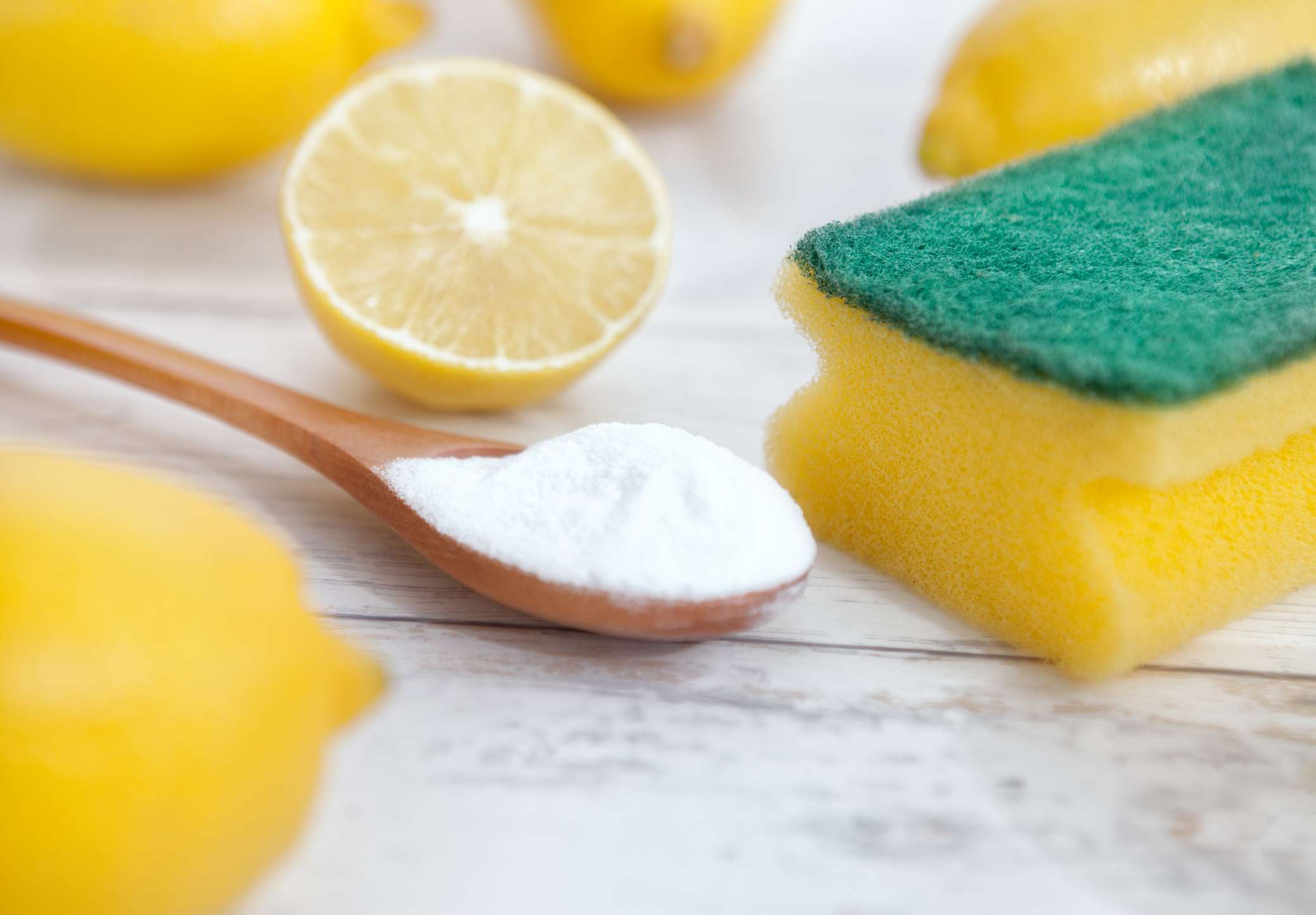
Some basic ingredients can be useful in a green cleaning routine. Baking soda can help with gentle scrubbing and deodorizing. Vinegar can help with mineral deposits and some soap scum. Castile soap can work as a mild cleaner. Hydrogen peroxide may be useful for certain stain and sanitizing tasks when used correctly.
However, homemade does not always mean safer or better. Vinegar should not be used on natural stone such as marble or granite because acid can damage the surface. Vinegar and hydrogen peroxide should not be mixed in the same container. Bleach should never be mixed with ammonia, vinegar, or other cleaners. Essential oils may smell pleasant, but they can irritate some people and may be unsafe for certain pets.
Green cleaning is not about turning your pantry into a potion shelf. It is about using simple, appropriate tools safely.
How to Build a Green Cleaning Routine
Step 1: Declutter First
Cleaning around clutter is like mowing a lawn full of lawn chairs. Before spraying anything, remove items from surfaces, sort mail, put dishes where they belong, and clear the area. Less clutter means less dust, fewer hiding spots for grime, and faster cleaning.
Step 2: Dust Before You Wet Clean
Start high and work downward. Dust ceiling fans, shelves, frames, and counters before vacuuming or mopping floors. This prevents dust from performing its favorite trick: falling onto the surface you just cleaned.
Step 3: Use the Mildest Effective Cleaner
Begin with water, microfiber, and a mild cleaner. Save stronger products for tougher jobs. This reduces chemical exposure and protects delicate surfaces.
Step 4: Ventilate
Open windows when weather allows, run exhaust fans, and avoid spraying products in tiny enclosed spaces. Even safer cleaners should be used with good airflow.
Step 5: Disinfect Only When Needed
Use disinfectants for specific situations: illness in the home, raw meat contamination, bathroom high-touch areas, or other hygiene-sensitive moments. Follow label directions exactly, including contact time and surface compatibility.
Step 6: Reduce Waste
Choose refillable, concentrated, recyclable, or bulk products when practical. Replace disposable wipes with washable cloths for routine cleaning. Keep a small “cleaning kit” so supplies are easy to find and less likely to multiply like suspiciously expensive rabbits.
Room-by-Room Green Cleaning Examples
Kitchen
For counters, use a mild all-purpose cleaner or soap and water, depending on the surface. Clean spills quickly, especially sticky or greasy ones. Use a dedicated cutting board for raw meat and sanitize food-contact surfaces when needed. Keep the refrigerator clean by wiping spills before they become science fair projects.
Bathroom
Bathrooms often need more targeted cleaning because moisture encourages buildup. Use ventilation to reduce mildew. A mild bathroom cleaner can handle routine sink and tub cleaning. For mineral deposits, use a surface-safe descaling product. Disinfect toilet handles, faucet handles, and other high-touch spots when appropriate.
Living Room
Dust with microfiber, vacuum regularly, and wash throws or cushion covers according to care labels. Avoid heavily scented sprays that merely cover odors. The greenest odor solution is usually removing the source, not spraying “spring meadow” over old snack crumbs.
Bedroom
Wash bedding regularly, vacuum carpets and rugs, and reduce dust collectors where possible. Fragrance-free laundry products are a smart choice, especially for sensitive skin.
Laundry Area
Use the recommended amount of detergent, not the “my clothes had a rough week” amount. Too much detergent can leave residue and waste money. Wash with cold water when suitable, clean the lint trap, and air-dry items when practical.
Green Cleaning Mistakes to Avoid
Mistake 1: Believing Every Green Label
Words like “natural,” “eco,” and “green” are not enough by themselves. Look for specific claims, ingredient transparency, and reputable certifications.
Mistake 2: Mixing Products
Never mix cleaning products unless the label specifically says it is safe. Combining products can create harmful fumes or damage surfaces.
Mistake 3: Overusing Disinfectants
Disinfectants are useful tools, not everyday perfume for countertops. Overuse can increase chemical exposure and may not improve cleanliness when simple cleaning is enough.
Mistake 4: Ignoring Contact Time
If a disinfectant label says the surface must stay wet for a certain amount of time, that matters. Spray-and-immediately-wipe is not the same as disinfecting.
Mistake 5: Forgetting About Tools
A green cleaner used with a dirty sponge is not a victory. Wash cloths, replace worn scrubbers, clean vacuum filters, and let tools dry between uses.
Is Green Cleaning Worth It?
Yes, green cleaning is worth it for many households and workplaces because it can reduce exposure to harsh chemicals, improve comfort, lower waste, and make cleaning more intentional. It is especially useful for families with children, older adults, pets, allergy-sensitive people, or anyone who would prefer their home not smell like a disinfectant factory wearing a lavender hat.
That said, green cleaning is not about perfection. You do not have to replace every product overnight. Start with the items you use most often: dish soap, all-purpose cleaner, laundry detergent, bathroom cleaner, and dusting tools. Small swaps can make a meaningful difference.
Practical Experience: What Green Cleaning Looks Like in Real Life
The first thing many people notice when switching to green cleaning is not a dramatic movie-montage transformation. There is usually no choir. The countertops do not sparkle in slow motion while a reusable cloth floats through the air. Instead, the first real change is quieter: the house smells less like chemicals and more like nothing. And “nothing” is underrated.
In real life, green cleaning begins with paying attention. You notice that one all-purpose cleaner can handle most daily messes. You realize that microfiber cloths pick up dust better than paper towels. You discover that using less product often works better than using more. The old habit says, “More foam means more clean.” Experience says, “More foam sometimes means more rinsing and mild regret.”
A practical green cleaning routine also teaches patience. For example, when cleaning a greasy stovetop, letting a mild cleaner sit for a few minutes can reduce scrubbing. When cleaning the bathroom, regular maintenance prevents the dreaded weekend battle against soap scum. When washing floors, a reusable mop pad and the correct amount of cleaner leave fewer streaks than flooding the floor like you are preparing it for a tiny indoor boat race.
One of the biggest lessons is that green cleaning works best when it becomes a habit instead of a heroic rescue mission. A five-minute wipe-down after cooking is easier than a one-hour excavation later. Opening a window during cleaning becomes automatic. Reading labels becomes normal. Keeping products in their original containers starts to feel like basic safety, not extra effort.
Another real-world benefit is simplicity. Many homes have too many cleaning products: one for glass, one for counters, one for mysterious stains, one bought during a moment of optimism, and one that nobody remembers purchasing. Green cleaning encourages a smaller, smarter kit. A reliable all-purpose cleaner, dish soap, bathroom cleaner, laundry detergent, microfiber cloths, a good vacuum, a mop, and a proper disinfectant for when it is truly needed can cover most situations.
There is also a mindset shift. Instead of chasing a fake “chemical blast” version of clean, you begin to define clean by results: no sticky residue, no dust, no grime, no odor source, and no irritated throat afterward. That is a better standard. Clean should feel comfortable, not aggressive.
Green cleaning does require a little skepticism. Some products market themselves with soft colors, pretty leaves, and words that sound like they were approved by a committee of woodland creatures. But experience teaches you to flip the bottle around. What are the ingredients? Is there a certification? Are the directions clear? Is the fragrance necessary? Is the product concentrated or mostly water in a new plastic bottle?
Over time, the process becomes easier. You learn which products work for your surfaces. You stop buying cleaners for imaginary future problems. You use washable cloths without thinking about it. You disinfect when it matters, not because advertising made you nervous. You save cabinet space, reduce waste, and make your home feel fresher in the most literal way: fewer unnecessary fumes, fewer overpowering scents, and fewer cleaning-day headaches.
The best part is that green cleaning is flexible. A busy parent, a college student, a pet owner, and an office manager can all practice it differently. The core principle stays the same: clean effectively while reducing harm. That is not a trend. That is just good housekeeping with a brain.
Conclusion
Green cleaning is a healthier, smarter approach to keeping spaces clean. It does not mean accepting dirt, fearing every ingredient, or making your own questionable mystery spray in the kitchen. It means choosing safer products, using them correctly, reducing waste, protecting indoor air, and disinfecting only when needed.
The best green cleaning routine is simple, realistic, and consistent. Start with certified products, fragrance-free options, reusable tools, and better habits. Read labels. Ventilate. Avoid mixing chemicals. Clean regularly so messes never become full-time residents.
In the end, green cleaning is not about being perfect. It is about making better choices most of the time. Your home gets cleaner, your air feels fresher, your trash can fills more slowly, and your cleaning cabinet stops looking like a tiny hazardous-waste talent show. That is a win worth wiping down.