Medical note: This article is for educational purposes only and is not a substitute for diagnosis or treatment from a licensed dermatologist or healthcare professional.
Scalp psoriasis is one of those skin conditions that can make a person feel as if their head has developed its own weather system: flaky with a chance of itching, redness, and surprise snow on a black shirt. While the condition can be frustrating, embarrassing, and stubborn, the good news is that there are many effective scalp psoriasis treatment options. The right plan can reduce scaling, calm inflammation, ease itching, and help people get back to thinking about their hair for fun reasonsnot because their scalp is staging a tiny rebellion.
Scalp psoriasis is a chronic inflammatory skin condition that causes thick, scaly plaques on the scalp. It may stay hidden under the hair, or it may spread beyond the hairline to the forehead, back of the neck, or around the ears. Some people have mild flaking that looks like dandruff, while others experience thick plaques, soreness, cracking, or intense itch. Because hair makes the scalp harder to treat, scalp psoriasis often requires a thoughtful routine rather than a “use this once and magically become a shampoo commercial” approach.
What Makes Scalp Psoriasis Different?
Psoriasis happens when the immune system speeds up skin cell turnover. Instead of shedding normally, skin cells pile up and form plaques. On the scalp, this buildup can be especially annoying because hair traps scale, makes creams harder to apply, and turns simple taskslike brushing, washing, or stylinginto strategic operations.
Scalp psoriasis can also be confused with dandruff or seborrheic dermatitis. Dandruff usually causes looser, greasy or dry flakes, while psoriasis often creates thicker, more defined plaques. However, the two can overlap, and only a clinician can confirm what is really happening. That matters because the best scalp psoriasis treatment depends on severity, location, symptoms, hair type, lifestyle, and whether psoriasis appears elsewhere on the body.
Main Goals of Scalp Psoriasis Treatment
The best treatment plan usually aims to do four things: loosen scale, reduce inflammation, control itching, and prevent flares from taking over daily life. For mild scalp psoriasis, over-the-counter shampoos and careful scalp care may be enough. For moderate to severe scalp psoriasis, prescription topical medicines, phototherapy, oral medications, or biologic treatments may be needed.
There is no one-size-fits-all cure, but many people achieve long periods of clear or nearly clear skin. The secret is not chasing the strongest treatment first. It is matching the treatment to the scalp’s actual needslike choosing the right tool from a toolbox instead of trying to fix everything with a hammer and dramatic confidence.
Over-the-Counter Scalp Psoriasis Treatments
Medicated Shampoos
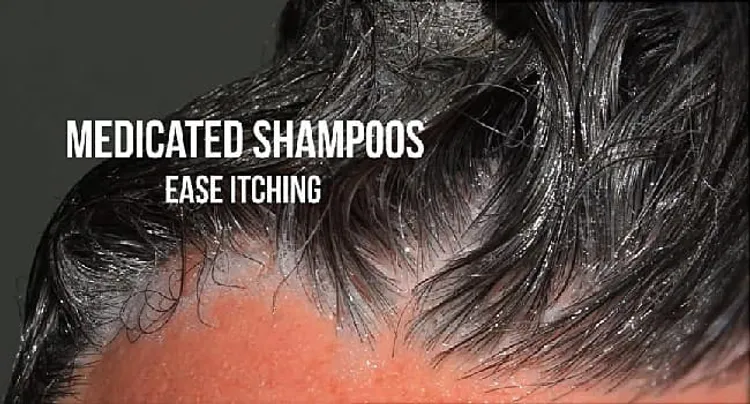
Medicated shampoos are often the first stop for mild scalp psoriasis. They can reduce scaling, itching, and buildup, especially when used consistently. Common active ingredients include salicylic acid, coal tar, zinc pyrithione, selenium sulfide, and ketoconazole. Not every ingredient targets psoriasis in the same way, but many can help manage flaking or irritation that makes scalp symptoms worse.
Salicylic acid shampoos work by softening and loosening scale. This makes plaques easier to remove gently and may help prescription medications reach the skin more effectively. However, using strong salicylic acid products too often can dry or irritate the scalp, so balance matters.
Coal tar shampoos are another classic option. Coal tar can slow excessive skin cell growth and reduce inflammation, scaling, and itching. It has a strong smell that some people describe as “campfire meets old pharmacy,” but for many users, it works well enough to earn its spot in the shower. Coal tar can make skin more sensitive to sunlight and may stain light-colored hair or fabrics, so label directions are important.
Scale Softeners
Scale softeners help loosen thick plaques before washing or applying medication. Products with salicylic acid, lactic acid, urea, or oils may be used to soften buildup. The key is gentle removal. Scratching or picking can worsen inflammation, cause bleeding, and sometimes contribute to temporary hair shedding. Think “soften and lift,” not “attack and regret.”
Moisturizers and Gentle Scalp Care
Moisturizing the scalp can reduce dryness and discomfort. Fragrance-free oils, gentle conditioners, and non-irritating scalp products may support the skin barrier. People with scalp psoriasis often do better when they avoid harsh fragrances, aggressive scrubs, tight hairstyles, and high-heat blow-drying. The scalp is already annoyed; it does not need a motivational speech from a 450-degree styling tool.
Prescription Topical Treatments
Topical Corticosteroids
Topical corticosteroids are among the most commonly prescribed treatments for scalp psoriasis because they work quickly to calm redness, itching, swelling, and scaling. They come in scalp-friendly forms such as solutions, foams, sprays, gels, oils, shampoos, and lotions. This matters because nobody wants to massage a greasy ointment through a full head of hair before school, work, or a date night.
High-potency corticosteroids may be used for short periods during flares, while milder options may be recommended for sensitive areas or maintenance. Long-term overuse can thin the skin or cause other side effects, so these medications should be used exactly as directed. Many dermatologists use a “burst and taper” approach: stronger treatment during a flare, then reduced frequency or a steroid-sparing medicine for maintenance.
Vitamin D Analogs
Vitamin D analogs, such as calcipotriene or calcitriol, help slow the rapid growth of skin cells. They may be used alone or with topical steroids. Combination products can be convenient because they target both inflammation and cell turnover. Vitamin D treatments may take longer to show results than steroids, but they are useful for longer-term control.
Tazarotene and Other Retinoids
Tazarotene is a topical retinoid that helps normalize skin cell growth. It may be helpful for plaque psoriasis but can irritate some skin types, especially when used too aggressively. It is not right for everyone, and it is especially important for people who are pregnant, trying to become pregnant, or breastfeeding to discuss medication safety with a clinician.
Anthralin
Anthralin is an older prescription treatment that slows skin cell growth. It can be effective, but it may stain skin, hair, towels, sinks, and the emotional stability of anyone who loves white bathroom decor. For this reason, it is usually used carefully and for limited contact time, often under medical guidance.
Phototherapy for Scalp Psoriasis
Phototherapy uses controlled ultraviolet light to slow skin cell growth and reduce inflammation. For scalp psoriasis, treatment can be challenging because hair blocks light from reaching the skin. Dermatologists may use targeted devices, comb-like UV tools, or excimer laser therapy to reach affected areas more precisely.
Phototherapy may be considered when topical treatments are not enough or when plaques are persistent. It requires consistency and medical supervision. Tanning beds are not a safe substitute because they deliver uncontrolled UV exposure and increase skin cancer risk. In other words, medical phototherapy is treatment; random tanning is not a clever shortcut.
Systemic Treatments for Moderate to Severe Scalp Psoriasis
When scalp psoriasis is severe, widespread, painful, or resistant to topical therapy, dermatologists may recommend systemic treatment. These medicines work throughout the body rather than only on the scalp. They are often used when psoriasis affects multiple body areas, nails, joints, or quality of life.
Oral Medications
Oral treatment options may include methotrexate, cyclosporine, acitretin, apremilast, or newer targeted therapies, depending on the patient’s medical history and psoriasis severity. These medications can be effective, but they require careful monitoring for side effects and interactions. Blood tests or regular checkups may be needed.
Biologic Medications
Biologics are injectable or infused medicines that target specific parts of the immune system involved in psoriasis. They may be recommended for moderate to severe psoriasis or psoriatic arthritis. Biologics have changed psoriasis care for many people, especially those who struggled for years with thick plaques and constant flares.
Examples include medications that target TNF-alpha, IL-17, IL-23, or IL-12/23 pathways. The best choice depends on symptoms, other health conditions, insurance coverage, infection risk, and treatment goals. Biologics are not casual “try it because TikTok said so” products; they require evaluation, screening, and ongoing medical follow-up.
How to Build a Practical Scalp Psoriasis Routine
A strong treatment routine usually combines medical treatment with realistic hair care. For example, a person with thick scale might use a scale softener before washing, a medicated shampoo several times weekly, and a prescription steroid foam during flares. Someone with mild symptoms might only need a salicylic acid shampoo twice a week and a gentle fragrance-free conditioner.
Here is a sample approach many dermatologists might adapt:
- Step 1: Soften thick scale before washing, if needed.
- Step 2: Use medicated shampoo as directed, letting it sit briefly before rinsing.
- Step 3: Apply prescription scalp medication to the skin, not just the hair.
- Step 4: Avoid scratching, picking, tight hairstyles, and harsh styling products.
- Step 5: Track flares and adjust treatment with a dermatologist.
The best routine is the one a person can actually follow. A perfect 12-step scalp ritual that takes 47 minutes and requires three towels, a timer, and the patience of a monk may look impressive, but it will not help if it only happens once.
Common Triggers That Can Worsen Scalp Psoriasis
Triggers vary, but common ones include stress, skin injury, infections, cold weather, smoking, heavy alcohol use, and certain medications. Hair dye, chemical relaxers, harsh shampoos, and aggressive brushing may also irritate the scalp. Not every flare has an obvious cause, but keeping a simple symptom diary can help identify patterns.
Stress management is not a cure, but it can support overall psoriasis control. Regular sleep, movement, balanced meals, and relaxation practices may help reduce flare frequency for some people. The goal is not to become a perfectly calm human cloud. The goal is to give the immune system fewer reasons to throw confetti made of skin flakes.
Can Scalp Psoriasis Cause Hair Loss?
Scalp psoriasis itself usually does not permanently damage hair follicles, but scratching, picking, inflammation, harsh treatments, or removing scale too aggressively can lead to temporary hair shedding. Hair often grows back once inflammation is controlled and the scalp heals. If hair loss is sudden, patchy, painful, or worsening, a dermatologist should evaluate it because other conditions may be involved.
When to See a Dermatologist
Professional care is especially important if scalp psoriasis covers a large area, bleeds, causes pain, interferes with sleep, leads to hair loss, or does not improve with over-the-counter treatments. A dermatologist can confirm the diagnosis, rule out similar conditions, and create a treatment plan that fits the person’s scalp, hair type, lifestyle, and overall health.
People should also seek medical advice if they have joint pain, morning stiffness, swollen fingers or toes, or nail changes. Psoriasis can be associated with psoriatic arthritis, and early treatment can protect joints.
Experience-Based Tips for Living With Scalp Psoriasis
Living with scalp psoriasis is not just about choosing the right medicine. It is also about learning how to make treatment fit into real life, where people have jobs, school, family, errands, and approximately seven minutes of patience in the morning. One of the most helpful lessons is to stop treating every flare like a personal failure. Scalp psoriasis is chronic and immune-driven. A flare does not mean someone did everything wrong; it means the condition needs attention.
Many people find that consistency beats intensity. Using a medicated shampoo exactly as directed two or three times a week may work better than using five products at once during a panic flare. A simple routine is easier to maintain: medicated shampoo on scheduled days, gentle shampoo on other days, prescription solution during flares, and a scale softener when plaques feel thick. The scalp appreciates predictability, even if the rest of life is powered by caffeine and calendar reminders.
Application technique matters. With prescription liquids, foams, or gels, the goal is to part the hair and apply the medicine directly to the scalp. Rubbing product over the hair like styling mousse wastes medicine and may leave plaques untreated. A nozzle-tip applicator can help reach the skin. Applying treatment at night may also reduce the stress of greasy-looking roots during the day.
For people with textured, curly, or coily hair, frequent washing may be drying or impractical. In that case, it is worth discussing hair-care habits with a dermatologist. Treatment can often be adjusted with oils, foams, solutions, or less frequent wash schedules. Scalp psoriasis care should respect hair type. A plan that ignores someone’s hair routine is not a plan; it is a wish wearing a lab coat.
Clothing choices can also help confidence during flares. Light-colored tops may make flakes less noticeable, while soft collars can reduce irritation around the neck. Keeping a small comb, travel-size moisturizer, or lint roller nearby can offer peace of mind. These little strategies do not treat inflammation, but they can reduce the emotional weight of visible flakes.
Another useful habit is photographing flares before appointments. Scalp psoriasis can behave like a mischievous guest: dramatic all week, then mysteriously calmer the day of the visit. Photos help dermatologists see severity, location, and progress over time. Tracking what products were used, how often, and what improved can also make appointments more productive.
Finally, patience matters. Some treatments reduce itching quickly, while scale and redness may take longer. If a treatment burns, worsens symptoms, or feels impossible to use, that does not mean treatment has failed forever. It may simply mean the form, strength, schedule, or diagnosis needs adjustment. The best scalp psoriasis treatment option is not always the fanciest one. It is the one that is safe, effective, and realistic enough to become part of life without taking over life.
Conclusion: Finding the Right Scalp Psoriasis Treatment Option
Scalp psoriasis can be stubborn, but it is highly treatable. Options range from medicated shampoos and scale softeners to prescription topical steroids, vitamin D analogs, phototherapy, oral medications, and biologics. Mild cases may respond well to over-the-counter care, while moderate to severe cases often need a dermatologist-guided plan.
The most effective approach usually combines medical treatment, gentle scalp care, trigger awareness, and patience. With the right routine, scalp psoriasis can become manageable instead of constantly disruptive. Your scalp may still have opinions, but with good treatment, it does not have to run the whole meeting.