Note: Fort Louise has since closed, so this article is written as a retrospective restaurant visit based on documented restaurant details, menu coverage, neighborhood context, and design reporting.
Some restaurants try to impress you before you even sit down. They flash polished marble, impossible reservations, and menus that require a minor in botany. Fort Louise in Nashville took a warmer route. It invited people into what felt less like a “concept” and more like a friend’s houseassuming that friend had excellent taste, a serious comfort-food streak, and the good sense to put a fireplace near the center of the room.
Located in East Nashville’s Inglewood neighborhood, Fort Louise became known for chef-driven American comfort food served in a converted bungalow. The restaurant leaned into the idea that comfort is not the opposite of style. In fact, when done well, comfort is style. A cozy room, familiar flavors, thoughtful service, and a patio that made people want to lingerthose were the ingredients that helped Fort Louise stand out in a city already packed with strong food opinions.
This restaurant visit looks back at what made Fort Louise memorable: the design, the menu, the neighborhood energy, and the way it turned casual dining into something that felt personal without becoming precious. Nashville has no shortage of big flavors, but Fort Louise had a quieter superpower: it made guests feel taken care of.
Fort Louise and the Art of Feeling at Home
The phrase “comfort first” can sound simple, but in restaurant design and hospitality, it is actually a demanding promise. Comfort requires more than soft seating or a plate of fried chicken. It asks whether guests know where to look, where to sit, how to relax, and whether the room gives them permission to enjoy themselves without performing sophistication.
Fort Louise understood that balance. Its residential exterior gave the restaurant an immediate sense of welcome. Instead of walking into a cold dining room that felt dropped from a design catalog, guests entered a space that still carried the bones of a home. That mattered. The bungalow format helped shape the entire experience, from the front porch to the dining room to the back patio.
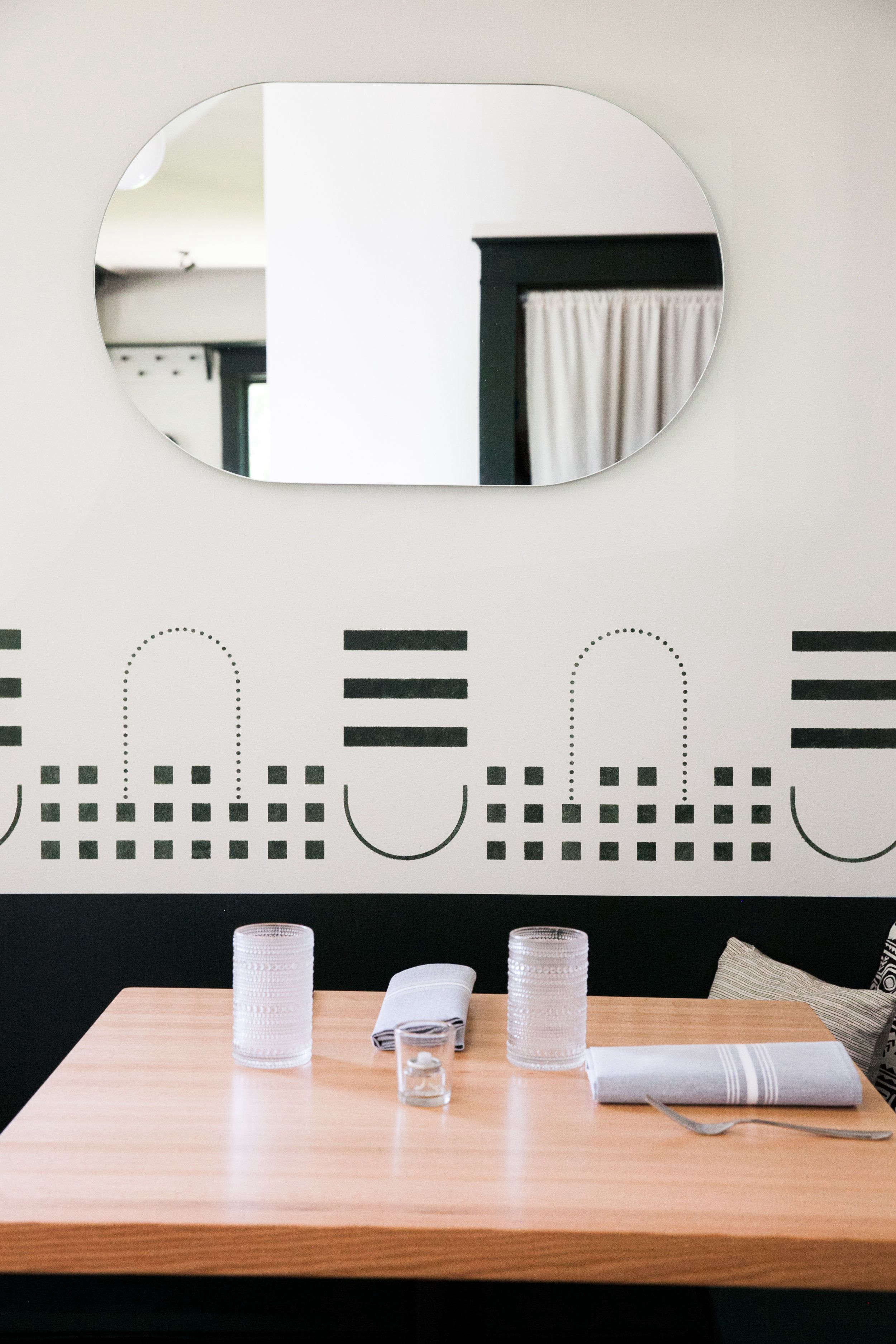
The restaurant’s design story was rooted in warmth, but it avoided becoming overly nostalgic. Original wood floors, a central brick fireplace, and green-painted trim created a sense of age and character. Yet the stenciled patterns and confident color choices gave the room a fresh personality. It was old-house charm with a little winklike your stylish aunt who owns vintage glassware and somehow makes meatloaf feel glamorous.
The Neighborhood: Why Inglewood Mattered
Fort Louise did not exist in a vacuum. Its identity was tied closely to Inglewood, a part of East Nashville known for residential streets, local businesses, creative energy, and a quieter rhythm than the tourist-heavy areas closer to downtown. Inglewood’s appeal has often come from its mix of neighborhood familiarity and independent spirit. It is the kind of place where a restaurant can become part of someone’s weekly routine instead of just a destination for one big night out.
That was one of Fort Louise’s strengths. It was not trying to be Broadway. It was not built for neon chaos, bachelorette sashes, or a dinner soundtrack competing with a pedal tavern. It was built for families, date nights, weekend brunch, friends catching up, and neighbors who wanted a dependable place to eat well without putting on a costume.
The restaurant’s neighborhood-focused model gave it a different kind of charm. A great neighborhood restaurant needs to be flexible. It should handle a casual lunch, a birthday dinner, a low-pressure first date, and a Sunday brunch where everyone pretends they are “just getting coffee” before ordering half the menu. Fort Louise seemed designed for exactly that kind of everyday use.
Design Details That Made the Room Work
The Fireplace as the Emotional Center
One of the most memorable design elements at Fort Louise was the original brick fireplace. In many homes, the hearth naturally becomes the anchor of the room, even when nobody is lighting a fire. It signals gathering. It gives the eye somewhere to land. It says, “Stay a little longer,” which is exactly what a restaurant wants without actually begging.
At Fort Louise, the brickwork was painted white and treated with a stenciled checker pattern, giving the historic detail a playful update. This choice mattered because it showed the restaurant’s broader personality: respectful of the old structure, but not trapped by it. The design did not whisper, “Please admire my authenticity.” It simply made the room feel lived-in, bright, and inviting.
Green Trim, Banquettes, and a Richer Palette
The restaurant’s use of deep green on trim, beams, and banquettes gave the interior a grounded, calm feeling. Green is a clever restaurant color when used thoughtfully. It can feel botanical, classic, moody, or fresh depending on the shade. At Fort Louise, the green added depth without making the room feel heavy.
This was not the kind of dining room where every surface shouted for attention. Instead, the details worked together. The aged floors brought texture. The fireplace brought warmth. The green trim brought confidence. The stenciling brought personality. The result was a space that looked designed, but still comfortable enough for someone to order a burger without feeling underdressed.
The Factory Window and Cocktail-Bar Glimpse
Another clever design detail was an old factory window that separated the dining room from the back-of-house bar area. Instead of treating that division as a problem, Fort Louise turned it into a little moment of theater. Guests could catch a glimpse of drinks being prepared, adding movement and curiosity to the room.
Restaurants succeed when they understand sightlines. A guest should never feel trapped in a blank box. A window, a view into the kitchen, a busy bar, or even a beautifully arranged shelf can make a room feel alive. Fort Louise used this small architectural feature to create energy without sacrificing intimacy.
The Menu: American Comfort Food With a Chef’s Hand
Fort Louise’s menu was built around American comfort cuisine, but it was not limited to the predictable greatest hits. Yes, the restaurant served burgers, fried chicken, ribs, steak, and brunch dishes, but the details gave the menu a more chef-driven personality.
Examples from the menu included Thai chili wings with cilantro-sour cream, monkey bread, housemade potato chips with blue cheese and scallions, curry fried chicken with local honey and benne seed cornbread, baby back ribs with coconut barbecue, roasted fish, a Double Fort Burger, and hanger steak with Boursin polenta and chimichurri. That list tells you almost everything about the restaurant’s style. It was familiar, but not sleepy. Southern-leaning, but not boxed in. Casual, but not careless.
The best comfort food often works because it gives guests something they recognize, then adds one memorable twist. Fort Louise seemed to understand that a dish does not need twelve surprises. One strong idea is enough. Curry fried chicken? Clear. Coconut barbecue ribs? Interesting. Hanger steak with polenta and chimichurri? Comfort with a passport stamp.
Why Fort Louise’s Comfort Food Felt Modern
Modern comfort food is not just about making classic dishes heavier. The old formulaadd more butter, add more cheese, call it “decadent”can quickly become exhausting. Fort Louise’s approach felt more balanced. It used bold flavors, global accents, and polished technique while keeping the emotional core of the food familiar.
That is a smart way to cook in Nashville. The city respects tradition, but it also rewards creativity. Diners know fried chicken, biscuits, barbecue, and brunch staples. They also know when a restaurant is simply leaning on nostalgia without adding anything new. Fort Louise’s menu gave guests enough comfort to relax and enough novelty to pay attention.
The restaurant’s chef-driven angle also helped separate it from a standard casual spot. Comfort food can be technical. Great fries require texture. A good burger depends on ratio and restraint. Fried chicken needs seasoning, timing, moisture, and crunch. A brunch menu must please both the person who wants something sweet and the person who believes breakfast is merely dinner wearing a cardigan. Fort Louise’s menu showed that casual food still benefits from serious craft.
Brunch, Dinner, and the Power of Flexibility
Fort Louise served brunch on weekends and dinner through much of the week, giving it the flexibility of a true neighborhood restaurant. Weekend brunch included dishes such as challah French toast, braised pork chilaquiles, avocado toast, and the Double Fort Burger. In other words, it knew the three major brunch personalities: sweet breakfast loyalists, savory brunch strategists, and burger people who refuse to be limited by the clock.
That range mattered because brunch is more than a meal in Nashville. It is a social event, a recovery plan, a family outing, and occasionally a group negotiation conducted over coffee. A restaurant that handles brunch well understands pacing. Guests want comfort, but they also want energy. They want food that feels special without requiring them to decode the plate before noon.
Dinner at Fort Louise leaned into larger plates and shareable comfort. The menu had enough range for different moods, whether someone wanted a casual burger, a plate of ribs, seafood, or steak. That flexibility is often what turns a good restaurant into a repeat restaurant. A place becomes part of your life when it works for more than one occasion.
The Patio: Nashville Nights Done Right
A restaurant patio can be a risky promise. Some are little more than chairs placed near traffic, where guests enjoy a special tasting menu of exhaust and regret. Fort Louise’s back patio, however, was one of its strongest features. The brick patio could hold a sizable crowd and doubled the restaurant’s seating capacity. It was also dog-friendly and shaded by a magnolia tree wrapped in string lights.
That is a deeply Nashville kind of magic. A good patio in this city does not need to be flashy. It needs atmosphere, airflow, enough room to breathe, and lighting that makes everyone look like they are having a better week than they probably are. Fort Louise’s patio gave the restaurant a second personality: cozy bungalow inside, relaxed backyard gathering outside.
The patio also reinforced the “coming over for dinner” idea. It made the restaurant feel less transactional. Guests were not simply seated, served, and moved along. They were invited to settle in. That subtle difference is what separates hospitality from table management.
Service and Atmosphere: Casual Without Being Careless
The most successful casual restaurants do not confuse relaxed service with inattentive service. Fort Louise’s identity depended on making people comfortable, but that comfort still required structure. A guest should feel free to ask questions, split plates, linger a little, and come dressed as themselves. But the restaurant still needs to run smoothly.
Fort Louise’s public reputation pointed toward friendly, capable service and a room that worked for different kinds of diners. That matters because comfort is cumulative. The chairs, the lighting, the menu, the staff, the timing of the food, the temperature of the roomall of it adds up. One bad detail can break the spell. One thoughtful detail can save the night.
At its best, Fort Louise seemed to understand that people remember how a restaurant made them feel as much as what they ordered. A perfect plate is wonderful. A perfect plate in a room where you feel rushed, ignored, or overmanaged is less wonderful. Fort Louise’s charm came from combining food and feeling.
What Fort Louise Revealed About Nashville Dining
Fort Louise opened during a period when Nashville’s restaurant scene was expanding rapidly. The city was no longer known only for hot chicken, meat-and-three restaurants, and country music tourism. It was becoming a serious dining city with national attention, chef-led neighborhood restaurants, design-forward spaces, and a growing appetite for places that reflected local communities.
In that context, Fort Louise represented a particular Nashville ideal: polished but not stiff, stylish but not sterile, Southern but not stuck in the past. It did not need to be the loudest restaurant in town. It succeeded by being specific. The bungalow setting, the personal name, the homey design, and the comfort-driven menu all pointed in the same direction.
That kind of clarity is valuable for any restaurant. Diners can sense when a place knows what it wants to be. Fort Louise wanted to be a neighborhood dining room with heart, flavor, and style. Even after its closure, that idea remains relevant for restaurants trying to build loyalty in a competitive market.
Lessons From Fort Louise for Restaurant Lovers and Owners
Comfort Is a Strategy, Not an Accident
Fort Louise showed that comfort can be designed. It comes from layout, materials, menu language, lighting, service style, and even how a restaurant uses its building. The bungalow was not just a container for tables; it shaped the concept.
A Strong Restaurant Does Not Need to Shout
Some of the most memorable restaurants are not the flashiest. They are the places that know how to make Tuesday dinner feel like a small occasion. Fort Louise did that by focusing on warmth and familiarity.
Neighborhood Restaurants Need Range
A neighborhood spot has to serve multiple needs. Fort Louise offered brunch, dinner, casual plates, larger entrees, indoor charm, and outdoor seating. That variety made it useful, not just attractive.
Design Should Support the Food
The interior did not compete with the menu. Instead, it amplified the food’s message: familiar, thoughtful, slightly playful, and rooted in hospitality.
Extended Experience Notes: What a Fort Louise Visit Felt Like
Imagine arriving at Fort Louise just before dinner, when the day is still bright but the neighborhood has started to soften. McGavock Pike has that lived-in East Nashville feelinglocal, a little eclectic, and far removed from the polished tourist machine across the river. From the outside, the restaurant’s bungalow shape immediately lowers your shoulders. There is no grand entrance demanding that you behave. It feels like the kind of place where someone might hand you a plate before they hand you a lecture.
The porch sets the tone. A porch is a small architectural miracle because it slows people down before they even enter. It gives a restaurant a breath between the street and the dining room. At Fort Louise, that transition mattered. By the time you stepped inside, you were already halfway out of your daily hurry.
Inside, the room felt arranged around warmth rather than spectacle. The fireplace acted like a visual host. The aged floors gave the space texture, and the deep green details made the room feel collected rather than decorated overnight. It was the kind of interior where you might notice one detail immediately, then discover another fifteen minutes later while waiting for food. That is a good sign. Restaurants with layers tend to age better in memory.
A smart order at Fort Louise would have started with something snacky and bold. Housemade chips with blue cheese and scallions would fit the mood perfectly: familiar enough to be fun, dressed up enough to feel restaurant-worthy. Thai chili wings would bring a brighter, spicier direction. Monkey bread would be the table’s conversation starter, because few phrases make adults happier than “pull-apart bread.” It is basically edible teamwork.
For the main event, the curry fried chicken bucket would likely be the dish that captured the restaurant’s personality best. Fried chicken is already comfort royalty, but the curry note and local honey gave it a more distinctive identity. It was not trying to replace Southern fried chicken tradition. It was adding a new accent to it. The baby back ribs with coconut barbecue would have played a similar role, bringing sweetness, smoke, and a little tropical lift to a familiar plate.
The Double Fort Burger would have been the safe order, but not in a boring way. Every good neighborhood restaurant needs one dish that tells uncertain guests, “Relax, you are in good hands.” A well-built burger does exactly that. It is democratic, dependable, and brutally honest. If a kitchen cannot handle a burger, trust becomes difficult. Fort Louise’s burger belonged to the part of the menu designed for repeat visitsthe food you order when you are not trying to impress anyone, including yourself.
On a nice evening, the back patio would have been the move. A magnolia tree, string lights, and a brick surface create the kind of setting restaurants spend a lot of money trying to fake. The best patios make time feel loose. People order one more plate. Someone tells a longer story than necessary. A dog under a nearby table becomes a minor celebrity. The meal shifts from dinner to gathering.
The most memorable part of a Fort Louise visit would not have been one single dish or design feature. It would have been the combination: a restaurant that felt stylish without making comfort feel unsophisticated. That is harder than it sounds. Too much polish can make a room cold. Too much casualness can make it feel unfinished. Fort Louise found a middle lane where guests could eat well, sit comfortably, and feel like the restaurant had been made for people rather than photographs.
Looking back, that may be the real reason Fort Louise remains worth writing about. Restaurants close for many reasons, especially in competitive dining cities, but a strong hospitality idea can outlive the business itself. Fort Louise offered a reminder that comfort is not a fallback. Comfort is a point of view. In Nashville, where hospitality has deep roots and diners know the difference between warm and merely trendy, that point of view still matters.
Conclusion: Why Fort Louise Still Feels Worth Remembering
Fort Louise may no longer be serving brunch, burgers, fried chicken, or patio dinners in Inglewood, but its story remains useful and appealing. It captured a moment in Nashville dining when neighborhood restaurants were becoming more ambitious without losing their local soul. It also proved that a restaurant can be design-forward without feeling cold, chef-driven without feeling fussy, and comfortable without becoming predictable.
The restaurant’s best idea was simple: invite people in and make them feel at ease. Everything else supported that missionthe bungalow, the fireplace, the green trim, the menu, the patio, and the relaxed sense of welcome. In a food culture often obsessed with novelty, Fort Louise made a persuasive case for something more lasting: the pleasure of feeling at home while eating something better than what most of us can cook on a weeknight.
For anyone thinking about Nashville restaurants, restaurant design, or the enduring appeal of American comfort food, Fort Louise remains a fine case study. It was not just about what was on the plate. It was about the feeling around the plate. And sometimes, that is what turns a restaurant visit into a memory.