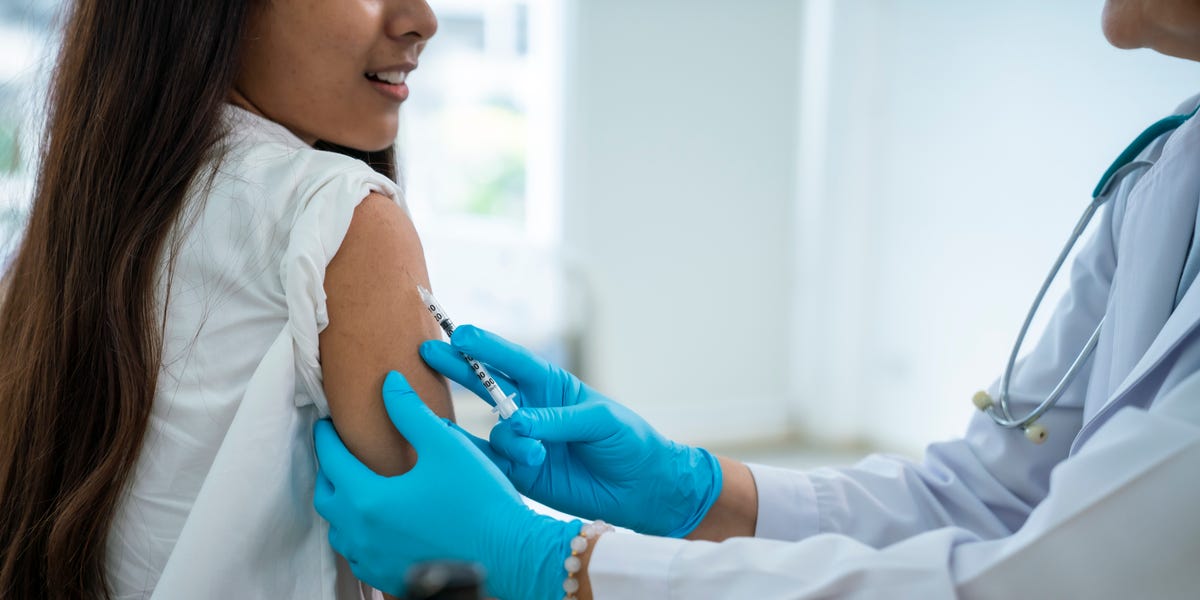
If you are a parent, the HPV vaccine may sound like one of those topics that shows up in a checkup, gets mentioned in passing, and then suddenly becomes a full family debate in the car ride home. One minute you are nodding along in the exam room. The next minute you are googling acronyms, wondering why a vaccine for a virus your child does not have needs to happen now.
Here is the big picture: the HPV vaccine is not really about “right now.” It is about protecting your child years before exposure, so their immune system is ready long before the virus has a chance to cause trouble. That matters because HPV, or human papillomavirus, is incredibly common, and some types can lead to cancers later in life. In plain English, this is one of the rare moments in parenting when a few shots today can help prevent a very serious problem tomorrow.
This guide breaks down what the HPV vaccine does, when kids should get it, how safe it is, what side effects are normal, and what parents usually worry about but may not need to lose sleep over. Think of it as your calm, practical, no-drama handbook for one of the most important vaccines in the teen years.
What Is HPV, and Why Does It Matter So Much?
HPV is a group of related viruses spread through intimate skin-to-skin contact. Most people will be exposed to HPV at some point in life, often without ever knowing it. In many cases, the body clears the infection on its own. But some HPV types can stick around, and persistent infection is where the real concern begins.
Certain strains of HPV are linked to cancers of the cervix, anus, penis, vulva, vagina, and the back of the throat, also called the oropharynx. Other strains can cause genital warts. That means the HPV vaccine is not just another school-age box to check. It is a cancer-prevention tool. And that is the message many pediatricians, cancer specialists, and public health experts want parents to hear first.
In fact, this is one of the strongest reasons to vaccinate both boys and girls. HPV does not care about gender, and neither should cancer prevention.
What Does the HPV Vaccine Protect Against?
The HPV vaccine used in the United States is Gardasil 9. It protects against nine HPV types, including the ones most commonly linked to cancer and genital warts. That broad protection is why the vaccine has become such a major part of adolescent preventive care.
What makes the vaccine especially valuable is timing. It works best before exposure to HPV. That is why the recommendation focuses on preteens and young teens, not because doctors think your 11-year-old has a secret nightlife, but because younger immune systems respond very well and because prevention works best before the virus enters the picture. Science loves a head start.
When Should Kids Get the HPV Vaccine?
The routine age: 11 to 12
The standard recommendation is for kids to get the HPV vaccine at age 11 or 12. It can also be started at age 9. Some pediatricians prefer to begin at 9 or 10 because it gives families more flexibility, reduces the chance of missed opportunities, and can make the vaccine feel like a routine part of the childhood schedule instead of “the awkward one.”
Why starting earlier can be smart
Starting earlier does not mean your child is at higher risk. It means you are being proactive. Preteens tend to mount a strong immune response, and parents often find it easier to complete the series before sports schedules, braces appointments, marching band, and the general chaos of adolescence take over the family calendar.
Catch-up vaccination
If your child or teen did not get vaccinated on time, do not panic and do not assume the moment has passed. Catch-up vaccination is recommended through age 26. For adults ages 27 through 45, vaccination may still make sense in some situations, but that becomes a conversation with a healthcare provider rather than a routine recommendation.
How Many Doses Does Your Child Need?
Two doses for most kids who start before age 15
If your child gets the first dose before their 15th birthday, they will usually need two doses total. The second dose is typically given 6 to 12 months after the first. That is the standard schedule for most healthy preteens and younger teens.
Three doses if the series starts later
If the first dose is given at age 15 or older, three doses are recommended. The same three-dose schedule is also recommended for people ages 9 through 26 who have certain immunocompromising conditions, because their immune systems may need the extra help.
One small timing detail parents should know
If two doses are given too close together, the series may not count as complete. In practical terms, that means it is worth double-checking the schedule with your child’s doctor or clinic so you do not accidentally turn “all done” into “surprise, one more shot.”
Is the HPV Vaccine Safe?
Yes. The HPV vaccine has been studied extensively and monitored for years. Major U.S. health organizations continue to recommend it because the evidence shows that it is safe, effective, and provides long-lasting protection.
This is where many parents want the straight answer, so here it is: no serious pattern of harm has been established that would outweigh the benefits of vaccination. Like all vaccines, it can cause side effects, but the most common ones are mild and short-lived. The overall safety profile is reassuring, and that is why pediatricians keep recommending it with a straight face and a steady voice.
Common side effects
- Pain, redness, or swelling where the shot was given
- Headache
- Fever
- Nausea
- Tiredness
- Dizziness
Fainting can happen after the HPV vaccine, especially in adolescents, but that is not unique to this shot. It can happen after other vaccines and even after blood draws. That is why clinics often have kids sit or lie down for about 15 minutes after vaccination. It is a simple step that helps prevent tumbles and dramatic hallway moments.
Does the HPV Vaccine Cause Fertility Problems?
This is one of the biggest myths parents hear, and it continues to circulate because misinformation has excellent cardio. But the evidence does not support the claim that the HPV vaccine causes infertility.
In fact, experts often point out the opposite concern: HPV-related cancers and precancers can require treatments that may affect fertility later on. Preventing those diseases can help protect future reproductive health rather than harm it.
So if someone tells you the HPV vaccine threatens your child’s ability to have children someday, that warning is not backed by the best available evidence.
Does Getting the Vaccine Encourage Sexual Activity?
Many parents have quietly wondered this, even if they do not say it out loud in the exam room. The short answer is no. The purpose of the vaccine is to prevent infection before exposure, not to send a social message, issue a permission slip, or launch your child into romance like a streaming drama pilot episode.
Doctors recommend the HPV vaccine at the same age they recommend other adolescent vaccines because that is when prevention works best. Framing it as routine cancer prevention tends to be the clearest, calmest, and most medically accurate way to understand it.
How Effective Is the HPV Vaccine?
The HPV vaccine is highly effective at preventing infection from the HPV types it targets when it is given before exposure. Real-world results have been encouraging. In the United States and other countries with strong vaccination programs, rates of vaccine-type HPV infections, genital warts, and cervical precancers have dropped significantly in younger vaccinated groups.
That is the part parents should not miss: this is not a theoretical benefit living in a lab coat. The vaccine has shown measurable impact in the real world. It is doing the job it was designed to do.
Experts also say protection appears to last a long time, with no evidence that immunity suddenly vanishes like your child’s hoodie collection.
What If My Child Already Has HPV?
The vaccine prevents new HPV infections. It does not treat an infection that is already there, and it does not treat cancer or precancer caused by HPV. But that does not always mean vaccination is pointless if someone has had HPV exposure. Because there are multiple HPV types, a person may still benefit from protection against strains they have not encountered.
This is one reason doctors may still recommend catch-up vaccination for teens and young adults who missed the earlier schedule.
Do Vaccinated Kids Still Need Screening Later?
Yes. This is especially important for girls and anyone with a cervix as they become adults. The HPV vaccine dramatically reduces risk, but it does not protect against every cancer-causing HPV type. That is why regular cervical cancer screening is still recommended later in life, even for vaccinated people.
Parents sometimes hear “prevents cervical cancer” and understandably assume that future screening can go in the trash with old soccer snack schedules. Not quite. The vaccine is a powerful layer of protection, but it does not replace screening.
Questions Parents Should Ask at the Appointment
If you are still unsure, here are useful questions to bring to your child’s next visit:
- Is now the right time for my child to start the HPV vaccine series?
- Will my child need two doses or three?
- When should we schedule the next dose?
- Can this vaccine be given with other routine vaccines at the same visit?
- What side effects should I expect after the shot?
- What should I do if we miss the follow-up dose window?
These questions help turn a vague concern into a practical plan, which is usually where parental stress begins to shrink.
How Parents Can Talk to Kids About the HPV Vaccine
You do not need a dramatic family meeting with a slideshow. For younger kids, a simple explanation is enough: “This vaccine helps protect you from certain cancers when you are older.” That message is honest, age-appropriate, and medically accurate.
For older kids and teens, you can add a little more context. Explain that HPV is a very common virus, that the vaccine works best before exposure, and that this is a normal part of preventive care. Keep it calm. Keep it factual. Keep it free of panic and free of mystery. When parents speak about the vaccine like it is routine healthcare, kids often take their cue from that tone.
Why Some Parents Hesitate and Why Many Decide to Go Ahead
Parents hesitate for all kinds of understandable reasons. Some want more time. Some worry because the vaccine is linked to a sexually transmitted infection. Some have heard myths online. Some simply feel caught off guard because no one likes making a medical decision in the six-minute window between “How has school been?” and “Okay, the nurse will be right in.”
But many parents who initially pause end up saying yes after learning three things: HPV is common, the vaccine is safest and most effective before exposure, and it helps prevent several cancers. Once the conversation moves away from stigma and toward long-term health, the decision often becomes much clearer.
Parent Experiences: What This Decision Often Looks Like in Real Life
For many families, the HPV vaccine journey does not begin with a dramatic medical revelation. It begins with a routine well-child visit and a pediatrician saying, “Today we recommend Tdap, meningococcal, and HPV.” Parents often nod at the first two and then mentally hit the brakes at the third. Not because they are anti-vaccine, but because HPV feels less familiar and somehow more loaded. The name sounds technical, the internet is noisy, and suddenly a perfectly normal appointment starts to feel like a pop quiz no one studied for.
A common parent experience is surprise. Many moms and dads assume the HPV vaccine is something to think about later, maybe in high school, maybe when dating enters the picture, maybe sometime after they figure out what happened to all the forks in the house. Then they learn that the recommended window is earlier, around ages 11 to 12, and sometimes starting at age 9. At first, that can feel too soon. But once doctors explain that the goal is prevention well before exposure, many parents say the recommendation makes much more sense.
Another common experience is the “I just want to read more first” stage. Parents go home, search reputable sites, ask friends, and sometimes discover that the friend group is a terrible substitute for evidence. One person says it is essential. Another says they delayed it. Someone’s cousin’s neighbor’s Facebook post makes a guest appearance. This is often the turning point when families either get lost in myths or settle into solid, evidence-based information. Parents who rely on pediatric guidance and major medical sources usually come away feeling more confident, especially once they understand the vaccine’s role in preventing cancer.
Some parents also describe relief after framing the shot in simpler terms. Instead of thinking of it as “the STI vaccine,” they begin thinking of it as “the cancer-prevention vaccine my child gets in preteen years.” That shift matters. It lowers the emotional temperature and helps families focus on health rather than awkwardness. Kids themselves often handle the news better than adults expect. Many just want to know whether the shot will hurt, whether they can still go to soccer practice, and whether they can get a snack afterward. Honestly, that is a refreshingly efficient approach to medicine.
There is also the experience of timing challenges. Some families mean to vaccinate but get tripped up by schedule overload, missed appointments, insurance changes, or simple life chaos. The first dose happens, then months fly by, and suddenly a parent is digging through portal messages like an archaeologist. That is more common than people think. The good news is that missed timing does not usually mean starting over. It just means reconnecting with the clinic and finishing the series correctly.
Parents of older teens often report a different feeling: regret mixed with urgency. They wish they had started sooner, but they are grateful catch-up vaccination is still an option. For them, the experience is less about deciding whether the vaccine matters and more about making sure the window does not close. And when the series is complete, many describe the same emotion in very different words: peace of mind. Not because parenting suddenly becomes easy, but because one meaningful step has been taken to protect their child’s future health.
Final Thoughts
The HPV vaccine is one of the clearest examples of preventive medicine doing what it is supposed to do: step in early, lower risk, and potentially stop cancer before it starts. For parents, that makes the decision important, but it does not have to make it scary.
If your child is in the recommended age range, talk with your pediatrician and make a plan. Ask questions. Get the schedule right. Bring water and maybe a post-shot treat. Then enjoy the rare parenting win that comes with doing something small today that may matter enormously years from now.
That is not hype. That is good prevention.