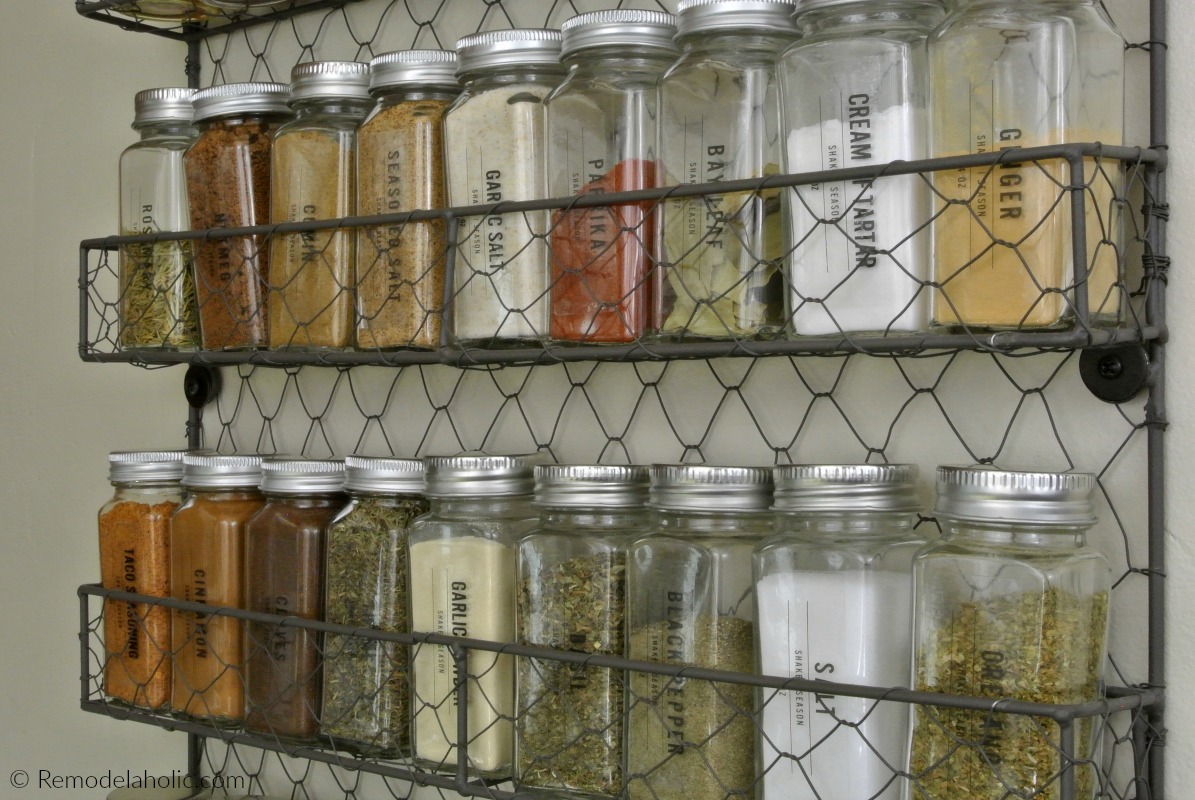
There are few kitchen problems more humbling than owning three jars of paprika, none of them full, while somehow being unable to find the garlic powder. A modern farmho problem: it gives everyday cooking a calm, collected backdrop. Add printable spice labels, and suddenly your pantry looks less like a cabinet that survived a windstorm and more like a thoughtful part of your home.
The best part is that this project does not require a custom kitchen, a carpenter named Beau, or an alarming number of Mason jars. With a simple label system, a few matching containers, and a storage setup that reflects how you actually cook, you can create a spice rack and pantry that are both useful and unmistakably yours.
Why Printable Spice Labels Work So Well in a Modern Farmhouse Kitchen
Modern farmhouse style is often described as warm, practical, and slightly nostalgic. It mixes clean lines with natural texture: white cabinets, soft neutrals, wood accents, black hardware, woven baskets, and materials that look better after they have actually been used. A spice rack can fit this look beautifully, but only when it does not resemble a crowded row of mismatched bottles from five different decades.
Printable spice labels bring visual order without making a kitchen feel stiff or overly polished. A consistent font, label shape, and color palette let even inexpensive jars look intentional. More importantly, labels make cooking easier. When every jar is easy to identify from the front, top, or both, dinner prep becomes faster and far less likely to involve a mystery scoop of something that may or may not be cumin.
For a modern farmhouse pantry, the goal is not museum-level perfection. The goal is a system that is easy to use on a busy Tuesday and still looks pleasant when the cabinet door swings open on Saturday morning.
Start With the Storage Plan, Not the Pretty Paper
Printable labels are the finishing touch, not the first decision. Before choosing a script font or ordering sticker paper, take a quick inventory of your spices and where they live now. Pull everything out, group duplicate jars together, and toss anything that has lost its fragrance, color, or culinary will to live.
Then decide how you want to access your collection. The smartest modern farmhouse spice rack is not necessarily the one with the most photogenic jars. It is the one that puts frequently used seasonings where your hand naturally reaches for them.
Choose a Spice Storage Style That Matches Your Kitchen
- Drawer storage: Best for cooks who want to see labels from above. Use lid labels and shallow drawer inserts to keep jars from rolling around like tiny glass bowling pins.
- Cabinet shelf storage: A good choice for compact kitchens. Tiered risers make the back row visible, while front labels keep the display easy to scan.
- Wall-mounted spice rack: Ideal for a farmhouse-inspired kitchen with open shelving, a backsplash wall, or a narrow empty stretch beside the stove.
- Pantry shelf storage: Works well for larger collections, refill bags, baking spices, and seasoning blends. Small baskets or bins can separate everyday spices from specialty ingredients.
- Cabinet-door rack: A practical option when shelf depth is limited. Just measure carefully so jars do not bump into the shelves when the door closes.
Think in zones. Place everyday seasonings such as salt, black pepper, garlic powder, onion powder, paprika, and Italian seasoning closest to the stove or primary prep area. Baking spices can live together in the pantry. Whole spices, blends, dried chiles, and less frequently used ingredients can occupy the less convenient real estate without causing a dinner-time scavenger hunt.
Build a Printable Spice Label Collection That Looks Custom
A printable spice label set should feel coordinated, but it does not need to be complicated. The most useful designs prioritize readability first and charm second. You can absolutely use a sweet hand-lettered font, but not if it turns “coriander” into an interpretive dance.
Pick a Modern Farmhouse Label Style
For a classic modern farmhouse look, use one or two fonts at most. A clean serif font paired with a simple script accent works well. Black lettering on white, cream, kraft brown, or clear labels creates a timeless appearance. Soft sage, muted charcoal, dusty blue, and warm taupe can also work beautifully when used sparingly.
Label shapes help reinforce the overall look. Rectangular labels feel neat and practical on square jars. Oval labels soften the appearance of round jars. Round labels are especially useful for lids in a drawer. For a more handmade feel, choose a subtle arched label or a small banner shape, but keep the text size generous enough to read at a glance.
What to Include on Each Spice Label
The front label should usually include the spice name in large, clear lettering. That is enough for most jars. If you buy in bulk, transfer spices from refill bags, or enjoy an aggressively organized pantry, add a small secondary line on the side or back with the date opened or a “best by” reminder.
For example, a front label might say Smoked Paprika. A smaller back label can include Opened: March 2026. This tiny detail helps you rotate older spices before opening another bag, which is excellent news for flavor and slightly disappointing news for the collection of mystery jars hiding in the back.
Essential Names for a Starter Printable Label Sheet
Your first sheet should cover the spices you use most often rather than every seasoning ever discovered by humanity. Consider including:
- Garlic Powder, Onion Powder, Black Pepper, Sea Salt, Kosher Salt
- Paprika, Smoked Paprika, Chili Powder, Cayenne Pepper, Red Pepper Flakes
- Cumin, Curry Powder, Turmeric, Coriander, Mustard Powder
- Oregano, Basil, Thyme, Rosemary, Sage, Parsley
- Cinnamon, Nutmeg, Ground Ginger, Cloves, Allspice
- Italian Seasoning, Taco Seasoning, Poultry Seasoning, Everything Bagel Seasoning
Always include blank labels. New seasonings have a way of appearing in the pantry right after you proudly declare the project finished.
How to Design, Print, and Apply DIY Spice Jar Labels
Printable spice labels are easy to make at home with a word-processing program, label-template platform, or design app. Start by measuring your jars before setting up the layout. This is the step people skip right before discovering that their beautiful label wraps around the curve and disappears into another dimension.
Measure Before You Design
Measure the flat area on the front of each jar, not the entire jar width. Leave a small margin around the label so it does not curl at the edges. For lid labels, measure the flat top surface and avoid placing a large sticker over raised logos or ridges.
For most standard spice jars, a slim rectangular front label and a small round lid label create the most flexible system. If your jars will sit in a drawer, prioritize lids. If they will sit on open shelves, prioritize fronts. If you want the pantry to look tidy from every angle, use both.
Choose the Right Material
Matte white sticker paper offers a crisp, classic look and works especially well with black text. Kraft labels add rustic warmth, though they can be harder to read in dim cabinets. Clear labels are sleek and nearly disappear on glass, making the spices themselves the visual feature. Water-resistant labels are a good choice for jars that are frequently wiped down or live near the stove.
If you are using regular paper labels, avoid placing jars directly beside steam, splatter, or a particularly enthusiastic pasta-sauce operation. Clean, dry jar surfaces before applying stickers, then press from the center outward to reduce bubbles.
Print a Test Sheet First
Use ordinary printer paper for a test run before feeding label sheets into the printer. Hold the test page over the labels to check alignment. This five-minute step can save an entire sheet of labels from becoming expensive modern art.
Print in high-quality mode for sharp letters, especially on small labels. Let the ink dry completely before cutting or handling the sheet. If your printer tends to smudge, select a matte label material or use a laser printer when available.
Modern Farmhouse Spice Rack Ideas That Actually Function
A lovely rack is wonderful, but a lovely rack that cannot hold the spices you own is simply a tiny decorative shelf with confidence issues. Design around your actual collection and cooking habits.
Use Matching Jars Without Becoming Too Precious About It
Uniform jars instantly make a pantry feel calmer. Small square glass jars look clean and compact on shelves, while round glass jars with metal or wood lids bring a softer farmhouse character. Amber jars can be attractive and may help reduce light exposure, although clear jars are usually easier for quickly checking how much is left.
You do not have to replace every container at once. Begin with your top 12 or 24 spices, then expand gradually. The goal is an attainable kitchen upgrade, not a sudden collection of empty jars staring at you from the counter like a tiny glass jury.
Add Wood, Metal, and Texture in Small Doses
A wooden riser, black metal wall rack, or woven pantry bin can introduce farmhouse texture without overwhelming the room. Pair clean glass jars with one natural material, such as a wood shelf or basket label, to keep the result modern rather than overly themed.
For example, a narrow black metal rack with clear jars and white labels creates contrast against a white subway-tile backsplash. A simple pine shelf with square jars, cream labels, and a small woven basket for refill packets feels warmer and more relaxed.
Organize by Frequency, Then Alphabetically
Alphabetical order is satisfying, but it should not force your everyday spices into inconvenient spots. A practical compromise is to group spices by use first: everyday cooking, baking, grilling, global flavors, and specialty blends. Within each group, arrange alphabetically.
This approach makes sense in real life. You are more likely to reach for garlic powder than garam masala on a random weeknight, but when you do need garam masala, you should not have to hike through the entire cabinet to find it.
Keep Your Spice Pantry Fresh, Clean, and Easy to Maintain
The most stylish printable labels in the world cannot rescue spices stored in a hot, humid, or greasy location. Keep jars away from direct sunlight and avoid placing them directly above the stove, where heat and steam can reduce quality over time. A nearby drawer, side cabinet, or pantry shelf is often a better choice.
Use dry measuring spoons whenever possible. Shaking a jar over a steaming pan can send moisture into the container, causing clumps and creating a science experiment nobody invited. Spoon spices into your hand first or use a clean, dry measuring spoon.
Set a small seasonal reminder to review the collection. Check for empty jars, duplicates, faded labels, and spices that have lost their aroma. Wipe shelves, clean the outside of jars, and refill only what you are likely to use. This simple reset keeps your modern farmhouse pantry from quietly returning to its former chaotic self.
Common Spice Label Mistakes to Avoid
- Using tiny decorative text: A label should be readable from a normal standing distance, not only when inspected with a magnifying glass.
- Ignoring the lid: Front labels do little good in a drawer. Add top labels when jars are stored horizontally.
- Making every label different: Variety can be fun, but too many fonts, colors, and shapes create visual clutter.
- Decanting without dating: Transfer spices into jars, but keep a simple date record so you know what should be used first.
- Buying jars before measuring: Check shelf height, drawer depth, and rack spacing before ordering a full set.
- Labeling a clutter problem instead of solving it: Labels are helpful, but they cannot make 47 half-used jars of cinnamon behave.
A good labeling system should reduce friction. When a new spice enters the kitchen, you should know exactly where it goes, how it will be labeled, and which old container it replaces. That is the quiet magic of pantry organization: less searching, less waste, and more time actually cooking.
Real-Life Experience: What Changed After I Switched to Printable Spice Labels
The first time I organized a spice rack, I approached it with the confidence of someone who had watched exactly three pantry makeover videos and suddenly believed she was qualified to manage a small library. I bought jars, printed labels, cleared a shelf, and assumed the whole project would take an hour. It took longer, mostly because I discovered duplicates of cumin in places cumin should never be, including behind a box of tea and beneath a decorative bowl that had apparently been promoted to full-time spice camouflage.
Once everything was spread across the counter, the real benefit became obvious. I did not own an unreasonable number of spices. I owned an unreasonable number of containers. Some had labels worn smooth from years of use. Some had handwritten names that were technically English but spiritually impossible to decode. One jar looked like it had been in the family since the invention of chili powder.
Printable spice labels changed the way the rack worked because every jar finally spoke the same visual language. Black lettering on white labels was not flashy, but it was easy to read. I placed matching labels on the fronts and lids, then moved the most-used spices into a shallow drawer beside the stove. The drawer was not fancy. It did not have custom cabinetry, brass pulls, or a soundtrack. It simply made the right spice visible at the right time.
The biggest surprise was how much faster it became to cook. Before organizing, I often grabbed the first jar that looked vaguely correct, then checked it twice because paprika and chili powder can look like cousins in a dim cabinet. After labeling, I could open the drawer, scan the lids, and find what I needed in seconds. That tiny change made weeknight meals feel less hectic.
It also made grocery shopping more sensible. Clear jars made it obvious when oregano was low and when there was enough cinnamon to season every cinnamon roll in North America. Instead of buying refill bags “just in case,” I bought what I actually needed. The pantry looked better, but it also became easier to manage.
The project taught me that a modern farmhouse pantry does not need to be perfect to feel peaceful. A few crooked labels will not ruin the room. A mismatched jar can stay until it is empty. A little flour on the shelf means someone is probably baking something good. The point is not to create a kitchen that looks unused. The point is to create one that supports the way you live.
Now, when I open the spice drawer, the labels are calm, the jars are easy to scan, and the most-used seasonings are exactly where they should be. It is a small home improvement, but it makes the entire kitchen feel more thoughtful. And on the rare occasion that I still cannot find the garlic powder, I know the problem is no longer the label system. The problem is almost certainly me.