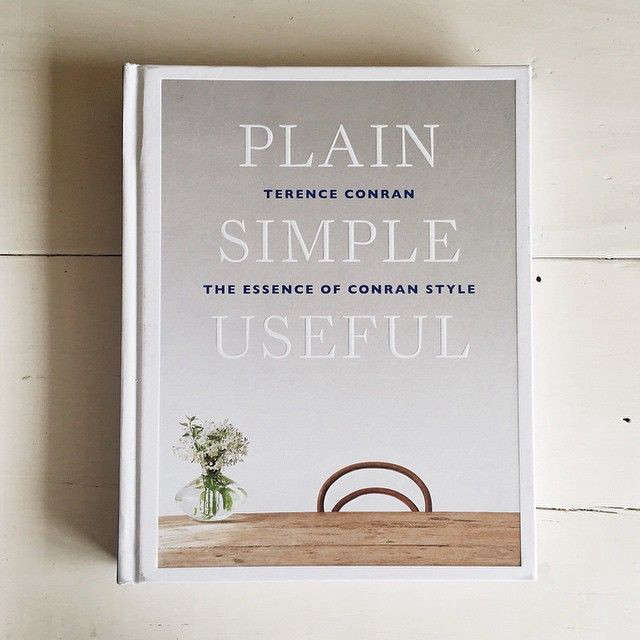
Some interiors enter a room wearing tap shoes. Conran style walks in quietly, puts the kettle on, finds a good chair, and somehow makes the whole house feel more civilized. That is the charm of “plain, simple, useful,” the phrase most closely associated with Sir Terence Conran’s approach to design. It sounds modest, almost too modest, until you realize it is a complete philosophy for living better without turning your home into a showroom where nobody is allowed to sit down.
Conran style is not about stripping life down until your living room looks like a waiting area for an expensive dentist. It is about choosing objects, rooms, colors, storage, furniture, and materials that actually serve daily life. A chair should be comfortable. A table should welcome meals, laptops, homework, flowers, and the occasional bowl of popcorn. A kitchen should make cooking easier, not simply photograph well for strangers on the internet. In other words, good design should improve the Tuesday afternoon, not just the magazine spread.
Sir Terence Conran, the British designer, retailer, restaurateur, author, and founder of Habitat and The Conran Shop, helped make modern design feel accessible rather than intimidating. His influence stretched from furniture and homewares to restaurants, books, retail spaces, and the Design Museum in London. But the heart of his design legacy can be summarized in three friendly little words: plain, simple, useful. Small words, big consequences.
What Is Conran Style?
Conran style is a practical, human-centered approach to interiors built around simplicity, usefulness, honest materials, and relaxed elegance. It favors clean lines over fuss, real function over theatrical decoration, and long-lasting quality over quick trend-chasing. It is modern without being cold, stylish without being snobby, and organized without acting as if a single misplaced spoon is a moral failure.
The phrase “plain simple useful” does not mean boring. Plain means clear, direct, and unpretentious. Simple means edited, efficient, and easy to understand. Useful means the object or space earns its place in your life. A wooden dining table, a well-made sofa, a stackable chair, a white plate, a task lamp, a linen napkin, a modular shelf, a generous kitchen counter: these are not dramatic objects, but they shape how people cook, eat, read, gather, work, and rest.
The Conran Formula: Beauty Plus Behavior
Many decorating styles begin with a look. Conran style begins with behavior. How do you live? Where do you drop your keys? Do you cook every night or mainly assemble dinner like a tired magician? Do you need a reading chair, a family table, a better pantry, or simply fewer objects arguing with each other? Conran’s genius was to connect design with ordinary habits. He understood that a good home is not a stage set; it is a machine for comfort, creativity, hospitality, and sanity.
The Roots of “Plain Simple Useful”
Conran’s work grew from postwar modernism, European design culture, craft traditions, and a belief that good design should not be reserved for the wealthy. When Habitat opened in London in 1964, it helped introduce a new way of shopping for the home: informal, modern, colorful, practical, and inspired by everyday European living. Duvets, simple tableware, paper pendant lamps, contemporary furniture, and open displays helped change how people imagined domestic life.
That shift matters because interior design was often treated as either formal decoration or luxury consumption. Conran pushed another idea: the home could be modern, comfortable, affordable, and personal. You did not need velvet ropes around the furniture. You needed a better chair, smarter storage, good lighting, and a table that made dinner feel like an event even when the event was leftover pasta.
A Human Version of Modernism
Conran style borrows from modernism, but it softens the edges. It appreciates Bauhaus logic, Scandinavian warmth, honest construction, and the rhythm of everyday use. The result is not sterile minimalism. It is modern living with texture: oak, leather, linen, ceramic, glass, steel, wool, cork, stone, and cotton. These materials do not scream for attention. They age, patinate, and become part of the household story.
This is why Conran-inspired interiors often feel timeless. They are not built around one fashionable color or a viral piece of furniture. They rely on proportion, practicality, natural materials, and a sense of ease. The room looks good because it works well. That is a refreshingly adult idea, and frankly, the throw pillows should be nervous.
The Three Principles of Conran Style
1. Plain: Remove the Noise
Plain design is not empty design. It is design without unnecessary confusion. A plain room has visual breathing space. It avoids over-decorating every wall, surface, and corner. It lets shapes, materials, daylight, and useful objects do the talking. Think white walls with warm wood furniture, a simple sofa with a wool throw, a kitchen shelf lined with plates you actually use, or a bedroom with excellent linens instead of twenty-seven decorative cushions that must be relocated every night like tiny fabric pets.
To apply the “plain” principle, start by editing. Remove objects that do not serve a purpose, hold meaning, or contribute beauty. This does not mean living like a monk with Wi-Fi. It means giving your best things room to matter. A plain interior can still include art, books, plants, color, pattern, and humor. It simply avoids clutter pretending to be personality.
2. Simple: Make Life Easier
Simplicity in Conran style is about clarity. The room should be easy to move through, easy to maintain, and easy to enjoy. Furniture should not block natural pathways. Storage should be close to where things are used. Lighting should support real tasks. The dining area should make meals feel natural, not like a negotiation with chair legs and poor overhead glare.
A simple home does not happen by accident. It requires decisions. Choose one strong dining table instead of a fragile showpiece. Use open shelves where visibility helps and closed storage where life gets messy. Buy fewer pieces, but make them better. Select shapes that can adapt over time. A clean-lined sideboard can move from dining room to entryway to office. A good wooden stool can become seating, a plant stand, a bedside table, or an emergency “I need to reach the top shelf” assistant.
3. Useful: Let Objects Earn Their Keep
Usefulness is the backbone of Conran style. It is the difference between a home that looks designed and a home that feels designed. A useful object performs well, lasts, and brings pleasure through repeated use. A well-balanced chef’s knife, a sturdy table lamp, a comfortable armchair, a stackable dish, a washable rug, a coat hook placed exactly where coats actually land: these are small design victories.
Usefulness does not kill beauty. It creates a deeper kind of beauty, the kind that grows through familiarity. The mug you reach for every morning, the chair that supports your back, the drawer that finally contains the chaos of charging cablesthese things reduce friction. They are not glamorous, but they make the day smoother. In a world full of overcomplicated gadgets and furniture with the emotional range of a hotel lobby, usefulness feels quietly radical.
How to Bring Conran Style Into Your Home
Start With the Table
If Conran style had a headquarters, it might be the dining table. The table represents food, conversation, work, celebration, and daily rhythm. Choose a table with solid construction, pleasing proportions, and enough flexibility for real life. Wood is a classic choice because it brings warmth and improves with age. Pair it with simple chairs that are genuinely comfortable. If guests begin checking the time after twelve minutes, the chairs may be the problem, not your conversation.
Use Materials That Tell the Truth
Conran-inspired interiors favor materials that look like themselves. Wood should look like wood. Linen may wrinkle, and that is part of its charm. Ceramic can have slight variation. Leather can soften. Metal can develop character. This honesty creates a room that feels grounded. It also helps avoid the strange sadness of fake finishes trying very hard to be something they are not.
When choosing finishes, think about touch as much as appearance. A smooth oak tabletop, a cool stone counter, a woven basket, a wool rug, or a matte ceramic bowl adds sensory richness without visual chaos. The best rooms are not just seen. They are handled, walked through, leaned on, and lived in.
Choose a Calm, Flexible Color Palette
Conran style often works beautifully with a neutral foundation: white, cream, stone, charcoal, warm gray, natural wood, and muted earth tones. But neutral does not mean lifeless. Add color through art, books, ceramics, textiles, plants, or one confident piece of furniture. A deep blue chair, a mustard throw, a terracotta pot, or a green glass vase can energize the room without turning it into a paint-sample argument.
The trick is restraint. Let color support the room rather than hijack it. A Conran-style palette tends to feel relaxed because it is built for longevity. You are not redecorating every time a new trend appears online wearing a dramatic hat.
Invest in Lighting That Works
Lighting is where many good rooms go to become suspicious. A single ceiling fixture cannot do everything. Conran style encourages layered lighting: ambient light for the whole room, task light for reading or cooking, and accent light for mood. Table lamps, floor lamps, wall lights, and pendant lamps create a more comfortable atmosphere than one harsh overhead bulb interrogating the furniture.
In the kitchen, focus on useful task lighting over counters. In the living room, add lamps near seating. In the bedroom, use bedside lights that make reading easy. Good lighting is not decoration after the fact; it is part of how the room functions.
Make Storage Beautiful but Honest
Conran style understands that storage is not a minor detail. It is the difference between a calm home and a chair covered in laundry developing legal ownership of the room. Use storage where it solves real problems. Hooks near the entry. Drawers for small items. Shelves for books and objects worth seeing. Cabinets for the less poetic parts of life, such as batteries, receipts, and the mysterious cable that everyone is afraid to throw away.
Well-designed storage should be easy to use. If a system is too complicated, the household will rebel. The goal is not perfection; the goal is flow. A home should help people put things away without requiring a training manual.
Conran Style in Different Rooms
Living Room
A Conran-style living room starts with comfort and conversation. Choose a sofa with clean lines and real support. Add a durable coffee table, a reading chair, layered lighting, and a few personal objects. Avoid filling the room with furniture that only exists to complete a “look.” Negative space is useful. It lets people move, breathe, and avoid bruising their shins on decorative ambition.
Kitchen
The kitchen is where plain, simple, useful becomes especially powerful. Keep tools close to where they are used. Use open storage for everyday plates or glasses if you enjoy seeing them. Choose durable surfaces. Prioritize good knives, cutting boards, mixing bowls, pans, and lighting. A beautiful kitchen is not one that hides every sign of cooking. It is one that makes cooking feel possible on a busy night.
Bedroom
A Conran-inspired bedroom should calm the nervous system. Use good bedding, simple side tables, soft light, and storage that prevents clothing from becoming floor art. Keep decoration personal but edited. The bed should be the hero, not buried under a mountain range of pillows. Comfort is the point. Drama can wait in the hallway.
Home Office
In a home office, usefulness matters more than performance aesthetics. Choose a proper chair, a desk with enough surface area, cable management, task lighting, and storage for papers or supplies. Add one or two objects that make the space pleasant, but do not let decorative accessories crowd the work zone. A simple, functional office helps focus because it removes small daily irritations.
Why Conran Style Still Feels Modern
Conran style remains relevant because it answers problems that never go out of fashion: too much clutter, poor quality, awkward rooms, bad lighting, uncomfortable furniture, and homes that look impressive but do not support real life. In an age of fast furniture and algorithm-driven trends, “plain simple useful” feels more important than ever.
The philosophy also aligns naturally with sustainability. Buying fewer, better things is usually wiser than constantly replacing trendy pieces. Choosing durable materials, flexible furniture, and timeless forms can reduce waste and make a home feel more settled. A Conran-inspired room does not need to be updated every season because it was never chasing a seasonal costume in the first place.
Most of all, Conran style respects everyday living. It treats breakfast, reading, storage, cooking, bathing, working, and hosting as design-worthy activities. That is its quiet brilliance. It does not ask, “How can this room impress people?” It asks, “How can this room improve life?” Better question. Better answer. Better chair.
Common Mistakes to Avoid
Mistaking Plain for Empty
A plain room can still have soul. Do not remove personality in the name of simplicity. Keep the art, books, handmade bowls, inherited chair, travel finds, family photos, or odd little sculpture that makes you smile. Conran style is edited, not erased.
Buying “Minimalist” Instead of Useful
A sleek object that performs badly is not good design. If a chair hurts, a lamp glares, or a shelf cannot hold books, it has failed the useful test. Beauty must cooperate with function. Otherwise, it is just furniture with excellent public relations.
Ignoring Scale
Simple furniture still needs proper proportion. A massive sofa in a small apartment will not become elegant just because it has clean lines. Measure carefully. Leave pathways. Let furniture fit the room and the people who use it.
Experiences With Conran Style: What Plain, Simple, Useful Feels Like in Real Life
The most surprising thing about living with Conran-style principles is how quickly the home begins to feel calmer without becoming dull. The change often starts with one ordinary frustration. Maybe the entryway is a shoe explosion. Maybe the kitchen drawers have become a museum of lost spatulas. Maybe the living room looks decorated but nobody actually wants to sit there. Conran style helps because it does not begin with shopping. It begins with noticing.
One of the best experiences is editing a room and realizing that less visual noise makes the good things look better. A simple wooden table suddenly feels generous when it is not buried under mail, cords, and a decorative bowl full of objects nobody can identify. A well-placed lamp makes a reading chair feel intentional. A plain white plate makes dinner look better, even if dinner is proudly store-bought. The room does not become fancy; it becomes more cooperative.
Another practical experience is learning that useful objects often become the most loved objects. A sturdy tray that carries coffee from kitchen to sofa. A basket that catches blankets. A hook that prevents jackets from migrating to the dining chair. A bench by the door that makes putting on shoes less athletic. These pieces may not produce applause, but they quietly improve the day. After a while, you stop asking whether something is impressive and start asking whether it helps.
Conran style also changes how people buy. Instead of grabbing five cheap accessories to refresh a room, you may save for one better lamp, one solid chair, or one cabinet that solves a storage problem for years. This can feel slow at first, especially in a culture where every blank corner is treated like an emergency. But the slower approach builds confidence. You learn your own taste. You notice materials. You compare weight, proportion, joinery, texture, and comfort. You become harder to seduce with shiny nonsense, which is a useful life skill far beyond interiors.
In small apartments, the philosophy is especially helpful. Plain, simple, useful design respects limited space. A round table can soften circulation. A wall-mounted shelf can free the floor. A sofa with legs can make the room feel lighter. Closed storage can hide the visual clutter of daily life. A mirror can improve light. A small balcony can become an outdoor room with one chair, one plant, and one table large enough for coffee. Nothing has to be grand. It only has to work.
The emotional experience may be the most valuable. A Conran-inspired home feels less like a performance and more like a companion. It supports meals, rest, hobbies, work, and guests. It forgives ordinary mess because the underlying system is sensible. It invites use. It says, “Sit down, cook something, read a book, call a friend, put your feet up.” That is the real essence of Conran style. It is not about owning famous furniture or copying a designer’s room. It is about creating a home where beauty and usefulness shake hands and agree to stop making life harder.
Conclusion
Plain Simple Useful: The Essence of Conran Style is more than a design slogan. It is a practical philosophy for creating interiors that are clear, comfortable, durable, and deeply livable. Terence Conran’s influence came from making good design feel democratic and connected to everyday pleasures: eating well, sitting comfortably, storing wisely, lighting properly, and choosing objects that perform beautifully over time.
To bring Conran style home, do not start by copying a catalog. Start by improving how your rooms work. Edit what you own, choose honest materials, invest in useful pieces, layer your lighting, and let personal taste appear through objects that truly matter. The goal is not perfection. The goal is a home that feels easier, warmer, smarter, and more human. In the end, plain is not plain at all. Simple is not simplistic. Useful is not boring. Together, they create the kind of style that does not need to shout because it is too busy making life better.
Note: This original article is written for web publication and synthesizes widely documented information about Sir Terence Conran, Habitat, The Conran Shop, modern functional interiors, and the “plain, simple, useful” design philosophy.