Note: This article is an editorial-style analysis of public music debates, fan opinions, chart culture, awards, streaming trends, and the modern celebrity machine. “Overrated” does not mean “untalented.” It means some listeners believe the level of fame, praise, or media attention around an artist may be bigger than the music itself.
Few topics can turn a peaceful comment section into a digital food fight faster than asking, “Which singer is overrated?” Suddenly, everyone becomes a vocal coach, a Grammy voter, a streaming analyst, and someone’s angry cousin at Thanksgiving. One person says a superstar is “just okay.” Another person responds with a 900-word defense, three concert clips, and the emotional force of a courtroom closing argument.
That is exactly why the topic is so interesting. The phrase overrated singers is not really about whether a famous artist can sing. Many of the biggest names in pop, R&B, country, rap, and rock are talented performers with loyal fan bases. The debate is usually about proportion. Do the vocals match the hype? Does the songwriting justify the awards? Is the live show as good as the brand? Or are we all being gently dragged around by algorithms, nostalgia, marketing budgets, and fan armies with excellent Wi-Fi?
Below is a deep, fair, and slightly cheeky look at 40 famous singers people often call overrated. Some are global icons. Some are streaming monsters. Some are genuinely gifted but still spark debate because their popularity feels bigger than their artistry. Buckle up: the stan accounts may not love this, but the conversation is too loud to ignore.
What Does “Overrated” Really Mean in Music?
Before naming names, we need a tiny peace treaty. Calling a singer overrated is not the same as saying they are bad. An overrated artist can have hit songs, a strong voice, huge influence, and millions of fans. The criticism usually means the public praise feels inflated compared with one or more factors: vocal ability, originality, stage presence, songwriting, catalog depth, or long-term cultural impact.
In the streaming era, fame is complicated. A song can dominate playlists because it fits a mood, not because it is a masterpiece. An artist can become unavoidable because of short-form video trends, not necessarily because listeners studied the bridge like it was ancient poetry. Meanwhile, awards, radio play, celebrity relationships, brand deals, and fan communities all help create the feeling that an artist is bigger than the music.
Why People Think Some Famous Singers Are Overrated
1. Massive marketing can make “good” look like “genius”
Record labels, streaming platforms, media outlets, and social platforms can turn a solid artist into a cultural event. When every app, magazine cover, playlist, and award show keeps pushing the same name, some listeners start asking, “Is this artist truly that exceptional, or did the promotion department just drink three espressos and take over the planet?”
2. Fandoms can make honest criticism impossible
Modern fandom is powerful. Fans can lift a singer to historic heights, sell out stadiums, revive old songs, and turn album releases into national holidays. But intense fandom can also make casual criticism feel dangerous. Sometimes people call a singer overrated not because the music is weak, but because the fan reaction to any criticism feels wildly out of balance.
3. Chart success does not always equal artistic greatness
Charts measure consumption, not necessarily quality. A catchy chorus, viral sound, or radio-friendly hook can travel farther than a complex vocal performance. That does not make popular music less valuable, but it explains why some listeners separate “famous” from “great.” A song can be everywhere and still leave some people thinking, “This is fine, but why is everyone acting like it cured boredom?”
40 Overrated Singers People Often Debate Online
1. Taylor Swift
Taylor Swift may be one of the most successful songwriters and performers of her generation, but that success is exactly why she appears in overrated singer debates. Critics often argue that her cultural dominance, fan intensity, and media coverage can overshadow discussions about vocal technique. Supporters counter that her strength is storytelling, emotional precision, and career reinvention. The debate is less “Can she sing?” and more “Does the hype leave room for anyone else?”
2. Drake
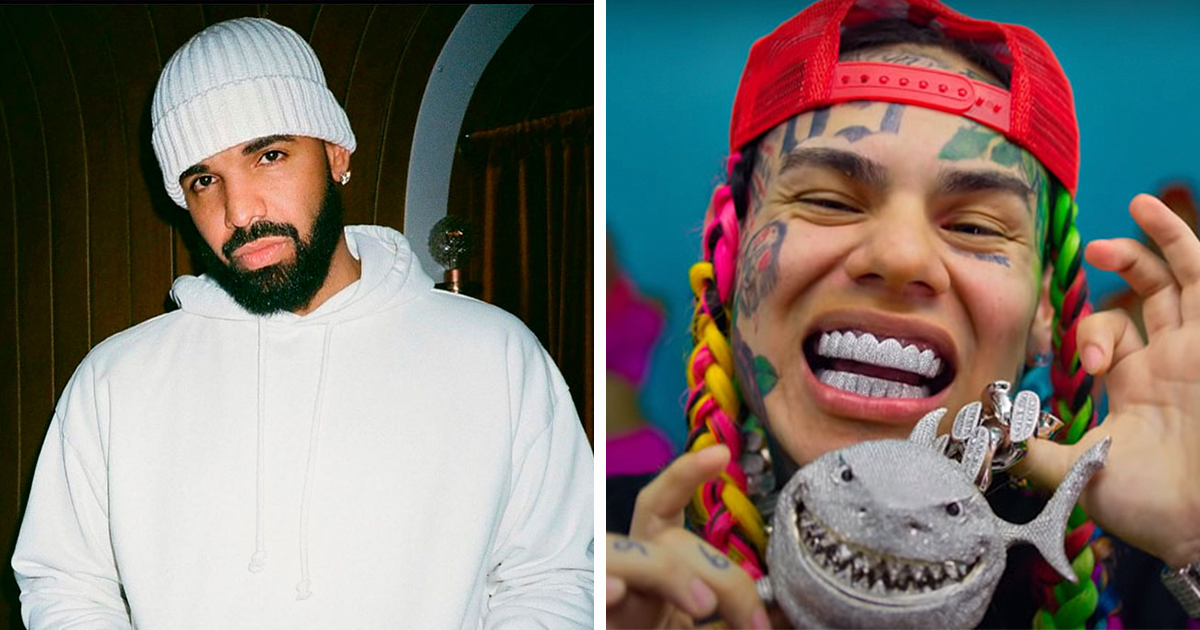
Drake is a streaming-era titan, but many listeners see him as more of a mood curator than a vocal powerhouse. His melodic rap style changed mainstream music, yet critics argue that his formula can feel too comfortable: half confession, half caption, sprinkled with luxury sadness. His fame is undeniable, but some fans wonder whether his catalog is as deep as his numbers suggest.
3. Ed Sheeran
Ed Sheeran writes melodies that stick like gum on a summer sidewalk. That is both his gift and the reason some listeners call him overrated. His songs are accessible, romantic, and radio-friendly, but critics sometimes describe them as too safe. Fans hear sincerity; skeptics hear acoustic wallpaper with a loop pedal.
4. Justin Bieber
Justin Bieber grew from teen idol to adult pop star, and his vocal talent is stronger than many early critics admitted. Still, he remains a frequent target because his celebrity once seemed larger than his music. Some listeners think his best songs are excellent pop moments, while others feel his fame was built as much on youth, image, and timing as artistry.
5. Ariana Grande
Ariana Grande has an impressive voice, which makes her overrated debate more specific. Critics rarely deny her range; instead, they question diction, emotional variety, or whether the whistle-note sparkle sometimes distracts from the song itself. Her fans hear technical brilliance. Her skeptics occasionally ask for more grit and less gloss.
6. Harry Styles
Harry Styles has charisma, fashion influence, and a devoted fan base. Critics argue that his solo music is often praised as more revolutionary than it actually is. The complaint is not that he lacks talent, but that some of his work sounds like polished classic-rock inspiration repackaged for modern pop audiences.
7. Beyoncé
Calling Beyoncé overrated is a risky hobby, like poking a beehive with a microphone stand. She is widely respected for vocals, performance, discipline, and visual artistry. Still, some listeners argue that the “greatest living entertainer” conversation can become too automatic. The debate usually centers on whether her total brand sometimes makes ordinary songs feel untouchable.
8. Rihanna
Rihanna’s tone, coolness, and hit catalog are undeniable. But critics often say her fame exceeds her reputation as a vocalist. Her appeal lies in taste, attitude, and song selection rather than vocal fireworks. For some, that makes her a brilliant pop star. For others, it makes her a classic example of celebrity aura outrunning singing ability.
9. Billie Eilish
Billie Eilish’s whispery, intimate style helped reshape pop vocals. Some listeners adore the subtlety; others find the praise excessive. Critics sometimes argue that her restrained delivery is treated as deeper than it is. Supporters say quiet singing can be just as expressive as belting, and not every chorus needs to arrive wearing fireworks.
10. Olivia Rodrigo
Olivia Rodrigo became a voice for heartbreak, youth, and dramatic bedroom floor emotions. Critics who call her overrated often point to obvious influences from pop-punk, teen rock, and confessional singer-songwriters. Fans say influence is not theft; it is how pop evolves. Skeptics say the hype arrived faster than the artistic range.
11. Sabrina Carpenter
Sabrina Carpenter’s charm, humor, and polished pop instincts have made her a major name. Some listeners, however, think her fame is powered by personality and clever branding as much as vocal distinction. Her best songs sparkle; the debate is whether sparkle alone deserves superstar-level worship.
12. Miley Cyrus
Miley Cyrus has a raspy voice with real character, but her career is so packed with image shifts that people often argue about the package more than the music. Some see versatility. Others see reinvention as a distraction from uneven albums. Her strongest performances can be excellent, but not everyone thinks the catalog matches the legend-building.
13. Selena Gomez
Selena Gomez is often called overrated because her vocals are modest compared with many peers. Still, her soft tone works well in sleek pop production, and her fans appreciate the emotional simplicity. Critics argue that her fame comes more from celebrity presence, acting, and public interest than vocal dominance.
14. Camila Cabello
Camila Cabello has a recognizable voice, which is a rare advantage. But recognizable does not always mean universally loved. Some listeners find her vocal style dramatic or nasal, while others enjoy its personality. Her biggest hits proved she can carry a pop moment, though critics question whether the hype has been consistent with the music.
15. Shawn Mendes
Shawn Mendes built a career on clean vocals, guitar-pop sincerity, and boy-next-door appeal. To critics, that can feel too polished and predictable. His fans hear honest emotion. Skeptics hear perfectly pleasant songs that rarely surprise anyone’s nervous system.
16. Charlie Puth
Charlie Puth is musically skilled, especially as a producer and melody writer. The overrated argument usually targets his songs, which some listeners find technically polished but emotionally thin. He understands hooks, but critics sometimes wish the music had more mess, risk, and human fingerprints.
17. Post Malone
Post Malone blends singing, rap, rock, and country-pop in a way that has made him massively popular. Critics say his vocal style can feel limited and heavily produced. Fans argue that his gift is vibe, melody, and emotional accessibility, not traditional vocal gymnastics.
18. The Weeknd
The Weeknd has a strong voice and a distinct sonic world, yet some people still call him overrated because his moody themes can feel repetitive. Nightlife, loneliness, fame, and regret are his kingdom. The question is whether he keeps discovering new rooms in that kingdom or simply changes the lighting.
19. Bad Bunny
Bad Bunny is a global force, and his influence on Latin music’s worldwide reach is enormous. Critics who call him overrated often focus on vocals, arguing that his appeal depends more on rhythm, persona, and cultural momentum. Supporters respond that delivery, identity, and innovation matter as much as conventional singing.
20. Doja Cat
Doja Cat is creative, unpredictable, and talented across rap and pop. Still, some listeners believe her internet fluency and personality sometimes overshadow the music. Her best work is sharp and playful; her critics simply wonder whether the conversation around her is bigger than the catalog.
21. Ice Spice
Ice Spice became famous quickly, which naturally brought backlash. Critics often say her delivery is repetitive and her rise was driven by memes, image, and viral timing. Fans argue that minimalism can be a style, not a flaw. The debate is really about whether fast fame leaves enough time for artistic growth.
22. Nicki Minaj
Nicki Minaj is technically skilled and historically important in hip-hop, but she still appears in overrated debates because of fan intensity and uneven later output. Critics may respect her peak while questioning whether every release deserves event-level attention. Her defenders point to influence, versatility, and a catalog full of memorable verses.
23. Lizzo
Lizzo’s music is built on confidence, humor, and big hooks. Some listeners love that energy; others find the motivational tone repetitive. The overrated criticism often says her message can overpower musical variety. Still, her vocal ability and musicianship are stronger than many casual critics acknowledge.
24. Cardi B
Cardi B is more rapper and entertainer than traditional singer, but she belongs in the broader pop-star debate. Critics argue that her personality became famous before her catalog became deep. Fans say personality is part of performance, and Cardi’s timing, humor, and delivery are exactly why she works.
25. Katy Perry
Katy Perry delivered some of the most recognizable pop hits of the 2010s. The overrated argument usually comes from listeners who feel her singles were bigger than her artistic depth. Her best choruses are undeniable, but critics say the albums around them can feel uneven.
26. Demi Lovato
Demi Lovato has serious vocal power, so the debate is not about whether they can sing. It is about song choices, public image, and whether the material consistently matches the voice. Some listeners hear a powerhouse waiting for stronger songs; others think the hype has always outrun the catalog.
27. Jennifer Lopez
Jennifer Lopez is a superstar performer, actor, dancer, and business figure. As a singer, however, she is one of the most frequently debated pop icons. Critics say her fame as a vocalist is disproportionate to her vocal ability. Fans respond that pop stardom is about the full package, not just standing still and belting into a wind machine.
28. Britney Spears
Britney Spears changed pop culture, music videos, teen pop, and performance style. Still, some listeners call her overrated as a singer because her legacy is tied more to image, choreography, and iconic production than vocal technique. Her defenders say influence counts, and few pop stars have shaped an era so completely.
29. Madonna
Madonna is a cultural architect, but critics have long debated her voice. Her genius lies in reinvention, provocation, visuals, and pop instincts. People who call her overrated usually mean her singing is not the main reason she became legendary. Her fans would answer: exactlyand that is still artistry.
30. Mariah Carey
Mariah Carey is one of the most technically gifted vocalists in pop history, so the overrated label sounds strange at first. The criticism tends to focus on seasonal dominance, diva mythology, or whether the public overemphasizes vocal range. Even many skeptics admit her peak vocals are nearly impossible to dismiss.
31. Celine Dion
Celine Dion has a massive voice and a deeply loyal audience. When people call her overrated, they usually mean her style feels too theatrical or adult-contemporary for their taste. That is more a matter of preference than skill. Her vocal control remains a major reason she is so respected.
32. Adele
Adele’s voice can make a grocery list sound emotionally devastating. Still, some listeners argue that her ballad formula receives too much praise. Heartbreak, piano, swelling chorus, repeat. Fans call it timeless. Critics call it predictable. Either way, the woman can sing.
33. Sam Smith
Sam Smith has a distinctive voice and emotional delivery, but some listeners find the dramatic style excessive. The overrated argument often focuses on ballads that feel too carefully designed for emotional impact. Fans appreciate the vulnerability; skeptics feel like every song arrives carrying a scented candle and a rain cloud.
34. Lewis Capaldi
Lewis Capaldi’s voice is raw, gravelly, and emotional. Critics who call him overrated often point to songs that lean heavily on heartbreak formulas. Fans see honesty and relatability. Skeptics see emotional repetition with excellent marketing and a very good chorus machine.
35. Morgan Wallen
Morgan Wallen is one of country music’s biggest commercial forces. Critics argue that his fame sometimes feels larger than his musical range, especially when similar themes repeat across long projects. Fans hear everyday storytelling and strong country-pop hooks. The debate reflects a larger divide over modern country’s sound.
36. Luke Bryan
Luke Bryan’s party-country style made him hugely popular, but also a frequent target for listeners who dislike glossy country radio. Critics say his music can feel formulaic. Fans enjoy the fun, easygoing energy. Not every song needs to reinvent the banjo, but some listeners wish more of them tried.
37. Jason Aldean
Jason Aldean’s success is built on arena-sized country rock and a loyal audience. Critics often see his music as overly polished or predictable. Supporters appreciate the big hooks and directness. His overrated debate is really about whether mainstream country has become too dependent on attitude and production.
38. Blake Shelton
Blake Shelton is a strong country personality with recognizable charm. Some listeners, however, feel his celebrity profile became bigger than his recent music. His voice is solid, but critics argue that television fame helped keep him more visible than the songs alone might have.
39. Machine Gun Kelly
Machine Gun Kelly’s shift from rap to pop-punk brought huge attention and just as much criticism. Some fans welcomed the revival energy, while skeptics felt the music borrowed heavily from earlier pop-punk without adding much. His fame often sparks debate about nostalgia, image, and authenticity.
40. Travis Scott
Travis Scott is known for atmosphere, production, and live-event spectacle more than traditional singing. Critics argue that the brand, visuals, and sonic haze can overshadow vocal substance. Fans say his real instrument is world-building. That tension is exactly why he appears in overrated artist debates.
The Pattern Behind the Backlash
Looking across these 40 names, one pattern becomes obvious: people rarely call unknown artists overrated. The label is a side effect of enormous visibility. Once a singer becomes unavoidable, listeners start measuring the distance between public praise and personal experience. If the gap feels too wide, the word “overrated” appears like a pop-up ad nobody asked for.
There is also a difference between being overrated as a vocalist and overrated as an artist. Rihanna, Madonna, and Britney Spears are often debated as singers, but their cultural impact is much larger than vocal technique. Ariana Grande, Mariah Carey, Celine Dion, and Adele face the opposite issue: they can clearly sing, so criticism usually targets style, repetition, or excessive praise rather than ability.
Another key factor is fatigue. Even great artists can become annoying when they are everywhere. A song may be enjoyable the first 20 times, tolerable the next 50, and then suddenly you are hearing it in a pharmacy while buying toothpaste and wondering if silence is an underrated genre. Overexposure can make strong music feel weaker than it is.
Are Overrated Singers Actually a Problem?
Not really. Music is not a math test with one correct answer. Popular singers become popular for many reasons: voice, charisma, timing, identity, songwriting, production, fashion, controversy, relatability, and luck. Sometimes a singer is famous because they are technically brilliant. Sometimes they are famous because they make people feel understood. Sometimes they simply have the perfect chorus at the perfect cultural moment.
The healthier question is not “Who deserves to be less famous?” It is “What do we value in music?” If you value vocal range, you may roll your eyes at minimalist pop. If you value songwriting, you may forgive a limited voice. If you value performance, you may prefer a complete entertainer over a technically perfect singer who stands still like a decorative lamp.
That is the fun of the debate. It reveals more about listeners than singers. Calling someone overrated often says, “The thing everyone else loves is not the thing I care about most.” And honestly, that is fair. The problem begins only when people treat taste as objective truth and start acting like a playlist is a constitutional document.
Experience Section: What Listening to “Overrated” Singers Teaches Us
Anyone who has spent enough time around music fans has probably experienced the overrated debate in real life. It happens in cars, at parties, during award shows, at karaoke nights, and in group chats where one innocent opinion can turn into a courtroom drama. Someone says, “I don’t really get the hype around this singer,” and suddenly the room splits into teams like a pop-cultural dodgeball match.
One useful experience is hearing a famous singer outside the usual marketing machine. A polished studio single can hide weaknesses, but a stripped-down performance often reveals what is really there. Sometimes the result is surprising. An artist dismissed as manufactured may sound warm, controlled, and emotionally sharp when the production is removed. Other times, a superstar’s live vocal may feel thinner than expected, and you realize the producer deserves a fruit basket.
Karaoke also changes how people judge singers. It is easy to criticize a pop song until you try to sing it in front of friends while reading delayed lyrics on a screen that looks like it was designed in 2004. Suddenly, that “basic” chorus has weird intervals, that “simple” ballad requires breath control, and that “overrated” singer seems a little less easy to replace. Karaoke is the great humbler. It turns critics into wheezing philosophers.
Concerts add another layer. Some singers do not have the most impressive voices, but they know how to hold a crowd. They pace the show, connect with fans, choose the right arrangements, and make the audience feel part of something. That kind of performance skill is real. On the other hand, some artists with excellent voices can deliver shows that feel emotionally distant. Technical ability matters, but connection matters too.
Another common experience is discovering that “overrated” often means “not for me.” A listener who loves soul, jazz, or classic rock may find modern whisper-pop underwhelming. A fan of lyrical rap may not understand why a melodic superstar dominates charts. Someone raised on powerhouse vocalists may not appreciate singers who focus on mood and texture. None of these reactions are wrong. They are simply evidence that music taste is shaped by memory, culture, mood, age, and personal expectations.
The best lesson is to separate hype from enjoyment. You do not have to love an artist just because millions of people do. You also do not have to hate an artist because they are popular. Sometimes the smartest position is beautifully boring: “I understand why people like this, but it is not my thing.” That sentence could save thousands of comment sections if people were brave enough to use it.
In the end, overrated singer debates are less about destroying reputations and more about negotiating taste in public. They remind us that fame is not always the same as greatness, but greatness is not always measured by vocal perfection either. A singer can be technically limited and culturally important. Another can be vocally gifted and still creatively predictable. The magic of music is that both can exist on the same playlist, right between your guilty pleasure and the song you pretend you discovered before everyone else.
Conclusion
The phrase People Share 40 Overrated Singers That Shouldn’t Be So Famous sounds harsh, but the real conversation is more thoughtful than a simple roast list. These debates ask why certain artists dominate attention, how fandom shapes reputation, and whether commercial success always reflects musical quality. Some singers on this list are brilliant performers. Some are stronger brands than vocalists. Some are victims of overexposure. Some are simply so famous that backlash became inevitable.
Music would be boring if everyone agreed. The artists people call overrated often become cultural landmarks precisely because they inspire strong reactions. Love them, skip them, defend them, or question the hypebut remember that popularity is complicated, taste is personal, and no comment section has ever been improved by someone typing in all caps for twelve consecutive minutes.