Note: This article is written from synthesized real information about the Chinese dating show If You Are the One, Chinese reality TV, modern dating culture, and online audience reactions. Source links are intentionally not inserted in the article body for clean web publishing.
Every once in a while, the internet discovers a TV show so wildly direct, so emotionally chaotic, and so accidentally philosophical that people stop scrolling and ask the same question: “Wait… this is real?” That is exactly what happened when screenshots from a Chinese dating show began circulating online. The post titled “People Can’t Believe This Chinese Dating Show And Their Participants Are Real (30 Pics)” tapped into something viewers love: romance, public judgment, savage one-liners, and the terrifying possibility that dating on television may be only slightly more dramatic than dating in real life.
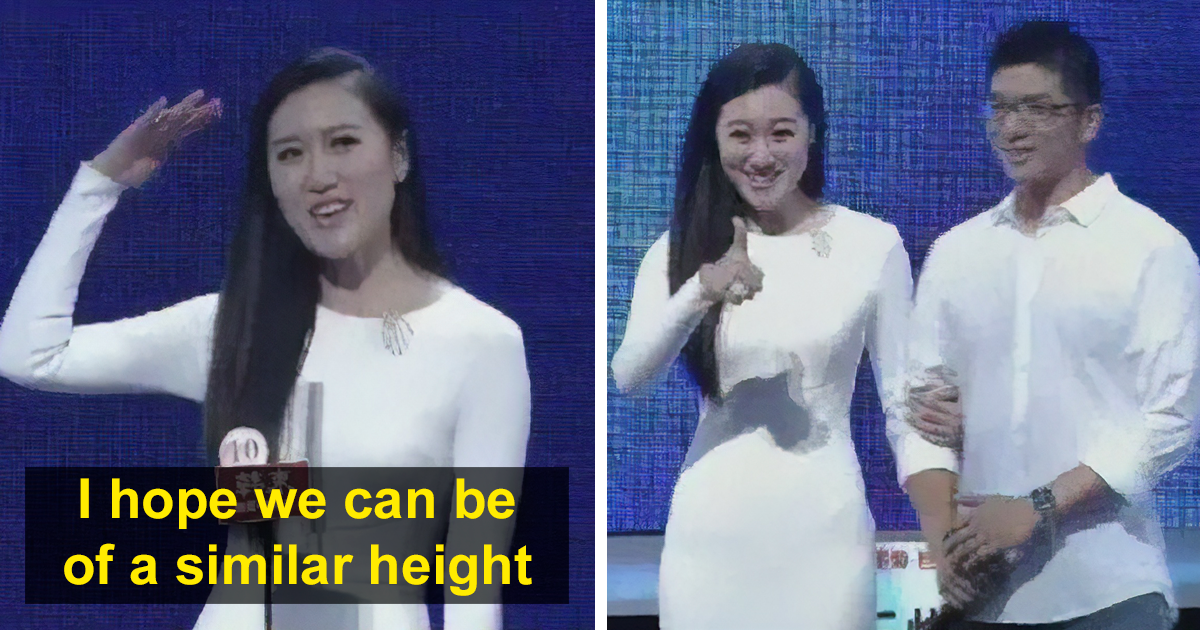
The show behind much of the viral attention is If You Are the One, also known in Mandarin as Fei Cheng Wu Rao. It is not a tiny internet experiment filmed in somebody’s cousin’s basement. It is one of China’s most famous dating programs, launched in 2010 on Jiangsu Satellite TV and hosted for years by Meng Fei. The format is simple enough to explain in one sentence and chaotic enough to power a thousand memes: one male contestant tries to impress a panel of 24 women, each of whom can switch off her light when she loses interest.
In other words, it is dating with live audience energy, job-interview pressure, and the emotional safety of a medieval public square. Somehow, it works.
What Is This Chinese Dating Show Everyone Is Talking About?
If You Are the One became a cultural phenomenon because it turned the private awkwardness of modern dating into a bright, theatrical spectacle. The male contestant enters, introduces himself, shares videos about his life, and answers questions from women who may be curious, impressed, suspicious, bored, or fully prepared to end his television journey with the press of a button.
The women stand behind lighted podiums. If they are interested, the light stays on. If they are not, clickthe light goes dark. A man can lose one woman, several women, or all 24 before he has had time to mentally recover from his haircut being discussed on national television.
That visual alone explains why the show went viral. It is brutally easy to understand. A glowing light means hope. A dark light means rejection. Twenty-four dark lights mean the universe has scheduled a character-building exercise.
Why People Can’t Believe the Participants Are Real
The viral screenshots and “30 pics” style compilations usually focus on the funniest, strangest, or most painfully honest moments. Viewers outside China often react as if they have discovered a dating show from another planet. Contestants discuss money, marriage, parents, ambition, appearance, hobbies, and romantic expectations with a frankness that can feel shocking compared with the softer, carefully edited language of many Western dating shows.
But that is the point. The participants feel real because they often say the quiet part loudly. A man may describe himself with the confidence of a motivational speaker and the dating résumé of a nervous intern. A woman may reject someone for seeming boring, immature, overly proud, underprepared, badly dressed, too calculating, or simply not her type. The honesty can be funny, but it also reveals something deeper: dating is never just about attraction. It is about status, timing, family expectations, money, personality, emotional maturity, and whether someone can survive a room full of strangers analyzing their life choices.
The Format Turns Dating Into Instant Drama
Most dating shows build suspense slowly. If You Are the One does not always have that kind of patience. The show can deliver rejection instantly. That makes every second feel loaded. A contestant’s entrance, outfit, posture, smile, job title, and first sentence can all become evidence in the court of romantic opinion.
Twenty-Four Women, One Suitor, Zero Hiding Places
The panel format gives women unusual power within the show’s structure. Instead of one bachelor choosing among a group of women, the women collectively decide whether a male contestant remains desirable. This reversal is one reason the show feels different. The women are not waiting politely to be chosen. They are evaluating, challenging, teasing, advising, and sometimes roasting.
That dynamic creates comedy, but it also creates tension. A contestant may arrive thinking he is charming, only to discover that charm is not a universal currency. A rehearsed line can collapse. A humble confession can win sympathy. A flashy display of wealth can backfire. The show rewards confidence, but it punishes arrogance with Olympic speed.
The Light-Off Button Is Basically a Swipe Left With Better Lighting
Part of the reason international audiences connect with the show is that the format feels oddly familiar. Dating apps already train people to make fast judgments based on limited information. The difference is that apps let users reject privately. If You Are the One turns the same behavior into a public performance with music, lights, and an audience.
That is why the show feels both foreign and extremely relatable. We may not stand on a stage in front of 24 people, but we have all experienced the modern dating ritual of being evaluated through photos, bios, messages, jobs, lifestyle clues, and tiny signals we did not know we were sending.
Is the Show Scripted or Real?
Like most reality television, If You Are the One exists in the complicated space between authenticity and production. The participants are real people, but the show is still television. Producers select contestants, edit footage, shape segments, and package emotional moments for maximum impact. That does not make every reaction fake. It means reality TV is not raw reality; it is reality arranged under studio lights.
In fact, that is what makes the show fascinating. The best moments feel spontaneous, even when the environment is carefully designed. A contestant’s awkward answer may be genuine. A woman’s unimpressed expression may be genuine. The editing may simply know exactly when to zoom in and let the silence do its evil little dance.
So when viewers ask, “Are these people actually real?” the answer is: yes, but they are real people inside a format built to produce drama. Dating is already performative. Put it on television, add a live audience, give everyone a button, and suddenly the performance becomes impossible to ignore.
Why the One-Liners Became Internet Gold
The show’s viral appeal depends heavily on its captions and translations. A sentence that might sound ordinary in Mandarin can feel wonderfully blunt in English subtitles. Cultural context, editing, and translation choices can turn a simple dating preference into a meme-ready line.
Some contestants have expressed practical requirements for a partner. Others have delivered comments that sound like they were written by a comedy writer after three energy drinks. The funniest lines often come from the gap between romance and realism. One person wants passion. Another wants financial stability. Someone else just wants a partner who is alive, available, and not emotionally assembled from spare parts.
That mix of romance and practicality is not unique to China. People everywhere care about attraction, income, kindness, family values, lifestyle, education, and future plans. The show simply refuses to pretend those topics are not part of dating. It puts them center stage, hands them a microphone, and lets the audience gasp.
The Cultural Context Behind the Comedy
To understand why the show became so popular, it helps to look beyond the memes. In China, dating and marriage are often shaped by strong family expectations, economic pressure, housing costs, education, urban competition, and demographic realities left by decades of the one-child policy. Marriage is not always treated as a purely private romantic decision. It can involve parents, property, social status, and long-term family planning.
That does not mean every Chinese person dates the same way. China is enormous, diverse, and constantly changing. Young people in Shanghai, Beijing, Chengdu, Guangzhou, rural villages, and overseas communities may all experience dating differently. Still, the show became popular because it captured a real national conversation: What should modern love look like when tradition, ambition, money, gender roles, and individual desire all collide?
That collision is what gives If You Are the One its lasting energy. It is not just a dating show. It is a stage where social expectations argue with personal preference in real time.
Money, Marriage, and the Awkward Honesty of Modern Romance
One of the reasons the show attracted controversy in its early years was its open discussion of wealth and material expectations. A famous moment involving a contestant who preferred luxury over a romantic bicycle ride became shorthand for debates about money, values, and marriage in modern China.
To outside viewers, those conversations can seem harsh. But they are not entirely alien. In the United States, people may be less direct on camera, but financial compatibility is still a major relationship issue. Student debt, housing costs, career stability, family support, and lifestyle expectations shape dating everywhere. The difference is that If You Are the One often says those things out loud instead of hiding them behind candlelit dinner scenes and suspiciously perfect beach dates.
How It Compares With Western Dating Shows
Western dating shows often sell fantasy. There are roses, private villas, dramatic pauses, helicopter dates, and people saying “I’m here for the right reasons” with the seriousness of a Senate hearing. If You Are the One sells confrontation. It is brighter, faster, more verbal, and more openly judgmental.
That does not make it better or worse. It makes it different. Western shows often stretch one romantic storyline across an entire season. If You Are the One can deliver multiple emotional arcs in one episode: hope, rejection, embarrassment, self-reflection, advice, laughter, and sometimes an actual match.
Its genius is efficiency. Why wait six episodes for someone to reveal a red flag when a panelist can spot it before the second video package?
The Women Are Not Just ContestantsThey Are the Show’s Engine
One of the most interesting parts of the format is that the women are not passive decorations. They ask questions. They challenge answers. They reject. They reconsider. They offer advice. They become familiar personalities to regular viewers.
This structure gives the show a sharp, talk-show-like quality. The audience is not only watching one man search for love; it is watching 24 women debate what makes someone dateable. That conversation can be funny, unfair, insightful, contradictory, and unexpectedly movingmuch like real dating advice from friends, except with better lighting and more public consequences.
Why the “30 Pics” Format Works So Well Online
Screenshot compilations are perfect for this kind of show because they isolate the punchline. A single image with a subtitle can capture a whole personality, a failed flirtation, or a moment of social truth. The viewer does not need to understand every rule of the show. The caption does the work.
That is why posts about Chinese dating show participants spread so easily. They are quick, readable, and emotionally immediate. You see a contestant say something wildly specific, and your brain fills in the rest. Was it awkward? Was it sincere? Was it a translation quirk? Was it actually brilliant? The uncertainty is part of the fun.
In a social media feed crowded with polished influencers and rehearsed content, these screenshots feel refreshingly messy. They remind us that real people are strange, funny, hopeful, insecure, practical, and occasionally capable of saying things no publicist would approve.
What the Show Reveals About Dating Everywhere
The funniest thing about international reactions to If You Are the One is that people often laugh because it seems unfamiliar, then keep watching because it feels familiar. The lights may be different. The cultural references may be different. The studio may be different. But the emotional ingredients are universal.
Everyone wants to be chosen without feeling judged. Everyone has standards they hope sound reasonable. Everyone has said something awkward while trying to seem charming. Everyone has watched a friend date someone questionable and wanted access to a giant red rejection button.
The show exaggerates dating, but it does not invent the absurdity. It simply gives it a stage.
Why Viewers Keep Coming Back
People return to shows like this because they combine three irresistible pleasures: curiosity, judgment, and hope. Curiosity makes us wonder what kind of person will appear next. Judgment makes us decide whether we agree with the panel. Hope makes us root for a genuine connection, even after 10 minutes of romantic chaos.
That hope matters. Beneath the savage lines and viral screenshots, If You Are the One often contains surprisingly sincere moments. Contestants talk about loneliness, family pressure, career struggles, heartbreak, self-doubt, and the difficulty of finding someone who understands them. The comedy opens the door, but the vulnerability keeps viewers seated.
Conclusion: The Dating Show That Feels Too Wild to Be Fake
“People Can’t Believe This Chinese Dating Show And Their Participants Are Real (30 Pics)” became such a clickable topic because it captures the exact feeling of watching If You Are the One for the first time. You laugh. You cringe. You pause to reread the subtitle. Then you realize that behind the outrageous moments is a surprisingly sharp portrait of modern dating.
The show is funny because people are funny. It is awkward because dating is awkward. It is dramatic because rejection is dramatic, especially when 24 glowing podiums are involved. And it feels real because, underneath the TV format, the contestants are wrestling with questions that matter everywhere: What do I want? What can I offer? What am I willing to accept? And how do I survive being judged before I have finished my introduction?
That is why the show still fascinates viewers. It is not just a collection of strange captions. It is a mirrorbright, ruthless, hilarious, and occasionally kinder than expected.
Extra Experiences: What Watching This Chinese Dating Show Feels Like
Watching If You Are the One for the first time is an experience best described as “emotional whiplash with subtitles.” At first, you may treat it like pure comedy. The lights, the stage, the formal introductions, and the sudden rejections feel almost unreal. You expect the show to behave like a typical dating program, but it quickly refuses. Instead of slow romantic build-up, it gives you instant opinions. Instead of polite small talk, it gives you questions that sound like they came from your most brutally honest aunt.
One common viewing experience is secondhand embarrassment. You watch a contestant proudly introduce himself, only to see lights switch off before he has emotionally unpacked his first sentence. It is painful, but also strangely addictive. The show makes rejection visible in a way most dating experiences do not. In real life, rejection often arrives as a delayed text, a polite excuse, or the mysterious disappearance known as ghosting. On this show, rejection glows, clicks, and sometimes happens in surround sound.
Another experience is surprise empathy. The viral screenshots make the show look like a parade of savage comments, but full episodes often reveal more tenderness than expected. Some contestants are awkward because they are nervous. Some women are blunt because they know exactly what they want. Some rejections are not cruel at all; they are practical, honest, or even protective. After the laughter fades, you may find yourself thinking, “Actually, that was a fair point.” This is the danger of the show: you arrive for memes and leave with relationship analysis.
Watching with friends makes it even better. Everyone becomes an instant dating consultant. One person defends the contestant. Another agrees with the panel. Someone pauses the video to debate whether owning a house should matter. Someone else announces that they would never go on the show, which is probably true, because most of us would dissolve under that many lights. The program turns viewers into a living-room panel, proving that judging dating choices is one of humanity’s most reliable group activities.
There is also the translation experience. English subtitles can make lines sound extra sharp, poetic, or bizarre. Sometimes a sentence feels like a fortune cookie written by a disappointed ex. Sometimes it sounds like dating advice from a spreadsheet. This adds to the charm. Viewers are not only watching romance; they are watching culture, language, humor, and editing collide in real time.
The biggest experience, however, is recognition. The show may look wildly different from dating in America, but its emotional core is familiar. People want security. People want chemistry. People want respect. People fear wasting time. People try to market themselves while pretending not to market themselves. Whether the setting is a Chinese TV studio, a dating app, a blind date, or a friend’s birthday party where someone says, “You two would be perfect together,” the basic anxiety is the same.
That is why this Chinese dating show keeps finding new audiences online. It is not only unbelievable. It is uncomfortably believable. The participants are real, the emotions are recognizable, and the chaos is just polished enough for television. In the end, the show reminds us that dating is already a reality show. Most of us are simply lucky there are no podium lights involved.