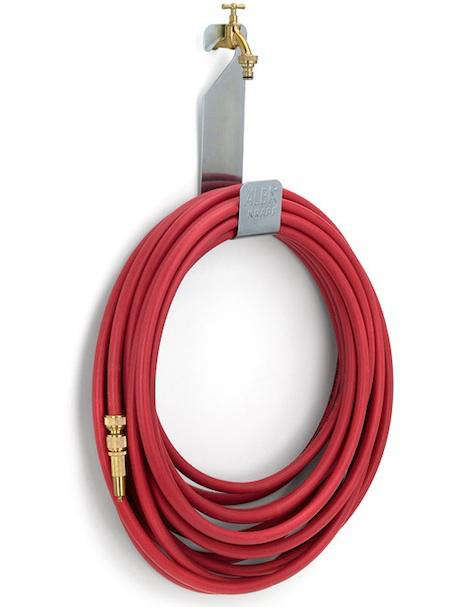
A garden hose has a secret talent: it can turn any beautiful outdoor space into a spaghetti crime scene in under thirty seconds. Leave it on the patio, and it tangles. Drag it across the lawn, and it kinks. Toss it behind a planter, and it somehow becomes both invisible and exactly where your ankle wants to be. That is why the humble hose hook matters more than most people think.
The Hose Hook from Manufactum is not the loudest outdoor accessory, and that is precisely the point. It belongs to the world of practical, durable garden tools that do one job well and look better with age. Whether you call it a hose hook, garden hose holder, hose hanger, wall-mounted hose storage, or the “thing that saves me from wrestling a rubber snake,” this small outdoor fixture can make watering easier, tidier, and surprisingly stylish.
Manufactum is known for products with a traditional, utility-first sensibility: simple materials, solid construction, and design that avoids unnecessary gimmicks. In the case of hose storage, that philosophy makes perfect sense. A hose holder does not need Bluetooth, mood lighting, or an app that tells you your hose is sad. It needs strength, a smart shape, weather resistance, and enough visual restraint to blend into a garden wall, shed, brick facade, fence, or potting area.
What Is the Hose Hook from Manufactum?
The phrase Hose Hook from Manufactum generally refers to Manufactum’s outdoor hose-holding solutions: sturdy hooks, holders, and hose suspensions designed to keep a garden hose off the ground and ready for use. Some models are wall-mounted, while others are mobile or designed to hang near an outdoor faucet without drilling.
One popular Manufactum-style option is the solid wall hose holder made from die-cast aluminum. It is cast in one piece, has a substantial material thickness, and is built to support a coiled hose without looking bulky. Another notable style is a steel hose suspension made in Switzerland, associated with Alba Krapf, a company known for robust hose reels and hose holders. These products are not trying to reinvent watering. They are trying to remove the daily annoyance from it.
In plain English, the hose hook gives your hose a home. That sounds boring until you realize most outdoor messes begin with objects that do not have homes: gloves on the steps, nozzles in the mulch, pruners in the tomato bed, and a hose lying across the path like it is auditioning for a slapstick comedy.
Why a Garden Hose Holder Is Worth Caring About
A hose holder may seem like a tiny upgrade, but it affects four things homeowners actually notice: safety, hose lifespan, outdoor appearance, and daily convenience.
1. It Prevents Kinks and Tangled Loops
Garden hoses kink when they are twisted, sharply bent, or stored in messy coils. A kink may look harmless, but it restricts water flow, weakens the hose wall, and makes watering feel like negotiating with a stubborn garden eel. A broad, sturdy hose hook encourages larger, smoother loops. Those loops reduce sharp bends and help the hose relax into a predictable shape.
This is especially useful for heavier rubber hoses and long 50-foot or 100-foot hoses. Lightweight expandable hoses may need less support, but they still benefit from clean, dry storage. A proper hose hook also keeps the fittings from dragging across concrete or disappearing into wet soil.
2. It Keeps Outdoor Spaces Neater
Outdoor organization is not about being fussy. It is about making the next task easier. When the hose is stored neatly, you can water a raised bed, rinse muddy boots, fill a watering can, or clean patio furniture without first conducting an archaeological excavation.
A visible, well-made hose hook can even become part of the garden’s design language. On a brick wall, galvanized steel feels utilitarian and timeless. On a wooden fence, cast aluminum or steel adds a clean workshop look. Near a potting bench, it says, “A competent adult lives here,” even if your basil strongly disagrees.
3. It Reduces Trip Hazards
A hose sprawled across a walkway is a classic backyard hazard. Children run, guests carry drinks, gardeners carry tools, and suddenly the hose is no longer an accessory; it is a plot twist. Mounting or hanging the hose near the spigot keeps paths clear and reduces the chance of tripping.
This matters even more in tight side yards, small patios, urban gardens, and homes where the outdoor faucet sits near a main walkway. A hose hook turns a loose obstacle into a controlled tool.
4. It Helps the Hose Dry and Drain
Proper hose storage also helps with drainage. A hose left in a muddy pile can hold moisture, collect debris, and become unpleasant to handle. Hanging it in even loops allows water to settle and drain more predictably. Before freezing weather, draining and storing hoses properly becomes even more important because trapped water can expand and damage hoses or connected fittings.
Design: Why Manufactum’s Approach Works Outdoors
The appeal of the Manufactum hose hook is not flashy design. It is quiet usefulness. The best outdoor hardware tends to share a few qualities: honest materials, simple geometry, repairable installation, and enough strength to survive bad weather, distracted humans, and the occasional garden cart collision.
Materials That Make Sense
Cast aluminum, galvanized steel, and stainless steel are common choices for quality hose holders because they balance durability with weather resistance. Aluminum is lightweight, corrosion-resistant, and easy to mount. Galvanized steel has a tougher, more industrial personality and develops a practical workshop charm. Stainless steel is excellent where corrosion resistance is a priority, especially in damp or coastal environments.
Plastic hose hangers can work, especially for light hoses, but they often feel temporary. A more substantial metal hose hook suits homeowners who prefer to buy once, install properly, and forget about it except when admiring how civilized the hose looks.
Shape and Projection
A good hose hook needs enough projection from the wall to hold loops without crushing them. Too shallow, and the hose spills forward. Too narrow, and it encourages tight bends. The best designs have a broad cradle or curved profile that spreads weight across the hose instead of pinching it.
This is where minimalist hardware can be deceptive. The shape may look simple, but small differences matter. A wide, open hook makes it easier to lift the hose on and off. A cramped hook turns storage into a forearm workout. Nobody wants to finish watering the hydrangeas and then feel like they completed a CrossFit round called “Coil the Beast.”
Wall-Mounted Hook vs. Mobile Hose Suspension
Manufactum-style hose storage often falls into two practical categories: permanent wall-mounted holders and mobile hose suspensions. Both are useful, but they suit different outdoor setups.
Wall-Mounted Hose Hook
A wall-mounted hose hook is best when you have a reliable location near the outdoor faucet. It can be installed on brick, stucco, concrete, wood siding, a fence post, a shed wall, or a potting station. Once mounted, it becomes a fixed storage point.
This option is ideal for gardeners who use the same hose in the same area all season. It looks clean, saves floor space, and prevents the hose from migrating around the yard like it has weekend plans.
Mobile Hose Suspension
A mobile hose suspension is useful when you do not want to drill into masonry or siding. Some designs hang from or near the outdoor faucet, holding the hose without permanent installation. This can be helpful for renters, historic homes, shared garden spaces, or anyone with commitment issues involving wall anchors.
Another advantage is seasonal flexibility. In colder climates, a mobile hanger and hose can be brought indoors before freezing temperatures arrive. That makes winterizing simpler and protects both hose and hardware.
How to Choose the Right Hose Hook for Your Space
The best garden hose holder is not automatically the biggest or most expensive. It is the one that fits your hose, your wall, your climate, and your watering habits.
Match the Holder to Hose Length
A short 25-foot hose for a patio herb garden does not need the same support as a heavy 100-foot rubber hose used across a large yard. Longer hoses create more weight and bulk. Choose a hook with enough width, projection, and mounting strength to hold the hose comfortably.
For heavy hoses, avoid tiny decorative hooks that look cute online but sag in real life. A hose full of residual water can be heavier than expected. The holder should look slightly overqualified for the job. Outdoor hardware enjoys being overqualified.
Think About Mounting Surface
Mounting into wood is usually simpler than mounting into brick, stone, or concrete, but each surface can work with the right fasteners. Many premium hose holders do not include universal mounting hardware because wall materials vary. That is not a flaw; it is an invitation to choose proper anchors.
For masonry, use suitable masonry screws or anchors. For wood, mount into a solid post or stud when possible. For fences, make sure the panel can support the loaded hose. A flimsy fence board may not appreciate being asked to become a structural engineer.
Place It at a Comfortable Height
Install the hook high enough to keep the hose off the ground but low enough that coiling does not become awkward. For many homeowners, waist to chest height works well. If several people use the hose, choose a compromise height. If children help in the garden, keep safety in mind and avoid placing heavy coils where they can be pulled down easily.
Keep It Close to the Spigot
The hose hook should usually sit close to the outdoor faucet. This prevents strain on the connection and keeps the hose tidy from the start. A short leader length between faucet and coil is easier to manage than a long dangling section that catches on pots, furniture, or unsuspecting ankles.
Installation Tips for a Clean, Strong Setup
Before installing a hose hook, hold it against the wall and imagine the full hose hanging there. Will the coil clear nearby plants? Will it block a door? Will it bump the trash bins? Will it be reachable when the flower bed turns into a jungle in July? A few minutes of planning can prevent years of mild irritation.
Basic Installation Steps
- Choose a location near the outdoor faucet with enough wall space for the hose coil.
- Check the mounting surface and select proper screws or anchors.
- Mark holes carefully using a level.
- Pre-drill holes where appropriate, especially for masonry or dense wood.
- Fasten the hose hook securely.
- Coil the hose in broad, even loops and test whether the holder feels stable.
If the holder feels loose, fix it immediately. A loaded hose puts repeated stress on the mount every time you remove or replace it. Outdoor storage should feel boringly secure. Exciting hardware is usually hardware that is about to fall off.
How to Store a Hose Properly on a Hook
The hose hook does its part, but the hose still needs decent manners. After watering, turn off the spigot, release pressure through the nozzle, and walk the hose back toward the holder. Coil it in large loops rather than tight circles. If the hose naturally twists, let it untwist before forcing it into place.
For heavier hoses, try coiling in the same direction each time. Consistency helps the hose develop a relaxed memory. Some gardeners prefer a figure-eight coil for long hoses because it can reduce twisting. Others use simple circular loops. The key is to avoid sharp bends, knots, and angry yanking.
Seasonal Care: Summer, Rain, and Winter
In warm months, the main goal is accessibility. Keep the hose close, tidy, and shaded if possible. Direct sun can age some hose materials faster, especially cheaper vinyl. A hook mounted on a shaded wall or under a small overhang can help.
During rainy periods, avoid letting the hose sit in wet grass or soil. A wall-mounted holder keeps air moving around the hose and helps prevent the general swampy unpleasantness that makes garden chores feel less charming.
Before freezing weather, disconnect the hose, drain it thoroughly, and store it in a dry, protected place. Even a durable hose can suffer if water freezes inside it. In cold regions, the hose hook may stay mounted outdoors, but the hose itself is usually happier in a garage, shed, basement, or frost-free storage area.
Where the Hose Hook Fits in Outdoor Design
The Hose Hook from Manufactum works especially well in gardens with a practical, European-inspired, cottage, modern rustic, farmhouse, or workshop aesthetic. It is not trying to hide. It is trying to look like it belongs.
Pair it with a galvanized watering can, terracotta pots, a wooden potting bench, leather gloves, and hand tools with wood handles, and the result feels intentional. Pair it with a sleek modern wall and black or gray hose, and it reads as clean utility. Even in a casual backyard, it immediately makes the watering area look more finished.
That is the quiet magic of good outdoor hardware. It does not shout for attention. It simply removes visual clutter. The hose goes from “messy afterthought” to “organized tool.” Your patio gets calmer. Your garden gets easier to use. Your future self stops muttering while untangling knots.
Specific Use Examples
Small Patio Garden
For a balcony-style patio or townhouse garden, a compact wall-mounted hose hook near the spigot can hold a short hose without eating floor space. Add a spray nozzle and a small shelf for gloves, and the watering station becomes efficient enough for herbs, containers, and a few dramatic tomatoes.
Family Backyard
In a busy family yard, hose storage should prioritize safety. Mount the hook away from play zones and walkways. A sturdy metal holder keeps the hose from becoming a jump rope, tripwire, or mysterious object under the lawn mower.
Serious Vegetable Garden
For a vegetable garden, place the hook close to the main water source and consider using a hose splitter: one side for the everyday garden hose, another for drip irrigation or a soaker hose. The hook keeps the hand-watering hose available while the irrigation setup stays connected.
Potting Bench Area
A hose hook beside a potting bench is a small luxury. It keeps water ready for filling cans, rinsing trays, washing tools, and rescuing seedlings that look personally offended by sunshine.
Pros and Cons of a Manufactum-Style Hose Hook
Pros
- Durable materials such as cast aluminum, galvanized steel, or stainless steel
- Simple design that suits many outdoor styles
- Keeps hoses off the ground and away from foot traffic
- Encourages better coiling and fewer kinks
- Can improve the appearance of a garden wall or utility area
Cons
- Wall-mounted models require proper installation
- Some versions may not include fastening hardware
- Manual coiling is still required
- Very long or heavy hoses need a larger, stronger holder
- Not as effortless as a retractable hose reel for users who dislike winding hoses
Is It Better Than a Hose Reel?
A hose hook and a hose reel solve similar problems in different ways. A reel is convenient for long hoses because it winds the hose mechanically. It is often better for large properties, heavy daily use, or gardeners who want the easiest rewind possible.
A hose hook is simpler, more compact, and usually more visually discreet. It has fewer parts to break and can look more elegant on a wall. For many homeowners, especially those with moderate hose lengths, a high-quality hook is enough. It is the bicycle of hose storage: simple, reliable, and unlikely to demand a troubleshooting manual.
Experience Notes: Living with an Outdoor Hose Hook
The first thing you notice after installing a good hose hook is not the hook itself. It is the absence of chaos. The walkway clears up. The hose stops sitting in the flower bed like a lazy python. The patio looks less like a maintenance zone and more like a place where people might willingly drink iced tea.
In everyday use, the best part is rhythm. Turn on the water, unloop only the length you need, water the beds, release the pressure, and loop the hose back. That small routine feels almost old-fashioned in a satisfying way. There is no crank handle to jam, no plastic box to pry open, no retractable mechanism to snap back with terrifying enthusiasm. Just a hook, a hose, and a person pretending to be organized until it becomes true.
One practical lesson is that placement matters more than expected. A hose hook mounted too low makes the coil drag. Mounted too high, it turns every watering session into shoulder day at the gym. The sweet spot is usually where your hands naturally fall when you carry the hose back. Another lesson: leave enough clearance on both sides. A fat hose coil needs elbow room. If the hook is squeezed between a downspout and a shrub, you will curse your past self in very specific language.
The hook also changes how guests perceive the outdoor area. People may not say, “What a magnificent hose hook,” because society has not yet matured to that level of honesty. But they notice the tidiness. A neat hose beside a clean wall gives the impression that the garden is maintained, even if one corner is secretly ruled by weeds with excellent morale.
For container gardeners, the hook becomes part of a daily ritual. In hot weather, pots dry quickly. Having the hose ready makes it easier to water before plants wilt. For vegetable gardeners, quick access encourages deeper, more consistent watering at the base of plants rather than frantic overhead spraying. For families, the hose is easier to find when someone needs to rinse muddy shoes, fill a kiddie pool, or wash a dog who deeply disagrees with the concept of washing.
There are tiny annoyances, of course. Manual coiling requires a little patience. If you rush, the hose twists. If you pull from the wrong side, the loops tighten. If the nozzle is still closed, pressure in the hose can make coiling clumsy. But these are small problems, and they disappear with habit. The key is to release pressure, walk the hose back in a relaxed line, and coil in broad loops.
The most satisfying moment comes at the end of the season. Disconnect the hose, drain it, wipe mud from the fittings, and hang or store it somewhere dry. The hook remains on the wall like a quiet promise that spring will return and, with it, the yearly optimism of gardeners everywhere. Will this be the year the tomatoes behave? Probably not. But at least the hose will.
Final Verdict: Small Hardware, Big Outdoor Upgrade
The Hose Hook from Manufactum proves that outdoor organization does not have to be complicated. A well-made garden hose holder can protect your hose, reduce clutter, improve safety, and add a refined utility look to the side of a house, shed, fence, or garden wall.
It is not a glamorous purchase in the usual sense. Nobody throws a party because they installed a hose hook. But after a few weeks of easier watering and a tidier patio, it begins to feel like one of those small home upgrades you should have made years ago. Good garden tools often work that way. They do not demand applause; they simply make daily life smoother.
If your hose currently lives in a pile, consider this your gentle intervention. Give it a proper place to rest. Your plants will get watered faster, your walkway will look cleaner, and your ankles will no longer fear the rubber serpent lurking by the spigot.