An embryo transfer is one of the shortest procedures in fertility treatment, yet it can carry the emotional weight of an entire medical marathon. After weeks or months of appointments, medications, blood tests, ultrasounds, egg retrieval, fertilization, and embryo development, the transfer is the moment when an embryo is placed inside the uterus with the hope that it will implant and develop into a healthy pregnancy.
The procedure itself is usually quick, does not require anesthesia, and is often less uncomfortable than a routine pelvic examination. The complicated part is everything surrounding it: choosing between a fresh and frozen transfer, preparing the uterine lining, deciding how many embryos to transfer, interpreting symptoms, and surviving the famously slow “two-week wait” without consulting the internet every seven minutes.
This guide explains how embryo transfers work, what happens before and after the procedure, which factors influence success, and what patients commonly experience along the way.
What Is an Embryo Transfer?
An embryo transfer is the final procedural step of an in vitro fertilization cycle. During IVF, eggs are retrieved from the ovaries and fertilized with sperm in a laboratory. The resulting embryos are cultured for several days, evaluated by embryologists, and either transferred to the uterus or cryopreserved for later use.
During the transfer, a fertility specialist places an embryo into a thin, flexible catheter. The catheter is passed through the cervix and into the uterine cavity, usually under abdominal ultrasound guidance. The embryo is released in a tiny amount of fluid, and the catheter is checked afterward to confirm that the embryo was successfully deposited. Anesthesia is rarely necessary, and most patients can leave after a brief recovery period.
Transfer does not guarantee implantation. After being placed in the uterus, the embryo must continue developing, hatch from its outer shell, attach to the endometrium, and establish the early structures of pregnancy.
Fresh Versus Frozen Embryo Transfer
Fresh embryo transfer
A fresh embryo transfer takes place during the same treatment cycle as ovarian stimulation and egg retrieval. It is commonly performed three to five days after retrieval, depending on the number and development of the embryos.
The main advantage is speed: there is no need to wait through another menstrual cycle before attempting pregnancy. However, the medications used for ovarian stimulation can temporarily affect hormone levels and the uterine environment. A fresh transfer may also be postponed when a patient has a significant risk of ovarian hyperstimulation syndrome, an abnormal uterine lining, elevated progesterone, or another medical concern.
Frozen embryo transfer
In a frozen embryo transfer, or FET, an embryo that was previously cryopreserved is warmed and transferred during a later cycle. Modern embryos are generally frozen through vitrification, an ultrarapid process designed to limit damaging ice-crystal formation.
A frozen transfer may be scheduled during a natural ovulatory cycle or a medicated cycle. In a natural cycle, the clinic monitors ovulation and coordinates the transfer with the body’s own hormone production. In a programmed cycle, estrogen is generally used to develop the uterine lining, followed by carefully timed progesterone.
Frozen transfers make it possible to complete preimplantation genetic testing, lower the immediate risk associated with severe ovarian hyperstimulation, and schedule the transfer when the uterine lining is ready. Freezing all embryos is not automatically superior for every patient, however. The best strategy depends on medical history, embryo development, hormone levels, laboratory practices, and the treating physician’s recommendations.
Day 3 and Day 5 Embryo Transfers
A Day 3 embryo is usually in the cleavage stage and contains several cells. A Day 5 or Day 6 embryo has generally developed into a blastocyst, a more advanced structure containing an inner cell mass and an outer layer of cells that may later contribute to the placenta.
Growing embryos to the blastocyst stage gives the laboratory more time to observe development and select an embryo with favorable characteristics. Blastocyst transfer can also make single-embryo transfer more practical. However, not every embryo reaches Day 5 in culture. For someone with only a small number of embryos, an earlier transfer may occasionally be recommended so that an embryo is not lost while waiting for blastocyst development.
The decision should be individualized rather than treated as a contest in which Day 5 always wins a shiny trophy.
How the Uterus Is Prepared
Successful implantation requires coordination between the embryo’s developmental stage and the endometrium, the tissue lining the uterus. This period of receptivity is sometimes called the implantation window.
Preparation may include:
- Blood tests to measure estrogen, progesterone, and other hormone levels
- Ultrasound examinations to evaluate the endometrial lining
- Estrogen tablets, patches, injections, or vaginal medication
- Progesterone injections, capsules, or vaginal suppositories
- Monitoring of natural ovulation when using an unmedicated protocol
- Evaluation of the uterine cavity when polyps, fibroids, scar tissue, or structural concerns are suspected
Timing matters, particularly with progesterone. A blastocyst must be transferred after the correct duration of progesterone exposure so that the embryo and uterine lining are developmentally synchronized. Patients should take every dose according to the clinic’s instructions and contact the medical team after a missed or delayed dose rather than improvising a solution.
What Happens on Transfer Day?
Before the procedure
Many clinics ask patients to arrive with a moderately full bladder. A full bladder may improve the abdominal ultrasound view and can help straighten the angle between the cervix and uterus. Unfortunately, it also creates the classic transfer-day dilemma: remaining calm while feeling as though you have personally consumed Lake Michigan.
The physician and embryologist will usually confirm the patient’s identity, the selected embryo, and the intended number of embryos. Depending on clinic policy, patients may receive an image of the embryo before the transfer.
During the procedure
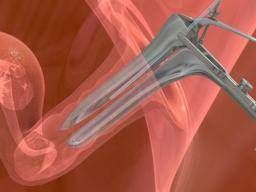
A speculum is placed in the vagina so the cervix can be visualized. The cervix may be gently cleaned, after which a soft catheter is guided through the cervical opening. Ultrasound helps the physician position the catheter in an appropriate area of the uterine cavity without touching the very top of the uterus.
The embryologist loads the embryo into the catheter in a small drop of fluid. The physician releases the embryo, withdraws the catheter, and returns it to the embryology laboratory for inspection. The procedure commonly lasts only several minutes, although positioning can take longer when the cervical canal is curved or difficult to navigate.
Evidence-based transfer practices include ultrasound guidance, use of a soft catheter, careful placement within the uterine cavity, and avoiding unnecessary trauma.
Does embryo transfer hurt?
Most patients report pressure rather than significant pain. The speculum, full bladder, or passage of the catheter may cause temporary discomfort or mild cramping. Sedation is not routinely required. Patients with a history of difficult cervical procedures should discuss pain control and transfer planning with their clinic in advance.
How Many Embryos Should Be Transferred?
Transferring more embryos may appear to increase the chance of pregnancy in a single attempt, but it also raises the risk of twins or higher-order multiple pregnancy. Multiple gestation is associated with premature delivery, low birth weight, pregnancy-related hypertension, gestational diabetes, neonatal complications, and increased risks for the person carrying the pregnancy.
For many patients, the safest goal is one healthy baby at a time. Current professional guidance strongly supports single-embryo transfer for favorable-prognosis patients, especially when transferring a chromosomally normal embryo. The transfer of a euploid embryo should generally be limited to one regardless of the patient’s age. Age, embryo stage, embryo testing, previous outcomes, and medical history all affect the final recommendation.
Transferring two embryos also does not guarantee twins. It could result in no pregnancy, one pregnancy, twins, or, rarely, more than two fetuses if an embryo divides. This is why the decision deserves more than a casual “two must be twice as good” calculation.
What Role Does Preimplantation Genetic Testing Play?
Preimplantation genetic testing for aneuploidy, known as PGT-A, examines cells biopsied from a blastocyst to estimate whether the embryo has the expected number of chromosomes. An embryo reported as euploid may have a higher likelihood of implantation per transfer and a lower risk of miscarriage than an embryo with a major chromosomal abnormality.
However, PGT-A is not a perfect test and has not been shown to improve cumulative live-birth outcomes for every IVF patient. Testing adds cost, requires embryo biopsy and freezing, and may produce mosaic or uncertain results that require detailed counseling. Professional guidance does not support treating PGT-A as an automatic universal screening test for all IVF cycles.
Patients should discuss what the test can answer, what it cannot answer, and whether it is likely to change treatment decisions in their particular situation.
What Should You Do After an Embryo Transfer?
Extended bed rest does not improve pregnancy rates. Patients can generally stand up, use the restroom, walk out of the clinic, and resume ordinary light activities. An embryo cannot fall out when someone coughs, climbs stairs, or goes to the bathroom. The uterus is not an open hallway with an inconvenient exit sign.
ASRM guidance supports immediate movement after the transfer rather than prolonged recumbency.
Clinics may recommend avoiding intense exercise, overheating, heavy lifting, alcohol, smoking, and activities that cause significant pelvic discomfort. These instructions can vary according to ovarian size, recent egg retrieval, risk of ovarian hyperstimulation, and other medical factors.
Patients should continue estrogen, progesterone, or other prescribed medication until the fertility team provides different instructions. Medication should not be stopped merely because spotting occurs or a home pregnancy test is negative.
Symptoms After Embryo Transfer
Possible symptoms during the waiting period include:
- Mild pelvic cramping
- Light spotting
- Bloating or constipation
- Breast tenderness
- Fatigue
- Headaches
- Increased vaginal discharge
- Mood changes
Unfortunately, these symptoms are unreliable pregnancy predictors. Progesterone can imitate early pregnancy with impressive dramatic flair, while a successful implantation may cause no noticeable symptoms at all. Feeling nothing does not mean the transfer failed, and feeling everything does not confirm pregnancy.
When to call the clinic
Contact the fertility team promptly for heavy bleeding, severe or worsening abdominal pain, persistent vomiting, fever, fainting, shoulder pain, shortness of breath, rapidly increasing abdominal swelling, or reduced urination. These symptoms can indicate a complication such as ovarian hyperstimulation, internal bleeding, infection, or an ectopic pregnancy and should not be managed through internet guesswork.
When Is the Pregnancy Test Performed?
A blood pregnancy test measuring beta-human chorionic gonadotropin, or beta-hCG, is commonly performed about nine to fourteen days after transfer. The exact timing depends on whether a cleavage-stage embryo or blastocyst was transferred and on the clinic’s protocol.
Testing too early at home can produce a false-negative result because hCG has not risen enough. It can also produce a misleading positive result when an hCG-containing trigger injection remains in the body. A clinic blood test provides a measurable value that can be repeated to evaluate the early trend.
A positive hCG test is an important milestone, but it does not yet confirm the location or long-term viability of a pregnancy. Follow-up blood testing and an ultrasound are usually required.
What Determines Embryo Transfer Success?
No single factor controls the outcome. Success depends on a combination of:
- Age when the eggs were retrieved
- Egg and sperm quality
- Embryo development and chromosomal status
- Uterine anatomy and endometrial readiness
- The underlying cause of infertility
- Previous pregnancy and transfer history
- Embryology laboratory performance
- Transfer technique and clinical experience
- Use of donor eggs, donor embryos, or a gestational carrier
Published clinic success rates must be interpreted carefully. Clinics treat different patient populations, use different reporting measures, and may have relatively small numbers in certain age or treatment categories. A pregnancy rate per transfer is also not the same as a cumulative live-birth rate after all embryos from one retrieval are used. The CDC advises patients to consider patient characteristics, clinic volume, treatment practices, and year-to-year variation when comparing results.
What If the Transfer Does Not Work?
An unsuccessful transfer does not necessarily mean that the procedure was performed incorrectly or that the uterus “rejected” the embryo. Many failures occur because an embryo lacks the biological ability to continue developing, often for reasons that cannot be seen under a microscope.
After a negative result, the care team may review embryo development, transfer difficulty, hormone levels, medication timing, endometrial findings, and the uterine cavity. Additional testing may be reasonable after repeated failures or when a specific concern is present. However, patients should be cautious about expensive add-on tests and treatments promoted as guaranteed implantation boosters when strong evidence is lacking.
One unsuccessful transfer is emotionally significant, but it is not always medically unusual. The appropriate next step may be another transfer using an available embryo, a modified preparation protocol, additional evaluation, or a broader discussion about treatment goals.
Questions to Ask Before an Embryo Transfer
- Are you recommending a fresh or frozen transfer, and why?
- Will this be a natural, modified-natural, or medicated cycle?
- What stage and grade is the embryo?
- How many embryos do you recommend transferring?
- How should I take estrogen, progesterone, and other medications?
- What should I do if I miss or delay a dose?
- When will the pregnancy test be performed?
- Which symptoms require an urgent call?
- What will happen to embryos that are not transferred?
- How does the clinic report live-birth and cumulative success rates?
Conclusion
An embryo transfer is technically simple but biologically and emotionally complex. The procedure usually involves guiding a soft catheter through the cervix and placing an embryo into a carefully prepared uterus. Most patients can return to normal light activity immediately, and prolonged bed rest is unnecessary.
Success depends on embryo biology, age at egg retrieval, uterine conditions, hormone timing, laboratory quality, and clinical technique. Single-embryo transfer is generally the safest approach for favorable-prognosis patients because it reduces the health risks associated with multiple pregnancy. Above all, instructions should be personalized by a reproductive endocrinologist who understands the patient’s complete medical and fertility history.
What Patients Commonly Experience: The Human Side of Embryo Transfer
For many patients, transfer day feels surprisingly ordinary at first. They may arrive expecting an operating-room spectacle and instead find themselves wearing socks, a hospital gown, and an expression that says, “I am excited, terrified, and urgently need to empty my bladder.” The medical team performs identity checks, discusses the embryo, and may show a magnified image on a screen. That image can feel deeply meaningful even though, to the untrained eye, it resembles a tiny gray bubble.
The procedure often moves quickly. Patients may feel pressure from the speculum, the ultrasound probe pressing on the abdomen, or mild cramping as the catheter passes through the cervix. Many are surprised when the physician announces that the transfer is finished. After so much preparation, the main event may be shorter than ordering coffee behind someone who cannot decide between oat milk and almond milk.
Emotions immediately afterward vary widely. Some people feel hopeful and connected to the embryo. Others feel emotionally numb, cautious, or afraid to become optimistic. A patient may cry from relief, anxiety, exhaustion, or all three before reaching the parking lot. There is no correct emotional reaction, and feeling detached does not mean someone cares less about the outcome.
The waiting period is commonly more difficult than the procedure. Every sensation can become evidence in an imaginary investigation. A cramp is interpreted as implantation. Then it is interpreted as an approaching period. Then it is interpreted as something caused by lunch. Patients may check toilet paper for spotting, compare symptoms with online forums, and inspect home pregnancy tests under lighting conditions normally reserved for forensic laboratories.
Progesterone makes the experience especially confusing. It can cause fatigue, breast tenderness, bloating, constipation, headaches, vaginal discharge, and mood changes whether or not implantation has occurred. Some patients experience no symptoms and become convinced the cycle failed, only to receive a positive blood test. Others experience strong symptoms and receive a negative result. The body is not being deceptive on purpose, but it is certainly not providing helpful customer service.
Partners and family members may also struggle. They may want to be supportive but not know whether to express optimism, prepare for disappointment, or avoid the subject entirely. Clear communication can help. Some patients want daily check-ins; others prefer distraction and normal conversation. Deciding in advance who will receive updates can reduce the burden of repeatedly answering questions.
Practical coping strategies include planning gentle activities, limiting unhelpful internet searches, keeping medication alarms, and deciding whether home testing will create reassurance or more anxiety. Counseling, infertility support groups, and peer communities can be valuable, particularly after repeated treatment or pregnancy loss. Fertility treatment is widely recognized as emotionally stressful, although most patients ultimately adapt well and may develop stronger communication and coping skills.
Whether the test is positive or negative, transfer day remains a meaningful point in treatment. A positive result begins another period of monitoring and uncertainty rather than instantly erasing anxiety. A negative result may bring grief that deserves acknowledgment, even when frozen embryos remain. Patients should not blame themselves for walking too far, feeling stressed, laughing, working, or failing to eat a supposedly magical implantation food. Embryo implantation is a complex biological process, not a test of perfect behavior.