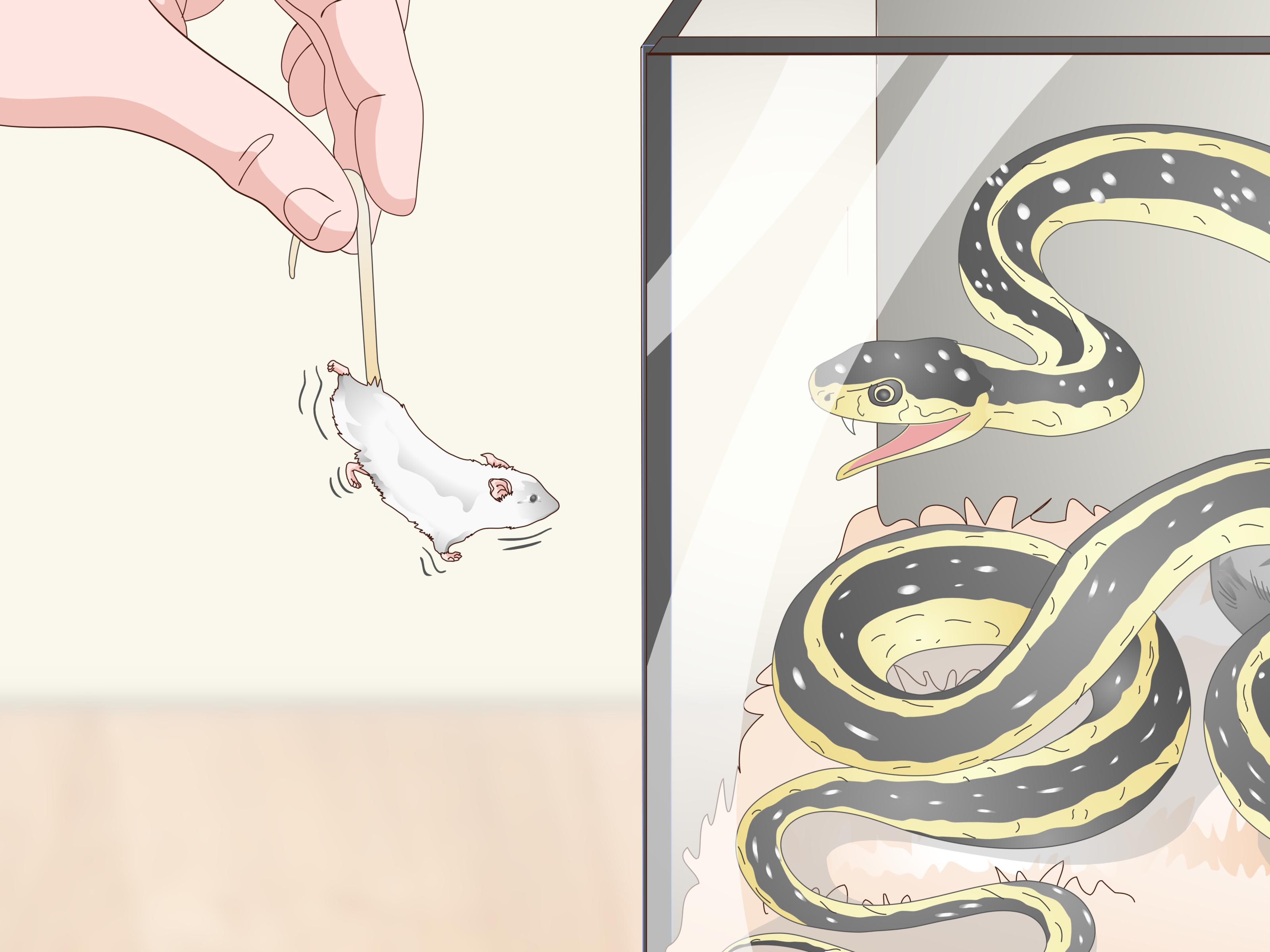
Feeding a snake frozen food sounds simple until you are standing in your kitchen at 9 p.m. holding a thawed mouse with tongs, wondering whether your pet is judging your technique. Good news: your snake is not judging you. Probably. More importantly, frozen-thawed prey is one of the safest, most practical, and most widely recommended ways to feed many pet snakes, including ball pythons, corn snakes, kingsnakes, milk snakes, boas, and many other commonly kept species.
Learning how to feed a snake frozen food is not just about tossing a thawed rodent into the enclosure and hoping nature handles the rest. The process involves choosing the right prey size, thawing it safely, warming it properly, presenting it in a way that triggers your snake’s feeding response, and keeping everything clean enough that your reptile room does not become a tiny biological crime scene.
This guide walks you through the entire process in plain English: what to buy, how to thaw frozen mice or rats, how warm the prey should be, how often to feed, what to do if your snake refuses, and how to avoid common beginner mistakes.
Why Feed a Snake Frozen-Thawed Food?
For most pet snakes, frozen-thawed rodents are safer than live prey. A live mouse or rat may look harmless, but rodents have teeth, claws, survival instincts, and absolutely no interest in becoming dinner politely. If a snake is not hungry, is stressed, is in shed, or strikes poorly, a live rodent can bite and scratch the snake. Serious wounds, eye injuries, infections, abscesses, and even fatal injuries can happen when live prey is left unattended.
Frozen snake food also makes life easier for owners. You can store appropriately sized feeder mice or rats in the freezer, plan feedings ahead of time, and avoid emergency pet-store runs. It is cleaner, more convenient, and usually more humane because the feeder animal has already been euthanized before freezing.
Frozen Food Is Not the Same as Cold Food
Here is the first big rule: frozen-thawed does not mean chilly. Snakes should never be offered prey straight from the freezer or prey that is still cold in the center. Most snakes rely heavily on scent, and many species also respond to warmth. A rodent that feels like a tiny ice pack is not very convincing as dinner. It is also harder to digest safely.
The goal is simple: thaw the prey completely, then warm it to roughly room temperature or a little warmer before offering it. For heat-sensitive snakes such as pythons, a prey item warmed to near body temperature can make a major difference.
Step 1: Choose the Right Frozen Prey
Before you thaw anything, make sure you are using the correct prey type and size. Most common pet snakes eat whole rodents such as mice or rats. Baby snakes often start with pinky mice, while larger adults may eat adult mice, weaned rats, small rats, or larger prey depending on the species.
How Big Should Frozen Snake Food Be?
A common guideline is to choose prey that is about the same width as the widest part of your snake’s body, or only slightly larger. The prey should create a small, visible lump after feeding, not make your snake look like it swallowed a tennis ball and made poor life choices.
Oversized prey can lead to regurgitation, stress, injury, or digestive problems. Undersized prey may leave the snake underfed, especially during growth. When in doubt, choose a slightly smaller prey item and feed on an appropriate schedule rather than offering one huge meal.
Examples of Prey Size by Snake Type
A hatchling corn snake may begin with pinky mice. A juvenile ball python may take fuzzy rats, hopper mice, or small mice depending on its size. An adult corn snake may eat adult mice, while an adult ball python may do well on appropriately sized rats. Large boas and pythons need larger prey, but their meals should still match their body condition and species needs.
Because snakes vary so much, the best feeding plan considers species, age, weight, body condition, metabolism, enclosure temperature, and activity level. A reptile veterinarian or experienced reptile keeper can help you fine-tune the schedule.
Step 2: Store Frozen Rodents Safely
Keep frozen feeder rodents sealed in their original packaging or in a clearly labeled freezer bag. Store them away from human food when possible. If they must share a freezer, place them in a dedicated container so nobody accidentally grabs “mice” when looking for “meatballs.” That is not the kind of family dinner story anyone needs.
Use reputable suppliers that handle feeder rodents properly. Avoid freezer-burned, damaged, smelly, or questionable prey. Frozen does not mean sterile. Feeder rodents can still carry bacteria, including Salmonella, so treat them like raw meat. Wash your hands, disinfect surfaces, and keep feeding tools separate from kitchen utensils.
Step 3: Thaw the Frozen Prey Properly
The safest way to thaw frozen snake food is slowly in the refrigerator. Place the prey in a sealed plastic bag or covered container and let it thaw overnight. Small pinky mice may thaw faster, while larger rats may need 24 hours or more.
Do not leave frozen rodents sitting on the counter for hours. Room-temperature thawing can allow bacteria to multiply quickly. Also, do not thaw prey directly in hot water from frozen. The outside may warm while the center remains icy, creating a bad combination: bacteria-friendly surface, frozen middle, and a snake that may refuse the whole thing like a tiny scaly food critic.
Can You Thaw Frozen Mice in Water?
Yes, but it is best done carefully. If you need a faster method, keep the prey sealed in a watertight bag and place it in cool or lukewarm water until thawed. Change the water as needed. Once fully thawed, warm it separately before feeding. Avoid letting the prey soak directly in water because it can become soggy, lose scent, and become less appealing.
Step 4: Warm the Prey Before Feeding
After the prey is completely thawed, warm it by placing the sealed bag in warm water for 10 to 20 minutes. The prey should feel warm, not hot. Many snake owners aim for a temperature close to a live mammal’s body warmth, especially for ball pythons and other snakes that respond strongly to heat.
You can use an infrared temperature gun if you want more accuracy. Aim for roughly the high 90s Fahrenheit on the surface, but avoid overheating. The prey should never be cooked, steaming, bursting, or suspiciously soup-like. If it looks like a failed science experiment, discard it and start over.
Never Use a Microwave
Do not microwave frozen rodents. Microwaves heat unevenly and can create hot spots that may burn your snake’s mouth or throat. They can also rupture the prey item, which is as unpleasant as it sounds. Warm water is safer, gentler, and far less likely to make your kitchen smell like regret.
Step 5: Prepare the Feeding Area
Before feeding, make sure your snake’s enclosure is secure, quiet, and at the correct temperature. Snakes are ectothermic, meaning they rely on environmental heat to digest food. If the enclosure is too cold, digestion may slow down, and the risk of regurgitation increases.
Check that the snake has a proper warm side, cool side, hiding places, and fresh water. Avoid feeding immediately after stressful events such as shipping, major enclosure changes, heavy handling, or a full habitat cleaning. A stressed snake may ignore food even if the prey is prepared perfectly.
Should You Feed in the Enclosure or a Separate Tub?
Many modern keepers feed snakes inside their regular enclosure. Moving a snake to a separate feeding tub can add stress and may increase the chance of regurgitation if the snake is handled soon after eating. Feeding in the enclosure is usually fine as long as you use tongs and avoid loose substrate ingestion.
If your snake lives on loose bedding, offer the prey on a feeding plate, hide top, paper towel, or another clean surface. This reduces the chance that the snake swallows bedding along with the prey.
Step 6: Offer the Frozen-Thawed Food With Tongs
Use long feeding tongs or hemostats, not your fingers. This protects your hand and helps the snake distinguish food from owner. Hold the warmed prey near the snake’s head, but do not shove it into the snake’s face. Gentle movement can help. Wiggle the prey slightly to mimic life, especially for snakes that need a little theater with dinner.
Some snakes strike immediately. Others approach slowly, tongue-flick, think about it, reconsider their entire existence, and then eat. Be patient. Keep movements calm and controlled. If your snake strikes and coils, let go of the prey and step back.
Give Privacy After the Strike
Once the snake has taken the prey, leave it alone. Do not tap the glass, lift hides, take flash photos, or invite the household to watch. Feeding is vulnerable behavior. A nervous snake may drop the prey or refuse to finish swallowing.
Step 7: Leave the Snake Alone After Feeding
After your snake eats, avoid handling for at least 24 to 48 hours. Larger meals may require more time. Handling too soon can stress the snake and increase the risk of regurgitation. Let digestion happen in peace.
Make sure the enclosure temperature remains correct. The snake needs access to warmth, but it should also be able to move away from heat if needed. Proper temperature gradients are not optional; they are part of digestion, immune function, and overall health.
How Often Should You Feed a Snake Frozen Food?
Feeding frequency depends on species, age, size, season, and body condition. Baby snakes usually eat more often than adults because they are growing. Small juveniles may eat every 5 to 7 days. Many adult corn snakes eat every 7 to 14 days. Adult ball pythons may eat every 10 to 21 days depending on size and prey type. Larger boas and pythons often eat less frequently.
Do not judge feeding needs by begging behavior alone. Some snakes act hungry whenever the enclosure opens. Others are shy and may eat only when conditions are perfect. Body condition matters more than drama. A healthy snake should have good muscle tone, a rounded body shape, and no sharp spine or heavy fat rolls.
What If Your Snake Refuses Frozen Food?
A refused meal is not always an emergency. Snakes may skip food during shed, breeding season, cooler weather, stress, illness, or after environmental changes. Some species, especially ball pythons, are famous for occasional hunger strikes. They did not read your feeding calendar, and frankly, they do not care.
First, Check the Basics
Before trying tricks, review husbandry. Is the warm side warm enough? Is the humidity correct? Does the snake have secure hides? Has it been handled too much? Is it going into shed? Is the prey the right size? Is the prey fully thawed and warm?
Many feeding problems are not food problems at all. They are temperature, stress, enclosure, or timing problems wearing a food-problem costume.
Try These Feeding Tips
Warm the prey a little more, especially the head. Offer food at the time your snake is naturally active. Nocturnal snakes may feed better in the evening. Use tongs to make small, natural movements. Try a smaller prey item. Try a different prey type, such as mouse instead of rat or rat instead of mouse, if appropriate for the species.
For stubborn snakes, scenting may help. Some keepers scent rodents with chick, quail, tuna water, or species-specific scenting products, depending on the snake. Use this carefully and do not make sudden diet changes without understanding your species’ nutritional needs.
When to Call a Reptile Veterinarian
Contact a reptile veterinarian if your snake loses weight, repeatedly refuses food, regurgitates, shows swelling, wheezing, mouth discharge, abnormal stool, stuck shed, lethargy, or unusual behavior. A healthy adult snake can sometimes skip meals, but weight loss or illness signs should not be ignored.
Food Safety: Protect Yourself and Your Snake
Frozen feeder rodents can carry germs. Always wash your hands after handling prey, reptiles, feeding tools, water bowls, or enclosure items. Keep frozen rodents away from human food preparation areas when possible. If you must use a kitchen sink or counter, disinfect thoroughly afterward.
Use dedicated reptile tools: tongs, bowls, thawing containers, cleaning brushes, and disinfectants. Do not wash reptile items in the same sink where baby bottles, dishes, or produce are cleaned if you can avoid it. Homes with young children, elderly family members, pregnant people, or immunocompromised individuals should be especially careful with reptile-related hygiene.
Common Mistakes to Avoid
Feeding Prey That Is Too Large
Bigger is not better. Oversized meals can cause regurgitation and stress. Choose prey based on the snake’s body width and condition.
Feeding Cold or Partially Frozen Prey
Always thaw completely and warm before feeding. A frozen center can cause refusal or digestive trouble.
Refreezing Uneaten Prey
If your snake refuses a thawed rodent, discard it. Do not refreeze it for later. Once thawed and warmed, the prey is no longer safe for repeated storage.
Handling Too Soon After Feeding
Give your snake time to digest. Handling too early is one of the easiest mistakes to avoid.
Ignoring Husbandry
Feeding success depends on the whole setup. Temperature, humidity, hides, enclosure security, and stress levels all affect appetite.
Experience Notes: What Feeding Frozen Food Is Really Like
The first few times you feed a snake frozen food, the process may feel awkward. You thaw the prey in the refrigerator, warm it in water, grab the tongs, open the enclosure, and suddenly your calm pet snake becomes a tiny prehistoric missile. Or, in classic snake fashion, it does absolutely nothing and stares past the mouse as if you are offering it a tax form.
In real-world snake keeping, patience is often more important than perfection. Many snakes learn routines. They recognize evening feeding time, the scent of warm prey, the sound of the enclosure opening, or the appearance of feeding tongs. Some snakes strike confidently every time. Others need privacy, dim lighting, or a little movement before they commit. A picky snake is not necessarily a broken snake. It may simply need better timing, better warmth, or a calmer setup.
One practical lesson many keepers learn quickly is to prepare everything before opening the enclosure. Have the prey fully warmed, tongs ready, lid or door secure, and distractions minimized. Do not thaw the mouse, then go searching for tongs, then answer a text, then realize the prey has cooled down. Snakes are very good at turning small delays into refusals.
Another useful experience-based tip is to watch your snake’s body language. A feeding-ready snake may tongue-flick repeatedly, move toward the prey, form an S-shaped neck curve, or focus intensely. A stressed snake may retreat, hide, jerk away, or ignore the prey. If the snake seems nervous, back off and let it settle. Sometimes the best feeding technique is simply doing less.
Keepers also learn that prey temperature matters more than many beginners expect. A ball python that ignores a lukewarm rat may strike instantly when the head is warmed a little more. A corn snake may not care as much and will eat with the enthusiasm of a vacuum cleaner wearing scales. Species and individuals vary, so take notes after each feeding. Record the date, prey size, prey type, whether the snake ate, shed status, and any unusual behavior. Over time, patterns appear.
Finally, feeding frozen-thawed food builds confidence. The first feeding may feel strange, but after a few successful meals, the routine becomes simple: thaw, warm, offer, clean up, let the snake digest. It is safer than live feeding, easier to schedule, and better for most pet snake households. Your snake gets a nutritious whole-prey meal, you avoid rodent combat night, and everyone gets to move on with dignity intact.
Conclusion
Knowing how to feed a snake frozen food is one of the most important skills for responsible snake ownership. The process protects your snake from live-prey injuries, makes feeding more convenient, and helps you maintain a cleaner, safer routine. Choose the correct prey size, thaw it slowly in the refrigerator, warm it gently in water, use tongs, feed in a calm environment, and leave your snake alone afterward so it can digest.
If your snake refuses a meal, do not panic. Check temperature, humidity, stress, shed cycle, prey size, and timing before assuming something is wrong. If refusals continue or your snake loses weight, consult a reptile veterinarian. Frozen-thawed feeding is not complicated once you understand the steps, and with a little practice, it becomes as routine as feeding any other petjust with more tongs and fewer kibble scoops.