A Metal Slim Cone Shade is the lighting equivalent of a perfectly tailored blazer: simple, structured, surprisingly versatile, and somehow able to make everything around it look more intentional. Whether it appears above a kitchen island, beside a bed, over a reading chair, or in a compact hallway, this slender conical shade brings a clean architectural line without shouting, “Look at me, I read design magazines.”
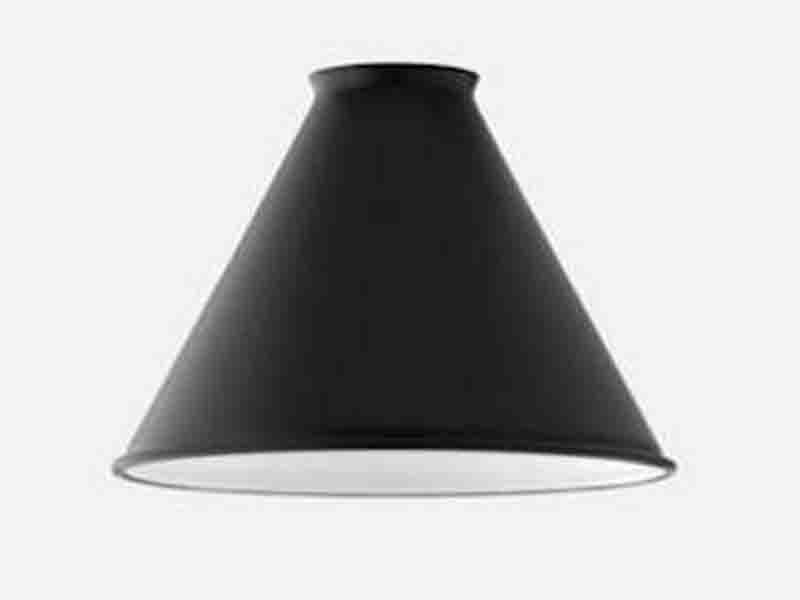
At its core, a metal slim cone shade is a tapered lampshade made from materials such as aluminum, steel, brass, or painted metal. Its narrow profile and angled form help direct light downward, making it especially useful for task lighting. But unlike bulky lampshades that dominate a room, a slim cone shade keeps the visual footprint light. It offers focus, shape, and polish without eating the room for breakfast.
This guide explores what makes the metal slim cone shade so popular, how to choose one, where to use it, which finishes work best, and what real-life experience teaches after you actually install one and live with it.
What Is a Metal Slim Cone Shade?
A metal slim cone shade is a lampshade with a tapered cone silhouette, usually wider at the bottom and narrower at the top. Unlike a drum shade, which has straight vertical sides, the cone shape narrows as it rises. This creates a sleek directional profile that feels modern, industrial, Scandinavian, mid-century, or farmhouse depending on the finish and fixture pairing.
The word “slim” matters. A slim cone shade is typically more refined than a wide warehouse-style shade. It may have a sharper taper, a smaller diameter, or a longer, more elegant silhouette. This makes it useful in places where you want the function of a pendant or wall light but do not want a fixture that visually blocks the room.
Why Metal Works So Well for Cone Shades
Metal is one of the most practical materials for cone shades because it is durable, shape-retaining, and excellent at creating directional light. Fabric shades diffuse light softly in all directions, while glass shades can glow beautifully but may reveal bulbs, glare, or dust. Metal shades are different: they control the beam. They send light where it is needed and keep the fixture looking crisp.
That makes a metal slim cone shade especially useful over work surfaces. Think kitchen counters, breakfast bars, desks, bedside tables, craft corners, and café-style dining nooks. The shade creates a defined pool of light below it, which is exactly what you want when chopping vegetables, reading a book, or trying to find the one tiny screw that rolled under your laptop.
Popular Styles of Metal Slim Cone Shades
Modern Minimalist
A matte black, white, or brushed nickel cone shade can look beautifully restrained in modern interiors. The simple geometry complements clean cabinets, flat-front drawers, stone countertops, and neutral walls. For a minimalist room, the trick is to let the shape do the work. Skip unnecessary decoration and choose a finish that feels intentional.
Industrial
Industrial metal cone shades often feature black, pewter, galvanized steel, oil-rubbed bronze, or aged brass finishes. They pair well with exposed brick, reclaimed wood, concrete floors, open shelving, and black-framed windows. A slim cone shape softens the industrial look just enough so the room feels stylish rather than “converted boiler room.”
Mid-Century Inspired
Mid-century lighting loves cones. A slim metal shade with brass accents, warm white paint, or a two-tone interior can feel straight out of a polished 1950s homeminus the questionable carpet. These shades work especially well in dining rooms, bedrooms, and reading corners where sculptural lighting adds personality.
Farmhouse and Cottage
For farmhouse interiors, a white enamel, aged brass, antique nickel, or soft black cone shade can feel relaxed and practical. Use it over a sink, pantry counter, mudroom bench, or breakfast table. The cone shape keeps the look classic, while the slim profile prevents the fixture from feeling heavy.
Best Places to Use a Metal Slim Cone Shade
Kitchen Islands
The kitchen island is one of the best locations for metal slim cone pendant shades. The downward beam supports food prep, serving, homework, and casual meals. Because the shade is slim, it helps preserve sightlines across the kitchen. That is important if your island is the social center of the home and you do not want guests talking to a row of metal lampshades instead of your face.
Above a Sink
A single cone pendant or cone wall sconce above a sink can add charm and task lighting. Choose a finish that coordinates with your faucet or cabinet hardware. It does not have to match perfectly; in fact, mixed metals can look more collected and personal when they share a similar undertone.
Bedroom Reading Lights
Mounted on either side of the bed, metal slim cone shades create focused reading light while freeing up nightstand space. Wall sconces with adjustable arms are especially practical. A matte finish can reduce visual glare, while a white or reflective interior can increase brightness.
Dining Areas
In a dining room, cone shades create intimacy. A larger slim cone pendant centered above the table can make the meal feel cozy and grounded. For long tables, two or three smaller cone pendants in a row can provide balance. Just avoid hanging them so low that dinner guests have to duck around them like they are entering a secret tunnel.
Home Offices
A slim cone shade works well over a desk because it directs light downward without taking up surface space. Choose a bulb temperature that supports focususually warm white to neutral white, depending on the room. For video calls, avoid placing a strong pendant directly above your face unless your goal is “dramatic interrogation scene.”
How to Choose the Right Size
Size is where many lighting purchases go sideways. A shade can be beautiful online but look tiny in a large room or gigantic over a small table. For table and floor lamps, a common design rule is to choose a shade that relates to the height and width of the base. For pendant lighting, the shade size should relate to the surface below it, the ceiling height, and the number of fixtures used.
For kitchen islands, small slim cone shades often work well in multiples, while wider cone shades may be better as a pair. If the island is long, three pendants can create rhythm. If it is shorter, two larger shades may feel cleaner. Leave enough visual space between each fixture so the arrangement looks intentional rather than crowded.
For bedside sconces, smaller shades usually look better because they sit closer to eye level. For dining rooms, the shade can be more dramatic, but it should still leave comfortable views across the table. Good lighting should improve the conversation, not become the third guest at dinner.
Understanding Finish Options
Matte Black
Matte black is bold, flexible, and popular for modern, industrial, farmhouse, and transitional rooms. It adds contrast against white walls, pale wood, marble, and light cabinetry. It is also forgiving when it comes to fingerprints compared with polished finishes.
White
A white metal cone shade feels clean and airy. It is ideal for kitchens, coastal homes, Scandinavian interiors, and small rooms where darker fixtures might feel too heavy. A white interior can also help bounce light downward more brightly.
Brass and Aged Brass
Brass brings warmth. A slim cone shade in brass or with brass accents can make a room feel richer without becoming flashy. Aged brass is especially versatile because it has a softer, lived-in character.
Brushed Nickel and Chrome
Cool-toned metals like brushed nickel and chrome work well in contemporary kitchens, bathrooms, and spaces with stainless appliances. Chrome feels sharper and more reflective, while brushed nickel is calmer and easier to blend.
Copper
Copper cone shades add warmth and character. They can look rustic, modern, or artisanal depending on the shape and finish. Because copper has a strong personality, it works best when repeated subtly in hardware, cookware, or decorative accents.
Interior Color Matters More Than You Think
The inside of a metal slim cone shade affects the quality of light. A white interior reflects light efficiently and keeps the beam clean and practical. A brass or gold interior adds warmth and glow. A dark interior creates a moodier effect but may reduce brightness.
If you need strong task lighting, choose a white or light-reflective interior. If the shade is decorative and used for ambiance, a warm metallic interior can be beautiful. For a restaurant-like mood, brass interiors are hard to beat. They make everything look slightly more flattering, including dinner, countertops, and your life choices.
Bulb Choice for Metal Cone Shades
Because metal shades direct light downward, bulb choice is important. A visible bulb can create glare if it sits too low inside the shade. Look for LED bulbs that fit neatly inside the cone and provide the right brightness for the location.
For kitchens and workspaces, choose bulbs with enough lumens for task lighting. For bedrooms and dining spaces, dimmable bulbs are often the smarter choice. A dimmer allows the same fixture to be bright during chores and soft during relaxed evenings. Warm white bulbs usually create a cozy feel, while neutral white bulbs support clearer task visibility.
Fitter Types and Compatibility
Before buying a metal slim cone shade, check the fitting. Shades may use different attachment styles, including uno fitters, spider fitters, clip-on fitters, or pendant-specific collars. A shade that looks perfect but does not fit your fixture is not a design feature; it is a small metal disappointment.
If you are replacing an existing shade, measure the opening, check the socket type, and confirm whether the shade is sold alone or with a cord, canopy, and socket. Many cone shades are shade-only products, which means you may need separate pendant hardware. Always check maximum wattage, bulb type, and whether the shade is intended for ceiling, wall, or lamp use.
How High Should You Hang a Metal Cone Pendant?
Over kitchen islands and counters, pendants are commonly hung high enough to keep sightlines open while still lighting the surface. The ideal height depends on ceiling height, shade size, and the people using the room. Taller users may prefer the shade slightly higher. Larger shades also often need more clearance so they do not feel visually intrusive.
Over dining tables, the shade should feel intimate but not block faces. In hallways or open spaces, keep the bottom of the fixture high enough for safe clearance. When in doubt, mock it up with painter’s tape, string, or a cardboard cutout. It may look silly for ten minutes, but it is much better than installing three pendants and realizing they hover at forehead level.
Design Pairings That Work Beautifully
Metal Cone Shade + Marble Countertop
A black or brass cone shade over marble creates a polished, editorial look. The contrast between stone and metal feels refined and timeless.
Metal Cone Shade + Wood Cabinetry
Warm wood and metal are natural partners. Brass adds warmth, black adds contrast, and white keeps the space fresh.
Metal Cone Shade + Open Shelving
In kitchens with open shelves, slim cone shades provide structure without clutter. They help balance the horizontal lines of shelving with a clean vertical drop.
Metal Cone Shade + Vintage Furniture
A slim metal cone shade can modernize vintage pieces without erasing their character. Try one beside a mid-century chair, antique desk, or classic spindle bed.
Maintenance and Cleaning Tips
Metal shades are relatively easy to maintain. Dust them regularly with a soft cloth. For fingerprints or kitchen residue, use a slightly damp microfiber cloth and dry immediately. Avoid abrasive cleaners, especially on painted, brass, copper, or powder-coated finishes.
If the shade is installed in a kitchen, it may collect a fine layer of cooking film over time. Clean it gently and consistently rather than waiting until it looks like it has been seasoned like cast iron. For polished metals, follow the manufacturer’s care instructions to avoid dulling or scratching the surface.
Common Mistakes to Avoid
The first mistake is choosing a shade that is too small. Tiny pendants over a large island can look lost. The second mistake is choosing a shade that is too large for the room. Oversized metal shades can feel heavy and block views. The third mistake is ignoring the bulb. A beautiful shade with a glaring bulb is like wearing a designer outfit with shoes two sizes too small: technically dressed, emotionally wrong.
Another common issue is mismatched finish temperature. Cool chrome can clash with warm brass if there is no bridge between them. Mixed metals can absolutely work, but they should feel intentional. Repeat each finish at least once or connect them through nearby hardware, appliances, or decor.
Is a Metal Slim Cone Shade Right for Your Home?
A metal slim cone shade is a smart choice if you want focused light, a clean silhouette, and a fixture that can adapt to many styles. It is especially useful in kitchens, dining areas, bedrooms, offices, hallways, and reading corners. It works in small spaces because it does not feel bulky, and it works in larger spaces when repeated in a thoughtful arrangement.
Choose it if you like lighting that feels purposeful. Avoid it if you need broad, all-direction ambient glow from a single fixture. Metal cone shades are excellent team players in layered lighting plans. Pair them with recessed lights, sconces, under-cabinet lighting, or table lamps for a room that feels both practical and inviting.
Real-World Experience: Living With a Metal Slim Cone Shade
In real homes, the metal slim cone shade proves its value in the small daily moments. The first thing most people notice is how neatly it defines light. Instead of flooding the whole room, it creates a useful pool of brightness exactly where life happens. Over a kitchen island, that means meal prep feels easier. The cutting board is brighter, the fruit bowl looks better, and suddenly even a rushed breakfast has a little café energy.
One practical experience worth mentioning is that finish choice changes the mood dramatically. A matte black slim cone shade can make a kitchen feel sharper and more graphic. It gives white cabinets a strong outline and helps modernize simple spaces. A brass cone shade, on the other hand, warms everything up. It plays nicely with wood tones, creamy paint colors, and stone countertops. White metal is the quiet achiever. It disappears when needed and keeps small spaces from feeling crowded.
Installation also teaches an important lesson: height is everything. A cone pendant that hangs too low can interrupt conversation and sightlines. Too high, and it loses some of its cozy task-lighting magic. The best approach is to test the height before finalizing the cord or stem. Stand, sit, walk around, pretend to chop vegetables, and look across the island. Yes, you may feel ridiculous. But you will feel far more ridiculous if the finished pendant blocks your view of guests for the next five years.
Another lived-in detail is cleaning. Metal shades are easier than fabric shades, but kitchens are kitchens. Steam, oil, and dust have a way of forming a mysterious partnership. A quick wipe every week or two keeps the shade looking fresh. Matte finishes are forgiving, while polished finishes show fingerprints more easily. If you love shiny brass or chrome, keep a microfiber cloth nearby and accept that beauty sometimes asks for light maintenance.
Bulb testing is also part of the experience. The same shade can feel completely different with a cool bulb, warm bulb, clear bulb, frosted bulb, or dimmable LED. For most living spaces, a warm white dimmable bulb gives the best flexibility. It can be bright enough for tasks but soft enough for dinner or late-night tea. A frosted bulb is often more comfortable than a clear bulb because it reduces harsh glare inside the metal cone.
Finally, a slim cone shade has a surprisingly strong design presence for such a simple object. It does not rely on decoration, fringe, crystals, or dramatic curves. Its appeal comes from proportion. When the size, finish, bulb, and placement are right, it quietly pulls the room together. It makes a kitchen look more finished, a bedroom more intentional, and a reading corner more inviting. In other words, it does what great lighting should do: it improves the room without demanding applause.
Conclusion
The Metal Slim Cone Shade is a practical, stylish, and enduring lighting choice for modern homes. Its tapered profile directs light where it is needed, while its metal construction offers durability and crisp visual structure. From matte black kitchen pendants to brass bedside sconces, this shade style can move easily between industrial, minimalist, farmhouse, mid-century, and contemporary interiors.
The key is choosing the right size, finish, interior color, bulb, and mounting height. When those details work together, a metal slim cone shade does more than illuminate a surface. It adds rhythm, warmth, contrast, and personality. And unlike trend-heavy decor that loses charm quickly, this simple cone shape has the kind of design confidence that stays useful and attractive year after year.