Every backyard has a personality. Some have “serious gardener” energy. Some have “grill captain” swagger. And some
the lucky oneshave a mermaid named Leatrice watching over the pool deck like she’s the unofficial
lifeguard of summer. (No whistle. Mostly vibes.)
“Leatrice My Mermaid” has become shorthand for a specific kind of DIY joy: taking a simple mermaid silhouetteoften
sketched from a reference imageand turning it into outdoor wall art that feels custom, a little whimsical, and
surprisingly timeless. This article breaks down how to design, build, weatherproof, mount, and maintain your own
Leatrice-style mermaid piece so it survives sun, splash, and seasonswithout turning into a peeling, soggy cautionary
tale.
Why a Mermaid Belongs on Your Pool Deck (and Why You’ll Name Her)
Mermaids are basically mood lighting for the imagination
Mermaids show up across maritime cultures as symbols of the unknown ocean, storytelling, and the way humans project
meaning onto water. Modern mermaids can be playful and friendly (think “family pool day”), while older myths range
from mysterious to cautionary. Either way, a mermaid motif instantly reads as coastaleven if your nearest
beach is a road trip and a snack stop away.
“Leatrice” turns décor into a character
Naming your wall art sounds silly until it isn’t. The second you say, “Don’t mind thatLeatrice likes to sunbathe,”
you’ve transformed a flat decoration into a backyard mascot. People remember characters. Guests take photos. Kids wave
at her. Neighbors ask where you bought it. And you get to smile and say, “Oh, her? We made her.”
Design First: Pick a Leatrice That Fits Your Space
Choose a style: classic, modern, or “beach cottage chaotic”
- Classic silhouette: flowing hair, curved tail, simple profilehigh impact, low fuss.
- Art-deco mermaid: geometric tail scales, bold lines, limited color palette.
- Whimsical folk-art: big eyes, bright colors, playful details (starfish earrings optional).
- Elegant minimal: one or two colors with a strong outline and lots of negative space.
Scale it like a designer (not like a person guessing at a wall)
Before you cut anything, tape painter’s tape on the wall in the rough size of your mermaid. Stand back. Take a photo.
If the piece is near a pool, consider how it looks from pool level (yes, that’s a real viewpoint). If it’s
a deck wall, make sure it’s visible above railings and furniture.
A practical tip: bigger shapes read better outdoors. Wind, sun glare, and distance can make small details disappear.
You can always add detail with paint laterbut the overall silhouette is what sells the “wow.”
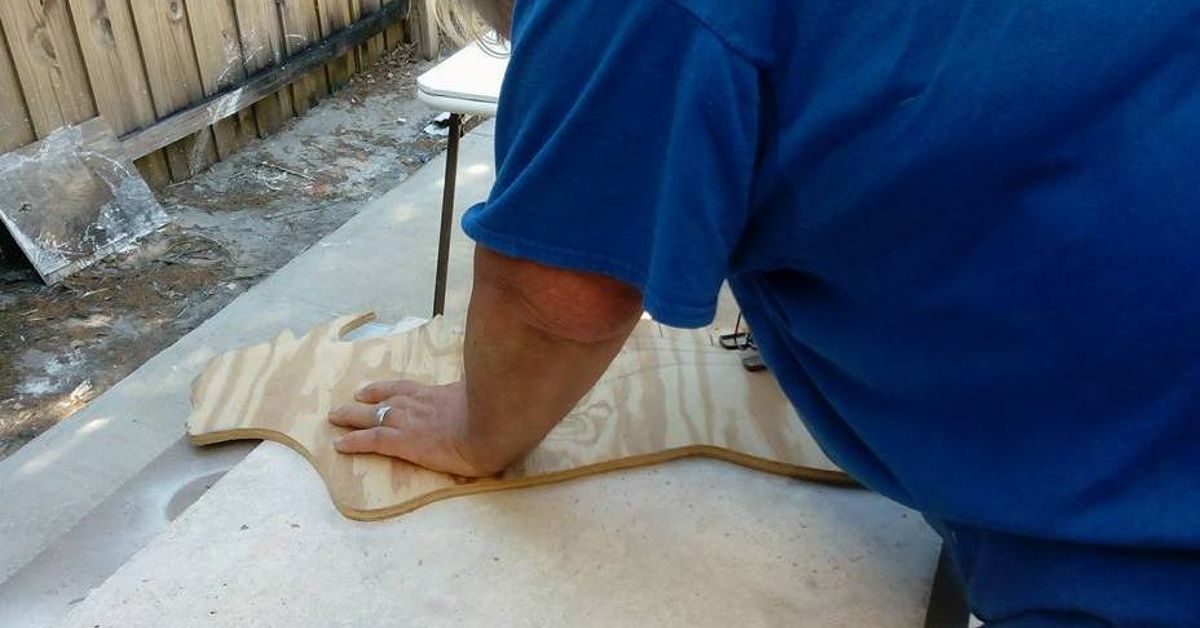
Transfer the pattern without turning it into a math quiz
Most DIYers use one of these approaches:
- Grid method: draw a grid on paper and a matching grid on the plywood, then copy square by square.
- Print-and-tape: print the image in sections, tape together, trace.
- Projector method: project onto the panel and trace (surprisingly effective and very “movie montage”).
Safety note (especially for teens): tracing and painting are great solo tasks. Cutting and mounting can involve sharp
tools and laddersget an adult to help, follow tool instructions, and use proper protective gear.
Materials That Make Leatrice Last Outside
Pick your base: plywood, MDO, or PVC trim board
Your substrate matters more than your artistic confidence. Outdoors, the enemy is moisture entering through edges and
end grainthen sun breaks down finishes, and freeze/thaw (in some climates) does the rest.
- Exterior-rated plywood: affordable and easy to find. Works best when edges are thoroughly sealed.
-
MDO (medium density overlay) signboard: a favorite for outdoor signage because its overlay face takes
paint well and holds up better than basic plywood. -
PVC trim board (exterior grade): doesn’t rot like wood, but still needs paint/UV protection and proper
fastening techniques for outdoor use.
Fasteners and mounting hardware: don’t let the weather “unscrew” your personality
If your mermaid is mounted near water, humidity and splash can accelerate corrosion. Stainless hardware is a strong
choice, and in salty/coastal environments, higher corrosion resistance matters. If you’re mounting to metal or mixing
metals (like aluminum brackets), use compatible materials and consider insulating washers to reduce corrosion risk.
Build and Prep: Where Outdoor Projects Are Won or Tragically Repainted
Cut, smooth, and round over edges (edges are where failures begin)
Once your outline is transferred, the goal is a clean silhouette with edges that accept finish evenly. Outdoor paint
systems fail fastest at raw edgesespecially plywood edgesbecause they drink water like a sponge at a pool party.
Lightly rounding edges helps coatings wrap and adhere rather than forming a thin, fragile film on a sharp corner.
Seal the edges and facesyes, the back too
A reliable outdoor approach is to treat the piece like an outdoor sign: seal all surfaces, and give extra attention to
edges. Options include:
- Exterior primer system: multiple coats on edges, then prime faces and paint.
- Epoxy encapsulation (advanced durability): creates a moisture barrier when done properly.
- Spar urethane / marine varnish: flexible clear finishes designed to handle seasonal wood movement.
If you’re painting (not staining), a high-quality primer plus exterior topcoats is a common, durable system. Many wood
finishing authorities emphasize that good priming and adequate film thickness (not skimpy coats) are key for longevity.
Knots and tannins: the “why is this yellow spot haunting me?” problem
If your wood has knots or tannin-rich areas, bleed-through can discolor paint over time. A stain-blocking primer helps
reduce this, and some situations call for specialty sealers on knots before priming. It’s not glamorousbut neither is
discovering ghost-stains on your mermaid’s forehead.
Paint Like a Pro (Even If You’re Listening to a Podcast and Wingin’ It)
Choose an outdoor-friendly paint system
For painted wood outdoors, high-quality acrylic latex house paint systems are widely recommended for many exterior wood
applicationsespecially when paired with the right primer. If your mermaid is near a pool or exposed to intense weather,
marine-grade coatings can also be a good option for durability and UV resistance.
Color ideas that look expensive (without costing expensive)
- Sea-glass palette: soft aqua, pale teal, sandy beige, and a warm white outline.
- Sunset mermaid: coral + deep navy + gold accents (keep gold subtle for “wow,” not “pirate coin”).
- Monochrome silhouette: matte black or deep charcoal with one pop color on the tail.
- Weathered driftwood look: layered dry-brush grays and off-whites for a coastal cottage vibe.
Topcoat or no topcoat?
If you use a paint designed for exterior exposure, you may not need a clear topcoat. But in harsh sun, heavy splash,
or constant humidity, a compatible protective finish can help. Spar urethane products are formulated with UV blockers
and are designed to flex with seasonal movement. Marine topside paints are also engineered for UV resistance and harsh
weather exposure (typically above the waterline).
Compatibility matters: mix systems carefully (primer + paint + clear coat) and follow product directions. When in
doubt, test on a small offcut first.
Mounting Leatrice: Keep Her Off the Wall Just Enough to Survive
Use a small gap for airflow and drainage
A common outdoor-sign trick is to mount with slight standoffs so water doesn’t get trapped behind the piece. Trapped
moisture can shorten the life of coatings. Even a small gap can improve drying after rain or pool splash.
Pick hardware for the environment
- Freshwater/humidity: corrosion-resistant screws and exterior-rated anchors/brackets.
- Coastal or salty air: consider higher corrosion-resistant stainless options and avoid mixing metals.
- Mixed-metal mounting: use insulating washers or barriers to reduce corrosion risk.
Placement tips that protect the finish
- Keep it out of direct sprinkler spray (sprinklers are the villains of outdoor décor).
- Avoid spots where pool chemicals splash frequently.
- If possible, give it partial shade during the hottest sun hours to reduce UV wear.
Maintenance: A Mermaid Deserves a Little Spa Day
Seasonal check-in (10 minutes, twice a year)
- Look for peeling at edges and touch up earlysmall fixes prevent big sanding sessions.
- Check fasteners for rust or loosening after windy seasons.
- Rinse off salt spray or heavy grime with gentle water (avoid harsh scrubbing that scars the finish).
Keep a tiny “Leatrice kit”
Store a small jar of your main color, a tiny brush, and a bit of primer. When a nick happens (because outdoor life is
messy), you’ll fix it immediately instead of staring at it for three months like it’s a personal betrayal.
Creative Variations: Make Leatrice Your Own
Mosaic tail for sparkle
Add texture with faux glass mosaic tiles, resin accents, or outdoor-rated adhesive elementsespecially on the tail.
Keep additions lightweight and sealed, and remember: anything that creates tiny pockets can trap moisture if not sealed
properly.
Solar lighting (subtle, not stadium)
Soft solar lights above or below the piece can create a nighttime glow. Aim for “magical coastal mood” rather than
“interrogation lamp.” Always follow electrical safety guidance and product instructions.
Family signature details
One of the sweetest approaches is adding tiny hidden elements: a child’s handprint wave pattern at the bottom, a
painted “found shell” motif, or a small date on the back like a backyard time capsule.
of Real-Life Style Experiences Around “Leatrice My Mermaid”
The stories below are a composite of common DIY moments people report when they create a named outdoor character
pieceespecially poolside art. Think of it as a true-to-life “you are here” map, not a single person’s diary.
1) The moment your yard stops being “a yard” and becomes “a place”
The first surprise usually happens before paint ever opens: you tape out the shape on the wall, step back, and realize
your outdoor space is about to feel curated. A mermaid silhouette changes the energy immediately. Suddenly you’re not
just maintaining a deckyou’re building a tiny setting. Friends start reacting to the idea as if it’s a feature, not a
craft. Someone says, “That’s going to look so cool,” and you catch yourself believing them. That’s the moment the
project becomes fun instead of “just another weekend task.”
2) The chaos of color choice (aka the “why do all blues look different outside?” phase)
Outdoor light is brutally honest. A shade that looked perfect indoors can turn neon in noon sun or muddy at sunset.
Many DIYers end up painting sample swatches directly on scrap and holding them up outside at different times of day.
It feels dramatic for a mermaid, but it saves you from repainting the whole tail because “Ocean Mist” secretly reads
as “Mouthwash Surprise” in bright light. Once you find the right palettesea-glass, sunset, or classic nauticalthe
whole piece suddenly looks intentional.
3) The edge-sealing lesson you only learn once
People often underestimate edges on plywood art. The first time you see a tiny bit of bubbling or roughness after a
rainy week, it becomes clear: edges are where weather starts negotiations. The most satisfied DIYers are the ones who
treat the edges like the VIP sectionextra primer, extra attention, and full coverage on the back as well. After that,
the project turns into a confidence builder: you realize durability isn’t magic; it’s method. And yes, you will tell
other people about sealing edges the way some folks talk about sourdough starters.
4) The “Leatrice has a personality” phenomenon
This is the part nobody plans: once the mermaid goes up, she becomes part of family language. “Leatrice is judging my
cannonball form,” someone jokes. A kid introduces her to a friend like she’s a neighbor. Photos happen. Seasonal props
appearmaybe a tiny painted scarf in cooler months or a string of lights nearby in summer. Even adults who swore they
were too mature for a named wall mermaid end up saying things like, “She looks great from the lounge chair angle.”
You didn’t just make décor; you made a conversation starter.
5) The payoff: guests remember the feeling, not the square footage
The biggest “experience” people report isn’t technicalit’s emotional. A backyard with a named, handcrafted feature
feels welcoming because it shows care and humor. It’s the same reason favorite cafés have quirky signs or why beach
towns put silly sculptures on sidewalks: personality creates comfort. Your pool deck might not be huge, but when
Leatrice is on the wall, the space feels like it has a story. And in a world where everything can look copy-paste,
that story is the whole point.
In the end, “Leatrice My Mermaid” works because it blends craft, design, and a tiny bit of theater. You’re protecting
wood from weather, surebut you’re also giving your outdoor space a character who makes people smile. That’s a very
practical kind of magic.
Conclusion
A Leatrice-style mermaid wall piece is one of those rare DIY projects that’s both approachable and high-impact: it can
start as a simple silhouette on scrap material and end as a signature feature that defines your patio or pool deck.
The secret isn’t complicatedit’s good prep, a durable paint/finish system, and
smart mounting that respects weather and water. Do that, and Leatrice won’t just survive outsideshe’ll
thrive there.