Note: This guide approaches magic as a historical, spiritual, and symbolic practice. It does not promise supernatural results, and it should never replace medical, legal, or mental health care.
So, you want to enter the occult. First of all: excellent choice of hobby if you enjoy mystery, symbolism, candles, and books that look like they should come with a dusty attic and a thunderstorm soundtrack. But before you buy twelve crystals, two velvet cloaks, and a journal labeled Book of Extremely Serious Secrets, it helps to understand what you are actually stepping into.
The occult is not one neat little box. It is a broad umbrella that covers hidden or esoteric knowledge, ritual practice, folk healing, divination, mysticism, ceremonial systems, and modern pagan traditions. Some people approach magic as religion. Some treat it as psychology with better aesthetics. Some see it as a spiritual technology for transformation. Others see it as a symbolic art that helps them focus intention, examine patterns, and build meaning in their lives. The point is this: if you want to learn how to use magic, start with honesty. You are not entering a movie montage. You are entering a tradition of study, reflection, ritual, and interpretation.
That may sound less glamorous than summoning cosmic forces under a blood moon, but it is actually better. Real occult practice, at least the kind worth taking seriously, is built on patience, reading, ethics, discernment, and repetition. In other words, it is less “instant wizard” and more “thoughtful apprentice with a notebook.” That is good news, because it means beginners do not need to know everything on day one. You just need a grounded place to begin.
What “Magic” Really Means in a Beginner Context
In practical terms, magic is often understood as symbolic action meant to create change. That change may be external, internal, or both. For one person, a ritual is a devotional act. For another, it is a structured way to clarify desire and focus attention. For someone else, tarot or astrology may function less like a crystal ball and more like a reflective language for thinking about life, timing, and personal meaning.
This is why beginner occult practice usually starts with simple actions: meditation, journaling, basic ritual structure, study of symbols, and careful observation. You do not begin with “ultimate power.” You begin with awareness. You learn what different traditions believe, what tools mean, how ritual works, and how to stay ethical and mentally steady while exploring unfamiliar ideas.
Here are 10 smart steps to help you enter the occult without becoming either wildly gullible or the person who owns seven incense burners and still has no idea what they are doing.
10 Steps to Use Magic and Enter the Occult
Step 1: Learn What the Occult Actually Includes
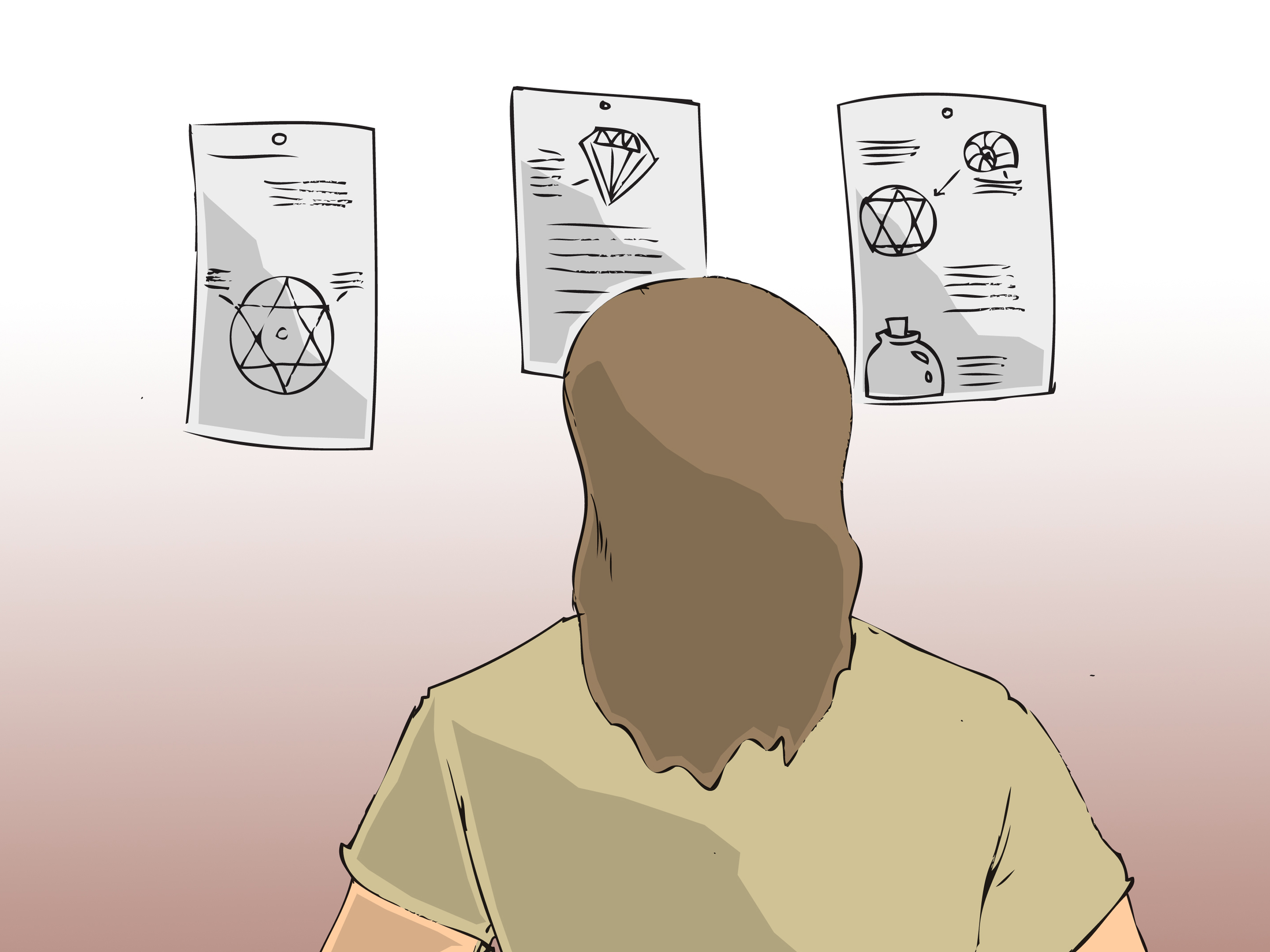
The biggest beginner mistake is assuming the occult is one single thing. It is not. It includes traditions and topics such as divination, astrology, alchemy, folk magic, ceremonial magic, Wicca, mysticism, spiritualism, grimoires, sacred geometry, and more. Some of these paths overlap. Some do not. Some are modern. Some are ancient. Some are open to anyone willing to study. Others are closed or initiatory and should not be copied casually.
Your first job is to stop treating “occult” like a spooky costume aisle. Read introductory material. Learn basic vocabulary. Understand the difference between a religion, a magical system, a folk practice, and a historical text. When you know the landscape, you stop wandering around the spiritual internet like a confused tourist asking whether tarot, runes, demonology, herbalism, and moon water are all somehow the same thing. They are not.
Step 2: Start With History Before You Start With Tools
Tools are fun. History is useful. Guess which one saves you from becoming deeply confident and deeply wrong.
If you want to use magic responsibly, learn where ideas came from. Study how grimoires developed, how witchcraft was represented in early modern Europe, how folk healing traveled across communities, and how modern pagan traditions evolved. The occult has never existed outside culture. It has always been tied to religion, politics, gender, power, fear, healing, and imagination. That means history matters.
Studying the past also protects you from nonsense. If someone online claims their practice is “ancient” but it was clearly born on social media three Thursdays ago, history gives you a working lie detector. It will also teach you something more important: many traditions we now call occult were once ways people tried to understand uncertainty, suffering, timing, luck, illness, and the unseen structure of the world.
Step 3: Choose One Path Instead of Collecting Fifteen Aesthetics
You do not need to do everything. In fact, you should not. Beginners make faster progress when they pick one lane and stay with it long enough to learn its logic.
You might begin with tarot if you like symbols and interpretation. You might begin with candle magic if you want simple ritual structure. You might begin with herbal lore if you are drawn to folk traditions and nature-based practice. You might begin with meditation and ceremonial structure if you want something more formal. The right beginner path is the one you can study consistently, not the one that looks best in a moonlit photo.
Ask yourself a few honest questions: Do I want spiritual practice, historical study, personal reflection, ritual structure, or community? Am I drawn to a religion, a symbolic system, or a meditative discipline? Your answer will help you choose a path that fits your real temperament instead of your temporary fascination with black candles and Latin words.
Step 4: Build an Ethical Framework Early
If you remember only one thing from this article, let it be this: power without ethics is just bad decision-making in a dramatic outfit.
Before you try any spell or ritual, decide what your ethical boundaries are. Will you only do work related to healing, clarity, protection, gratitude, and self-development? Will you avoid manipulative love spells, coercive rituals, or anything intended to control another person? Will you respect traditions that require initiation or cultural context rather than borrowing them because the internet made them look cool?
Ethics are not decorative. They shape your whole practice. They determine what kind of person you become while doing occult work. A good beginner framework is simple: do not harm, do not manipulate, do not claim certainty you do not have, and do not confuse spiritual language with permission to ignore reality. If a ritual tells you to skip your doctor, your therapist, your safety plan, or basic common sense, the ritual needs to lose that argument immediately.
Step 5: Create a Small, Functional Practice Space
You do not need a gothic tower. You need a surface that is clean, intentional, and not one inch away from a curtain if you are using candles.
A beginner altar or practice space can be wonderfully simple: a candle, a bowl of water, a notebook, perhaps a meaningful object from nature, and maybe a cloth if you want the space to feel set apart. The point is not luxury. The point is attention. When you make a small area sacred through repetition, your brain learns to associate that place with stillness, focus, and ritual behavior.
This is one of the most practical ways to begin using magic: create a physical environment that supports symbolic action. Keep it neat. Use it regularly. If you live with roommates, children, pets, or one cat who believes every altar belongs to him personally, keep the setup modest and safe. Magic is hard enough without a tail catching fire.
Step 6: Train Your Mind With Grounding and Meditation
People love tools because tools feel magical. But attention is the real tool. If you cannot focus, observe, or calm yourself, every ritual turns into fancy chaos.
Start with five to ten minutes of breathing, grounding, or mindfulness before any magical work. Sit comfortably. Slow your breathing. Notice your body. Let your thoughts settle. Some practitioners visualize roots going into the earth. Others simply pay attention to breath and sensation. The method matters less than the result: steadiness.
This step is not filler. It changes everything. Meditation helps you notice the difference between intuition and anxiety, symbol and projection, genuine reflection and dramatic overreaction. It also makes ritual feel more deliberate. Instead of barging into occult practice with the mental energy of an overcaffeinated raccoon, you arrive centered, observant, and less likely to mistake every random goosebump for a cosmic decree.
Step 7: Keep a Journal or Book of Shadows
If you want to enter the occult seriously, write things down. Always. A journal is where your practice becomes real.
You can call it a journal, a magical notebook, or a Book of Shadows if that language resonates with you. Use it to record readings, dreams, rituals, symbols, emotional states, moon phases if you care about them, and any patterns you notice over time. Write your questions. Write your doubts. Write what worked and what felt silly. Especially write what felt silly. That is often where the best insight hides.
Journaling does two things at once. First, it creates continuity. Second, it keeps you honest. Without notes, every coincidence feels huge and every ritual feels profound. With notes, you can actually observe what is happening. Did that candle ritual help you focus and follow through? Great. Did your tarot reading reflect your real concerns or just your mood that day? Also useful. A written record turns magical practice into a reflective discipline instead of a blur of vibes.
Step 8: Use Divination as Reflection, Not Dictation
Divination is one of the oldest doors into occult practice, and it still attracts beginners for good reason. Tarot, runes, pendulums, lots, omens, and other systems give people a structured way to ask questions and interpret meaning. But here is the key: divination works best when it helps you think, not when it replaces thinking.
Try a simple tarot spread like this: “What am I not seeing? What should I focus on? What action is mine to take?” Notice how those questions invite reflection rather than passive dependence. Good divination opens perspective. Bad divination creates obsession. If you are asking the cards seventeen times whether someone likes you, that is not spiritual depth. That is anxiety with cardstock.
Treat divination as a language of symbols. Let it sharpen your attention, reveal emotional truths, and help you recognize patterns. Do not hand your entire free will to a deck, a pendulum, or that one rune you keep pulling and refusing to accept because it is inconvenient.
Step 9: Practice One Simple Ritual and Repeat It
You do not need a giant ceremony to “use magic.” In fact, a simple ritual done consistently is far more valuable for a beginner than an elaborate performance copied from a book you barely understand.
Here is an easy example of a beginner ritual for clarity:
- Clean your practice space.
- Light a candle safely.
- Take seven slow breaths.
- Say your intention out loud: “I seek clarity, discipline, and wise action.”
- Write one real-world action you will take within 24 hours.
- Sit in silence for two minutes.
- Close by thanking the moment, blowing out the candle, and putting the note where you will see it.
That is ritual. That is also practical magic at its most honest. It unites symbol, intention, emotion, and action. Repeat it weekly. Observe how it affects your mindset. A good ritual should not just make you feel mysterious. It should make you more intentional, more aware, and more accountable.
Step 10: Find Community, Keep Boundaries, and Stay Skeptically Curious
The occult can be meaningful, beautiful, healing, and intellectually rich. It can also attract frauds, ego trips, fantasy role-play disguised as wisdom, and people who claim exclusive access to cosmic truth because they own a ring with a snake on it.
So yes, find community. Read books. Join study groups. Talk to practitioners who are thoughtful, historically informed, and emotionally stable. But keep your boundaries. Be cautious with teachers who demand money, obedience, secrecy, or emotional dependency. Be wary of anyone who claims absolute certainty, guaranteed outcomes, or instant initiation into ultimate hidden power for the low price of your judgment.
The healthiest occult mindset is skeptical curiosity. Stay open, but not empty-headed. Stay enchanted, but not manipulated. The goal is not to kill wonder. The goal is to protect wonder from nonsense.
Common Beginner Mistakes to Avoid
New practitioners tend to make the same handful of mistakes. They buy too many tools before learning any foundations. They jump between systems every week. They mistake intensity for depth. They chase aesthetics instead of discipline. They ignore history. They romanticize danger. They treat every dream like a prophecy and every coincidence like a thunderbolt from the universe.
A better approach is gloriously unsexy: read, reflect, practice simply, record results, and stay patient. The occult rewards people who are willing to sit with mystery rather than perform certainty. You are not trying to become impressive. You are trying to become attentive.
What Beginners Often Experience in the First Months of Occult Practice
The first real experience of entering the occult is usually not fireworks. It is awkwardness. You sit down for your first ritual, light a candle, say your intention, and immediately become aware that you have no idea where to put your hands. This is normal. Every meaningful practice begins with a phase that feels mildly ridiculous. Meditation feels strange at first. Prayer can feel strange at first. So can journaling, chanting, or pulling tarot cards for the first time. Beginner magic often starts not with power, but with self-consciousness. The trick is to stay long enough for the awkwardness to turn into rhythm.
After that, many people report a period of heightened attention. They notice symbols more. Their dreams become easier to remember because they are finally writing them down. They start to see recurring themes in their readings, emotions, and choices. This can feel uncanny, but often it is simply the result of focused awareness. You are paying attention in a new way, so life starts looking denser and more meaningful. That does not make the experience fake. It makes it human. Meaning is part of what ritual does best: it helps ordinary life feel more legible.
There is also usually a “tool fever” stage. Suddenly every candle is important. Every herb seems potentially sacred. You develop Opinions about journals. You begin wondering whether you need a special cloth, a moon-phase planner, three decks, seven books, and a handcrafted brass bowl from a mysterious shop that may or may not also sell ethically questionable incense. This stage is also normal. The key is not to let shopping replace practice. The most transformative occult experiences usually come from repetition, not purchases.
Emotionally, beginners often feel a mix of empowerment and uncertainty. On one hand, ritual gives structure. A simple practice can make you feel calmer, more purposeful, and less scattered. On the other hand, exploring spiritual or symbolic systems can bring up big questions. What do I believe? What is intuition? Am I doing this because it is meaningful, because it is comforting, or because I want life to feel enchanted again? Those are excellent questions. In fact, they may be the real beginning of the path. Occult work often opens inner inquiry long before it opens anything remotely dramatic.
Another common experience is learning the difference between fear and respect. Many beginners are secretly worried they will “do it wrong,” invite bad energy, offend some unknown force, or accidentally become the lead character in a cautionary Victorian pamphlet. Usually, what they need is not panic but education. Respect matters. Safety matters. Ethics matter. But occult practice becomes healthier when it is grounded in knowledge instead of superstition about superstition. Once you understand your method, keep good boundaries, and avoid reckless material, the path tends to become less frightening and more disciplined.
Eventually, the most valuable experience arrives: subtle change. You may become more observant. More deliberate. Less impulsive. Better at sitting with uncertainty. Better at noticing when you are projecting onto a reading. Better at creating small rituals that help you focus, grieve, commit, release, or begin again. This is where the occult becomes less about looking magical and more about living intentionally. And honestly, that is a much better story. Anyone can pose next to a candle. Learning how to build meaning, attention, and ethical self-trust over time? That is the deeper magic.
Conclusion
If you want to know how to use magic and enter the occult, begin with study, not performance; ethics, not ego; repetition, not spectacle. Learn what the occult includes. Read history. Choose one path. Create a small practice space. Train your attention. Keep a journal. Use divination wisely. Build simple rituals. Stay curious. Stay grounded.
The occult is not just about hidden things. It is also about revealed things: hidden motives, hidden fears, hidden habits, hidden hopes. At its best, magical practice does not drag you away from reality. It returns you to reality with deeper symbolism, sharper attention, and a richer sense of participation in your own life. So go ahead and begin. Just do yourself a favor and buy the notebook before the ceremonial dagger.