Note: This original guide is written for web publication and synthesizes practical styling knowledge from reputable fashion, wardrobe, and garment-care resources.
A wrap top is one of those magical pieces that looks effortless once it is on your body and mildly like a fabric puzzle when it is still on the hanger. Two panels, two ties, one mysterious side hole, and suddenly you are negotiating with cotton like it owes you money. The good news? Learning how to tie a wrap top is much easier than it looks, and once you understand the basic structure, you can style it for brunch, work, date night, vacation, or that dramatic “I just threw this on” mirror selfie.
The beauty of a wrap top is adjustability. Unlike a standard blouse that either fits or starts a small rebellion at the buttons, a wrap blouse can be tightened, loosened, crossed higher, tied lower, knotted at the side, or styled over a camisole. That flexibility is exactly why wrap tops flatter so many body shapes: they define the waist, create a clean V-neckline, and let you choose your preferred level of coverage. Whether you are wearing a ballet-inspired wrap cardigan, a cropped summer wrap top, a silky wrap blouse, or a long-sleeve tie-front shirt, the same basic rules apply.
This guide breaks the process into nine simple steps, plus styling tips, mistakes to avoid, and real-life experience notes from the kind of person who has absolutely tied a wrap top wrong in a public restroom mirror and lived to tell the tale.
What Is a Wrap Top?
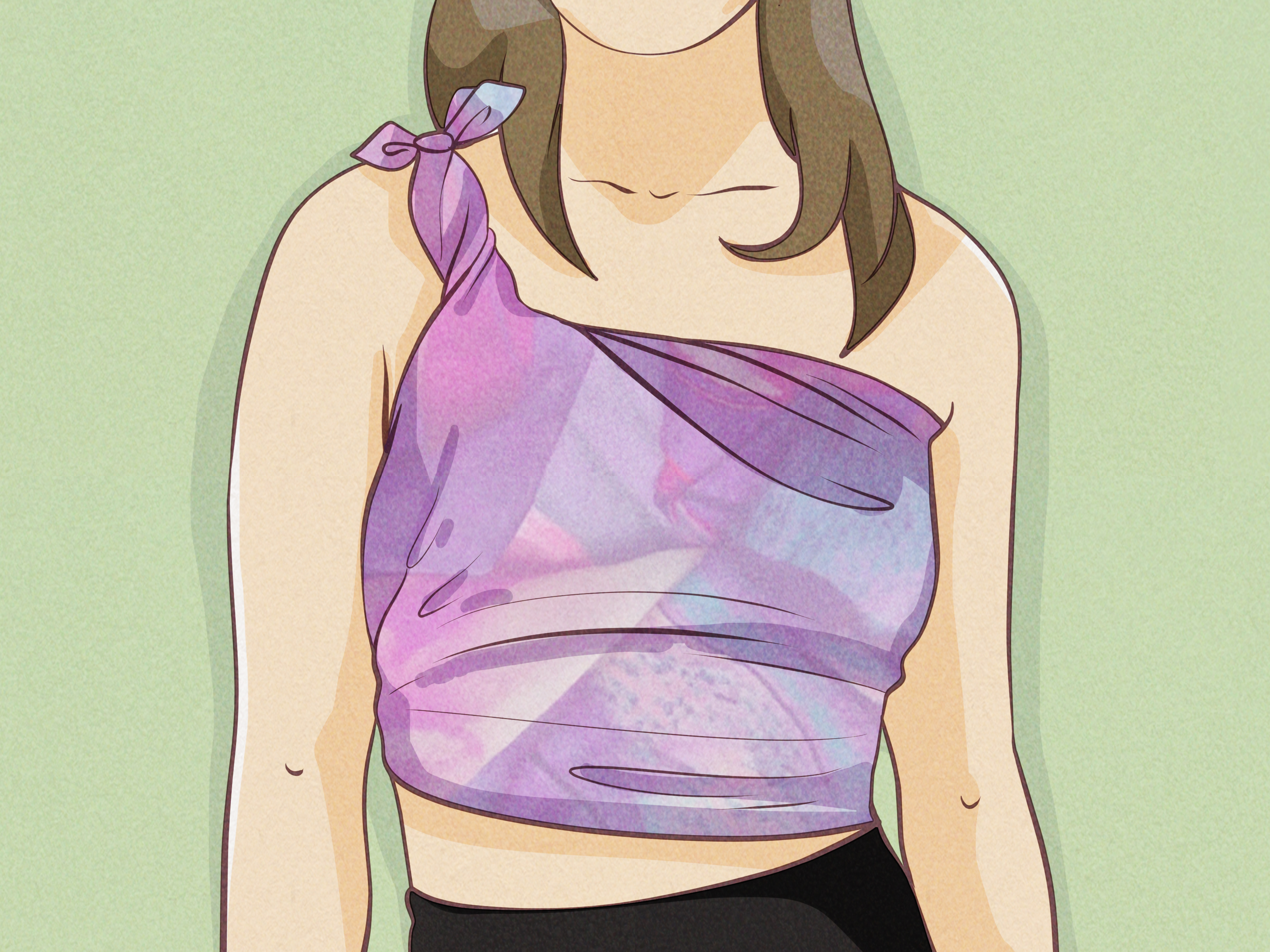
A wrap top is a blouse, shirt, cardigan, or crop top designed with two front panels that overlap across the torso. The panels are usually secured with attached ties, a side opening, inner button, snap, hook, or long fabric straps that wrap around the waist. Some wrap tops close at the side, some tie in front, and others circle around the back before forming a bow. Faux wrap tops create the same crossed look but are sewn in place, which is excellent for anyone who wants the wrap-top aesthetic without performing textile origami before coffee.
The most common wrap top styles include the classic side-tie blouse, the ballet wrap cardigan, the wrap crop top, the button wrap shirt, and the scarf-inspired wrap top. Each has slightly different mechanics, but the goal is the same: smooth overlap, comfortable tension, and a knot that does not slowly migrate south during lunch.
How to Tie a Wrap Top: 9 Steps
Step 1: Put on the Right Base Layer
Before you start tying anything, decide what you want underneath. A wrap top can be worn alone, but many people prefer a fitted camisole, tank top, bandeau, bralette, or smooth T-shirt for extra coverage. This is especially helpful if the neckline is deep, the fabric is sheer, or the top has a tendency to shift when you sit, reach, or live your life like a normal human being.
Choose a base layer that lies flat and does not bunch at the waist. For a polished look, match the base layer to the wrap top. For a more casual style, contrast it: a black tank under a white wrap blouse, a ribbed tee under a ballet wrap cardigan, or a lace-trim camisole under a silky wrap top. The goal is to feel secure, not to spend the day checking your reflection in every microwave door.
Step 2: Identify the Inside Tie and Side Opening
Most true wrap tops have one inner tie and one outer tie. The inner tie is usually attached to the panel that sits closest to your body. Look for a small hole or slit in one side seam. That opening is where the inner tie passes through so it can wrap around your back or waist.
If your top does not have a side opening, it may be designed to tie in front, tie at the side, or wrap fully around the waist like a scarf. Lay the top flat on a bed and follow the straps with your hands. This sounds basic, but it prevents the classic mistake of twisting the garment into something that looks less “chic wrap blouse” and more “laundry basket escape attempt.”
Step 3: Place the First Panel Across Your Body
Slip into the top and pull the inner panel across your torso. Smooth it from the shoulder down to the waist so the fabric lies flat. The neckline should create a comfortable diagonal line across the chest. If it pulls too low, raise the shoulder seam slightly or adjust the underlayer. If it gaps, do not panic; wrap tops are adjustable, not psychic.
The inner panel is your foundation. If it is wrinkled, twisted, or too loose, the rest of the top will not sit correctly. Take a few seconds here. A smooth first panel makes the whole outfit look intentional, even if you got dressed while mentally composing a grocery list.
Step 4: Thread the Inner Tie Through the Side Hole
Take the inner tie and thread it through the small side opening. Pull it gently until the inner panel rests snugly against your body. Do not yank it like you are starting a lawn mower. A wrap top should feel secure but not restrictive.
Keep the tie flat as it passes through the side seam. Twisted ties create lumps, and lumps create the illusion that you are hiding a granola bar under your blouse. If the fabric is slippery, hold the panel in place with one hand while pulling the tie with the other. For extra security, especially with satin or silk-like fabrics, you can use a tiny hidden safety pin, snap, or fashion tape on the inner panel.
Step 5: Wrap the Outer Panel Over the First Panel
Now pull the outer panel across your body so it overlaps the inner panel. Adjust the neckline until both sides look balanced. The V-shape should sit where you feel comfortable: higher for work or daytime errands, lower for evening outfits or layered camisole looks.
Check the shoulder seams. If one shoulder is sliding forward or the neckline is pulling diagonally in a strange way, loosen the inner tie and reposition. The wrap top should follow your natural waist and bust line, not fight them. Think “softly shaped,” not “fabric wrestling championship.”
Step 6: Bring Both Ties Around Your Waist
Depending on the design, your ties may meet at the side, back, or front. For a classic wrap blouse, bring the inner tie around your back and meet it with the outer tie near your waist. For a ballet wrap top, cross the panels and wrap both long ties around your waist once or twice before tying. For a cropped wrap top, the straps may sit higher, around the narrowest part of your torso.
The best place to tie a wrap top is usually your natural waist, which is the narrow area between your ribs and hips. Tying too low can make the top sag or shift. Tying too high can pull the neckline open. If you are petite, a slightly higher tie can lengthen the legs. If you want more coverage, tie it closer to the side and keep the overlap generous.
Step 7: Tie a Secure Knot or Bow
Once both ties meet, make a firm knot. If you want a clean, practical finish, use a double knot and tuck the ends slightly under the wrap. If you prefer a softer, feminine look, tie a bow. The bow can sit at the side, front, or back, depending on the outfit.
A side bow is the most universally flattering because it defines the waist without adding bulk directly at the stomach. A back bow looks elegant with high-waisted skirts or wide-leg pants. A front bow feels playful and works well with casual denim. If your ties are very long, wrap them around twice before tying, or let them hang vertically for a relaxed, bohemian effect.
Step 8: Adjust the Neckline, Hem, and Coverage
After tying, look in the mirror from the front and side. Smooth the hem so it does not bunch. Adjust the overlap so the neckline lies flat. Lift your arms, sit down, and twist slightly. Yes, this mini movement test is important. Clothes behave differently when you are not standing like a department-store mannequin.
If the neckline gaps, tighten the inner tie a little or add a small strip of fashion tape. If the fabric pulls across the bust, loosen the outer tie or shift the overlap. If the waist feels bulky, move the knot to the side or back. A wrap top is meant to be customized, so small adjustments are not a failure; they are the whole point.
Step 9: Style the Wrap Top for the Occasion
Now comes the fun part: making the wrap top look like an outfit instead of simply a successfully tied garment. For casual days, wear it with high-waisted jeans, straight-leg denim, linen pants, or a midi skirt. For work, choose a wrap blouse in a structured fabric and pair it with tailored trousers or a pencil skirt. For date night, try a long-sleeve wrap top with wide-leg jeans and heels. For vacation, a lightweight wrap crop top with a maxi skirt or shorts gives breezy resort energy without trying too hard.
Keep proportions in mind. If the wrap top is cropped or fitted, balance it with fuller bottoms like wide-leg pants or an A-line skirt. If the top is loose and drapey, pair it with slim jeans or tailored shorts. Add simple jewelry, because the wrap neckline already creates visual interest. A delicate necklace, small hoops, or a bracelet is usually enough. Let the top do the talking; it has straps, drama, and a whole crossover plotline.
Common Mistakes When Tying a Wrap Top
Tying It Too Loose
A loose knot might feel comfortable at first, but it often shifts throughout the day. The inner panel can slide, the neckline can gap, and the hem can twist. Tie the top snugly enough that it stays in place when you move, but not so tight that breathing becomes a scheduled activity.
Ignoring the Side Hole
If your wrap top has a side opening, use it. Threading the inner tie through the hole keeps the first panel anchored and prevents the top from riding up. Skipping this step is usually why a wrap blouse looks uneven or keeps slipping.
Letting the Ties Twist
Flat ties look smoother, feel more comfortable, and hold better. Before knotting, run your fingers along each tie to remove twists. This tiny detail makes the finished outfit look more expensive.
Choosing the Wrong Bra or Base Layer
Deep V-neck wrap tops often work best with plunge bras, bralettes, camisoles, or adhesive support options, depending on your comfort level. A bulky bra or high neckline underneath can interrupt the clean diagonal shape of the wrap. Try the outfit on before leaving the house, because wrap tops love to reveal styling problems exactly three minutes before you need to be somewhere.
Best Outfit Ideas for a Wrap Top
Casual Weekend Look
Pair a cotton wrap top with high-waisted straight-leg jeans and white sneakers. Add a tote bag and sunglasses. This is the “I have errands, but I still respect myself” outfit.
Office-Friendly Look
Choose a wrap blouse in crepe, poplin, or a polished knit. Wear it with tailored trousers, loafers, and minimal jewelry. Keep the neckline modest with a camisole if needed. A side knot or tucked bow works best for a professional finish.
Date-Night Look
Try a black or jewel-toned wrap top with wide-leg jeans, strappy heels, and a small clutch. The wrap shape naturally defines the waist, while the V-neckline adds just enough drama without requiring a spotlight and entrance music.
Vacation Look
Style a lightweight wrap crop top with linen shorts, a flowy skirt, or relaxed pants. Sandals, a woven bag, and gold hoops complete the look. Choose breathable fabrics like cotton, linen, rayon, or light knits for warm weather.
How to Keep a Wrap Top Secure All Day
If your wrap top tends to loosen, start by tying it at the natural waist and using a double knot. For slippery fabrics, place the knot slightly to the side or back where it experiences less movement. If the neckline opens, use fashion tape on clean, dry skin or attach the inner panel discreetly to a camisole. If the waist tie digs in when you sit, loosen the first knot slightly and retie the second knot more securely.
For long days, do a quick mirror check after arriving at your destination. Wrap tops often settle after a few minutes of movement. A tiny adjustment early prevents awkward tugging later. Basically, treat your wrap top like bangs: cute, powerful, and occasionally in need of supervision.
How to Care for a Wrap Top
Always check the care label before washing. Wrap tops often have delicate ties, light fabrics, or knits that can stretch if handled roughly. For silk, satin, lace, fine knits, or embellished tops, hand-washing or using a mesh laundry bag on a delicate cycle is usually safest. Tie the straps loosely before washing so they do not tangle around other garments. Avoid harsh wringing, especially with knits, because wet fabric can stretch.
Lay delicate wrap tops flat to dry or hang them carefully by the shoulders. Iron or steam on the appropriate fabric setting. Pay attention to the tie straps, because wrinkled straps can make an otherwise beautiful top look like it spent the night in a gym bag having regrets.
Personal Experience: What Actually Works When Wearing a Wrap Top
The first time many people try a wrap top, they expect a glamorous transformation. The hanger promises effortless French-girl energy. The mirror initially delivers confusion. One strap is longer than the other, the neckline is doing an abstract art project, and the side hole appears to have been designed by someone who enjoys riddles. This is completely normal. Wrap tops become easy only after you understand the order: inside panel first, thread the tie, outer panel second, then knot.
In real life, the most important lesson is that fabric matters. A crisp cotton wrap blouse behaves differently from a silky satin one. Cotton has grip, so it usually stays tied with a single firm knot. Satin is gorgeous but slippery, so it often needs a double knot or fashion tape. Stretchy jersey wrap tops are comfortable and forgiving, but if tied too tightly, they can pull across the bust or create bunching at the waist. Lightweight linen looks relaxed and summery, but it wrinkles quickly, so a slightly imperfect knot actually suits the fabric. In other words, do not expect every wrap top to tie the same way. They have personalities. Some are cooperative. Some need a meeting.
Another experience-based tip: always test the top while sitting. Standing in front of the mirror tells only half the story. Sit down, reach forward, lift your arms, and turn to the side. If the top gaps while seated, adjust the inner panel or add a camisole. If the knot presses into your waist, move it slightly to the side. If the hem rides up, loosen the wrap and retie it lower. These small changes make the difference between an outfit you love and an outfit you spend all day negotiating with.
For work settings, the safest formula is a structured wrap blouse, a smooth camisole, high-waisted trousers, and a side knot. This combination looks polished and prevents overexposure when leaning over a desk, reaching for coffee, or surviving a meeting that could have been an email. For casual weekends, a soft wrap top with jeans is hard to beat. The trick is to tuck only the lower edge of the top if it feels bulky. A partial tuck keeps the waist defined while letting the wrap shape remain visible.
For travel, wrap tops are surprisingly useful because they can create multiple looks with one piece. Wear one over a tank as a light layer during the day, then tie it more closely at night with a skirt or trousers. A black, white, cream, or soft floral wrap top can work with several bottoms, saving suitcase space for more important things, like snacks or shoes you may or may not wear.
The biggest confidence boost comes from accepting that wrap tops are supposed to be adjustable. A little retie is not a wardrobe malfunction. It is maintenance. Once you learn how your favorite wrap top behaves, tying it becomes almost automatic. You will know exactly how tight to pull the inner tie, where the bow looks best, and whether the neckline needs a camisole. After that, the wrap top earns its reputation: flattering, versatile, and stylish without looking like you tried too hard.
Conclusion
Learning how to tie a wrap top is all about understanding the structure. Start with the right base layer, identify the inner tie, thread it through the side opening, wrap the outer panel smoothly, and secure the ties at your natural waist. Then adjust the neckline, test your movement, and style the top for your day. Once you master these nine steps, a wrap top becomes one of the most flexible pieces in your closet.
Whether you like a polished wrap blouse for the office, a ballet wrap cardigan for casual outfits, or a breezy wrap crop top for summer, the secret is the same: smooth panels, flat ties, comfortable tension, and a knot that knows its job. Tie it well, wear it confidently, and remember that fashion should be funnot a wrestling match with two straps and a side seam.