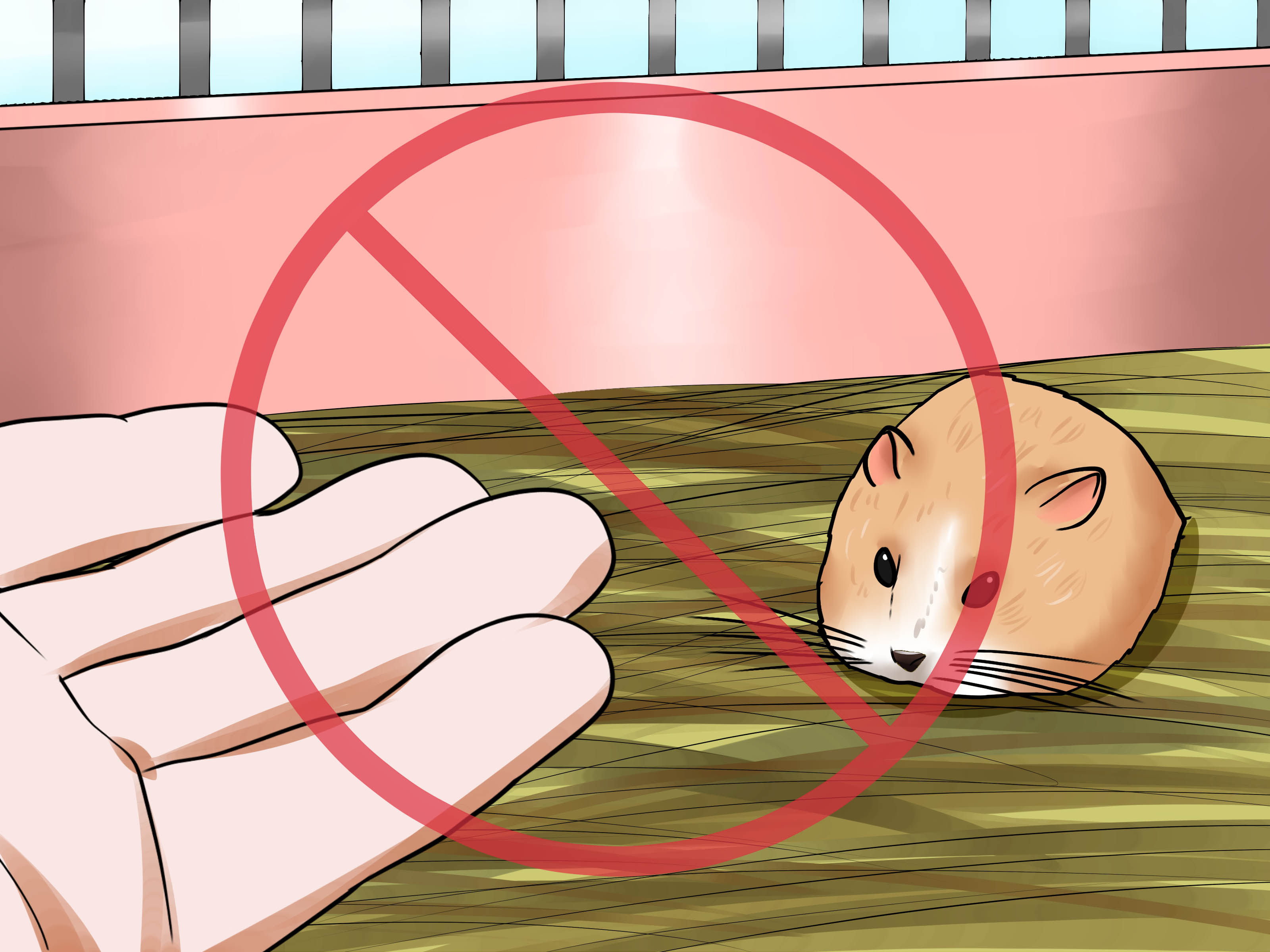
Dwarf hamsters are tiny, fast, opinionated little marshmallows with feet. One minute they look like a pocket angel, and the next they vanish into a paper tube like a furry magician avoiding taxes. If you have just brought one home, you might be wondering how to tame a dwarf hamster without getting nipped, ignored, or treated like a suspicious giant who definitely cannot be trusted.
The good news is that taming a dwarf hamster is absolutely possible. The less-good news is that it cannot be rushed. These small pets usually become gentle through patience, routine, and respectful handling rather than force. In other words, you are building trust, not trying to win a wrestling match against an animal the size of a dinner roll.
This guide walks you through 11 practical steps to help your hamster feel safe with you. Along the way, you will also learn what causes biting, how to read hamster body language, and which common mistakes can set your progress back. Whether you have a Campbell’s dwarf, Winter White, Roborovski, or a mixed little speed bean from a pet store, the basic strategy stays the same: move slowly, stay consistent, and let the hamster decide that your hand is a safe place to be.
Why dwarf hamsters can be tricky to tame
Before you start, it helps to know what you are dealing with. Dwarf hamsters are smaller and often more skittish than Syrian hamsters. They startle easily, move quickly, and may nip when frightened. That does not mean your hamster is mean. It usually means your hamster is confused, stressed, sleepy, or offended that a giant hand appeared from the sky with zero warning.
Taming works best when you respect a hamster’s natural rhythm. These pets are usually most active in the evening and at night. If you try to handle a sleepy hamster in the middle of the day, you are basically asking for the rodent version of “Please do not speak to me before coffee.”
How to tame a dwarf hamster: 11 steps
Step 1: Set up the right environment first
If your hamster feels unsafe in its enclosure, taming will be much harder. Start by creating a calm, comfortable habitat with deep bedding, hideouts, chew items, a solid exercise wheel, fresh water, and proper food. Place the enclosure in a quiet area away from barking dogs, blaring televisions, and the kind of chaos that makes everyone question their life choices.
A stressed hamster is less likely to trust you. A secure hamster, on the other hand, is far more willing to investigate your hand, accept treats, and eventually climb aboard like a tiny commuter catching the evening train.
Step 2: Give your hamster time to settle in
This is the step many people skip, and it is one of the biggest reasons taming goes badly. When you first bring your hamster home, avoid trying to hold it immediately. Give it a few days to learn the smells, sounds, and layout of its new world.
During this adjustment period, do the basics only: refill food, change water, and spot-clean when necessary. Talk softly near the cage so your hamster starts recognizing your voice. Think of this stage as the “we are just getting to know each other” phase, not the “please become my best friend by Tuesday” phase.
Step 3: Work with your hamster’s schedule, not against it
If you want a smoother taming process, interact when your dwarf hamster is naturally awake. Early evening is often ideal. Do not pull a hamster out of a hide while it is sleeping. Startling a hamster is one of the fastest ways to get bitten and one of the slowest ways to build trust.
Watch for signs that your hamster is ready for interaction: bright eyes, relaxed movement, sniffing around the cage, grooming, or exploring. If it is curled up, grumpy, or buried in bedding like a tiny underground landlord, let it rest.
Step 4: Introduce your scent slowly
Your hamster needs to learn that your smell does not equal danger. Start by placing your hand near the cage or just inside the enclosure without trying to touch the hamster. Let it sniff you. You can also place a clean piece of unscented tissue or toilet paper that you have rubbed in your hands into the cage so your scent becomes familiar in a non-threatening way.
Wash your hands first, especially if you have handled food. Fingers that smell like snacks may confuse your hamster and earn you an exploratory nibble. Your goal is to smell like “trusted human,” not “mystery burrito.”
Step 5: Use treats to build positive associations
Once your hamster seems less nervous, begin offering tiny treats by hand. Keep the portions small so you do not upset the diet balance. A hamster that approaches to take a treat is already making progress. It is saying, “I do not fully trust you yet, but I am willing to negotiate.”
Hold the treat at the tips of your fingers first. After your hamster accepts that calmly for a few sessions, place the treat on your open palm. This encourages the hamster to step onto your hand voluntarily rather than being grabbed or cornered.
Do not chase your hamster with the treat. Present it, stay still, and let curiosity do the heavy lifting. Hamsters are prey animals. They trust their own decision more than your enthusiasm.
Step 6: Let your hamster climb onto your hand on its own
This is the turning point in the taming process. Rest your hand flat in the enclosure with a treat on your palm and wait. Your hamster may sniff, place one paw on your hand, retreat dramatically, return, and then finally step up. That hesitation is normal.
At first, do not lift your hand. Just let the hamster walk on and off. Repeat this over several sessions until standing on your palm becomes routine. When your hamster no longer acts like your hand is a suspicious bridge over lava, you are ready for the next step.
Step 7: Scoop, do not grab
When it is time to pick up your dwarf hamster, always scoop gently from underneath using cupped hands. Never grab from above. To a small prey animal, a hand swooping down from the sky feels a lot like being selected by a predator. Not ideal for trust-building. Not great for your fingers either.
Support the hamster’s entire body and use your other hand as a soft barrier so it feels secure. Because dwarf hamsters are quick and fragile, keep handling low over a bed, couch, or soft surface in case your tiny acrobat decides today is a great day to audition for a stunt reel.
Step 8: Keep handling sessions short and calm
Early sessions should be brief, often just a few minutes. End while things are still going well. That way your hamster remembers the interaction as safe and manageable rather than exhausting. Long sessions, loud voices, or too much passing from person to person can quickly overwhelm a small hamster.
Consistency matters more than duration. Five calm minutes every evening usually works better than one heroic thirty-minute taming marathon that ends with everybody stressed and the hamster filing an emotional complaint.
Step 9: Learn hamster body language
Body language will tell you whether you should continue, pause, or stop. A relaxed hamster may sniff, groom, explore, or sit calmly in your hand. A nervous hamster may flatten its body, freeze, chatter its teeth, squeak, dart suddenly, or try to leap away. Some hamsters will also box, lunge, or nip when they feel cornered.
Respect those signals. If your hamster seems frightened, gently return it to the enclosure and try again later. Pushing through fear does not create tameness. It creates a hamster that thinks, “Ah yes, the giant has ignored my very reasonable boundaries again.”
Step 10: Create a routine your hamster can predict
Hamsters thrive on consistency. Feed around the same time, use the same calm voice, and handle your hamster during the same part of the evening when possible. Predictability helps your pet feel in control, and feeling in control is a huge part of trust.
You can also build routine through repeated, simple actions: opening the enclosure slowly, placing your hand in the same spot, offering a treat, waiting, then scooping only when the hamster is calm. Over time, your hamster begins to recognize the sequence and relax faster.
Step 11: Accept your hamster’s personality and pace
This may be the most important step of all. Some dwarf hamsters become cuddly little hand-sitters. Others become “look, do not overbook me” pets that tolerate handling but never adore it. Taming success does not always mean your hamster wants to nap in your sleeve while you read a novel.
Age, past handling, genetics, stress level, and even individual temperament can affect the outcome. Your job is not to force a personality change. Your job is to make your hamster feel safe enough to interact comfortably. Progress counts, even if your hamster ends up more “polite coworker” than “snuggly soulmate.”
Common mistakes that slow down taming
Even loving owners sometimes sabotage the process without realizing it. Here are the big ones to avoid:
- Waking a sleeping hamster just to play.
- Grabbing from above instead of scooping from underneath.
- Handling for too long before the hamster is ready.
- Skipping the settling-in period after bringing the hamster home.
- Ignoring stress signals like freezing, squeaking, or lunging.
- Letting children handle the hamster roughly or without supervision.
- Using food-scented hands, which can lead to mistaken nips.
If your hamster bites, do not punish it. Do not flick it, tap its nose, or yell. That only teaches the hamster that human hands are scary. Instead, calmly place the hamster back, think about what triggered the bite, and adjust your approach.
What if your dwarf hamster is still biting?
Persistent biting usually means something is wrong with the timing, handling style, environment, or health. Ask yourself a few questions. Are you trying to handle the hamster while it is sleepy? Is the cage too small or too noisy? Are you reaching into a hide and surprising it? Does your hand smell like food? Has the hamster recently become more irritable than usual?
If biting appears sudden, frequent, or paired with other changes such as lethargy, poor appetite, messy fur, or signs of pain, contact an exotic-animal veterinarian. A hamster that is uncomfortable or ill may react defensively, and taming should take a back seat to health.
How long does it take to tame a dwarf hamster?
There is no magic calendar date. Some hamsters begin stepping onto a hand within a week or two. Others take several weeks. A very nervous or poorly socialized hamster may take longer. The fastest way to slow the process is to rush it. The fastest way to improve it is to be boringly patient.
That may not sound glamorous, but patience is the whole game. Tiny routines, repeated kindly, create trust. Trust creates calmer behavior. Calm behavior creates better handling. Before long, your once-suspicious hamster is walking onto your palm like it owns the place, which, to be fair, it probably believes it does.
Final thoughts
If you want to know how to tame a dwarf hamster, the secret is simple: build safety first, then trust, then handling. Do not force affection. Invite it. Let your hamster set the pace, keep sessions short, reward bravery, and always handle gently. With time, many dwarf hamsters become confident, curious companions that are far more enjoyable to care for.
And if your hamster never becomes a fuzzy life coach who falls asleep in your hand? That is okay too. A respectful relationship still counts as success. In the world of hamster taming, trust is the real trophy. The adorable whiskers are just the bonus.
Real-life experiences: what taming a dwarf hamster actually feels like
Reading step-by-step advice is helpful, but real hamster taming rarely looks as neat as a checklist. In practice, the experience is often a mix of tiny victories, confusing setbacks, and moments so ridiculous you will laugh even while your hamster sprints up your sleeve like it has an urgent meeting.
Many owners notice the same pattern in the first week. At the beginning, the hamster seems deeply suspicious of everything. A food dish is acceptable. A water bottle is acceptable. A hideout is excellent. Your hand, however, appears to be an unacceptable policy change introduced without committee approval. The hamster may freeze when you move, vanish into bedding when you speak, or peek out only when the room is quiet.
Then a funny shift happens. Around the second week, curiosity starts competing with fear. The hamster may creep forward to sniff your fingers, take a treat, and then retreat as if it regrets being emotionally available. The next night it may come back faster. This stage teaches owners an important lesson: progress is rarely dramatic. It is often just a hamster staying near your hand for three extra seconds, which somehow feels like winning a gold medal.
Another common experience is realizing that confidence can vary from day to day. A hamster that climbed into your palm yesterday may act offended by your existence today. That does not mean you ruined everything. Hamsters are sensitive to noise, scent, routine changes, and sleep interruption. Sometimes the best thing an owner can do is accept the mood, keep the interaction short, and try again tomorrow without turning it into a personal crisis.
Owners also learn that taming becomes easier once they change their own behavior. Moving slower helps. Speaking softer helps. Washing hands before handling helps more than people expect. Even something as simple as opening the enclosure gently instead of swinging it wide can make the whole interaction smoother. Taming often improves not because the hamster suddenly changes, but because the human stops being an unpredictable skyscraper with fingers.
One of the best experiences comes when the hamster begins recognizing routine. You open the cage at the usual hour, place your hand inside, and the hamster walks over without panic. That moment feels small from the outside, but for an owner it is huge. It means the hamster has learned your presence predicts safety, not chaos. From there, handling tends to become calmer, shorter, and more enjoyable for both sides.
In the end, taming a dwarf hamster teaches patience in a very honest way. You cannot bribe, rush, or charm your way past fear overnight. You earn trust by showing up gently, repeatedly, and respectfully. And when that tiny creature finally sits in your hand to snack, groom, or simply pause for a second, it feels surprisingly meaningful. Not bad for a pet that can fit in a mug and still somehow run the household.