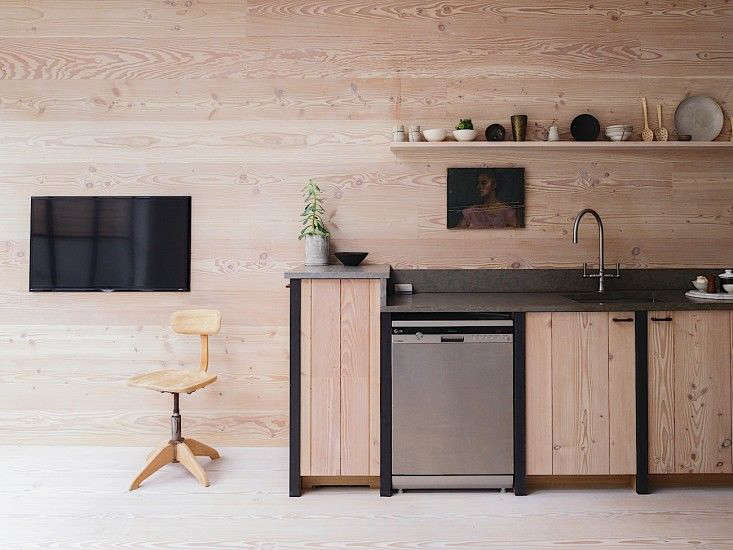
Some furniture politely sits in a room. Herman Miller furniture tends to enter, shake hands with the architecture, and ask where the good light is. For decades, the Michigan-born design company has produced pieces that feel both museum-worthy and shockingly useful: chairs that changed the way offices work, tables that look like sculpture, and benches so simple they make clutter feel personally attacked.
This guide highlights five favorite Herman Miller modern designs that continue to earn their place in homes, studios, offices, and design collections. These are not just attractive objects with famous names attached. They solve real problems: comfort, flexibility, proportion, durability, and the very human desire to own something that will not look silly three trend cycles from now.
Whether you are building a home office, upgrading a living room, or simply dreaming in walnut veneer, these Herman Miller classics show why good modern furniture is less about showing off and more about living better. Though, to be fair, a little showing off may happen. The Eames Lounge Chair did not become shy overnight.
Why Herman Miller Still Defines Modern Design
Herman Miller became one of the great names in American modern furniture by working with designers who treated form and function like best friends, not enemies trapped in a group project. The company’s catalog includes contributions from Charles and Ray Eames, George Nelson, Isamu Noguchi, Bill Stumpf, Don Chadwick, Yves Béhar, and many others who helped shape modern interiors.
What makes Herman Miller modern designs so enduring is their refusal to be merely decorative. A chair must support the body. A bench must work in more than one room. A table must be beautiful without behaving like a fragile celebrity. The company’s best pieces often look simple at first glance, then reveal clever engineering, honest materials, and a delightful lack of nonsense.
That is the secret sauce: these designs are visually memorable, but they are not empty gestures. They are made to be used, repaired, admired, moved, and, in many cases, passed down. In an era of disposable furniture, that kind of longevity feels almost rebellious.
1. Eames Lounge Chair and Ottoman: The Comfortable Icon
Why it belongs on the favorites list
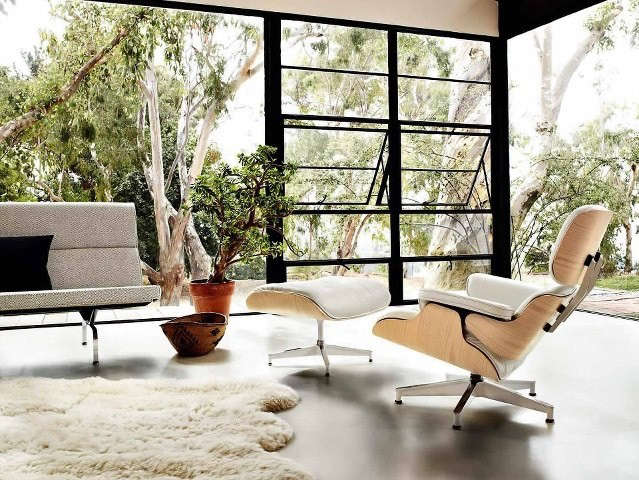
The Eames Lounge Chair and Ottoman may be the most recognizable Herman Miller design ever produced. Introduced in 1956 by Charles and Ray Eames, it was designed as a modern interpretation of the traditional club chair. The goal was not stiff luxury; it was warmth, ease, and deep comfort. Charles Eames famously wanted the chair to have the inviting feel of a well-used baseball mitt, which remains one of the best furniture briefs in history. More designers should be asked to channel sports equipment with emotional depth.
The chair pairs molded plywood shells with generous upholstery and a matching ottoman. The result is a piece that manages to feel tailored and relaxed at the same time. It is not a chair you perch on while pretending to read. It is a chair that encourages actual sitting, actual lounging, and possibly the kind of nap that ruins your dinner plans in the best way.
Design strengths
The Eames Lounge Chair succeeds because every part looks intentional. The angled back, the layered shell, the soft upholstery, and the low-slung posture all work together. It has presence without shouting. It is luxurious, but not fussy. Even in a minimalist room, it adds warmth; in a traditional room, it adds modern clarity.
It also has serious cultural credibility. The chair is part of major museum collections and has appeared in countless films, television sets, design books, and aspirational living rooms. Yet its popularity is not only about status. The reason people keep returning to it is simple: it feels good, looks good, and ages with dignity.
Best for
The Eames Lounge Chair and Ottoman is ideal for a reading corner, media room, executive office, or living room focal point. It works especially well where there is space around it, because this chair deserves breathing room. Crowding it into a tiny corner is like parking a classic car in a broom closet.
2. Aeron Chair: The Office Chair That Changed Office Chairs
Why it belongs on the favorites list
The Aeron Chair, designed by Bill Stumpf and Don Chadwick, launched in 1994 and quickly became the benchmark for ergonomic office seating. Before Aeron, many office chairs looked like padded boxes on wheels. Aeron arrived with breathable suspension material, a visibly engineered frame, and an unapologetically technical personality. It did not try to hide its function. It wore its ergonomics like a superhero suit.
Its Pellicle suspension material was a major departure from foam and fabric upholstery. Instead of trapping heat, the chair allowed airflow. Instead of forcing every sitter into one generic shape, it supported a wider range of body types and postures. Later updates refined the design with features such as 8Z Pellicle and PostureFit SL support, reinforcing Aeron’s status as a serious tool for long workdays.
Design strengths
Aeron’s genius is that it looks exactly like what it is: a high-performance work chair. The design does not pretend to be a dining chair, lounge chair, or decorative object. It is built for focus, movement, and long hours at a desk. The recline, arm adjustments, breathable seat, and back support all contribute to a chair that encourages active sitting rather than stiff endurance.
It is also a symbol of how workplace design evolved. The Aeron became associated with tech offices, creative studios, and serious work environments because it matched the shift toward computer-centered work. Today, it remains relevant for home offices, hybrid workers, designers, writers, programmers, and anyone whose spine has ever filed a formal complaint after eight hours in a discount chair.
Best for
The Aeron Chair is best for home offices, corporate workstations, design studios, and anyone who spends long hours seated. It is especially valuable for people who want adjustability, ventilation, and a chair that looks professional without resembling a leather throne from a villain’s boardroom.
3. Noguchi Table: Sculpture That Holds Your Coffee
Why it belongs on the favorites list
The Noguchi Table is proof that furniture can be practical and poetic at the same time. Designed by artist and sculptor Isamu Noguchi, the table combines a freeform glass top with two interlocking wood base pieces. The design is often described as a perfect balance between art and furniture, and that is not marketing fluff. It truly feels like sculpture that happened to be generous enough to hold magazines, coffee, and the occasional bowl of snacks.
The table’s magic lies in its simplicity. It uses very few elements, yet it has movement, tension, and personality. The wood base appears to twist and support itself, while the glass top allows the sculptural structure to remain visible. Nothing is hidden. Nothing feels heavy. It has the rare quality of being visually interesting without making a room feel busy.
Design strengths
The Noguchi Table works because it softens modern interiors. Many modern rooms lean heavily on straight lines: sofas, shelves, media consoles, windows, rugs. The Noguchi Table introduces curves and organic form without becoming decorative clutter. Its biomorphic shape adds a human, artistic note to the space.
It also pairs beautifully with many styles. Put it near an Eames Lounge Chair and it feels like mid-century heaven. Place it in a contemporary apartment and it adds warmth. Use it in a minimalist room and it becomes the one expressive gesture the room needs. It is elegant, but not precious. That said, the glass top will remind you to use coasters like a responsible adult.
Best for
The Noguchi Table is ideal for living rooms, lounges, creative studios, and open-plan spaces where a standard rectangular coffee table would feel too rigid. It is particularly good in rooms that need softness, visual flow, or a central piece that starts conversations without yelling, “Look at me, I am design!”
4. Nelson Platform Bench: The Multitasker with Manners
Why it belongs on the favorites list
George Nelson’s Platform Bench is one of those designs that looks almost too simpleuntil you try to improve it and realize you cannot. Originally created in the 1940s, the bench features a slatted wood top and clean, architectural lines. It can function as seating, a low table, a display surface, an entryway bench, or a foundation for storage. Basically, it is the quiet overachiever of modern furniture.
The Nelson Platform Bench reflects Nelson’s architectural sensibility. It is open, disciplined, and practical. The slatted surface gives it rhythm and lightness, while the sturdy construction keeps it useful. There is no extra ornament, no dramatic flourish, no unnecessary curve trying to get attention. It is modern design doing its job beautifully.
Design strengths
The bench’s versatility is its greatest strength. In an entryway, it offers a place to sit while putting on shoes. In a living room, it can serve as a coffee table. At the foot of a bed, it provides structure and function. In an office or lobby, it adds warmth without clutter. Few pieces move between rooms this easily.
Its slatted design also gives it a lighter visual footprint than a solid block bench or table. That makes it useful in smaller spaces, where furniture needs to work hard without making the room feel crowded. The Platform Bench is the rare practical piece that also improves the mood of a room. It is furniture with good posture.
Best for
The Nelson Platform Bench is best for entryways, bedrooms, living rooms, offices, and multipurpose spaces. It is a smart choice for people who like flexible furniture and clean lines. It also works beautifully for anyone who enjoys changing a room around every few months and pretending it was part of a master design plan all along.
5. Sayl Chair: Affordable Ergonomics with Architectural Energy
Why it belongs on the favorites list
The Sayl Chair, designed by Yves Béhar for Herman Miller, brings a more recent voice to the company’s modern design story. Inspired by suspension bridges, especially the idea of structure doing more with less, Sayl uses an unframed back that delivers support while reducing material. It is playful, efficient, and visually distinctive.
Compared with Aeron, Sayl has a lighter and more expressive personality. It looks less like a command center and more like a creative tool. The Y-shaped tower gives the chair its signature profile, while the flexible back supports movement. It is a strong option for people who want Herman Miller ergonomics without the full visual seriousness of a top-tier task chair.
Design strengths
Sayl is a reminder that ergonomic furniture does not have to look dull. Its backrest has energy and openness, making it especially useful in small home offices where bulky chairs can dominate the room. The chair feels modern without being cold, youthful without being gimmicky, and technical without looking like it escaped from a robotics lab.
It also reflects an important modern design principle: reduce material, keep performance. By using fewer parts and a frameless suspension back, Sayl shows how smart engineering can create comfort with less visual and physical weight. That makes it a favorite for compact workspaces, creative offices, student studios, and anyone who wants a chair that works hard but still has a little personality.
Best for
The Sayl Chair is best for home offices, design studios, smaller workstations, and flexible spaces where comfort matters but a lighter footprint is preferred. It is especially appealing for people who want a modern ergonomic chair that does not make the room feel like corporate headquarters has annexed the guest bedroom.
How to Choose the Right Herman Miller Piece
Choosing among Herman Miller modern designs depends less on which piece is most famous and more on what your space actually needs. The Eames Lounge Chair is a comfort icon, but it requires room and visual importance. The Aeron Chair is brilliant for work, but it belongs at a desk, not beside a fireplace with a novel and a dramatic cup of tea. The Noguchi Table brings sculptural grace to a living room, while the Nelson Platform Bench adds flexible function almost anywhere. Sayl provides ergonomic support with a lighter attitude.
Start by identifying the problem you want the furniture to solve. Is your home office uncomfortable? Look at Aeron or Sayl. Does your living room need a focal point? Consider the Eames Lounge Chair or Noguchi Table. Is your entryway missing a useful landing spot? The Nelson Platform Bench may be the most elegant answer.
Also consider scale. Modern furniture often looks best when it has room to breathe. Measure carefully, especially with lounge chairs and coffee tables. A beautiful piece can become awkward if it overwhelms the room. Design confidence begins with a tape measure. Glamorous? Not especially. Effective? Absolutely.
Materials, Longevity, and the Value of Buying Authentic
One reason Herman Miller furniture remains desirable is that the designs are built around quality materials and precise manufacturing. Molded plywood, solid wood, glass, aluminum, suspension textiles, and engineered supports are not just aesthetic choices. They influence comfort, durability, maintenance, and long-term value.
Buying authentic also matters. Many Herman Miller designs are widely copied, especially the Eames Lounge Chair and Noguchi Table. Replicas may capture the rough silhouette, but they often miss the proportions, materials, engineering, and finishing details that make the originals work. With iconic furniture, small differences are not small. A slightly wrong angle, a cheaper base, or poorly finished veneer can turn elegance into “close enough,” which is not the phrase anyone wants attached to a major furniture investment.
Authentic pieces also tend to hold value better, especially when well maintained. That does not mean every buyer needs a museum-grade collection. It simply means that if you are investing in design, originality, build quality, and serviceability should count. A good Herman Miller piece is not fast furniture. It is slow furniture, in the best possible way.
of Real-Life Experience: Living with Herman Miller Modern Designs
Living with Herman Miller designs is different from simply admiring them in photos. Online, these pieces can look almost too perfect: staged rooms, flawless floors, books arranged by color, sunlight behaving like it has a contract with the photographer. In everyday life, the furniture becomes more interesting because it has to deal with actual humans. Bags get dropped on benches. Coffee tables collect remotes. Office chairs survive deadlines, video calls, and the occasional dramatic spin after a successful email.
The first thing you notice is how quietly useful the best pieces are. The Nelson Platform Bench, for example, does not demand attention every time you walk past it. It simply becomes the place where life lands. Shoes underneath, tote bag on top, a plant at one end, maybe a stack of books that you absolutely intend to read. Its value grows because it adapts. One week it is an entry bench; the next, it is a low table for guests. It does not complain. It is too well designed for drama.
The Aeron Chair creates a different kind of experience. It is less emotional at first and more practical. You sit down, adjust the height, test the recline, fiddle with the arms, and then realize two hours later that you have not thought about the chair. That is the point. Great ergonomic design often disappears during use. It does not entertain you; it supports you. For people who work long days at a computer, that absence of discomfort can feel luxurious in a very adult way. No gold trim required.
The Sayl Chair brings more visual personality to a workspace. In a small apartment or home office, that matters. A bulky chair can make a room feel like a cubicle with better curtains. Sayl feels lighter and more architectural. It gives the desk area a designed look without making it too serious. It is the chair equivalent of someone who knows how to use a spreadsheet but also owns good sneakers.
The Noguchi Table changes the emotional temperature of a room. Because of its glass top and sculptural base, it creates a sense of openness. It is especially satisfying in a room with a rectangular sofa or straight-lined shelving because it breaks up the geometry. You start noticing the negative space around it, which sounds like something a design professor would say while wearing interesting glasses, but it is true. The table makes the room breathe.
And then there is the Eames Lounge Chair. Living with it is partly about comfort and partly about ritual. It invites a slower kind of sitting: reading, listening to music, having a serious think, or pretending to have a serious think while scrolling. It gives a room a center of gravity. Guests notice it. Owners protect it. Pets, if allowed, will immediately understand its importance and attempt a hostile takeover.
The shared experience across these five designs is longevity. They do not feel like purchases made to chase a trend. They feel like pieces you gradually build a room around. That is the real charm of Herman Miller modern furniture: it improves daily life without begging for applause, although it usually gets some anyway.
Conclusion: Five Designs, One Big Lesson
The best Herman Miller modern designs endure because they balance beauty with purpose. The Eames Lounge Chair and Ottoman turns comfort into an icon. The Aeron Chair proves that serious ergonomics can become a cultural landmark. The Noguchi Table brings sculpture into daily life. The Nelson Platform Bench makes versatility look effortless. The Sayl Chair shows that newer ergonomic design can be smart, lighter, and full of character.
Together, these five favorites reveal what makes Herman Miller special: the company’s strongest designs are not trendy objects wearing expensive outfits. They are thoughtful solutions with lasting visual power. They support bodies, organize spaces, invite rest, and make rooms feel more intentional. In other words, they do what great modern furniture should do: they make life a little more comfortable, a little more beautiful, and a lot less cluttered.
SEO Tags
Note: This article synthesizes real product history, design details, and modern furniture context from reputable U.S. manufacturer, museum, retail, and design sources. It is written as original editorial content for web publication.