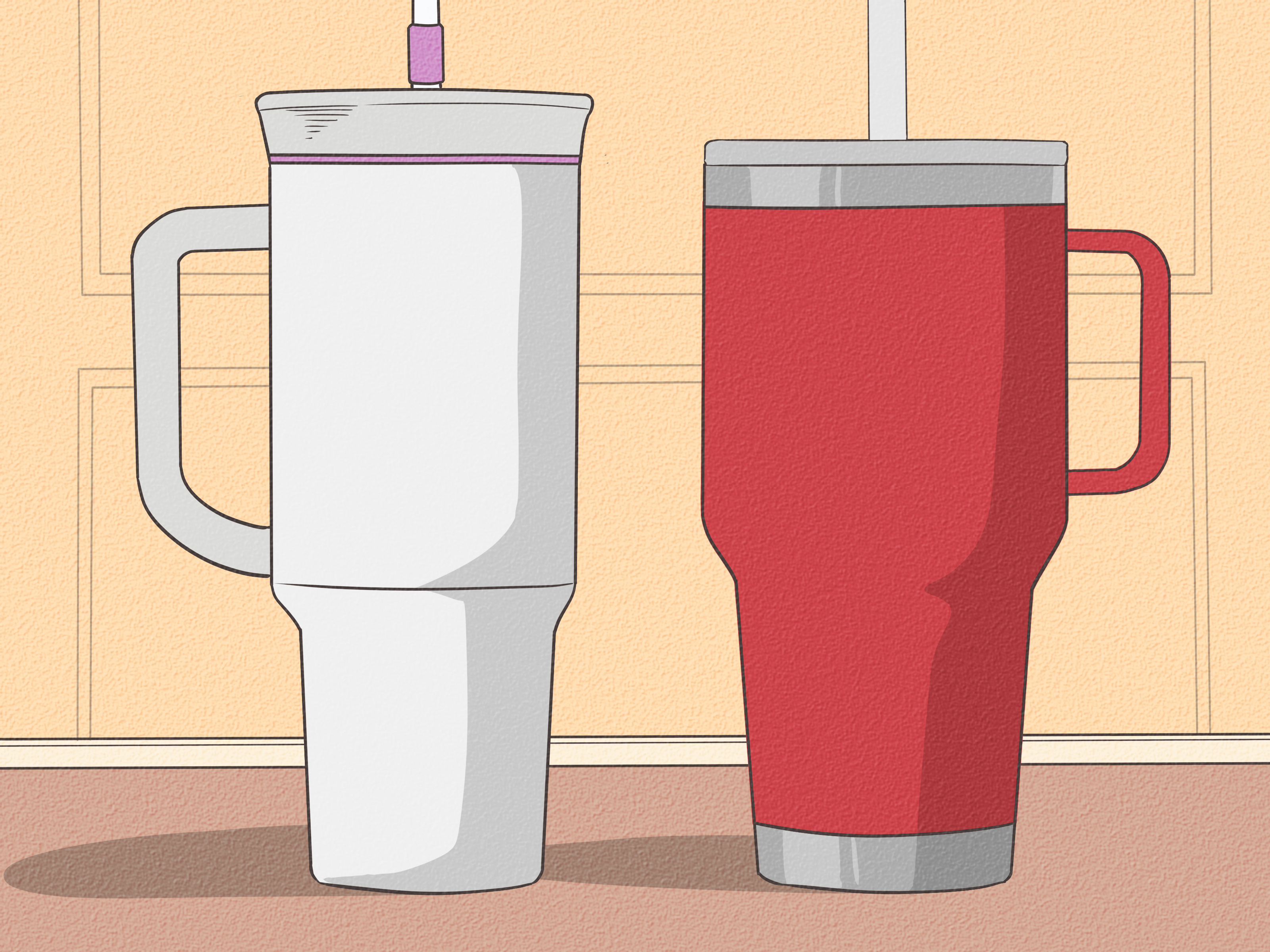
Let’s be honest: the Stanley Quencher is no longer just a water tumbler. It’s a sidekick, a desk ornament, a car-cupholder celebrity, and, for some people, practically a personality trait with a straw. That popularity has created one tiny problem and one giant internet problem: counterfeits.
If you’ve found a “Stanley Cup” online for a suspiciously low price, or one arrives looking a little off, you may be holding a fake. And while the word dupe gets tossed around casually, there’s a difference. A legal dupe is a similar-looking tumbler sold under another brand name. A fake is a product pretending to be Stanley. One is inspired by the trend. The other is a costume party with bad intentions.
This guide breaks down exactly how to spot a fake Stanley Cup, what details to compare, and how to avoid getting fooled before checkout. If you want the real thing, these ten signs will help you separate a legitimate tumbler from a suspicious sip vessel with commitment issues.
Why fake Stanley Cups are everywhere
Stanley’s Quencher line became wildly popular because it combines style and utility in a way that somehow made hydration feel glamorous. Official product listings consistently highlight recognizable features such as 18/8 recycled stainless steel, double-wall vacuum insulation, a screw-on FlowState lid, a reusable straw, a comfort-grip handle, and a base designed to fit most car cupholders. In other words, it’s a premium product with premium demand. And when demand rises, counterfeiters sprint into the chat.
That means shoppers need to look beyond color and shape. A fake Stanley may look convincing at first glance, but small details usually give it away. The trick is knowing where to look before your “great deal” turns into a lukewarm disappointment with a crooked logo.
How to spot a fake Stanley Cup: 10 signs it’s a dupe
1. The price is ridiculously low
If the price makes you blink twice, that’s your first clue. Authentic Stanley Quenchers are premium tumblers, and official retailers typically price them in a fairly consistent range depending on size, finish, and collection. A brand-new “limited-edition Stanley” listed for a fraction of the normal retail price is not a miracle. It is a red flag wearing sunglasses.
Scam sites and counterfeit sellers often use deep discounts to trigger impulse buying. If the listing claims a brand-new, hard-to-find color is 70% off, proceed like a cautious raccoon near a trap. Compare the price with Stanley’s official site and major retailers such as Target, Dick’s Sporting Goods, REI, or Stanley’s official storefronts before you buy.
2. The seller or website feels sketchy
Sometimes the fake isn’t just the cup. It’s the entire storefront. A shady website may have misspelled URLs, generic product descriptions, broken support pages, no real contact information, or awkward “limited stock” panic tactics on every single page. If the site looks like it was built during a lunch break and translated by a sleepy robot, don’t trust it with your card number.
When buying on a marketplace, check who is actually selling the item. A legitimate-looking product page can still be hosted by a third-party seller with questionable inventory. If you’re on Amazon, Walmart Marketplace, or another large platform, review the seller’s name, ratings, return policy, and recent reviews. Buying directly from Stanley or well-known retailers is the safest move.
3. The colorway or design doesn’t match real releases
One of the easiest ways to spot a fake Stanley Cup is to compare the exact color, finish, and trim to official listings. Stanley has released many shades, special collections, and retailer exclusives, but those releases still follow documented names, finishes, and product photos. Counterfeit sellers often invent color combinations that feel close enough to fool casual shoppers.
If the cup claims to be a rare collab, holiday drop, or store-exclusive design, verify that the product actually existed. Compare it to official Stanley photos or exclusive retailer pages. Counterfeits often miss the details, including the finish texture, the lid tint, accent colors, or the way the logo appears against the body.
4. The logo looks wrong
Real branding is usually crisp, clean, and consistent. Fake branding often looks like it had a rough morning. Check the Stanley logo for font accuracy, spacing, sharp edges, and placement. If the logo is too low, off-center, smudged, too thick, or simply weird-looking in a way you can’t fully explain, trust your instincts. Your eyeballs are doing consumer protection work.
A counterfeit tumbler may also use lettering that scratches off too easily or appears slightly blurry under close inspection. Compare the logo to official product photos, not random reseller images. A tiny difference in font or placement can be one of the strongest clues that the tumbler is not genuine.
5. The lid design doesn’t match Stanley’s FlowState setup
Stanley’s popular Quencher tumblers are known for their FlowState-style lid system, including a rotating cover and multiple drinking positions. On authentic versions, the lid should fit properly, thread on securely, and align cleanly with the cup. The straw opening and sip opening should feel intentional, not wonky, warped, or misaligned.
If the lid feels flimsy, doesn’t screw on properly, leaks far more than expected, or has strange plastic seams, that’s a strong warning sign. A fake Stanley often copies the overall look but fails in the mechanics. This is where you learn whether your tumbler is a hydration hero or just a plastic hat balanced on a cup.
6. The materials feel cheap or oddly light
Authentic Stanley Quenchers are built from stainless steel and are known for a solid, substantial feel. They should not feel paper-thin, hollow, rattly, or weirdly light for their size. If the handle flexes too much, the body dents easily, or the finish feels rough and uneven, be suspicious.
Real Stanley tumblers also tend to have a polished, durable overall construction. The finish should look intentional, the handle should feel secure, and the tumbler should not have sharp edges, glue residue, or sloppy join lines. A fake cup often looks decent from six feet away and chaotic from six inches away.
7. The insulation performance is disappointing
A Stanley tumbler is supposed to actually do tumbler things well. Official listings emphasize double-wall vacuum insulation and strong cold-retention performance. If your “Stanley” sweats heavily on the outside, warms up quickly, or turns your iced water into sad room-temperature regret in a short time, you may have a counterfeit on your hands.
Of course, performance can vary based on usage, ambient temperature, and how much ice you use. But a dramatic gap between expectation and reality is worth noting. If a supposed premium tumbler performs like a gas-station souvenir cup, that is not a glowing endorsement of authenticity.
8. The bottom markings are messy, missing, or suspicious
Turn the cup over. The bottom often reveals more truth than the front. Authentic Stanley products generally include neat, readable molded or printed information. Counterfeits may have sloppy text, odd spacing, missing care information, or markings that look inconsistent with official products.
Some genuine Stanley products also include specific material and recycling references, and Stanley’s FAQ explains details such as the plastic identification marking on certain bottom components. That means a totally blank base, badly misspelled text, or rough, poorly molded markings should make you pause. The bottom of the tumbler is basically the product’s passport. If it looks fake, don’t stamp it through customs.
9. The dimensions and proportions are off
Real Stanley products follow published dimensions. For example, retailer listings for the 40-ounce Quencher show very specific measurements and cupholder-friendly bases. A fake may look slightly too tall, too squat, too narrow at the bottom, or oddly proportioned in the handle area. Sometimes the body shape is close, but the handle sits too low or the base diameter feels wrong for a standard Quencher.
This is one of the most overlooked checks. Pull up the official product page and compare the proportions: height, base taper, handle size, lid shape, and overall silhouette. Counterfeits frequently get the “vibe” right while missing the engineering.
10. The packaging, paperwork, or warranty story doesn’t add up
Authentic Stanley products are sold through channels that can back up the purchase. If the tumbler arrives in flimsy packaging, with no clear product labeling, no sensible return path, and no retailer record that makes sense, that’s a problem. So is a seller who dodges questions about origin, invoice details, or whether the item is new and authentic.
Stanley and major retailers also reference warranty support and care information. If a seller can’t tell you where the cup came from, offers only final sale on a supposedly new Stanley, or gives you a bizarre excuse about “factory overstock,” step away slowly. Genuine brands usually do not market themselves like a guy selling watches out of a trench coat.
Best ways to verify a Stanley before you buy
Compare the listing to official photos
Before you check out, open the official Stanley product page and compare the exact cup you want. Look at the lid design, handle placement, logo appearance, finish, straw, and color name. Then compare those details to the seller’s photos. If the seller only uses one blurry image or avoids showing the bottom and lid up close, that’s telling.
Buy from trusted retailers
The simplest way to avoid a fake Stanley Cup is to buy from Stanley directly or from established retailers known to carry authentic stock. That includes large, recognizable sellers with standard return policies and customer support. Buying from a random social ad because “it looked cute and urgent” is how many counterfeit stories begin.
Check the seller on marketplaces
Even if the platform is legitimate, the individual seller matters. Read recent reviews, especially the low-star ones. Watch for complaints about poor quality, fake branding, no returns, misleading colors, or products that don’t match the listing. A page can look polished while the seller quietly ships nonsense.
What to do if you think you bought a fake Stanley
Start by documenting everything: screenshots of the product listing, seller details, photos of the cup, packaging, and all order confirmations. Then request a return or refund through the platform or payment provider. If you bought with a credit card, you may have chargeback options if the item was counterfeit or not as described.
You can also report the seller to the marketplace and avoid using the product if something about its materials or construction feels off. Stanley states that its authentic products are tested to meet U.S. regulatory requirements and that the surfaces touching the user and beverage are safe. A fake does not come with that same reassurance. If the cup seems poorly made or damaged, it’s better to retire it than keep sipping and hoping for the best.
Common shopper experiences with fake Stanley cups
One very common experience starts with a late-night scroll and a deal that seems almost heroic. A shopper sees a “limited-edition Stanley” advertised at a jaw-dropping discount, clicks fast, and feels like they’ve outsmarted the internet. A week later, the tumbler arrives. At first glance, it looks fine. The color is close, the shape is close, and the handle exists in a legally handle-shaped manner. Then the details start piling up. The lid doesn’t sit right. The straw feels flimsy. The logo looks slightly off, like it was designed from memory by someone who once passed a Stanley at the airport. That first little “hmm” turns into full buyer’s remorse by lunchtime.
Another common experience happens on big marketplaces. The product page looks professional, the photos look real, and the reviews seem decent. But the buyer doesn’t realize a third-party seller is fulfilling the order. When the tumbler arrives, it’s lighter than expected and doesn’t keep ice nearly as long as a real Quencher should. The person may not notice the counterfeit right away; instead, they notice the performance. Their water gets warm faster. The exterior feels strange. The finish chips. Then they compare it to a friend’s authentic Stanley and suddenly it’s a detective movie, except the villain is a badly molded lid.
Gift-giving creates another fake-Stanley scenario. Someone buys one for a birthday, graduation, or holiday because it’s a trendy and useful present. The recipient is excited, but a few things seem off during unboxing: the packaging looks generic, the product label is sparse, and the color doesn’t quite match the official version seen in stores. Since nobody wants to be the person who says, “Thanks for the fake hydration chalice,” the concern gets buried for a while. But eventually the tumbler starts leaking or failing basic expectations, and the awkward truth bubbles up.
There are also shoppers who knowingly buy what they think is a harmless “dupe,” only to realize later that it isn’t just a similar cup. It has Stanley branding on it, which pushes it into counterfeit territory. That distinction matters more than people think. Plenty of lookalike tumblers are sold honestly under different brand names. But once a seller uses Stanley’s logo and identity to pass the item off as authentic, the risk changes. Buyers often say the biggest lesson was not about aesthetics but about trust. They weren’t just buying a cup; they were buying the expectation of quality, safety, warranty support, and durable performance.
And then there’s the side-by-side comparison moment, which is both useful and mildly devastating. A shopper finally gets access to a real Stanley in person and notices differences instantly: the logo is sharper, the lid fits more cleanly, the finish looks better, the handle feels sturdier, and the overall tumbler has a more polished build. That comparison often turns confusion into certainty. It also turns many buyers into much smarter shoppers the next time around.
Final takeaway
If you want to know how to spot a fake Stanley Cup, the answer is simple: slow down and compare the details. Real Stanley tumblers are consistent in their materials, design, branding, measurements, lid construction, and retail channels. Counterfeits often get the broad strokes right, but they struggle with the specifics.
So if the logo is weird, the seller is sketchy, the price is absurdly low, the colorway seems imaginary, and the cup performs like a disappointed thermos, trust the evidence. Your hydration deserves better. Frankly, so does your wallet.