If your cat eats like the food bowl is about to run away and join a witness protection program, you are not alone. Many cats inhale dinner with impressive speed, then return it to the carpet with equally impressive timing. It is dramatic. It is damp. It is always on the rug, never the easy-to-clean tile. Naturally.
Fast eating in cats is more than a funny household quirk. When a cat gulps food, especially dry kibble, they may swallow extra air, overload the stomach, or regurgitate undigested food shortly after eating. Some cats do it because they love food. Some do it because they feel competition from other pets. Some learned the habit from a shelter, stray life, or a food-insecure past. And some are simply tiny furry vacuum cleaners with whiskers.
The good news is that you can slow down a cat who eats too fast without turning mealtime into a federal project. The goal is simple: make food harder to gulp, easier to digest, and more mentally satisfying. Below are nine practical steps to help your cat eat at a healthier pace while keeping dinner fun, safe, and far less likely to make a surprise comeback.
Why Do Some Cats Eat Too Fast?
Before fixing the problem, it helps to understand the “why.” Cats may eat too quickly for several common reasons. A cat in a multi-pet home may worry that another animal will steal their food. A cat who once experienced hunger may treat every meal like the last buffet on Earth. Some cats get overexcited by highly palatable food, while others simply have a habit of swallowing large bites without pausing.
Fast eating can lead to regurgitation, which often looks like a neat pile of barely chewed food soon after the meal. This is different from deeper stomach vomiting, though both deserve attention if they happen often. If your cat vomits repeatedly, loses weight, acts tired, refuses food, has diarrhea, or brings up blood, call your veterinarian. A slow feeder is useful, but it is not a substitute for medical care when something more serious is going on.
How to Slow Down a Cat Who Eats Too Fast: 9 Steps
1. Start With Smaller, More Frequent Meals
The easiest way to slow down a speed-eating cat is to stop serving one giant mountain of food. A large meal invites gulping, especially if your cat is hungry, excited, or convinced the kibble has a secret escape plan.
Instead of feeding one or two large meals, divide your cat’s daily food amount into three, four, or even five smaller meals. This keeps your cat from reaching “panic hunger” mode and reduces the chance of the stomach being overwhelmed. For example, if your cat eats half a cup of dry food daily, split it into several smaller portions rather than pouring it all into the bowl at once.
Be careful not to increase the total daily calories. You are changing the schedule, not opening a 24-hour cat buffet. If your cat needs weight management, ask your veterinarian how much food is appropriate based on age, body condition, activity level, and medical history.
2. Use a Slow Feeder Bowl
A slow feeder bowl is one of the most popular tools for cats who eat too fast. These bowls have ridges, bumps, mazes, or grooves that force your cat to work around obstacles. Instead of taking giant mouthfuls, your cat has to lick, paw, and nibble food out slowly.
Choose a cat-friendly slow feeder with shallow spaces, smooth edges, and a stable base. Some bowls made for dogs are too deep for cats and can irritate whiskers. A good slow feeder should make eating slower, not frustrating. If your cat stares at it like you have personally betrayed them, begin with an easier design and gradually increase difficulty.
Slow feeders can work for dry food and some wet foods, depending on the design. For wet food, look for lick mats or shallow textured dishes that spread the food thinly. This encourages licking instead of gulping and can turn a two-minute meal into a calm, ten-minute dining experience. Very fancy. Very feline.
3. Spread Food on a Flat Surface
If you do not want to buy a slow feeder right away, try the budget-friendly cookie sheet method. Spread your cat’s food across a wide, flat surface, such as a baking sheet, shallow tray, or large plate. When the food is spread out, your cat must move from bite to bite instead of burying their face in a bowl and inhaling like a tiny leaf blower.
This method works especially well for dry kibble. It also helps cats who dislike deep bowls or have whisker sensitivity. Some cats eat more comfortably when their whiskers are not brushing against the sides of a narrow dish.
For wet food, smear a thin layer across a plate or lick mat. The thinner the layer, the longer it takes to eat. Just make sure the surface is easy to wash. Dried cat food cement is not a hobby anyone needs.
4. Try Puzzle Feeders and Food Toys
Cats are natural hunters, not natural bowl users. In the wild, a cat does not stroll up to a ceramic dish labeled “Princess Muffin’s Dinner.” They stalk, pounce, catch, and eat several small meals. Puzzle feeders help bring some of that natural behavior indoors.
A puzzle feeder makes your cat solve a small challenge to access food. Some toys roll and drop kibble one piece at a time. Others require your cat to scoop food from cups, tunnels, or compartments. This slows eating while providing mental stimulation.
Start simple. If the puzzle is too hard, your cat may give up and judge you from across the room. Use a few favorite treats or pieces of kibble to teach the concept. Once your cat understands how the puzzle works, you can use it for part or all of a meal.
You can also make DIY puzzle feeders using clean egg cartons, toilet paper rolls, small boxes, or muffin tins. Place a few pieces of kibble in each section so your cat has to search and paw. It is enrichment, exercise, and dinner rolled into one. Basically, it is a cat gym with snacks.
5. Add Safe Obstacles to the Bowl
Another simple trick is to place a large, clean, non-edible object in the food bowl so your cat has to eat around it. This can slow down gulping by forcing smaller bites. Some pet owners use a clean golf ball, ping-pong ball, or large smooth stone.
Safety matters here. The object must be too large to swallow, smooth enough not to injure the mouth, and easy to clean. Do not use small toys, coins, rubber bands, bottle caps, or anything that could break, splinter, or become a choking hazard.
This method is best for supervised meals. If your cat is the type who thinks every object is either food, prey, or a personal enemy, choose a slow feeder bowl instead.
6. Feed Cats Separately in Multi-Pet Homes
Many fast eaters are not greedy; they are stressed. In homes with multiple cats, dogs, or enthusiastic toddlers, a cat may speed through dinner because they feel competition. Even if nobody actually steals the food, the fear of losing it can be enough.
Feed each cat in a separate area. Use different rooms, baby gates, elevated feeding stations, or microchip feeders if needed. Give each cat visual privacy so they do not have to stare at another pet while eating. Nothing says “digestive peace” like not being watched by a Labrador with hopeful eyebrows.
Separate feeding also helps you monitor appetite. In multi-cat homes, it is easy for one cat to overeat while another quietly misses meals. Individual feeding stations make it easier to notice changes before they become health issues.
7. Consider Wet Food or Mixed Feeding
Some cats gulp dry kibble because it is small, crunchy, and easy to swallow quickly. Wet food often takes longer to eat because cats must lick it rather than scoop huge mouthfuls. It also provides moisture, which can support hydration.
If your cat regurgitates dry food often, ask your veterinarian whether adding wet food makes sense. You do not have to switch everything overnight. In fact, sudden diet changes can upset a cat’s stomach. Transition gradually over several days, mixing small amounts of the new food with the old food.
For cats who still eat wet food too fast, use a lick mat or spread the food thinly across a wide plate. You can also divide wet food into several small portions and serve them at intervals.
8. Use an Automatic Feeder for Portion Control
An automatic feeder can be helpful for cats who act like breakfast is a life-or-death emergency at 4:37 a.m. Timed feeders release small portions throughout the day, reducing hunger spikes and helping your cat eat more slowly.
Automatic feeders are especially useful for dry food, but some models work with wet food using ice packs. Choose a feeder that is sturdy, easy to clean, and difficult for your cat to break into. Some cats treat automatic feeders like puzzle boxes designed by weak humans, so durability matters.
Program the feeder to deliver small meals at predictable times. Predictability can reduce anxiety, and smaller portions help prevent the stomach from becoming overloaded. If you have multiple pets, consider microchip feeders so each cat gets the right food and amount.
9. Watch for Medical Red Flags
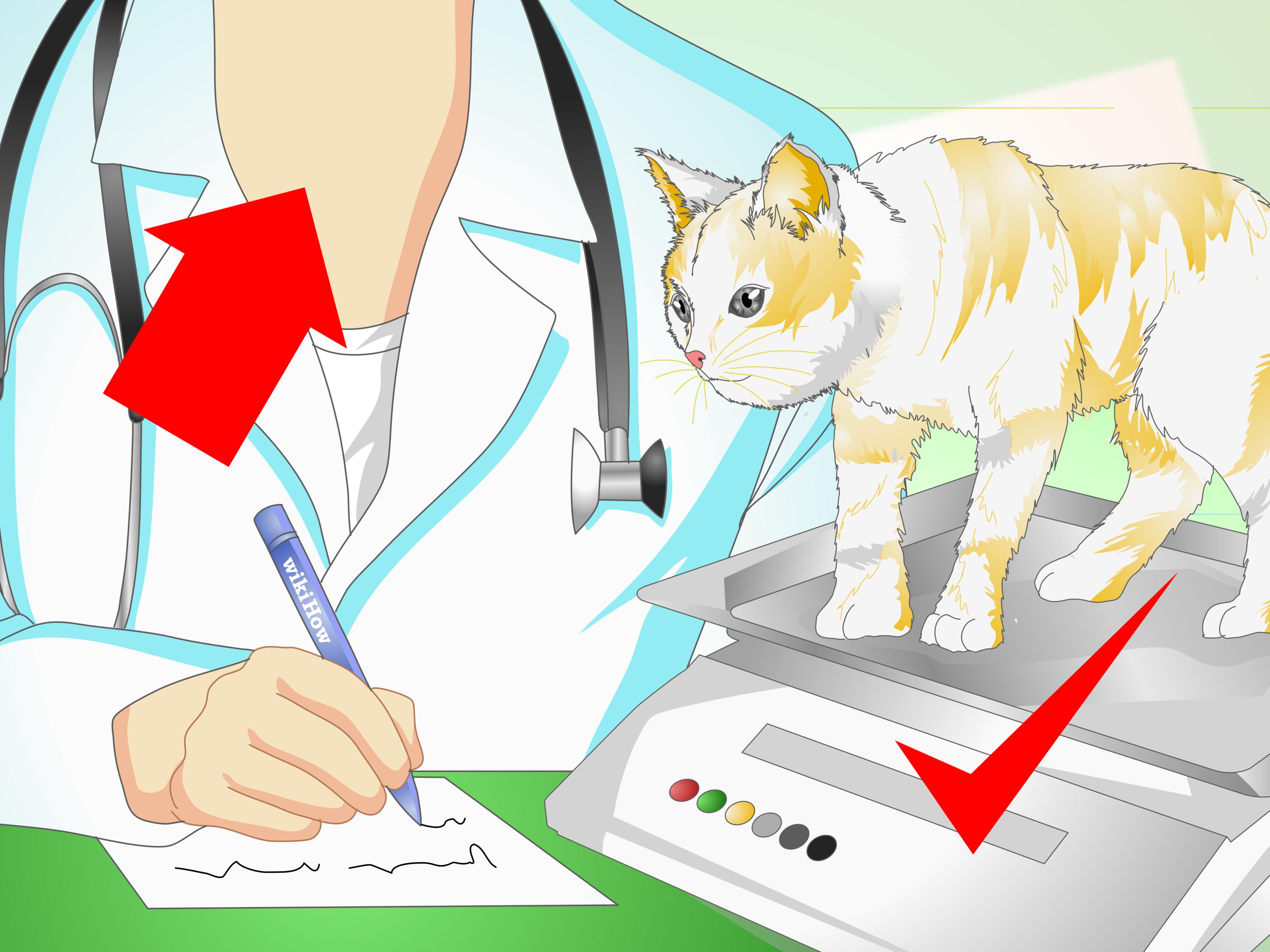
Slowing down meals can solve many cases of scarf-and-barf behavior, but not all vomiting is caused by fast eating. Repeated vomiting, weight loss, appetite changes, diarrhea, constipation, lethargy, increased thirst, frequent urination, or blood in vomit are reasons to contact your veterinarian.
Also pay attention to timing and appearance. Regurgitation often happens soon after eating and may look like undigested food. Vomiting may involve retching, bile, foam, or partially digested food. Either way, if it becomes frequent, do not assume your cat is just “being dramatic.” Cats are dramatic, yes, but they can also be sick while pretending everything is fine.
Your vet may check for food intolerance, parasites, gastrointestinal disease, dental pain, metabolic problems, hairball complications, or other health concerns. The right solution depends on the cause.
Common Mistakes to Avoid
Do Not Free-Feed a Speed Eater Without a Plan
Leaving a full bowl out all day may seem convenient, but it can make overeating worse for some cats. If your cat grazes calmly, free-feeding might work. If your cat empties the bowl in one heroic session, scheduled meals are safer.
Do Not Make the Puzzle Too Hard Too Soon
Food puzzles should be challenging, not impossible. If your cat cannot access the food, frustration rises and dinner becomes a tiny unpaid internship. Begin easy, then increase difficulty as your cat learns.
Do Not Ignore Stress
If your cat eats too fast because they feel unsafe, a fancy bowl will only help so much. Feed them in a quiet location away from dogs, other cats, loud appliances, and high-traffic areas.
Do Not Use Unsafe DIY Objects
DIY feeding tools can be great, but avoid anything sharp, tiny, toxic, fragile, or difficult to clean. Cardboard puzzle feeders should be replaced regularly, especially if they become wet or dirty.
How Long Should It Take a Cat to Eat?
There is no perfect stopwatch number, but a cat who finishes a meal in under a minute and then regurgitates may need help slowing down. A healthier pace depends on the food type, portion size, and feeding method. The goal is not to make your cat dine like royalty with a seven-course tasting menu. The goal is to prevent gulping, reduce digestive upset, and make meals more satisfying.
If a slow feeder turns a 60-second meal into a 5- to 15-minute activity, that is often a win. If your cat becomes frustrated, paws aggressively, or refuses food, adjust the method. Cats are individuals, and some require trial and error. Mostly error, if we are being honest. They are cats.
Extra Experience-Based Tips for Slowing Down a Fast-Eating Cat
Living with a fast-eating cat teaches you two things quickly: cats have no respect for carpet, and the sound of pre-vomit gagging can teleport a human across the house. Over time, many cat owners discover that the best solution is not one magic product but a combination of small changes.
One practical approach is to create a “slow meal routine.” For breakfast, use a timed feeder or split the meal into two parts ten minutes apart. For dinner, use a slow feeder bowl or lick mat. For treats, skip the handful-in-a-bowl method and hide a few pieces around a room so your cat has to sniff them out. This turns eating into a calmer, more natural activity rather than a race.
Another useful trick is to observe what kind of fast eater your cat is. Some cats are “bowl bulldozers” who push their face straight into food and swallow without thinking. These cats often do well with flat trays, ridged bowls, or lick mats. Other cats are “competitive gobblers” who eat fast only when another pet is nearby. These cats need privacy more than gadgets. A third group is made up of “bored snack monsters” who are not truly starving but want stimulation. Puzzle feeders and hunting games are ideal for them.
Texture can also matter. A cat who gulps round kibble may slow down with a different kibble shape, wet food, or a mixed feeding plan. However, food changes should be gradual. Cats are sensitive to sudden dietary shifts, and their stomachs may file a complaint in the form of vomit, diarrhea, or suspicious litter box activity.
For wet food lovers, a lick mat can be a game changer. Spread the food thinly so your cat must lick rather than bite. You can also add a spoonful of warm water to make the texture easier to spread. Do not microwave food until it is hot; gently warming it to room temperature is enough. Cats appreciate aroma, not lava.
In multi-cat homes, feeding stations can completely change the mood. Place one cat’s meal in the laundry room, another in the kitchen, and another on a cat tree or quiet bedroom floor. Visual separation is important. Even a confident cat may speed up when another cat is staring like a tiny tax auditor.
It also helps to keep a simple meal journal for one or two weeks. Write down what your cat ate, how fast they ate, what feeder you used, and whether regurgitation happened. Patterns often appear quickly. Maybe vomiting happens only after dry breakfast. Maybe it happens when the dog is loose. Maybe it happens when meals are too far apart. Once you see the pattern, the solution becomes much easier.
Finally, stay patient. A cat who has eaten quickly for years may not become a mindful dining guru overnight. Introduce one change at a time, reward calm eating, and make sure your cat can still access enough food. The best slow-feeding plan is one your cat will actually use. After all, the goal is a healthier, happier catnot a dramatic standoff beside a bowl while your cat looks at you as if you have personally ruined cuisine.
Conclusion
Helping a cat slow down at mealtime is part digestion support, part behavior management, and part creative problem-solving. Start with smaller meals, spread food out, try slow feeders or puzzle toys, reduce competition, and watch for medical warning signs. For many cats, these simple changes can reduce regurgitation, improve comfort, and make meals more enriching.
Remember: a cat who eats too fast is not necessarily being naughty. They may be excited, anxious, bored, hungry, or simply following a habit that needs gentle reshaping. With the right setup, your cat can learn that dinner is not a race. And your carpet can finally retire from active duty.
Note: This article synthesizes veterinary and feline behavior guidance from reputable U.S. pet-health and animal-welfare resources, including veterinary hospitals, feline health centers, university pet nutrition programs, and cat behavior organizations.