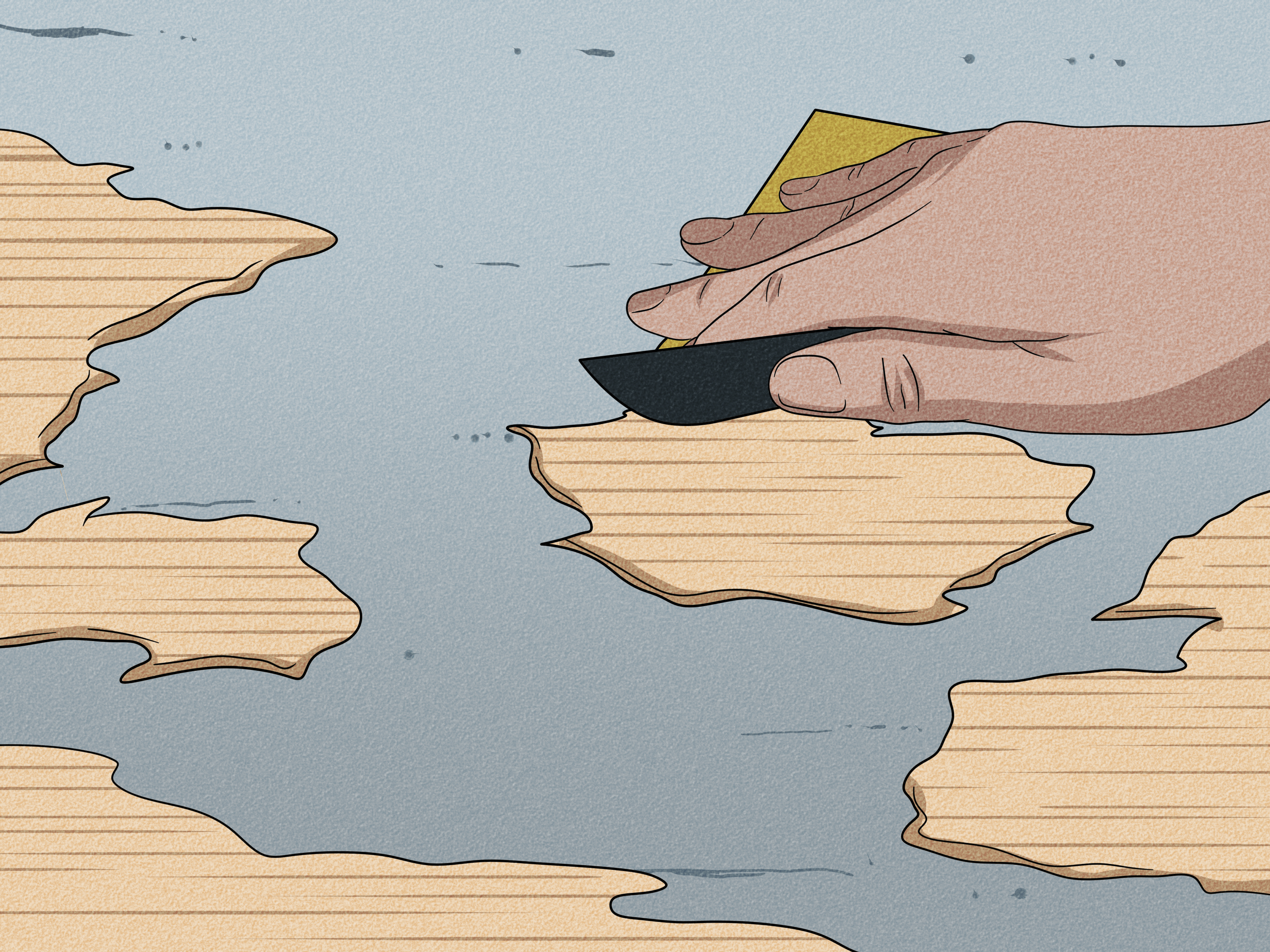
Pulling up old carpet can feel like the big victory moment in a home project. You roll it back, admire the bare concrete underneath, and imagine your beautiful new floor. Then reality enters wearing work boots: the concrete is covered in stubborn carpet glue that looks like it was installed by someone with a personal grudge against future homeowners.
The good news? You can remove carpet glue from concrete without hiring a demolition crew or questioning every life choice that led you to this room. The right method depends on the type of adhesive, how thick it is, how old it is, and what you plan to install next. Sometimes warm water and patience are enough. Other times, you need a scraper, adhesive remover, or a rented floor machine. Either way, the goal is the same: get the slab clean, smooth, and ready for its next chapter.
This guide explains six simple DIY ways to remove carpet glue from concrete, plus the tools, safety tips, cleanup steps, and real-world lessons that make the job less miserable. It is not glamorous work, but neither is leaving old glue under new flooring and hoping for the best. Concrete remembers. New flooring remembers too.
Before You Start: Identify the Glue and Check for Safety Issues
Before scraping, soaking, or grinding anything, take a close look at the adhesive. Carpet glue on concrete may be tan, yellow, amber, gray, dark brown, or black. Some modern carpet adhesives soften with water. Older mastics may need chemical help or mechanical removal. Black adhesive deserves extra caution, especially in homes built before the late 1980s, because some old flooring adhesives and mastics may contain asbestos.
If the glue is black, tar-like, brittle, or located under very old flooring, do not sand, grind, or aggressively scrape it until you know what it is. The safest move is to use an asbestos test kit or hire a qualified professional. Asbestos is not dangerous because it looks ugly; it is dangerous when fibers become airborne. That means power sanding unknown old mastic is not a DIY flex. It is a bad idea wearing safety goggles.
Basic tools and supplies you may need
- Floor scraper with replaceable blades
- Putty knife or painter’s tool for edges
- Knee pads, gloves, and safety glasses
- Bucket, warm water, and mild dish soap
- Old towels, rags, and absorbent material
- Heat gun or garment steamer
- Citrus-based, soy-based, or commercial adhesive remover
- Plastic sheeting to keep remover wet longer
- Shop vacuum with a proper filter
- Rented floor buffer, floor scraper machine, or concrete grinder for large jobs
Protect yourself and the room
Open windows if you are using any remover, wear gloves, and read the product label before applying anything to the floor. If grinding or sanding concrete is involved, dust control matters. Concrete dust can contain respirable crystalline silica, which is hazardous when inhaled. Use wet methods or a grinder with a dust shroud and HEPA vacuum when appropriate. A paper dust mask from the back of the junk drawer is not the same thing as real respiratory protection.
How to Remove Carpet Glue from Concrete: The 6 Simple DIY Ways
The smartest approach is to begin with the least aggressive method and move up only when needed. Start with scraping and warm water. If the glue laughs at you, try heat, then adhesive removers, then mechanical equipment. Your concrete floor is tough, but your back has feelings.
1. Scrape the Glue by Hand
For thin, dry, flaky, or brittle glue, a floor scraper may be all you need. This method is affordable, chemical-free, and surprisingly effective when the adhesive is already loose. It is also a workout, so do not be shocked if your arms start sending formal complaints.
How to do it
- Remove loose carpet fibers, foam backing, staples, and debris.
- Hold a long-handled floor scraper at a low angle.
- Push the blade under the glue using steady pressure.
- Work in small sections instead of attacking the entire room at once.
- Vacuum or sweep up loosened adhesive often so you can see your progress.
- Replace dull blades quickly. A dull scraper turns the job into punishment.
Hand scraping works best on glue ridges, dried adhesive patches, and areas where the glue is not deeply bonded to the concrete. It is also useful after other methods soften the adhesive. The trick is not to jab straight down into the concrete. Keep the blade low and let it shave the glue away.
Best for
This method is best for small rooms, thin glue layers, edge cleanup, and DIYers who want to avoid chemicals. It is not ideal for thick, gummy adhesive that smears instead of lifts.
2. Use Hot Water and Dish Soap
Some carpet adhesives are water-based, which means hot water can soften them enough to scrape away. This is usually the first wet method worth trying because it is cheap, simple, and less harsh than chemical removers.
How to do it
- Mix very warm water with a small amount of mild dish soap.
- Pour or sponge the solution over a small section of glue.
- Let it sit for 10 to 20 minutes, keeping the area damp.
- Scrape the softened glue with a floor scraper or putty knife.
- Repeat as needed until the concrete feels mostly smooth.
- Rinse the area with clean water and dry it thoroughly.
Do not flood the room. Concrete can absorb moisture, and excess water may travel under walls or into cracks. Think “controlled soaking,” not “indoor pond.” Work in manageable areas of three to five square feet so the water stays warm and the glue stays soft while you scrape.
Best for
Hot water works well on light, water-based carpet glue and residue left after the main carpet backing has been removed. It is not very effective on old black mastic, heavy construction adhesive, or solvent-based glue.
3. Soften Carpet Glue with Heat or Steam
Heat can make stubborn glue flexible enough to scrape. You can use a heat gun, garment steamer, wallpaper steamer, or even very hot towels for small areas. Steam is often gentler because it adds moisture while warming the adhesive. A heat gun is more direct but needs careful handling.
How to do it with a heat gun
- Set the heat gun to a low or medium setting.
- Hold it several inches above the glue.
- Move it constantly to avoid scorching the adhesive or the concrete surface.
- Heat a small section until the glue softens.
- Scrape immediately while the adhesive is warm.
How to do it with steam
- Place the steamer head over a small glued area.
- Allow the steam to soften the adhesive for a short period.
- Lift the softened glue with a scraper.
- Wipe residue with a damp rag.
- Repeat until the section is clean.
Avoid overheating glue. Burned adhesive can smell terrible and may release irritating fumes. Keep the room ventilated and never use a heat gun near flammable adhesive remover, solvent residue, or piles of old carpet fuzz. Carpet fuzz is basically tiny kindling with opinions.
Best for
Heat and steam are helpful for tacky glue, adhesive strips, glue around edges, and spots that resist plain water. They are slower for large rooms but excellent for detail work.
4. Apply a Citrus-Based or Soy-Based Adhesive Remover
When warm water does not work, a citrus-based or soy-based adhesive remover can loosen carpet glue without jumping straight to the strongest solvent on the shelf. These products are popular for DIY flooring projects because they often have a lower odor than traditional solvent removers and can stay wet long enough to break down adhesive.
How to do it
- Test the remover in a small hidden area first.
- Apply a thick enough layer to keep the glue wet.
- Cover the area with plastic sheeting if the label allows it.
- Let the remover dwell for the recommended time.
- Scrape the softened glue into piles.
- Collect the residue and dispose of it according to local rules.
- Wash the concrete with clean water or the cleaner recommended by the product label.
The dwell time is the magic. Many adhesive removers do not work instantly. If you apply remover and start scraping thirty seconds later, you are basically interrupting it during its warm-up routine. Let it sit long enough to soften the glue, but do not let it dry out.
Best for
This method is best for medium-strength carpet adhesive, glue that smears under a scraper, and homeowners who want a less aggressive chemical option. Always check whether the product is suitable for concrete and whether it may leave an oily residue that affects future flooring.
5. Use a Commercial Flooring Adhesive Remover
For stubborn carpet glue, commercial flooring adhesive removers can save hours. Many are designed specifically for carpet backing, vinyl adhesive, latex adhesive, mastic, and glue residue on concrete. Some are water-based or solvent-free; others are stronger and require more careful ventilation and cleanup.
How to do it
- Read the full label before opening the container.
- Protect walls, baseboards, drains, cracks, and nearby flooring.
- Apply the remover evenly across the glue.
- Let it soak for the recommended dwell time.
- Scrape or squeegee the softened adhesive from the concrete.
- Repeat on stubborn spots.
- Clean the slab thoroughly so no residue remains.
Commercial removers are useful, but they are not all the same. Some products are made to be poured over existing carpet to release the bond underneath. Others are applied directly to exposed glue. Some require rinsing. Some require neutralizing. Some need hours to penetrate. Read the label like it owes you money, because skipping instructions can leave the concrete greasy, sticky, or unsuitable for the next flooring adhesive.
Best for
This method is best for large sticky areas, heavy residue, glued-down carpet backing, and jobs where hand scraping alone is taking too long. It is especially useful when you plan to install new flooring and need the slab properly cleaned.
6. Rent a Floor Machine or Concrete Grinder
If the carpet glue covers a large basement, garage, commercial room, or entire slab, a rented floor machine can turn a weekend of crawling into a more controlled project. Options may include a floor buffer with abrasive pads, a walk-behind floor scraper, or a concrete grinder with proper dust collection.
How to do it
- Confirm the adhesive is safe to grind or mechanically remove.
- Ask the rental center which machine and attachment match carpet glue removal.
- Remove loose debris before starting.
- Use the machine slowly and evenly across the slab.
- Vacuum dust and debris frequently with proper filtration.
- Inspect the floor under bright light and repeat where needed.
- Clean the concrete thoroughly before installing new flooring.
Mechanical removal is powerful, but it is not always the first choice. Grinding can create dust, expose uneven spots, and remove more surface material than expected. If you are preparing for polished concrete, epoxy, tile, or glue-down flooring, surface profile matters. When in doubt, follow the flooring manufacturer’s preparation requirements or consult a flooring professional.
Best for
This method is best for big spaces, thick residue, and floors that need serious surface preparation. It is not best for unknown black mastic, tiny rooms where a machine cannot maneuver, or projects without dust control.
How Clean Does Concrete Need to Be After Removing Carpet Glue?
The answer depends on what comes next. If you are painting or staining concrete, the surface needs to be extremely clean because leftover glue can block absorption and cause blotchy results. If you are installing tile, old adhesive ridges can create unevenness and bonding problems. If you are installing floating vinyl plank or laminate, the floor still needs to be flat, smooth, dry, and free of loose debris.
A good rule is this: remove anything loose, sticky, raised, greasy, or likely to interfere with the new floor. Run your hand over the concrete. If you feel ridges, bumps, or gummy patches, keep working. If a scraper catches on adhesive lines, the new flooring may notice too.
Final cleaning steps
- Scrape remaining high spots.
- Vacuum dust and loose particles.
- Wash the slab according to the remover label or with clean water if no chemical was used.
- Let the concrete dry completely.
- Check for oily residue by wiping the surface with a clean white rag.
- Patch cracks or low spots if required by your new flooring.
Do not rush the drying stage. Concrete can look dry on top while still holding moisture. New adhesives, primers, paints, and coatings may fail if applied too soon. Patience here is cheaper than redoing the floor later, which is the home improvement version of stepping on a rake twice.
Common Mistakes to Avoid
Using strong solvents too early
Jumping straight to harsh solvents may create fumes, leave residue, or make a manageable glue problem messier. Try scraping, hot water, and controlled heat first unless the adhesive clearly needs a remover.
Letting adhesive remover dry out
Many removers work only while wet. If the product dries before you scrape, it may stop working and leave you with a sticky film. Covering the area with plastic can help if the label allows it.
Grinding unknown old adhesive
Never grind suspicious old black mastic without testing. If asbestos is present, disturbing it can create a serious health hazard. This is one area where “I saw someone do it online” is not a safety plan.
Forgetting the edges
Glue often hides along walls, corners, closets, doorways, and around old tack strip areas. These spots matter because new flooring transitions and trim need a clean, level base.
Installing new flooring over sticky residue
Sticky residue can interfere with primers, adhesives, underlayment, and floor leveling products. It may also attract dust, which turns the slab into a gritty, unpleasant mess.
Which Method Should You Try First?
If the glue is thin and dry, start with hand scraping. If it softens with moisture, use hot water and dish soap. If it is gummy or tacky, try heat or steam. If the glue still refuses to move, apply a citrus-based, soy-based, or commercial flooring adhesive remover. For huge areas or extremely stubborn residue, consider renting a floor machine after confirming the adhesive is safe to mechanically remove.
Here is a simple decision guide:
- Small area with dry glue: scraper and elbow grease.
- Water-based glue: hot water, soap, and scraping.
- Sticky patches: heat, steam, or adhesive remover.
- Large room: commercial remover or rented floor machine.
- Old black mastic: stop and test before disturbing.
Experience-Based Tips for Removing Carpet Glue from Concrete
After dealing with carpet glue on concrete, most DIYers learn one lesson quickly: the job is less about brute strength and more about timing. The best results usually come from softening the adhesive properly, keeping tools sharp, and working in sections small enough to control. Trying to remove an entire room at once sounds efficient, but it often creates a half-wet, half-dry battlefield of glue smears, dirty footprints, and regret.
A practical approach is to divide the floor into zones. Pick a section about the size of a bath towel, treat it, scrape it, clean it, and move on. This gives you a visible win every few minutes, which matters more than people admit. Carpet glue removal is not emotionally inspiring work. You need small victories. A clean square of concrete can feel like applause.
Another useful lesson is to keep extra scraper blades nearby. Many beginners try to finish the whole room with one blade because it still “looks fine.” A blade can look fine and still scrape like a butter knife. Once you notice yourself pushing harder, sweating more, or muttering at the floor, change the blade. Sharp blades reduce effort and help peel adhesive instead of smearing it.
Temperature also matters. Warm adhesive usually releases more easily than cold adhesive. If you are working in a chilly basement or garage, the glue may feel harder and more brittle. In that case, heat or warm water can make a noticeable difference. On the other hand, if the glue turns into sticky chewing gum, stop spreading it around. Use absorbent material, let the remover work longer, or switch tools.
One of the biggest experience-based mistakes is underestimating cleanup. Removing the glue is only part of the job. The residue has to be collected, bagged, and removed from the room. If you leave piles of softened adhesive sitting around, they will find a way onto your shoes, ladder, tools, and possibly the dog. Keep a trash bag or disposable container nearby and clean as you go.
Ventilation is another detail that feels optional until it is not. Even lower-odor removers can become unpleasant in a closed room. Open windows, use fans carefully, and take breaks. If the product label recommends gloves, goggles, or outdoor ventilation, believe it. Labels are not written for dramatic effect. They are written because somebody, somewhere, learned the hard way.
Finally, think about the flooring you plan to install before deciding how perfect the slab must be. For a floating floor, minor staining may not matter, but bumps and loose glue do. For paint, stain, epoxy, tile, or glue-down flooring, residue matters much more. The cleaner the concrete, the better the finish or bond. When the slab feels smooth, dry, and free of tacky areas, you are much closer to success. It may not look like a magazine photo yet, but it is ready for the next stepand that is the real win.
Conclusion
Removing carpet glue from concrete is not the fanciest DIY project, but it is one of the most satisfying when done right. The secret is choosing the correct method for the adhesive in front of you. Start with a scraper, try hot water if the glue is water-based, use heat or steam for stubborn spots, and move to adhesive removers or rental machines for larger, tougher jobs. Most importantly, do not grind or sand unknown old black mastic without testing it first.
A clean concrete slab gives your next floor the best chance to look good and last. Whether you are installing vinyl plank, tile, epoxy, paint, carpet, or polished concrete, old glue should not be invited to the party. Work patiently, protect yourself, clean thoroughly, and remember: every scrape brings you closer to a floor that no longer looks like it lost a fight with a waffle iron.