Asking your parents for a computer or laptop can feel like presenting a business proposal to a panel of investorsexcept the investors also know how many socks are currently hiding under your bed. The good news? You do not need dramatic speeches, guilt trips, or a PowerPoint with explosions. The best way to convince your parents to buy you a computer or laptop is to show them that you have a clear reason, a responsible plan, and a realistic understanding of cost, safety, and school needs.
A computer is not just a shiny rectangle with a keyboard. For many students, it is a homework station, research tool, creative studio, coding lab, college-prep machine, and communication hub. But parents often see the other side too: expense, distraction, gaming marathons, online safety risks, and the possibility that the device becomes a very expensive YouTube machine. Your job is to connect your request to trust, responsibility, and practical value.
This guide explains how to ask your parents for a laptop or computer in a mature, persuasive waywithout sounding like you are reading from a robot-written contract. Let’s make your case strong enough that even the family budget committee takes you seriously.
Why Your Parents May Say No at First
Before you make your argument, understand why your parents might hesitate. Most parents are not saying “no” just to ruin your digital dreams. They may be thinking about money, your current grades, screen time, online privacy, household rules, or whether you already have access to a shared family computer.
Some parents worry that a personal laptop will lead to late-night scrolling, unfinished chores, or a mysterious condition known as “I’ll do my homework after one more video.” Others may not know what kind of computer is actually needed for school. A parent who hears “I need a laptop” may imagine a $2,000 machine with glowing rainbow keys, when you might only need a reliable Chromebook or basic Windows laptop for documents, research, and video classes.
That is why your approach matters. Instead of starting with “Everyone else has one,” start with “Here is exactly how I would use it, what it would cost, and how I would follow rules.” That moves the conversation from emotion to evidence.
Start With a Real Reason, Not Just a Wish
The strongest argument is not “I want a laptop.” It is “I need better access to a computer because it will help me complete schoolwork, manage projects, learn skills, and stay organized.” Be specific. Parents respond better to a practical explanation than a vague wish list.
For example, instead of saying, “I need it for school,” say: “I have essays, online assignments, research projects, presentations, and group work. A personal laptop would help me work without waiting for the family computer or trying to type long assignments on a phone.” That is a much stronger case.
You can also mention future skills. A computer can help you learn coding, graphic design, video editing, writing, spreadsheets, typing, foreign languages, digital organization, and basic financial planning. These are not just hobbies; they are useful skills for college, jobs, internships, and everyday life.
Show the Difference Between a Phone and a Computer
One common parent response is, “You already have a phone.” Your answer should be respectful, not sarcasticeven if your soul briefly leaves your body.
Explain that phones are useful for quick tasks, but they are not ideal for serious schoolwork. Writing a multi-page essay on a phone is like trying to build a house with a spoon. A laptop or desktop computer is better for typing, organizing files, researching, editing documents, creating presentations, joining online classes, and using educational software.
You can say something like: “My phone helps me check information, but it is not efficient for long assignments. A computer would help me work faster, focus better, and keep school files organized.” This makes the point without dismissing your parents’ concern.
Do Your Research Before Asking
If you want to convince your parents to buy you a laptop, do not walk into the conversation with only vibes and hope. Research options first. Parents appreciate preparation because it shows maturity.
Create a short list of two or three suitable computers at different price levels. Include the price, basic specifications, warranty information, and why each option makes sense. You do not need to become a tech engineer overnight. Focus on practical details: battery life, storage, memory, durability, screen size, keyboard comfort, and whether the computer supports the software you need for school.
What Specifications Should You Look For?
For basic schoolwork, web browsing, writing, slides, and video calls, a Chromebook or affordable Windows laptop may be enough. For heavier tasks like video editing, programming, design, or advanced creative work, you may need stronger performance. If you are asking for a laptop mainly for gaming, be honestbut understand that parents may be less convinced unless you separate entertainment from school use.
A reasonable student laptop should usually have enough memory to run school apps smoothly, enough storage for documents and projects, strong battery life, a decent webcam for online classes, and a reliable keyboard. It does not need to be the flashiest device in the store. In fact, choosing a practical model can make your argument much stronger.
Prepare a Mini Budget Plan
Money is often the biggest obstacle. A laptop can be a major purchase, especially for families balancing bills, school costs, groceries, and every other financial surprise life throws like a dodgeball.
Help your parents by preparing a budget plan. Include the computer price, possible taxes, a protective case, warranty options, software needs, and accessories like a mouse or headphones if necessary. You can also look at student discounts, holiday sales, refurbished models from reputable sellers, or open-box deals. A certified refurbished laptop can sometimes offer good value if it comes with a warranty and return policy.
Then, offer to contribute. You might save allowance money, birthday money, part-time job earnings, or money from small tasks. Even if you cannot pay much, offering something shows that you understand the purchase has real value.
Example Budget Pitch
You could say: “I found three options. The first is a budget Chromebook for basic schoolwork. The second is a mid-range laptop that would last longer. The third is more expensive, so I do not think it is necessary. I can contribute $100 from my savings, and I am willing to wait for a sale.”
That kind of statement tells your parents you are not just demanding a luxury item. You are thinking like a responsible buyer.
Connect the Computer to School Performance
Parents care about results. If your grades are strong, use that as evidence that you will use the computer responsibly. If your grades need improvement, use the laptop request as part of a plan to do better.
For example, you might say: “I want to use the laptop to create a weekly homework schedule, organize assignments, and finish projects earlier. I can show you my progress every week.” This gives your parents something measurable.
You can also explain how a personal computer can reduce delays. If you share a family device, you may have to wait until someone else is finished. If you rely on school devices, access may be limited. Having your own computer can help you complete assignments on time and avoid last-minute panicthe kind where the printer suddenly becomes your sworn enemy at 10:47 p.m.
Offer a Clear Responsibility Agreement
A responsibility agreement can make parents feel more comfortable. It does not need to be dramatic or legally binding. You are not signing a treaty between nations. It can simply list rules you agree to follow.
Your agreement might include homework-first rules, device-free family meals, no laptop in bed after a certain time, parent-approved apps, safe browsing habits, regular updates, and a plan for where the laptop is stored when not in use.
You can also agree to consequences. For example: “If I ignore the rules, I lose laptop privileges for a set time.” This shows that you are serious about earning trust.
Sample Laptop Responsibility Agreement
- I will use the laptop for homework before entertainment.
- I will keep the laptop in a safe place and use a protective case.
- I will not download unknown apps or files without permission.
- I will use strong passwords and enable extra security when possible.
- I will follow agreed screen-time limits.
- I will keep grades, chores, and sleep as priorities.
- I will let my parents check settings if we agree on that rule.
This kind of agreement turns the conversation from “Can I have this?” into “Here is how I will manage it.” That is a powerful shift.
Address Online Safety Before They Bring It Up
Parents worry about online safety for good reasons. A computer opens access to websites, apps, messages, downloads, games, and social platforms. If you bring up safety first, you show maturity.
Tell your parents you are willing to use safe browsing settings, privacy controls, strong passwords, and multi-factor authentication. Explain that you will not share personal information online, click suspicious links, download random files, or talk with strangers in unsafe ways. This is not just parent-pleasing language; it is genuinely smart.
You can also suggest setting up the laptop together. That way, your parents can see the privacy settings, security tools, school accounts, and app permissions. It becomes a shared setup process instead of a secret device appearing in your room like a tiny metal goblin.
Choose the Right Time to Ask
Timing matters. Do not ask when your parent is rushing, stressed, paying bills, cooking dinner, or trying to fix the Wi-Fi router while muttering ancient curses. Choose a calm time when they can actually listen.
You might say: “Can we talk this weekend about something school-related? I prepared some information about getting a laptop.” This gives them time and signals that you are taking the request seriously.
Avoid starting the conversation during an argument. If the mood is already tense, your laptop request may accidentally become part of a bigger debate about chores, grades, and why there are three cups in your room. Pick your moment wisely.
Use a Respectful Pitch
Your tone can help or hurt your chances. A respectful pitch should be calm, specific, and honest. Do not exaggerate. Do not say, “My entire future will collapse without a laptop,” unless you are applying to be the lead actor in a drama club production.
Try this structure:
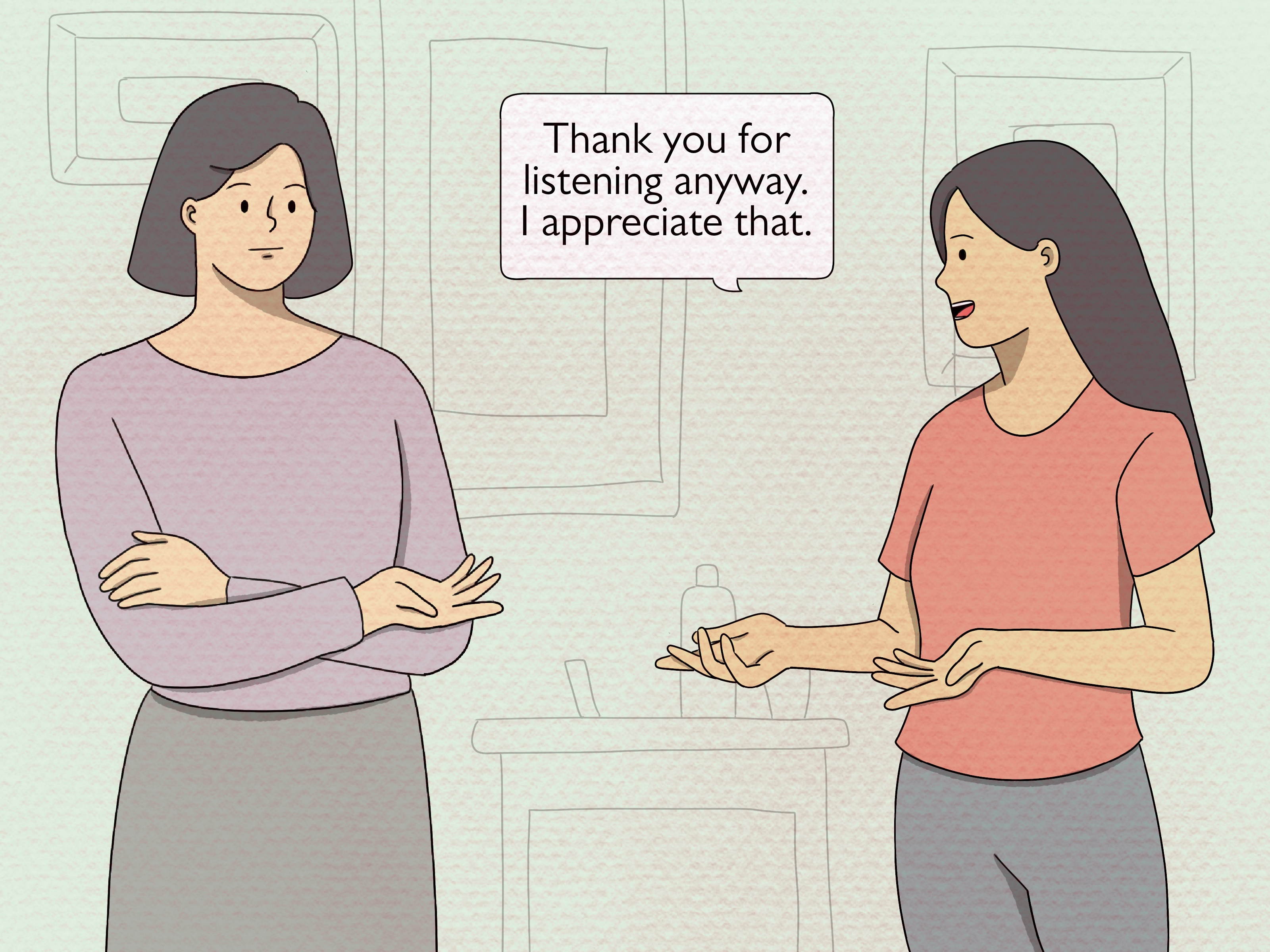
- Thank them for listening.
- Explain the school or skill-based reason.
- Show your research.
- Explain the budget.
- Offer rules and responsibility.
- Ask for their thoughts.
Example Conversation Script
“I wanted to talk about getting a laptop for school. I know it is a big purchase, so I researched a few options and chose ones that are practical, not the most expensive. I would use it for homework, writing assignments, research, presentations, and learning new skills. I also made a responsibility plan with rules for screen time, safety, and taking care of it. I can contribute some money and wait for a sale if needed. Can I show you what I found?”
This script works because it sounds mature, not demanding. It invites discussion instead of forcing a yes-or-no battle.
Be Ready for Questions
Your parents may ask tough questions. That is not a bad sign. It means they are considering the request seriously.
They might ask: “Why do you need your own computer?” “How much does it cost?” “Will this distract you?” “What about gaming?” “How will we know you are using it responsibly?” “Can we wait until your birthday or a holiday?”
Prepare honest answers. If you plan to use the laptop for games sometimes, do not pretend you will only use it to write essays and study cloud formations. Say something balanced: “I would like to use it for entertainment sometimes, but I agree homework comes first and gaming can have time limits.” Honesty builds trust faster than pretending to be a tiny professor who only opens spreadsheets.
Suggest a Trial Period
If your parents are unsure, suggest a trial period. For example, they might let you use a family laptop more often for one month while you follow the same rules you would use with your own device. If you prove responsible, they may be more willing to buy one.
You could also ask for the laptop as a shared device at first. Maybe it stays in a common area, or your parents hold the charger at night. These compromises may not sound thrilling, but they can help build trust.
Remember: getting a laptop is not only about the device. It is about showing you can handle more independence.
Offer Alternatives If the Answer Is No
A “no” does not always mean “never.” It may mean “not now,” “not at that price,” or “not until we see more responsibility.” Ask calmly what would need to happen for them to reconsider.
You can ask: “What goals would you want me to meet first?” Maybe they want better grades, more consistent chores, a savings contribution, or proof that you can manage screen time. Write those goals down and follow through.
You can also suggest alternatives: a used laptop, a refurbished laptop, a Chromebook, a desktop computer, a shared family computer schedule, or waiting for a major sale. Flexibility makes your request more realistic.
What Not to Do When Asking for a Laptop
Some strategies almost always backfire. Do not compare your parents to other parents. “Everyone else has one” is rarely the winning argument teenagers hope it will be. Your parents are probably not making financial decisions based on what Tyler from math class owns.
Do not beg endlessly, slam doors, guilt-trip them, or act like a laptop is proof of love. Do not secretly buy one without permission if family rules require approval. Do not promise perfect grades forever unless you have discovered a way to become a homework superhero with unlimited energy.
Most importantly, do not make the conversation only about what you want. Make it about responsibility, learning, and trust.
How to Make Your Case Stronger Over Time
If you want your parents to see you as ready for a computer, start acting ready before you ask. Finish homework on time. Keep your room and school materials organized. Follow current screen-time rules. Help around the house without needing a ten-part reminder series.
Show interest in productive uses of technology. Learn typing, basic coding, digital art, writing, spreadsheet skills, or video editing. If your parents see that you already use technology to create and learnnot only consumethey may feel more confident investing in a device.
You can also create a one-page proposal. Include your reasons, the model options, cost comparison, safety plan, and responsibility agreement. Keep it short. Parents are busy; they may appreciate a clear summary more than a 47-slide presentation titled “Laptop Destiny: A Vision.”
Real-Life Examples of Good Laptop Requests
Example 1: The Homework Organizer
Maya shares a family computer with two siblings. Her assignments often require online research and typed essays. She creates a weekly study schedule and shows her parents that having a laptop would help her complete work earlier. She chooses a budget Chromebook and agrees to keep it in the living room after 9 p.m. Her parents like that the plan solves a real problem.
Example 2: The Creative Learner
Jordan wants a laptop for school but also wants to learn video editing. Instead of asking for an expensive gaming laptop, he finds a mid-range option that can handle schoolwork and beginner editing. He offers to pay part of the cost from summer job money. His parents see that he is thinking about both learning and budget.
Example 3: The Trust Builder
Sam’s parents are worried about screen time. Sam suggests a 60-day trial using the family laptop under agreed rules. During the trial, Sam finishes homework before entertainment and shuts the device down on time. After two months, the parents are more open to buying a personal laptop because Sam has already shown responsibility.
Experience Section: What Usually Works Best When Convincing Parents
From real family situations, the most successful laptop requests usually have one thing in common: the student treats the conversation like a partnership, not a battle. Parents are far more likely to listen when they feel respected rather than cornered. Even if you have the perfect argument, your tone matters. A calm “Can I show you my plan?” works much better than “You never understand anything!” The first sentence opens a door. The second one locks it, throws away the key, and possibly cancels dessert.
One practical experience many students share is that parents respond well to visible effort. For example, if you prepare a simple comparison chart with three laptop options, your request instantly sounds more serious. The chart does not need to be fancy. Include the model name, price, main use, pros, cons, and why you chose it. When parents see that you rejected the most expensive option yourself, they may trust your judgment more.
Another helpful experience is proving responsibility before the purchase. If you currently have access to a shared device, use it well. Keep files organized. Log out when finished. Do not leave it on the couch where someone can sit on it and create the world’s saddest cracking sound. If your parents see that you treat shared technology carefully, they will have less fear about giving you your own.
Students also tend to have better results when they connect the laptop to a routine. Instead of saying, “I’ll use it for school,” describe a weekly system: Monday through Thursday for homework and projects, Friday for reviewing grades and assignments, weekends for creative learning or limited entertainment. A routine makes the laptop feel like a tool with a purpose, not a black hole of distraction.
Another experience worth remembering: compromise is powerful. Maybe your parents will not buy the laptop you want right away. Maybe they prefer a less expensive model, a refurbished device, or a birthday-and-holiday combined gift. That can be disappointing, but accepting a reasonable compromise shows maturity. Sometimes the first laptop is not your dream laptop. That is okay. A dependable starter computer can still help you write papers, learn skills, and build trust for future upgrades.
Many students also find that safety promises are more convincing when they are specific. Do not just say, “I’ll be safe online.” Say, “I’ll use strong passwords, avoid suspicious downloads, keep personal information private, and let you help set up privacy controls.” Specific promises sound real. Vague promises sound like something said five seconds before downloading a questionable free game from a website with twelve pop-ups.
Finally, the best long-term strategy is patience. If your parents say no, stay calm and ask what would make them comfortable in the future. Then actually do those things. Improve grades, save money, follow screen rules, or help more at home. When you come back later with progress, your request becomes stronger. You are no longer just asking for a laptopyou are showing that you can set a goal, work toward it, and handle responsibility. That lesson may impress your parents even more than the laptop request itself.
Conclusion
Convincing your parents to buy you a computer or laptop is not about begging louder. It is about presenting a smart, respectful, and realistic plan. Show why the device matters for school, explain why a phone is not enough, research affordable options, offer to contribute, and create a responsibility agreement that addresses screen time and online safety.
Your parents may still need time to think, and that is normal. A laptop is a real investment. But when you approach the conversation with maturity, honesty, and preparation, you give them good reasons to trust you. In the end, the goal is not just getting a computer. It is proving that you are ready to use one wisely.