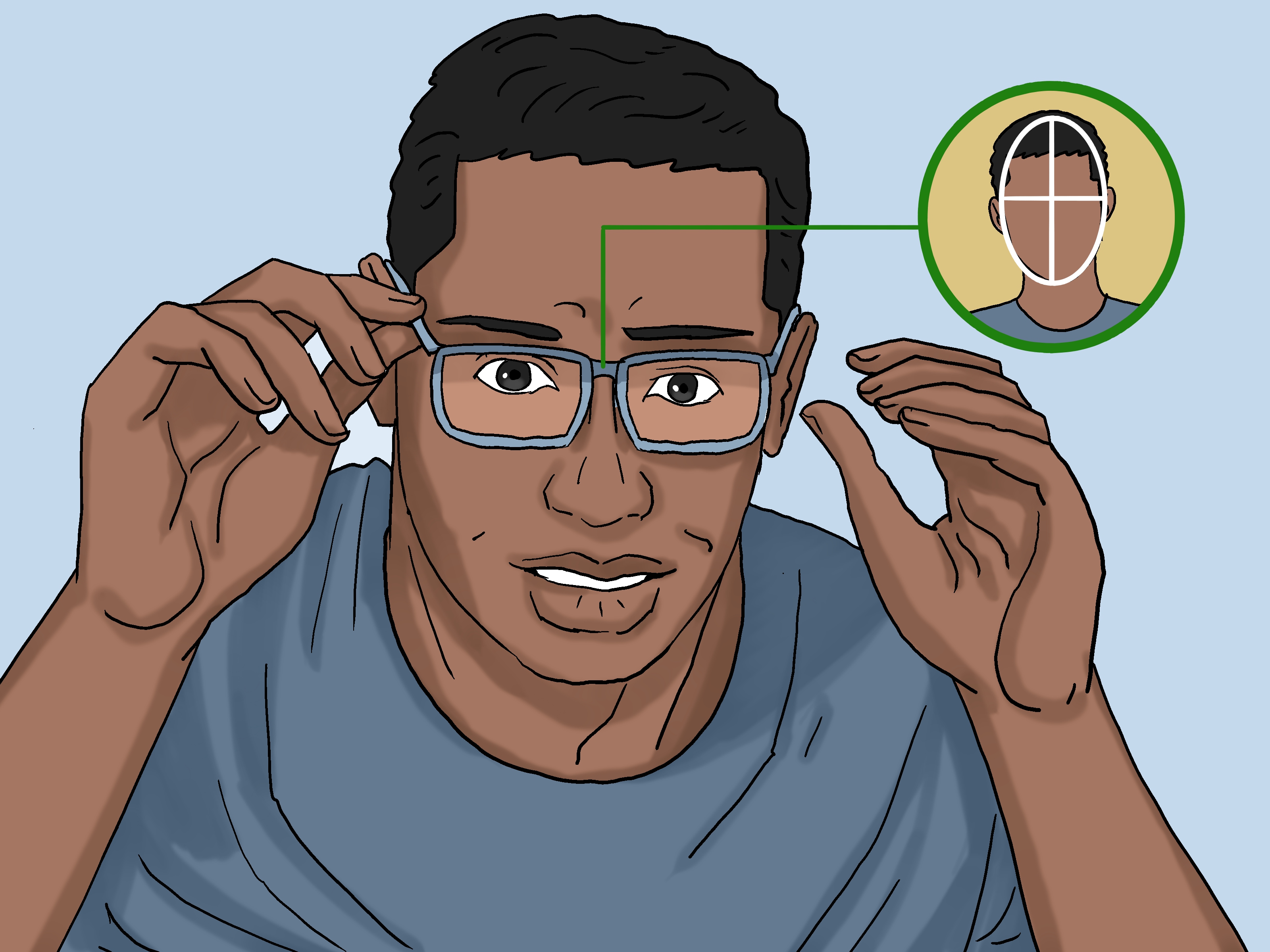
Buying glasses should feel exciting, not like decoding a secret message left by tiny optician spies. Yet there they are: little numbers stamped inside your frames, usually something like 52-18-140 or 50□19 145. At first glance, they look like a locker combination, a robot password, or the beginning of a very boring math problem. Good news: those numbers are actually simple once you know what they mean.
Learning how to read eyeglasses size can help you shop smarter, compare frames online, replace a favorite pair, and avoid the classic “these glasses looked amazing on the model but now my eyebrows are trapped” situation. Frame size affects comfort, lens alignment, nose fit, and whether your glasses stay in place when you look down at your phone for the 147th time today.
This step-by-step guide explains what eyeglasses size numbers mean, where to find them, how to measure glasses manually, and how to use your current pair to choose a better-fitting new one. By the end, you will be able to read frame measurements like a calm, confident adulteven if you still put your glasses on top of your head and then spend ten minutes looking for them.
What Do Eyeglasses Size Numbers Mean?
Most eyeglasses have three main measurements printed or engraved on the inside of the temple arm, which is the long piece that extends from the front of the frame to your ear. These numbers are usually written in millimeters and commonly appear in this order:
- Lens width
- Bridge width
- Temple length
For example, if your glasses say 52-18-140, that means each lens is 52 mm wide, the bridge is 18 mm wide, and each temple arm is 140 mm long. Sometimes the first two numbers are separated by a small square symbol, like 52□18, followed by the temple length. The format may vary slightly, but the meaning is usually the same.
Step 1: Find the Numbers on Your Glasses
The first step in reading eyeglasses size is finding the actual numbers. Look on the inside of one temple arm. If you do not see them there, check the inside of the other arm or the back side of the bridge. Some frames, especially metal or rimless styles, may hide the numbers in very tiny print. This is where good lighting, patience, and maybe a dramatic squint come in handy.
You may see more than three numbers. Do not panic. Frames can include a model number, color code, lens height, brand code, or manufacturing information. The size numbers are usually grouped together and look like this:
- 48-19-140
- 50□18 145
- 53 17 135
When in doubt, look for the group of two-digit, two-digit, three-digit numbers. That is typically the eyeglasses frame size.
Step 2: Read the First Number Lens Width
The first number is the lens width, sometimes called eye size. It measures the horizontal width of one lens at its widest point. If your frame reads 52-18-140, the lens width is 52 mm.
Lens width matters because it influences both style and visual comfort. A lens that is too narrow may make the frame look small on your face. A lens that is too wide may cause the glasses to extend too far beyond your temples. For prescription glasses, lens width can also affect how lenses are centered in front of your eyes.
Common Lens Width Ranges
Although sizes vary by brand and frame shape, many adult eyeglass lenses fall somewhere between about 44 mm and 62 mm. Smaller faces often look and feel better in the high 40s to low 50s. Medium faces often fit well around 51 mm to 54 mm. Larger faces may prefer 55 mm and above.
Shape changes the look, too. A 52 mm round frame can appear smaller than a 52 mm square frame because the lens area is distributed differently. This is why size numbers are helpful, but they are not the whole story. Glasses, like jeans, have measurementsbut somehow still enjoy surprising you.
Step 3: Read the Second Number Bridge Width
The second number is the bridge width. This measures the distance between the lenses, across the part of the frame that sits on your nose. In the example 52-18-140, the bridge width is 18 mm.
Bridge fit is one of the biggest comfort factors in eyeglasses. If the bridge is too narrow, your glasses may pinch your nose and leave red marks. If it is too wide, your glasses may slide down every time you smile, sweat, lean forward, or simply exist in a room with gravity.
How to Know If the Bridge Fits
A good bridge should rest comfortably on your nose without squeezing. The frame should sit high enough that your eyes are centered in the lenses, but not so high that the lenses cover your eyebrows like tiny windshields. If your glasses have nose pads, an optician can often adjust them. Plastic frames without adjustable nose pads depend more heavily on choosing the right bridge size from the start.
People with narrow noses may prefer smaller bridge widths. People with wider or lower nose bridges may need wider bridges or frames designed with a low-bridge fit. If your current glasses constantly slide down, the bridge width is one of the first measurements to check.
Step 4: Read the Third Number Temple Length
The third number is the temple length. This measures the arm of the glasses from the hinge to the tip that curves behind your ear. In 52-18-140, the temple length is 140 mm.
Temple length helps determine whether your glasses stay comfortably in place. If the arms are too short, they may press behind your ears or pull the frame too tightly against your face. If they are too long, the glasses may feel loose or slide forward.
Common Temple Lengths
Common adult temple lengths include 135 mm, 140 mm, 145 mm, and 150 mm. A difference of 5 mm may not sound like much, but on your face it can be the difference between “perfect” and “why are my ears being negotiated with?”
The bend behind the ear also matters. An optician can adjust many temple arms to improve fit, especially on metal frames. However, it is still wise to start with a temple length close to one that already works well for you.
Step 5: Look for Extra Measurements
Some frames include a fourth measurement: lens height. This is the vertical height of the lens from top to bottom. Lens height is especially important for progressive lenses, bifocals, and oversized styles.
For example, you might see a frame listed online as:
Size: 52-18-140, Lens Height: 42 mm
Lens height helps determine how much vertical space the lens has. Progressive lenses often need enough height to fit distance, intermediate, and near-vision zones. If you wear progressives, do not choose frames based only on cuteness. Cuteness is powerful, but it cannot bend optics.
Step 6: Measure Your Glasses If the Numbers Are Missing
Sometimes the printed numbers fade, especially if your glasses have survived years of face oil, sunscreen, pocket storage, and being tossed into bags with keys. If the size markings are gone, you can measure your frames manually with a millimeter ruler.
How to Measure Lens Width
Measure one lens horizontally at its widest point. Do not include the frame rim. Measure only the lens area from left to right.
How to Measure Bridge Width
Measure the distance between the two lenses at the narrowest point above your nose. This is the bridge area. On plastic frames, it is usually easy to identify. On metal frames with nose pads, measure the frame’s bridge structure, not the adjustable pads.
How to Measure Temple Length
Measure from the hinge to the bend, then from the bend to the end of the temple tip. Add those two measurements together. This gives you the full temple length.
Manual measurements may not be perfect, but they can get you close enough to compare new frames. Use millimeters, not inches, because eyeglass sizing lives in the metric system. Your glasses are tiny international travelers.
Step 7: Compare New Frames to a Pair That Already Fits
The easiest way to choose a new frame size is to start with a pair you already like. If your current glasses fit well, write down their lens width, bridge width, and temple length. Then look for new frames with similar measurements.
A small difference is usually okay. As a practical rule, try to stay close to your current numbers: within a few millimeters for lens width, one or two millimeters for bridge width, and several millimeters for temple length. The bridge is often the least forgiving measurement, especially in plastic frames, because it determines how the glasses sit on your nose.
Step 8: Understand Total Frame Width
The three printed numbers do not directly tell you the total frame width. Total frame width includes both lenses, the bridge, and the outer frame edges. However, you can estimate the front width by adding the lens widths twice and then adding the bridge width.
For example:
52 mm lens width + 52 mm lens width + 18 mm bridge width = 122 mm
This estimate does not include frame thickness, hinges, or decorative edges, but it gives you a useful starting point. If your face is petite, a combined lens-and-bridge width around the lower 60s may feel better. If your face is wider, you may prefer a combined number in the low 70s or higher.
Step 9: Check How the Glasses Sit on Your Face
Numbers help, but your face gets the final vote. A well-fitting pair of glasses should sit evenly, feel stable, and place your eyes near the center of the lenses. The frame should not touch your cheeks when you smile, unless the design is intentionally oversized and you are comfortable with that.
Signs Your Glasses Are Too Small
- The temples press into the sides of your head.
- The frame leaves deep marks on your nose.
- Your eyes sit too close to the outer edges of the lenses.
- The temples flare outward dramatically.
- You feel pressure behind your ears.
Signs Your Glasses Are Too Large
- The frame slides down your nose repeatedly.
- Your eyes look too close to the inner corners of the lenses.
- The glasses move when you turn your head.
- The bridge does not rest securely on your nose.
- The frame looks wider than your face in a distracting way.
A good fit should feel secure but not tight. Think “comfortable handshake,” not “face clamp.”
Step 10: Do Not Confuse Frame Size with Prescription
Eyeglasses size numbers are not your prescription. They tell you the physical dimensions of the frame, not how strong your lenses are. Your prescription includes values such as sphere, cylinder, axis, add power, and sometimes prism. Frame size is about fit; prescription is about vision correction.
Another measurement you may hear about is pupillary distance, often shortened to PD. PD is the distance between your pupils and helps position the optical center of each lens. It is important when ordering prescription glasses, especially online, but it is separate from the numbers printed on your frame.
Why Eyeglasses Size Matters
Frame size affects more than appearance. A poorly fitted frame can slide, pinch, tilt, or position lenses incorrectly. That can lead to discomfort, annoying adjustments, and in some cases visual strain. The right size helps your lenses sit where they should and keeps the frame balanced on your nose and ears.
Style also depends on proportion. Oversized frames can look fashionable and confident, but if they are too wide, they may feel unstable. Narrow frames can look neat and minimal, but if they are too small, they may squeeze your temples. The goal is not to obey numbers blindly. The goal is to use them as a map, then let comfort and appearance confirm the choice.
How to Read Eyeglasses Size When Shopping Online
Online eyewear shopping is convenient, but it removes the instant feedback of trying frames on in person. That makes measurements even more important. Before ordering, compare the product size chart with your current glasses. Look at lens width, bridge width, temple length, lens height, and total frame width if listed.
Use virtual try-on tools for style, but do not rely on them alone for fit. A virtual try-on can show whether a round frame flatters your face, but it cannot always tell whether the bridge will slide or whether the temples will press behind your ears. Measurements are the practical sidekick to the fashion mirror.
If you have a strong prescription, ask an optician whether certain frame sizes or shapes will work better. Higher prescriptions can create thicker lenses, and smaller, rounder frames may sometimes help reduce edge thickness. For progressive lenses, make sure the frame has enough lens height.
Quick Example: Reading a Frame Marked 50□19 145
Let’s decode a real-world example:
- 50 means each lens is 50 mm wide.
- 19 means the bridge is 19 mm wide.
- 145 means each temple arm is 145 mm long.
This frame may work well for someone who likes a moderate lens width, needs a slightly wider bridge, and prefers longer temples. If your current comfortable glasses are 49-18-140, this new pair is fairly close. If your current pair is 55-16-135, the new frame may feel noticeably different.
Common Mistakes to Avoid
Choosing Only by Style
Yes, those bold square frames may make you look like the creative director of a mysterious coffee brand. But if the bridge is too wide, they will spend the day sliding down your nose. Style matters, but size keeps style from becoming slapstick.
Ignoring Bridge Width
Many shoppers focus on lens width and forget the bridge. This is a mistake. Bridge width controls how the frame sits on your nose, and even a small difference can change comfort.
Assuming All Brands Fit the Same
A 52 mm frame from one brand may feel different from a 52 mm frame from another because shape, material, hinge design, and nose bridge style all affect fit.
Forgetting Lens Height
Lens height is easy to overlook, but it matters for progressive lenses, bifocals, and large fashion frames. If you need multifocal lenses, check this measurement carefully.
Practical Experiences: What Reading Eyeglasses Size Teaches You
Once you learn how to read eyeglasses size, shopping for frames becomes much less mysterious. Many people discover that the pair they loved for years had a very specific formula. Maybe the magic was not just the color or shape. Maybe it was the 18 mm bridge that sat perfectly on the nose, the 140 mm temples that did not pinch, or the 51 mm lens width that balanced the face just right.
A common experience is finding an old pair of glasses in a drawer, checking the inside arm, and suddenly understanding why every newer pair felt wrong. One person may realize their favorite glasses were 49-17-135, while the uncomfortable online bargain pair was 54-20-145. On paper, those differences look small. On a face, they can feel like borrowing glasses from a friendly giant.
Another useful lesson comes from bridge width. People often blame slipping glasses on oily skin, summer heat, or a lack of nose-pad discipline. Sometimes those things matter. But often the bridge is simply too wide, especially on plastic frames. Once you compare numbers, the mystery clears up. A frame with a 16 mm bridge may sit securely, while a 20 mm bridge may slide every time you look down. That four-millimeter difference can turn into a full-time glasses rescue mission.
Temple length creates its own little adventures. Short temples can feel fine for the first five minutes, then start pressing behind the ears like they are trying to make a point. Long temples may feel loose, especially if they are not adjusted. People who wear headphones, helmets, or hearing devices may notice temple fit even more. Reading the third number gives you a better chance of avoiding pressure points before you buy.
Online shoppers also learn to treat virtual try-on as helpful but not magical. A frame can look excellent on screen and still be too wide, too narrow, or wrong at the bridge. The smartest approach is to use virtual try-on for style and frame measurements for fit. Together, they are a much better team than either one alone.
Parents buying glasses for children quickly learn the value of measurements, too. Kids grow, frames bend, and favorite pairs mysteriously vanish into backpacks, couches, and possibly alternate dimensions. Keeping a note of the current frame size makes replacement faster and less stressful. It also helps avoid buying frames that are too large “for growing into,” which can cause slipping and poor lens placement.
Another real-world tip is to save your measurements in your phone. Add a note that says something like: “Best glasses size: 51-18-140; lens height around 38-42 mm.” The next time you shop, you will not have to perform detective work in a store aisle. You can compare quickly, ask better questions, and avoid guessing.
The biggest experience-based lesson is simple: comfort is personal. The numbers guide you, but they do not replace trying frames on when possible. Face shape, nose bridge height, ear position, prescription strength, and personal style all matter. Still, once you understand eyeglasses size, you stop shopping blindly. You become the person who flips the temple arm, reads the code, nods wisely, and says, “Ah, yes, 52-18-145.” Is it a little dramatic? Absolutely. Is it useful? Also absolutely.
Conclusion
Reading eyeglasses size is easier than it looks. The three main numbers usually tell you lens width, bridge width, and temple length, all in millimeters. Once you understand that simple pattern, you can compare frames more confidently, replace old favorites, and shop online with fewer surprises.
Remember this basic formula: first number equals lens width, second number equals bridge width, third number equals temple length. From there, check lens height if needed, compare new frames to a pair that already fits, and pay attention to how the glasses sit on your nose, ears, and face. The best eyeglasses are not just stylish. They are comfortable, balanced, and properly sized for you.
Note: This article is written for general eyewear education and shopping guidance. For prescription accuracy, progressive lens fitting, specialty lenses, or persistent discomfort, consult a licensed optician or eye care professional.