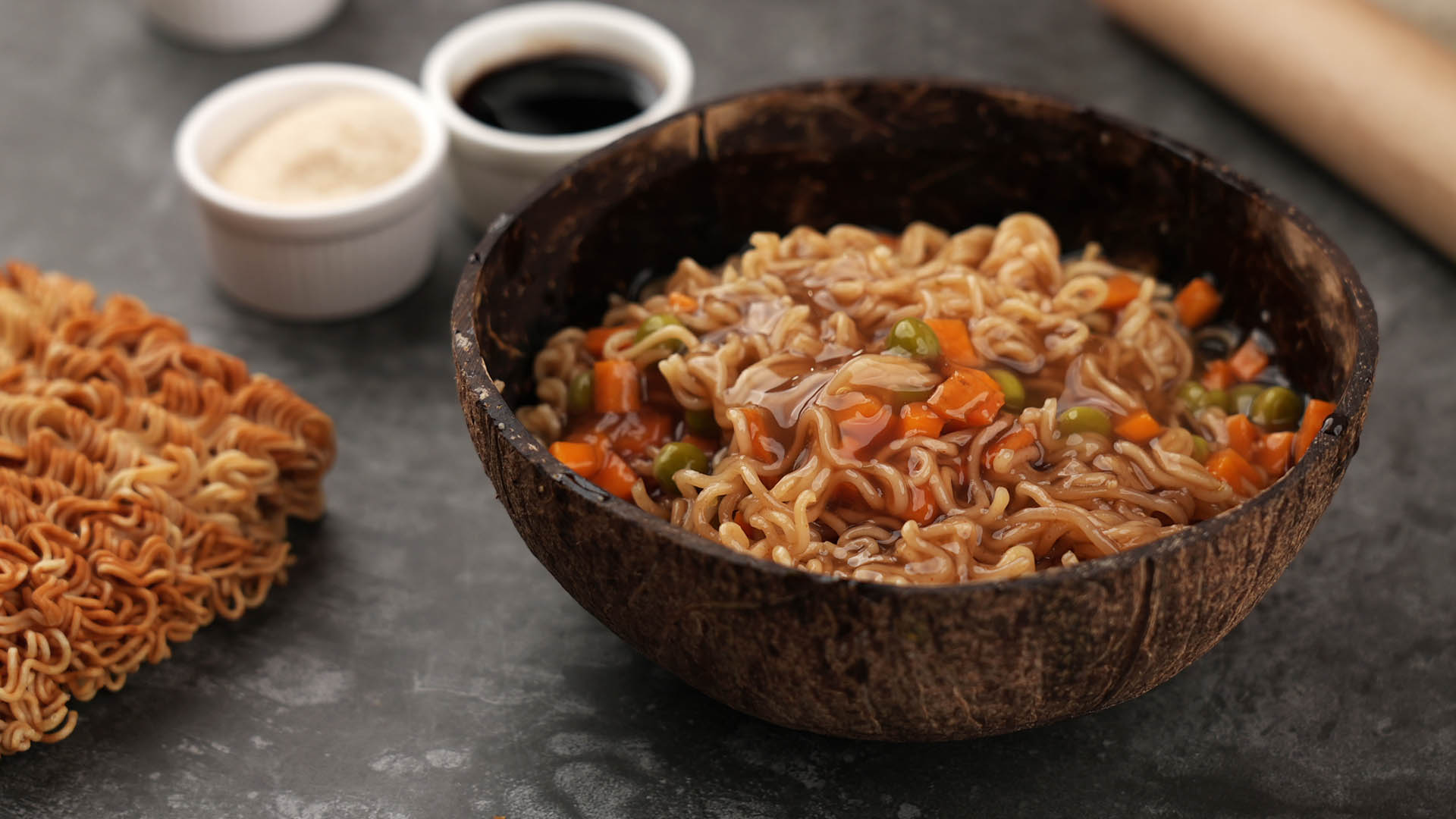
Sweet and sour sauce is the kitchen equivalent of a good plot twist: bright, glossy, tangy, sweet, and somehow able to rescue everything from crispy chicken to roasted vegetables. One minute your dinner is simply “fine,” and the next minute it is wearing a shiny red-orange jacket and acting like it has reservations at the best table in town.
The best part? You do not need a restaurant wok, a secret family vault, or a bottle labeled “mystery sauce” to make it. Homemade sweet and sour sauce is built from simple pantry ingredients: vinegar for tang, sugar for sweetness, ketchup or tomato paste for color and fruitiness, soy sauce for savory depth, and a little cornstarch to make the sauce glossy enough to make your spoon feel important.
This guide shows you how to make sweet and sour sauce with pineapple and without pineapple, so you can choose the flavor that fits your meal, your pantry, or your strong personal feelings about fruit in savory food. We will cover the classic pineapple version, a no-pineapple version, substitutions, texture tips, pairing ideas, storage, and real cooking experience that helps you avoid watery, clumpy, or “why does this taste like candy vinegar?” sauce.
What Is Sweet and Sour Sauce?
Sweet and sour sauce is a balanced condiment and cooking sauce known for its mix of sugar, acid, fruitiness, and savory flavor. In many American kitchens, it is most commonly associated with Chinese-American takeout favorites like sweet and sour chicken, pork, shrimp, tofu, egg rolls, and crab rangoon. But the sauce is also surprisingly flexible. It works as a dip, glaze, stir-fry sauce, meatball coating, wing sauce, sandwich drizzle, or quick flavor booster for rice bowls.
At its core, a good homemade sweet and sour sauce needs four things:
- Sweetness: usually sugar, brown sugar, honey, or pineapple juice.
- Sourness: usually rice vinegar, white vinegar, or apple cider vinegar.
- Body: cornstarch slurry thickens the sauce and gives it shine.
- Flavor depth: ketchup, soy sauce, garlic, ginger, or fruit juice keep it from tasting flat.
Pineapple is popular because it brings sweetness, acidity, and tropical fruit flavor all at once. However, pineapple is not required. You can make a fantastic sweet and sour sauce without pineapple by using orange juice, apple juice, water with extra sugar, chicken broth, vegetable broth, or even apricot jam for a fruitier twist.
Sweet & Sour Sauce with Pineapple
This classic version is bright, fruity, glossy, and very close to the kind of sauce many people expect with crispy chicken, pork, shrimp, or egg rolls. Pineapple juice gives the sauce natural sweetness and a sunny flavor that makes dinner feel a little less like “Tuesday” and a little more like “vacation with a fork.”
Ingredients
- 1 cup pineapple juice, canned or bottled
- 1/3 cup rice vinegar or apple cider vinegar
- 1/3 cup ketchup
- 1/3 cup brown sugar or white sugar
- 1 tablespoon soy sauce
- 1 teaspoon grated fresh ginger, optional
- 1 small garlic clove, finely minced, optional
- 1 tablespoon cornstarch
- 2 tablespoons cold water
- Optional: 1/2 cup pineapple chunks or tidbits
Instructions
- In a small saucepan, combine pineapple juice, vinegar, ketchup, sugar, soy sauce, ginger, and garlic.
- Whisk well, then bring the mixture to a gentle simmer over medium heat.
- In a small bowl, stir cornstarch and cold water together until smooth. This is your slurry.
- Slowly pour the slurry into the simmering sauce while whisking constantly.
- Cook for 1 to 2 minutes, or until the sauce becomes glossy and thick enough to coat the back of a spoon.
- Stir in pineapple chunks if using, then remove from heat.
- Taste and adjust. Add more vinegar for tang, more sugar for sweetness, or a splash of soy sauce for savory balance.
This pineapple sweet and sour sauce is excellent for crispy chicken, pork tenderloin, shrimp, tofu, fried wontons, spring rolls, meatballs, or roasted cauliflower. It also makes a great glaze for grilled chicken skewers. Brush it on near the end of cooking so the sugar does not burn before the protein is done.
Sweet & Sour Sauce without Pineapple
No pineapple? No problem. Maybe you ran out. Maybe someone in the house objects to pineapple with the passion of a courtroom attorney. Maybe you simply want a cleaner, sharper sauce. This no-pineapple sweet and sour sauce gives you the same glossy texture and tangy-sweet balance without tropical fruit flavor.
Ingredients
- 2/3 cup water, chicken broth, or vegetable broth
- 1/3 cup rice vinegar, white vinegar, or apple cider vinegar
- 1/3 cup ketchup
- 1/2 cup sugar or brown sugar
- 1 tablespoon soy sauce
- 1 tablespoon orange juice or apple juice, optional
- 1/2 teaspoon garlic powder or 1 minced garlic clove, optional
- 1 tablespoon cornstarch
- 2 tablespoons cold water
Instructions
- Add water or broth, vinegar, ketchup, sugar, soy sauce, and optional juice or garlic to a saucepan.
- Whisk until the ketchup and sugar are fully blended into the liquid.
- Bring the mixture to a gentle simmer over medium heat.
- Mix cornstarch with cold water in a separate bowl until no dry lumps remain.
- Whisk the slurry into the sauce slowly.
- Simmer for 1 to 2 minutes until thick, shiny, and smooth.
- Taste and adjust before serving.
The no-pineapple version is slightly sharper and less fruity than the pineapple version. It is especially good with egg rolls, fried chicken bites, tofu nuggets, roasted vegetables, rice bowls, and meatballs. If you want more fruitiness without pineapple, add a spoonful of apricot jam, orange marmalade, peach preserves, or apple juice.
With Pineapple vs. Without Pineapple: Which Version Is Better?
The better version depends on what you are cooking. Pineapple sweet and sour sauce is rounder, fruitier, and naturally tropical. It pairs beautifully with pork, chicken, shrimp, bell peppers, onions, and anything grilled. The pineapple juice softens the bite of vinegar and gives the sauce a sunny sweetness.
Sweet and sour sauce without pineapple is more direct. It tastes tangier, cleaner, and more like a classic dipping sauce. It is a great choice when you want the sauce to complement fried foods without making them taste too fruity. It is also easier to customize because you can control the exact sweetness and acidity from the start.
Choose the Pineapple Version When:
- You are making sweet and sour chicken, pork, or shrimp.
- You want a fruitier sauce with a tropical note.
- You are adding bell peppers, onions, carrots, or pineapple chunks.
- You want a glaze for grilled or baked proteins.
Choose the No-Pineapple Version When:
- You want a sharper dipping sauce for egg rolls or wontons.
- You do not have pineapple juice on hand.
- You prefer a less fruity flavor.
- You need a flexible base for orange, apple, apricot, or spicy variations.
How to Balance Sweet and Sour Flavor
The secret to great sweet and sour sauce is not just following measurements. It is tasting and adjusting. Vinegars vary. Ketchup brands vary. Pineapple juice can be very sweet or mildly tart. Even your mood can vary, especially if you are hungry and the rice is already done.
If the sauce tastes too sweet, add vinegar 1 teaspoon at a time. If it tastes too sour, add sugar 1 teaspoon at a time. If it tastes thin or watery, simmer it for another minute or add a tiny bit more cornstarch slurry. If it tastes flat, add a splash of soy sauce, a pinch of salt, or a little grated ginger.
For a deeper flavor, use brown sugar instead of white sugar. Brown sugar adds a mild molasses note that works well with pork, meatballs, and grilled chicken. For a brighter flavor, use rice vinegar. For a bolder tang, use apple cider vinegar. White vinegar gives a clean, sharp taste, but it can become aggressive if you use too much, so add it with confidence but not chaos.
Best Substitutes for Pineapple Juice
If you are making sweet and sour sauce without pineapple, you still have plenty of options. The goal is to replace pineapple juice with liquid, sweetness, and sometimes a little fruit flavor.
Orange Juice
Orange juice is the closest easy substitute if you want fruitiness. It creates a citrusy sweet and sour sauce that works especially well with chicken, shrimp, tofu, and vegetables.
Apple Juice
Apple juice gives a mild sweetness without taking over the sauce. It is a good choice for kids, picky eaters, and anyone who wants a gentler flavor.
Chicken or Vegetable Broth
Broth makes the sauce more savory and less fruity. Use it when serving the sauce with meatballs, pork, tofu, or stir-fried vegetables.
Apricot Jam or Orange Marmalade
A spoonful of jam can replace some of the sugar while adding body and fruit flavor. This is a smart trick when you want a thicker dipping sauce without extra simmering.
Water with Extra Sugar and Vinegar
Plain water works when the pantry is looking dramatic and empty. Just increase the sugar slightly and taste carefully. The result will be simple, clean, and still delicious.
How to Make the Sauce Thicker or Thinner
Cornstarch is the classic thickener because it creates a glossy, smooth finish. Always mix cornstarch with cold water before adding it to hot liquid. If you sprinkle dry cornstarch directly into simmering sauce, it will form lumps. Those lumps will float around like tiny reminders that shortcuts sometimes have consequences.
For a thicker dipping sauce, use 1 tablespoon cornstarch with 2 tablespoons cold water for every 1 1/2 to 2 cups of liquid. For a lighter glaze, use 2 teaspoons cornstarch instead. If the sauce becomes too thick, whisk in water, juice, or broth 1 tablespoon at a time until it relaxes.
Remember that sauce thickens more as it cools. If it looks slightly loose in the pan, it may be perfect by the time it reaches the table. If it looks like jelly while still boiling, it will probably become too thick after cooling. Add a splash of liquid and whisk it back to life.
Flavor Variations
Spicy Sweet and Sour Sauce
Add sriracha, chili garlic sauce, red pepper flakes, or a pinch of cayenne. Start small. You want a kick, not a fire drill.
Garlic-Ginger Sweet and Sour Sauce
Add 1 minced garlic clove and 1 teaspoon grated ginger. This version tastes more aromatic and works beautifully in stir-fries.
Honey Sweet and Sour Sauce
Replace half the sugar with honey. The sauce will taste smoother and slightly floral. This variation is excellent with chicken wings and roasted carrots.
Low-Sugar Sweet and Sour Sauce
Reduce the sugar by one-third and add extra pineapple juice, orange juice, or a small amount of unsweetened applesauce. The sauce will be less traditional but still balanced.
Extra-Red Restaurant-Style Sauce
Use ketchup as the main tomato base and add a tiny drop of red food coloring if you want the bright takeout look. The color is optional; the flavor is what matters.
What to Serve with Sweet and Sour Sauce
Sweet and sour sauce is famous for fried foods, but it can do more than sit next to egg rolls looking shiny. Toss it with crispy chicken, pork, shrimp, tofu, or cauliflower. Spoon it over meatballs for a party appetizer. Drizzle it over rice bowls with vegetables. Use it as a glaze for grilled chicken thighs. Brush it onto baked salmon during the last few minutes of cooking. Serve it with roasted sweet potatoes, crispy Brussels sprouts, or veggie spring rolls.
For a classic sweet and sour dinner, stir-fry bell peppers, onions, carrots, and pineapple chunks, then add cooked chicken or tofu and enough sauce to coat everything. Serve over steamed white rice, jasmine rice, brown rice, or noodles. The sauce clings to the vegetables, slides into the rice, and generally behaves like it knows exactly why it was invited.
Storage and Reheating Tips
Let homemade sweet and sour sauce cool, then store it in an airtight container in the refrigerator. For best quality, use it within 3 to 4 days. Because homemade sauces do not contain the same preservatives as many bottled condiments, refrigeration is important.
To reheat, warm the sauce gently in a small saucepan over low heat or microwave it in short bursts, stirring between each round. If the sauce has thickened too much in the fridge, whisk in a teaspoon or two of water, pineapple juice, orange juice, or broth. Do not boil it aggressively for a long time after thickening, because the texture can become overly sticky.
Common Mistakes to Avoid
Adding Cornstarch Directly to Hot Sauce
This creates lumps. Always make a slurry with cold water first.
Using Too Much Vinegar at Once
Vinegar is powerful. Add it according to the recipe, then adjust gradually if needed.
Skipping the Taste Test
Sweet and sour sauce is all about balance. Taste before serving, especially if you switched vinegar types or changed the juice.
Over-Thickening the Sauce
A good sauce should coat food, not bounce off it. If it becomes too thick, whisk in more liquid.
Cooking Pineapple Chunks Too Long
If using pineapple chunks, add them near the end so they stay juicy and bright.
Experience Notes: Real Kitchen Lessons from Making Sweet & Sour Sauce
After making sweet and sour sauce many different ways, one lesson becomes clear: the recipe is simple, but the balance is personal. Some people love a sauce that tastes like pineapple took a vacation in a vinegar pool. Others want a sharper, restaurant-style dipping sauce that cuts through fried food. The best version is the one that makes your meal taste better, not the one that wins a laboratory contest for perfect symmetry.
The pineapple version is usually the most crowd-pleasing. It smells great while simmering, looks bright in the pan, and tastes familiar with crispy chicken or pork. Canned pineapple juice works especially well because it is consistent, affordable, and easy to keep in the pantry. If you use pineapple chunks, the sauce becomes more like a full dish component instead of just a condiment. It is fantastic with sautéed bell peppers and onions because the vegetables add freshness and crunch.
The no-pineapple version is the one I would choose for dipping. It has a cleaner flavor and lets the crispy texture of egg rolls, wontons, chicken nuggets, or tofu bites stay in the spotlight. Broth makes it savory, orange juice makes it bright, and apple juice keeps it mild. If you are cooking for a group, the no-pineapple version is also easier to adjust. You can split it into two bowls and make one spicy with chili sauce while keeping the other mild.
One practical trick is to start with slightly less sugar than you think you need. You can always add more, but once the sauce becomes too sweet, fixing it requires more vinegar, more liquid, and suddenly you have enough sauce for a neighborhood block party. Another useful habit is to whisk the cornstarch slurry right before adding it. Cornstarch settles quickly, so a slurry that looked smooth two minutes ago may have a firm layer at the bottom of the bowl.
Texture matters as much as flavor. A thin sauce runs off food and pools sadly on the plate. A too-thick sauce feels heavy and can turn gummy after cooling. The ideal texture is glossy and pourable, thick enough to coat a spoon but loose enough to drizzle. When tossing sauce with crispy food, add the sauce right before serving. If crispy chicken or tofu sits in sauce too long, the coating softens. Still tasty, yes, but the crunch quietly leaves the room.
For meal prep, store the sauce separately from the food. Reheat the protein or vegetables first, then warm the sauce and combine them at the end. This keeps textures fresher and makes leftovers taste intentional instead of accidental. If the sauce thickens in the refrigerator, a small splash of water or juice brings it back. Stir slowly and warm gently; the sauce does not need a dramatic boil to become delicious again.
Finally, do not be afraid to customize. Sweet and sour sauce is forgiving. Add ginger for warmth, garlic for punch, chili flakes for heat, honey for smoothness, or orange zest for fragrance. Once you understand the basic formula of sweet, sour, savory, and thick, you can make the sauce with whatever your kitchen has available. That is the real magic: a few everyday ingredients can turn simple food into something glossy, tangy, and extremely hard to stop eating.
Conclusion
Learning how to make sweet and sour sauce with and without pineapple gives you two reliable kitchen tools. The pineapple version is fruity, bright, and perfect for classic sweet and sour chicken, pork, shrimp, tofu, and stir-fried vegetables. The no-pineapple version is tangier, cleaner, and ideal for dipping, glazing, or customizing with orange juice, apple juice, broth, or jam.
Whether you like it tropical, spicy, savory, extra glossy, or pantry-simple, homemade sweet and sour sauce is fast, flexible, and much better when you control the balance yourself. Keep the heat moderate, use a cold cornstarch slurry, taste before serving, and adjust with confidence. Your dinner will thank you. Your egg rolls may applaud quietly.
Note: This original article is written for web publishing in standard American English and is based on commonly used sweet and sour sauce methods, ingredient ratios, and practical home-cooking techniques.