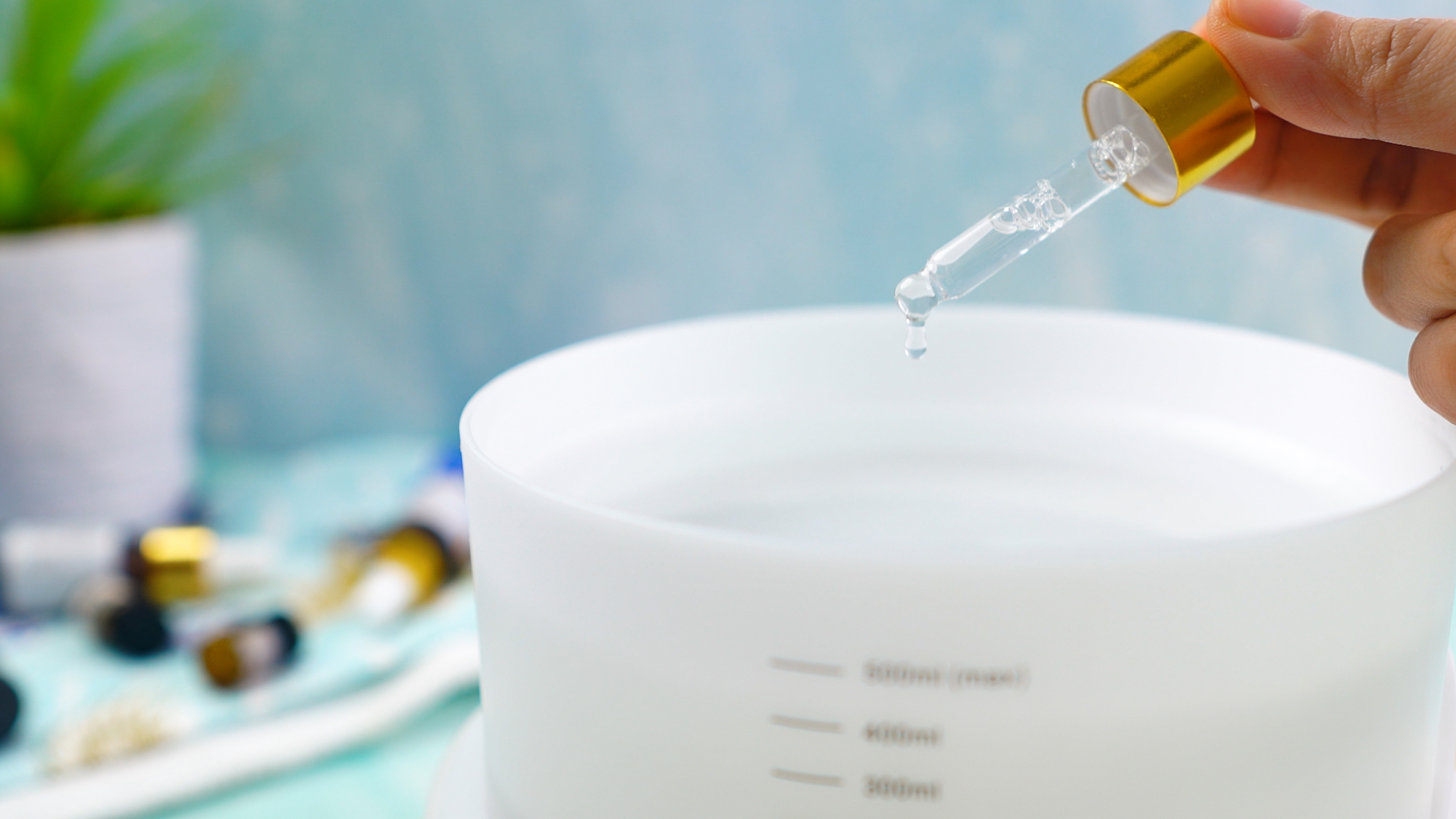
There is something wonderfully unfair about the ocean. It can make a person feel calmer in five minutes, yet most of us cannot park one beside the living room. The next-best option is to create an ocean scent with essential oilsa crisp, botanical blend inspired by salty air, cool waves, coastal herbs, sunlit citrus, and weathered driftwood.
Essential oils cannot reproduce the ocean perfectly. Professional marine fragrances often rely on synthetic aroma molecules to create distinctly watery, ozonic, and salty effects. Calone, for example, became famous for lending perfumes a recognizable sea-breeze character. A natural essential oil blend takes a different route: it suggests the coast through fresh citrus, airy herbs, evergreen notes, and dry woods.
The result will not smell like someone poured the Atlantic into a tiny amber bottlewhich would create several practical problems anyway. Instead, it produces a clean, refreshing coastal aroma that works beautifully in a diffuser, passive scent stone, or properly formulated room spray.
Note: This guide creates an ocean-inspired home fragrance, not a medical treatment or a topical perfume formula.
What Makes a Fragrance Smell Like the Ocean?
An effective ocean scent is built from several impressions rather than one magical “ocean essential oil.” Sea air can smell cool, green, mineral, citrusy, woody, and slightly herbal at the same time. To imitate that complexity, the blend needs three layers:
- Top notes provide the bright, breezy opening. Bergamot and distilled lime create the impression of sunlight and clean air.
- Middle notes form the recognizable heart of the scent. Eucalyptus, lavender, cypress, and juniper berry suggest cool wind and coastal vegetation.
- Base notes linger after the brighter oils fade. Cedarwood contributes a dry, driftwood-like finish.
Top notes generally evaporate quickly, while base notes develop more slowly and remain noticeable longer. A balanced fragrance uses both, preventing the blend from smelling exciting for ten minutes and then disappearing like a seagull that has stolen your sandwich.
Ocean Essential Oil Blend Recipe
The following recipe makes a 20-drop master blend. Prepare it in a small dark-glass bottle, allow it to rest, and use only the amount recommended for your diffuser or chosen scenting method.
| Essential Oil | Amount | Purpose in the Blend |
|---|---|---|
| Bergamot FCF essential oil | 6 drops | Bright, sparkling citrus and gentle floral freshness |
| Eucalyptus radiata essential oil | 4 drops | Cool, airy character that suggests brisk sea wind |
| Lavender essential oil | 3 drops | Softens sharp notes and adds an aromatic coastal-herb quality |
| Cypress essential oil | 3 drops | Green, clean, slightly woody depth |
| Distilled lime essential oil | 2 drops | Crisp brightness and a lively splash of citrus |
| Virginia cedarwood essential oil | 1 drop | Dry driftwood effect and improved staying power |
| Juniper berry essential oil | 1 drop | Cool, green sharpness with a slightly mineral impression |
Tools You Will Need
- A clean 2-milliliter or 5-milliliter dark-glass bottle
- A dropper or reducer cap
- Paper fragrance-testing strips or plain cotton pads
- A waterproof label and pen
- Your diffuser, scent stone, or room-spray supplies
How to Make an Ocean Scent with Essential Oils in 6 Steps
Step 1: Decide What Kind of Ocean You Want
Before opening seven bottles and turning the kitchen counter into a tiny fragrance laboratory, choose a direction. Not every coastline smells the same.
A bright tropical ocean scent should emphasize bergamot and lime. A stormy coastal scent can feature more cypress, juniper berry, and cedarwood. For a soft spa-like sea breeze, increase the lavender slightly and reduce the eucalyptus.
The main recipe sits comfortably in the middle. It is fresh without smelling like lime candy, herbal without resembling a medicine cabinet, and woody without making the room think it has become a pencil box.
Step 2: Combine the Bright Top Notes
Add six drops of bergamot FCF and two drops of distilled lime to the glass bottle. Swirl the bottle gently instead of shaking it aggressively.
Citrus oils give the blend its first burst of freshness. Bergamot is especially useful because it combines citrus brightness with softer floral and green nuances. Lime adds a sharper splash that resembles cool spray hitting warm air.
FCF bergamot has had most of its phototoxic furocoumarins removed, while distilled lime is generally chosen over expressed lime when minimizing phototoxicity is important. However, this recipe is intended for environmental scenting rather than skin application. Cold-pressed citrus oils can cause phototoxic reactions when used on sun-exposed skin above appropriate limits.
Step 3: Build the Cool, Aromatic Heart
Add four drops of eucalyptus radiata, three drops of lavender, three drops of cypress, and one drop of juniper berry.
This is the section that transforms a pleasant citrus blend into something recognizably coastal. Eucalyptus supplies cool airiness, but it must be controlled. Too much can make the blend smell less like “morning walk beside the Pacific” and more like “someone opened a cough-drop factory.”
Lavender rounds off that medicinal edge. Cypress contributes clean evergreen notes, while juniper berry adds a crisp, dry accent that can suggest mineral air and rugged vegetation near the shore.
Smell the oils indirectly as you work. Place a drop on a paper testing strip, move it briefly through the air, and inhale gently from a comfortable distance. Avoid placing an open bottle directly beneath your nose for a heroic sniff.
Step 4: Anchor the Blend with Cedarwood
Add one drop of Virginia cedarwood. One drop may seem almost comically modest, but base notes are powerful supporting actors. They do not need to burst through the scenery wearing a sequined cape.
Cedarwood gives the fragrance a dry, woody foundation reminiscent of sun-bleached driftwood or a coastal boardwalk. It also helps the lighter citrus notes feel more connected to the herbal middle.
After adding the cedarwood, close the bottle and roll it slowly between your palms for approximately 20 seconds. Label it with the recipe name and date immediately. An unidentified brown bottle is not a mystery anyone needs in the bathroom cabinet.
Step 5: Let the Ocean Blend Rest and Test It
Leave the sealed blend in a cool, dark place for at least 24 hours. Forty-eight hours is even better. Resting gives the individual aromas time to integrate, so evaluate the completed scent rather than judging each oil while it is still shouting its résumé.
After resting, place one drop on a fresh testing strip. Smell it immediately, again after 15 minutes, and once more after an hour. The opening reveals the citrus top notes, while later evaluations show whether the lavender, cypress, and cedarwood are providing enough body.
Make adjustments one drop at a time:
- If it smells too medicinal, add one drop of lavender or bergamot.
- If it smells too sweet, add one drop of cypress.
- If it feels heavy, add one drop of distilled lime.
- If it disappears too quickly, add one drop of cedarwood.
- If it smells too woody, add two drops of bergamot.
Record every change. “I added a little more of the green one” is not a recipe; it is the opening sentence of a future blending disaster.
Step 6: Diffuse or Disperse the Scent Safely
For an ultrasonic diffuser, fill the reservoir according to the manufacturer’s instructions. Start with three drops of the master blend per 100 milliliters of water. Increase the amount gradually only when necessary.
Run the diffuser intermittently in a ventilated room rather than continuously in a sealed space. Stop if anyone experiences coughing, dizziness, nausea, eye irritation, or a headache. People with asthma, epilepsy, allergies, medical conditions, or pregnancy-related concerns should seek guidance from a qualified healthcare professional before using concentrated essential oils.
For a simple passive method, apply one or two drops to a ceramic diffuser stone, unfinished wooden ornament, or cotton pad placed in a small dish. Keep the oil away from polished furniture, painted surfaces, electronics, and fabric that could stain.
Optional Ocean Room Spray
A room spray distributes the coastal fragrance quickly, but essential oils do not dissolve evenly in plain water. Floating droplets can contact skin, eyes, pets, or household surfaces at an unexpectedly high concentration.
For a small 1-ounce room spray, combine:
- 2 teaspoons of perfumer’s alcohol or high-proof ethanol
- 12 drops of the ocean master blend
- Distilled water to fill a 1-ounce glass spray bottle
Add the alcohol first, stir in the essential oil blend, and then add the water. Shake before each use. Spray lightly into the center of a well-ventilated room, away from faces, food, flames, heat sources, pets, aquariums, and delicate surfaces. Alcohol-based sprays are flammable, so store the bottle securely and never mist it near candles or cooking equipment.
Essential Oil Safety for Ocean-Inspired Blends
“Natural” does not automatically mean harmless. Essential oils are highly concentrated and may irritate skin, eyes, or airways. Some can cause serious poisoning when swallowed. Never ingest this blend, place it in the mouth, or leave it where children can reach it. Poison Control warns that essential oils can cause rashes and may be toxic through swallowing, aspiration, or significant exposure.
Do not apply the undiluted mixture to the skin. Professional aromatherapy organizations recommend appropriate dilution for dermal products and caution against casual use of concentrated oils.
Pet owners should be particularly careful. Eucalyptus and various other essential oils can be hazardous to animals, and even diffused aromas may overwhelm pets with sensitive respiratory systems. Keep animals away from the blending area, prevent access to bottles and diffuser water, provide an easy exit from the scented room, and consult a veterinarian before diffusing oils around pets. The ASPCA advises limited diffusion in secured, ventilated areas and recommends avoiding it around animals with breathing problems.
Store the finished blend tightly capped in a cool, dark cabinet. Heat, oxygen, and light can degrade essential oils over time. Discard the mixture if its aroma becomes unusually sharp, sticky, sour, or noticeably different.
Variations on the Basic Ocean Essential Oil Recipe
Tropical Shore Blend
- 7 drops bergamot FCF
- 4 drops distilled lime
- 3 drops lavender
- 3 drops eucalyptus radiata
- 2 drops cypress
- 1 drop cedarwood
This version is sunny, bright, and energetic. It works well in kitchens, entryways, and daytime living spaces.
Rocky Coast Blend
- 4 drops bergamot FCF
- 4 drops cypress
- 4 drops juniper berry
- 3 drops eucalyptus radiata
- 3 drops lavender
- 2 drops cedarwood
The stronger evergreen character suggests wind, wet stone, and a rugged northern coastline rather than a tropical beach.
Calm Coastal Spa Blend
- 6 drops bergamot FCF
- 5 drops lavender
- 3 drops cypress
- 2 drops eucalyptus radiata
- 2 drops distilled lime
- 2 drops cedarwood
This softer version reduces the sharper eucalyptus note and emphasizes lavender, making it suitable for a quiet reading area or evening wind-down routine.
Experience-Based Lessons from Making Ocean Essential Oil Blends
The first practical lesson is that an ocean blend usually smells less convincing when every “fresh” oil in the collection is added at once. Peppermint, eucalyptus, rosemary, lemon, lime, tea tree, and pine may all sound wonderfully breezy on paper. Combined without restraint, however, they can produce an aroma closer to industrial floor cleaner than a peaceful shoreline. A more believable blend leaves room between the notes.
Many beginners initially use too much eucalyptus because its cooling aroma creates an immediate impression of moving air. The bottle smells exciting, so another drop goes in, followed by another. After diffusion begins, the entire room smells medicinal. The easiest correction is to reduce eucalyptus and strengthen bergamot, lavender, or cypress. Coolness should be part of the background, not a foghorn.
Another common experience is disappointment immediately after mixing. The citrus may smell disconnected from the woods, or the cedarwood may appear strangely dominant. This is why the resting stage matters. After one or two days, the oils often smell rounder and more unified. A blend that seems awkward on Tuesday can become surprisingly elegant by Thursdayproof that even fragrance occasionally needs to sleep on its decisions.
Room size also changes the experience dramatically. Five drops may feel barely noticeable in a large open living room but overpowering in a small bathroom. Starting with a low diffuser dose is much easier than trying to remove aroma from the air after the room has become an invisible eucalyptus cloud. Open windows and intermittent diffusion generally produce a fresher result than continuous operation.
The choice of testing method matters as well. Smelling directly from the mixing bottle reveals a concentrated version that may bear little resemblance to the diffused aroma. Paper strips, cotton pads, and ceramic stones show how the blend behaves as it evaporates. Testing at several intervals also reveals which notes disappear quickly and which ones decide to move in permanently.
Home blenders often discover that their idea of “ocean” is personal. Someone who grew up near a warm beach may prefer lime, bergamot, and soft florals. A person familiar with rocky northern shores may associate the coast with juniper, wet evergreens, cold air, and dry wood. Neither interpretation is wrong. Scent memory is not a standardized exam.
Seasonal adjustments can make the same recipe more useful throughout the year. During summer, increasing lime or bergamot creates a brighter, lighter fragrance. In fall and winter, an extra drop of cedarwood or cypress adds depth. The formula can therefore evolve without losing its central sea-breeze personality.
The most successful batches are usually the ones documented carefully. Writing down exact drop counts, rest times, and test impressions makes it possible to reproduce a favorite result. Without notes, the perfect blend becomes a one-time miracle surrounded by several bottles and absolutely no witnesses.
Finally, subtlety creates the most realistic atmosphere. The actual coast does not smell like concentrated perfume. Its aroma shifts with the wind and appears in brief layers: a little salt, cool air, plants, damp wood, and sunlight. An ocean essential oil blend feels more natural when it stays light enough to invite another breath rather than demanding attention from across the house.
Conclusion
Learning how to make an ocean scent with essential oils is less about finding one bottle labeled “sea breeze” and more about combining complementary aromatic impressions. Bergamot and lime supply sunlight and sparkle. Eucalyptus suggests cool air, while lavender and cypress create an herbal-green heart. Juniper berry adds crispness, and cedarwood provides a dry driftwood finish.
Begin with the balanced master recipe, allow it to rest, and adjust only one drop at a time. Use the blend in a ventilated space, follow diffuser instructions, and treat every essential oil as a concentrated substance rather than harmless scented water. With a little patience, your home can smell fresh, airy, and coastalwithout sand appearing mysteriously in every shoe.