Search engines see the phrase “how to make a waterfall bong” all the time, usually from curious readers who have heard about homemade smoking devices and want to know what they are. But here is the important part: building a DIY waterfall bong is not a harmless arts-and-crafts project. It can involve drug paraphernalia laws, fire risks, plastic exposure, lung irritation, secondhand smoke, and unsafe experimentation. In other words, this is one of those topics where the smartest “how-to” is really a “think twice before you do.”
This guide explains the topic in a responsible way: what a waterfall bong is, why people search for it, what the risks are, and what safer, legal, health-forward choices readers should consider instead. No construction instructions are provided. The goal is to help readers make informed decisions without turning a water bottle into a questionable science fair volcano.
What Is a Waterfall Bong?
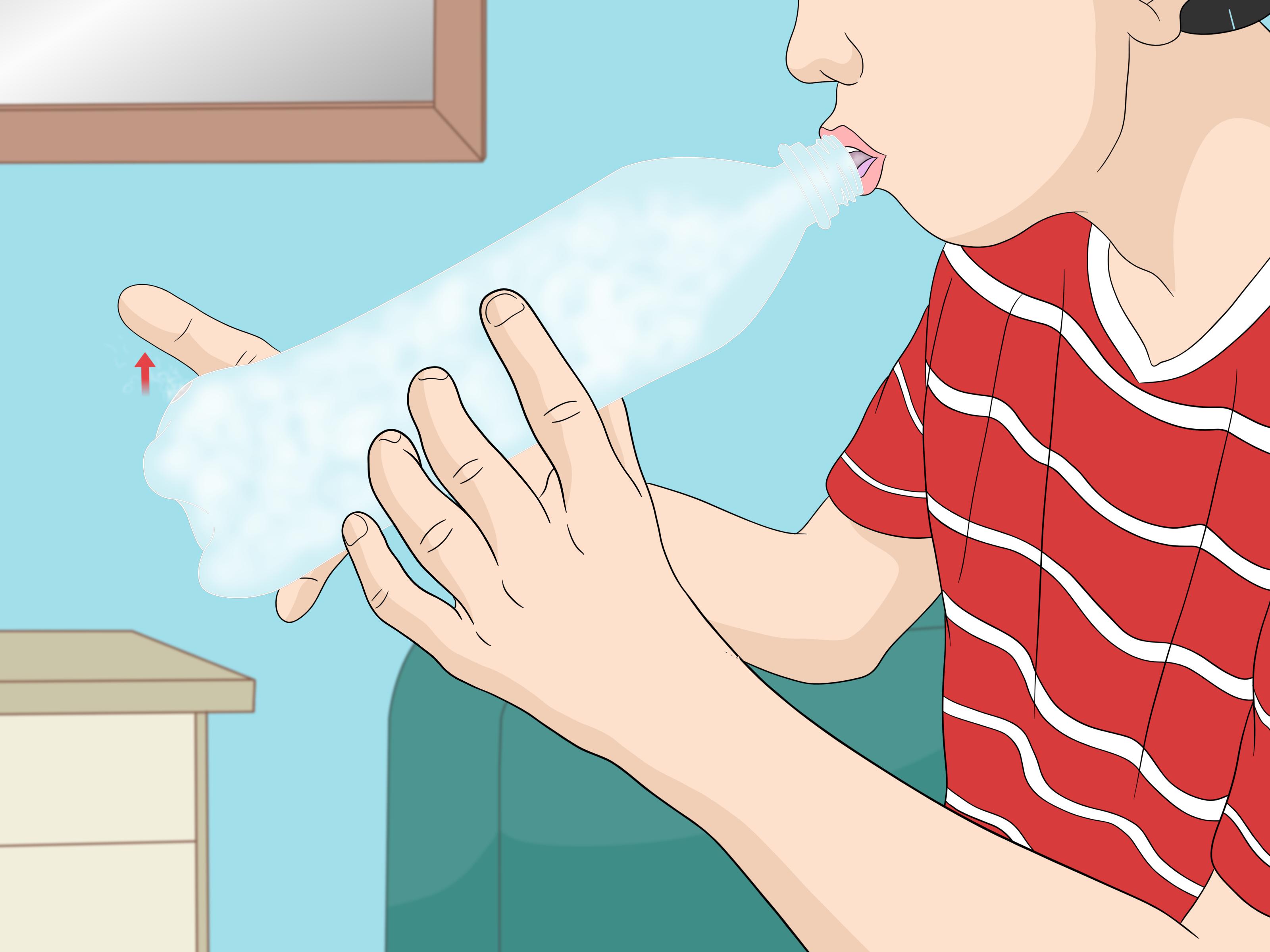
A waterfall bong is commonly described as a homemade smoking device that uses water movement and air pressure to pull smoke into a container. It is often associated with cannabis use, although the exact legal status of cannabis varies by state and country. Even where adult cannabis use is legal, homemade smoking devices may still create legal, health, or safety problems.
The phrase sounds almost poetic, like something you would find on a hiking trail. In reality, it usually refers to a DIY device made from household items, and that is where the risks start multiplying. Household plastic bottles, improvised seals, makeshift bowls, open flames, and smoke inhalation are not exactly the dream team of respiratory wellness.
Why This Article Does Not Provide Building Instructions
A step-by-step guide for making a waterfall bong could help someone create drug-use equipment. That is not appropriate or safe. Instead, this article uses the “8 steps” format to walk through eight responsible steps for understanding the risks, laws, and alternatives. Think of it as a safety-first detour: still useful, still practical, but not a blueprint for something that may harm your lungs or get you in trouble.
Step 1: Understand the Legal Context Before Anything Else
Before anyone experiments with cannabis-related tools, they should understand local law. Cannabis laws vary widely across the United States. Some states allow adult recreational use, some allow medical use only, and others maintain stricter rules. Federal law also treats drug paraphernalia seriously, and the definition can include equipment primarily intended for introducing controlled substances into the body.
That means the legal question is not just “Is cannabis legal where I live?” It can also be “Is this device legal to possess, share, transport, sell, or mail?” A homemade object may look like a harmless bottle project to one person and drug paraphernalia to another. When in doubt, do not guess. Check current state and local laws or consult a qualified legal professional.
Step 2: Know That Water Does Not Make Smoke Safe
A common myth says that water filtration magically makes smoke clean. Unfortunately, water is not a tiny superhero wearing a cape and fighting toxins. Smoke from burning plant material can still contain irritants, fine particles, and harmful chemicals. Water may cool smoke, but cooling is not the same as removing health risks.
Smoking cannabis has been linked with coughing, wheezing, bronchitis symptoms, and irritation of lung tissue. Holding smoke in the lungs can also increase exposure to unwanted compounds. If a device encourages deeper inhalation or larger smoke volume, the “smoother” feeling may actually make overuse easier.
Step 3: Consider the Risks of DIY Plastic Devices
Many homemade smoking devices involve plastic bottles or other household materials. That is a problem because these items are not designed to be heated, punctured, sealed, or exposed to smoke. When plastic is damaged or warmed, it may release unwanted chemicals or create unpleasant fumes. Even if the plastic does not visibly melt, it may still be a poor material for anything connected to inhalation.
Food and beverage containers are designed for storage, not combustion experiments. A bottle that is perfectly fine for cold water on a road trip is not automatically safe as part of a smoking device. The lungs are picky tenants. They prefer clean air, not mystery vapor with a side of burnt plastic anxiety.
Step 4: Remember That Fire and Pressure Are a Bad DIY Combo
Homemade smoking devices often involve open flames, unstable containers, sharp edges, water spills, and hurried improvisation. That is a recipe for burns, cuts, mess, and accidental damage. Because these devices are typically made without quality control, small mistakes can create big problems.
A leaky seal, cracked bottle, or unstable setup can lead to spills or sudden breakage. If someone is impaired while handling flame or hot material, the risk grows. The safest approach is simple: do not build improvised smoking devices, especially not indoors, around pets, around children, or near anything flammable.
Step 5: Think About Secondhand Smoke
Smoking is not only a personal exposure issue. Smoke can affect people nearby, including roommates, family members, neighbors, children, pets, and guests. Cannabis smoke can contain THC as well as irritating and potentially harmful substances. Opening a window or running a fan may reduce odor, but it does not guarantee clean indoor air.
If someone lives with other people, smoke can create conflict as well as health concerns. Nobody wants their apartment to smell like a skunk joined a drum circle in the laundry room. Responsible behavior means respecting shared spaces and avoiding indoor smoking around others.
Step 6: Avoid Driving or Risky Activities After Cannabis Use
Cannabis can affect reaction time, coordination, judgment, attention, and perception. That matters for driving, biking, operating tools, cooking with heat, or doing anything that requires steady decision-making. A person may feel “basically fine” while still being impaired.
If cannabis is used legally, the responsible rule is clear: do not drive or operate machinery afterward. Plan transportation in advance, stay in a safe environment, and avoid mixing cannabis with alcohol or other substances. The confidence of “I can totally handle this” is not a safety plan; it is usually the opening scene of a bad idea.
Step 7: Store Cannabis Products Safely If They Are Legal Where You Live
In places where cannabis products are legal for adults, safe storage matters. Edibles and infused products can look like candy, snacks, brownies, or gummies. Children and pets do not read labels, and accidental ingestion can lead to frightening symptoms and emergency calls.
Store cannabis products in child-resistant packaging, locked away, clearly labeled, and separate from regular food. Do not leave products on counters, in bags, in cars, or in shared refrigerators. Treat them like any other substance that requires adult responsibility.
Step 8: Choose Safer, Legal, Health-Forward Alternatives
The safest choice for lung health is not to inhale smoke. People who use cannabis for medical reasons should speak with a licensed healthcare professional about legal options and potential risks, especially if they have asthma, COPD, heart conditions, pregnancy, anxiety, psychosis risk, or take medications. A clinician can help weigh benefits and risks in a way that a homemade device cannot.
For people who are simply curious, consider redirecting that curiosity into something less lung-irritating and more useful. Build a terrarium. Learn pour-over coffee. Make a tiny indoor fountain. Construct a desk organizer. Your future self may appreciate a new hobby that does not involve smoke, plastic, or explaining to your landlord why the bathroom smells suspiciously “herbal.”
Health Risks Linked to Homemade Smoking Devices
Lung Irritation
Smoke can irritate the lungs and airways. Frequent exposure may contribute to cough, phlegm, wheezing, and bronchitis-like symptoms. Homemade devices may encourage larger inhalations, which can increase exposure.
Unknown Materials
Improvised devices are often made from materials never intended for inhalation. Plastic, foil, tape, glue, paint, rubber, and heated coatings can introduce unknown substances. “It looks fine” is not a meaningful safety test.
Uncontrolled Dose
Homemade devices may deliver smoke quickly and intensely. That can make it easier to consume more than intended, increasing the chance of dizziness, anxiety, coughing fits, nausea, or panic.
Legal Exposure
Depending on location, possessing or making drug-use equipment may create legal risk. Laws can change, and state rules may not erase federal restrictions.
Common Myths About Waterfall Bongs
Myth: “Water Filters Out the Bad Stuff”
Water may cool smoke, but it does not make smoke harmless. Harmful particles and chemicals can still reach the lungs.
Myth: “DIY Means Natural”
Homemade does not automatically mean safer. A DIY device can be less safe because it lacks tested materials, consistent design, and quality controls.
Myth: “Plastic Bottles Are Fine Because They Hold Drinks”
A plastic bottle is made to hold beverages under normal conditions. It is not made to be cut, heated, burned near, or used for inhalation.
Myth: “If It Works, It’s Safe”
Many unsafe things technically “work.” A chair made of spaghetti might stand for three seconds, but that does not make it a furniture breakthrough.
Practical Advice for Readers Searching This Topic
If you searched for “how to make a waterfall bong,” pause and ask what you actually want. Are you curious about how air pressure works? Look up a safe physics demonstration with water bottles and balloons. Are you exploring cannabis use? Read health information from reputable medical sources and understand your local laws. Are you trying to save money? A homemade smoking device is not worth the potential health or legal cost.
Curiosity is not the problem. Curiosity is great. It built telescopes, vaccines, airplanes, and probably the first person brave enough to combine peanut butter with chocolate. The issue is where that curiosity goes. A safer path is to learn the science without creating a device intended for drug use.
Experiences and Lessons Related to the Topic
Many people first hear about waterfall bongs from friends, forums, parties, or old internet tutorials. The story usually begins with someone saying, “It’s easy,” which is the same sentence people use before assembling furniture without reading the manual. What often gets left out is the coughing, the mess, the smell, the legal uncertainty, and the awkward realization that a plastic bottle is now the centerpiece of a bad decision.
One common experience is underestimating intensity. Homemade devices can feel harsher or stronger than expected. Someone may assume that because water is involved, the experience will be mild. Then the coughing starts, the eyes water, and suddenly the “clever hack” feels less like innovation and more like being personally roasted by one’s own lungs. This is a strong reminder that smoother does not always mean safer.
Another lesson is that improvised materials create uncertainty. People may use whatever is nearby: a bottle, a cap, foil, tape, or a random metal piece from a drawer. None of those items were designed for safe inhalation. When heat, smoke, and homemade parts mix, the user has little control over what they are breathing. A device can look clean and still be a poor choice for lung health.
Shared living spaces create another problem. Smoke and odor travel. Roommates may object, neighbors may complain, and parents or landlords may notice. In apartments, dorms, and shared houses, one person’s experiment can quickly become everyone’s problem. Even when cannabis use is legal for adults, exposing others to smoke or creating indoor odor can damage trust and cause conflict.
There is also the social pressure factor. People may try a homemade device because they do not want to look nervous or inexperienced. That pressure is not harmless. A good rule is that any activity requiring you to ignore your own discomfort is not worth it. Saying “no thanks” is not boring; it is a life skill with excellent long-term reviews.
For readers interested in the science, the best alternative is to separate the physics from the drug-use context. Water displacement, air pressure, suction, and vacuum effects can be demonstrated with safe classroom experiments. You can learn the same principles without smoke, flame, or legal complications. That way, you get the “aha!” moment without the “uh-oh” moment.
The biggest takeaway is simple: a waterfall bong may sound like a clever DIY trick, but the risks outweigh the novelty. Health, safety, legality, and respect for others matter more than a homemade device. Curiosity is valuable, but it should lead to smarter choices, not improvised equipment that can irritate lungs, create legal problems, or turn a relaxing evening into a cautionary tale.
Conclusion
The phrase “how to make a waterfall bong” may attract clicks, but responsible information matters more than risky instructions. Homemade smoking devices can involve legal concerns, lung exposure, secondhand smoke, unsafe materials, fire hazards, and unpredictable effects. Water does not make smoke harmless, plastic bottles are not inhalation tools, and DIY does not equal safe.
If you are researching this topic, use the moment to make a better choice. Learn the science safely, understand the law, protect your lungs, and avoid exposing others to smoke. The most practical step is not building a waterfall bong; it is recognizing why making one is a bad idea in the first place.