Avocados have a remarkable talent for ignoring your meal plan. They sit on the counter as firm as baseballs for several days, then apparently hold a secret midnight meeting and become overripe all at once. Fortunately, you do not have to surrender your breakfast toast to avocado chaos.
Although no home-storage method can permanently stop the natural ripening process, you can slow it considerably. The key is controlling temperature, limiting exposure to ethylene-producing fruit, preventing bruising, and moving each avocado to the refrigerator at the right moment.
This guide explains how to keep avocados from ripening too quickly in 10 practical steps, along with storage advice for whole, cut, mashed, and frozen avocado. The goal is simple: more creamy green fruit on your plate and fewer expensive brown surprises in the trash.
Why Do Avocados Ripen So Quickly?
Avocados are climacteric fruits, meaning they continue to ripen after they are harvested. They naturally produce ethylene, a plant hormone that activates changes in texture, color, aroma, and flavor. As ethylene production rises, the firm flesh softens and develops the buttery consistency people expect from a ripe avocado.
Temperature also matters. Warm conditions generally accelerate respiration and ripening, while refrigeration slows those processes. This is why an avocado may stay hard for days in a cool kitchen but soften surprisingly quickly beside a sunny window, warm oven, or bunch of ripe bananas.
Other fruit can join the ripening conspiracy. Apples, bananas, kiwis, peaches, pears, and tomatoes release ethylene, so storing them close to avocados can increase the concentration of the gas surrounding the fruit. That is useful when you need guacamole quickly, but it is exactly what you should avoid when trying to extend an avocado’s usable life.
How to Keep Avocados from Ripening in 10 Steps
1. Buy Avocados at Different Stages of Ripeness
The best storage strategy begins before the avocados enter your kitchen. Instead of buying five fruits that all feel identical, choose a range of firmness levels. Pick one or two that yield slightly to gentle pressure for immediate use, a few firm avocados for later in the week, and perhaps one very firm fruit for the weekend.
This creates a natural ripening schedule. You are less likely to wake up to an entire bag demanding immediate attention like tiny green landlords collecting rent.
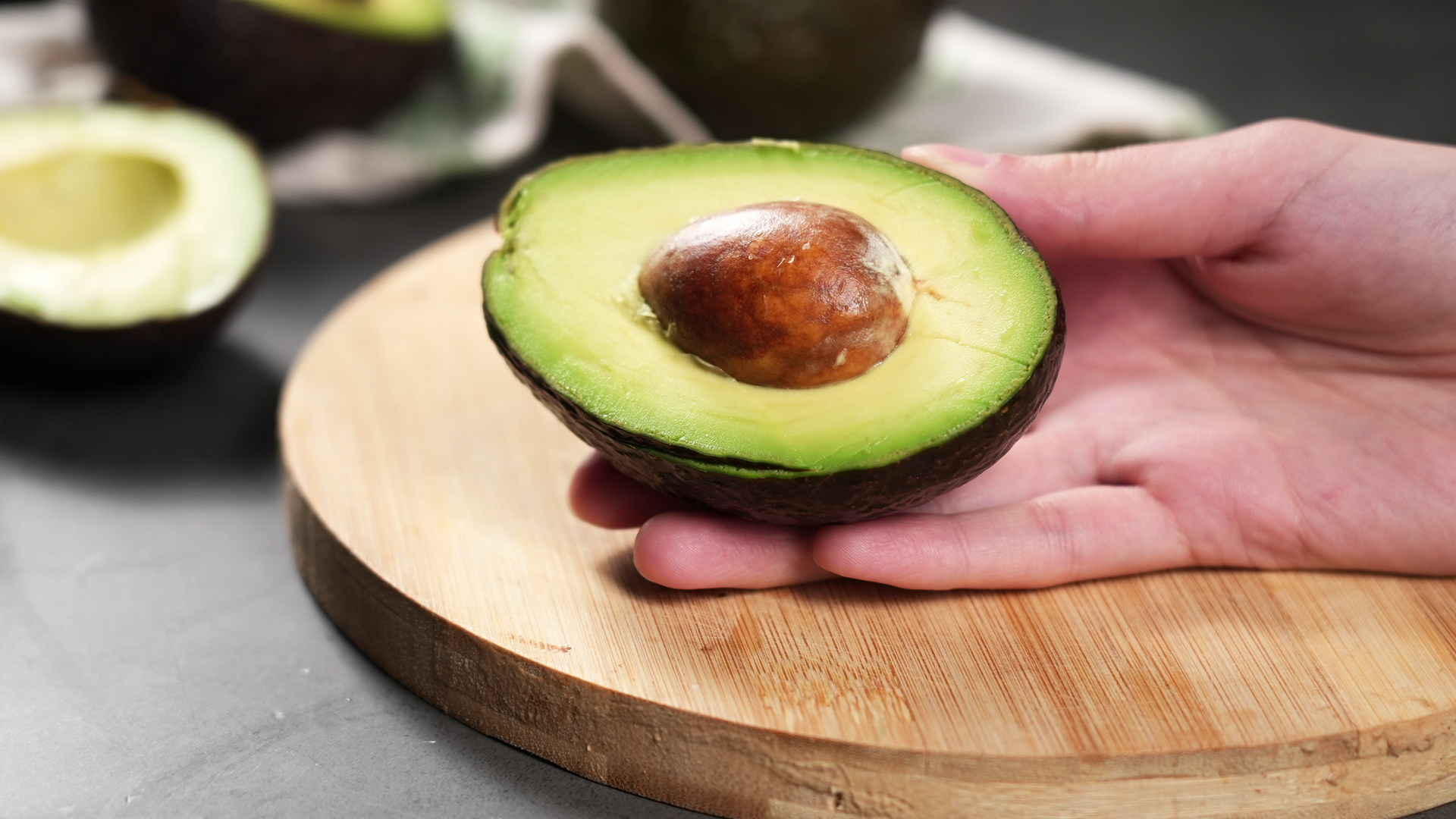
Hold each avocado in your palm and squeeze gently. Do not press hard with your fingertips, because that can bruise the flesh. A ripe avocado should give slightly without feeling mushy. A very firm avocado needs more time, while one with sunken areas or a squishy texture may already be overripe.
2. Sort the Avocados as Soon as You Get Home
Do not automatically place every avocado in the same fruit bowl. Examine and sort them according to firmness:
- Very firm: Keep at a moderate room temperature until ripening begins.
- Beginning to soften: Check daily and prepare to refrigerate.
- Ripe: Use immediately or move directly to the refrigerator.
- Very soft: Cut it open promptly and inspect it for spoilage.
Sorting prevents a ripe avocado from being forgotten beneath harder ones. It also allows you to refrigerate individual fruits at the correct time rather than treating the entire batch alike.
3. Keep Firm Avocados Away from Heat and Sunlight
If an avocado is still too hard to eat, store it in a cool, shaded, well-ventilated place. A pantry shelf, open bowl, or quiet section of the counter usually works well. Avoid windowsills, the top of the refrigerator, and areas beside the stove, dishwasher, toaster oven, or other heat-producing appliances.
Direct sunlight and warm air can accelerate ripening and may heat the fruit unevenly. An avocado sitting beside the stove while dinner cooks is essentially attending a ripening boot camp.
Do not pile heavy produce on top of the avocados. Pressure can create bruised areas that turn brown before the rest of the flesh is ready. A shallow bowl with enough room for the fruit to rest in a single layer is better than an overcrowded basket.
4. Separate Avocados from Ethylene-Producing Fruit
Keep avocados away from ripe bananas, apples, kiwis, peaches, pears, and tomatoes when you want to slow ripening. These foods release ethylene, which can encourage nearby avocados to soften faster.
Distance does not have to become a dramatic kitchen divorce. Simply place the avocados in a separate bowl or on another shelf where air can circulate. Avoid putting them together in a closed cabinet or container, where ethylene can accumulate.
The familiar paper-bag trick works because it traps ethylene around the avocado. That makes it excellent for speeding ripening, but terrible for delaying it. Save the paper bag for the day you urgently need guacamole, not the week you are trying to protect Saturday’s taco plans.
5. Avoid Sealed Bags at Room Temperature
Do not store firm avocados in a sealed plastic bag on the counter. A closed bag can trap ethylene and moisture, creating conditions that encourage faster softening and possible surface deterioration.
Loose storage with reasonable airflow is better while the fruit remains at room temperature. You can leave avocados uncovered in a bowl, on a tray, or in a breathable produce basket. The goal is not to dry them out for several weeks; it is simply to prevent concentrated ethylene from surrounding them.
A brown paper bag also traps some ethylene, even though it breathes more than plastic. Therefore, it should not be used when your objective is to keep an avocado firm. Add an apple or banana to that bag and you have created an avocado express lane.
6. Refrigerate Avocados as Soon as They Reach the Right Stage
Refrigeration is the most effective household method for slowing avocado ripening. The important part is timing. Move an avocado into the refrigerator when it has reached the firmness you want or is just beginning to yield to gentle pressure.
A ripe whole avocado commonly remains useful for several additional days under refrigeration, although the exact time depends on its original maturity, variety, handling, and refrigerator temperature. Firmer ripe fruit generally lasts longer than fruit that is already extremely soft.
Cold storage slows ripening; it does not place the avocado in suspended animation. Continue checking it rather than assuming it has signed a long-term lease in the crisper drawer.
Very hard avocados are usually better allowed to begin ripening at room temperature. Refrigerating them too early can interfere with normal softening and may produce uneven texture or disappointing flavor.
7. Store Whole Avocados Dry in the Crisper Drawer
Place ripe, uncut avocados in the refrigerator’s produce drawer or another consistently cool area. Keep them whole, dry, and protected from heavy items that could cause bruising.
Do not store whole or cut avocados submerged in water. Although online videos claim that this keeps them green for weeks, food-safety authorities have advised against the practice. Microorganisms potentially present on the peel may multiply during prolonged water storage, and contamination can potentially move into the edible portion.
Instead, refrigerate the avocado normally without adding water. Before cutting it, rinse the outside thoroughly under running water, gently scrub the peel with a clean produce brush, and dry it with a clean towel. Washing the skin matters because a knife can transfer contaminants from the peel to the flesh.
8. Check Stored Avocados Every Day
A daily firmness check takes only a few seconds and prevents waste. Gently press near the upper portion of the avocado without repeatedly squeezing the entire fruit. If it has softened to the stage you prefer, use it or refrigerate it immediately.
Avoid removing the small stem cap as a routine ripeness test. Opening that area exposes the flesh to oxygen and may encourage premature browning. It also makes the fruit less attractive for the next shopper when people perform the test in a grocery store and put the avocado back.
Use the softest refrigerated fruit first. A simple “first ripe, first eaten” rule works well. When managing a large batch, place newly refrigerated avocados behind older ones so the fruit closest to expiration stays visible.
9. Protect Cut Avocados from Air
Once an avocado is cut, the objective changes from slowing ripening to slowing oxidation and microbial deterioration. Oxygen reacts with enzymes in the flesh and causes the exposed surface to turn brown. Browning alone is not necessarily a sign that the fruit is unsafe, but it makes the avocado less appealing and eventually accompanies declining quality.
Leave the peel on the unused half and keep the pit in place if it is convenient. Apply a thin layer of lemon or lime juice to the exposed flesh, then press plastic wrap, reusable food wrap, or an avocado cover directly against the surface. Place the wrapped half in an airtight container and refrigerate it promptly.
Cut fruit should not remain at room temperature for more than two hours, or more than one hour in temperatures above 90°F. Use refrigerated avocado halves within a few days and discard them if they become slimy, moldy, fermented-smelling, or extensively discolored.
10. Freeze Ripe Avocado for Long-Term Storage
Freezing is the closest option to pressing the pause button, but only ripe avocados should be frozen. An unripe frozen avocado is unlikely to develop the same creamy texture after thawing.
Cut a ripe avocado, remove the peel and pit, and slice, cube, or mash the flesh. Add a small amount of lemon or lime juice to reduce discoloration. Pack it into a freezer-safe container or resealable bag, remove as much air as possible, label it, and freeze.
Frozen avocado usually becomes softer and somewhat watery after thawing, so it is better for smoothies, salad dressings, sauces, dips, soups, and baked recipes than for neat slices or photogenic avocado toast. Thaw it in the refrigerator and use it promptly. It may no longer win a beauty contest, but it can still contribute excellent creaminess.
How Long Can You Slow Avocado Ripening?
There is no single guaranteed storage time because avocados differ in maturity, variety, harvest conditions, temperature exposure, and handling. As a practical guide, firm fruit may require several days to ripen at room temperature. Once it becomes ripe, refrigeration can often provide a few additional days of good quality.
Some ripe but still relatively firm avocados may remain acceptable for close to a week in a properly cold refrigerator. A fruit that is already very soft when refrigerated may last only another day or two. Treat published timelines as estimates and allow firmness, smell, appearance, and texture to guide your decision.
Common Avocado Storage Mistakes
Putting Every Avocado in the Refrigerator Immediately
Cold temperatures can slow ripening so much that a very hard avocado develops unevenly. Allow firm fruit to begin ripening at room temperature, then refrigerate it when it approaches the desired stage.
Keeping Avocados Beside Bananas
This arrangement is perfect for rapid ripening and poor for long storage. Separate the fruit unless acceleration is intentional.
Microwaving or Baking an Unripe Avocado
Heating may soften the flesh, but it does not reproduce natural ripening. The result can taste cooked, bitter, or strangely rubbery instead of creamy and nutty.
Submerging Avocados in Water
The fruit may look green, but appearance is not a reliable measure of microbial safety. Use normal refrigeration rather than a water bath.
Assuming the Pit Protects the Entire Cut Surface
The pit only covers the flesh directly beneath it. The remaining exposed area still needs citrus juice, tight wrapping, and refrigeration.
Ignoring Bruises and Soft Spots
Bruising can create internal brown patches even when the rest of the avocado is firm. Handle the fruit gently and avoid stacking heavy produce over it.
A Practical Week of Managing Avocado Ripeness
Consider a realistic home-kitchen experience involving six avocados purchased on Sunday. Two are slightly soft, two are firm with a little flexibility, and two feel as though they could be used as emergency doorstops.
The two soft avocados go directly into the refrigerator. One is used Monday morning for toast, while the second remains chilled for Tuesday’s salad. Because they were refrigerated before becoming mushy, both retain a creamy texture and clean flavor.
The medium-firm pair stays on a shaded section of the counter, several feet away from the banana bowl. They are checked once a day with light pressure from the palm. By Tuesday evening, one begins to yield slightly, so it moves to the refrigerator. The other remains firmer and stays out for another day.
By Wednesday afternoon, the fourth avocado reaches the same stage and joins its partner in the crisper. These two are now ready for Thursday tacos and Friday sandwiches. The ripening schedule has been stretched across several meals without requiring complicated equipment, unusual containers, or a degree in fruit psychology.
The two hardest avocados are kept in a ventilated bowl in the coolest part of the kitchen. One begins softening on Thursday and is refrigerated that evening. The final avocado is still firm on Friday, so it remains at room temperature until Saturday morning. It becomes ready just in time for weekend guacamole.
This staggered approach works because each fruit is treated according to its condition rather than the purchase date. The refrigerator becomes a braking system, not a permanent storage vault. The counter allows ripening to continue, while distance from bananas and apples prevents unnecessary acceleration.
Now imagine that Friday’s sandwich requires only half an avocado. The unused half keeps its peel and pit, receives a light coating of lime juice, and is wrapped with the material pressed directly against the flesh. It goes into a small airtight container in the refrigerator. The following morning, a thin brown film appears near one edge. That layer is scraped away, revealing green flesh underneath that works perfectly in scrambled eggs.
The experience also illustrates what does not work. Had all six fruits remained together beside the bananas, several could have become ripe at the same time. Had every hard avocado been refrigerated immediately, some might have softened unevenly or taken much longer to develop good flavor. Had the cut half been left loosely covered, considerably more of its surface would have browned.
When one fruit becomes unexpectedly soft, the freezer provides a useful rescue plan. The flesh can be mashed with a little citrus juice, sealed in a freezer bag, and saved for a future smoothie or dressing. This does not preserve the texture needed for elegant slices, but it prevents a perfectly usable avocado from becoming compost simply because the menu changed.
The main lesson from a typical week is that successful avocado storage is active but not difficult. Buy mixed ripeness levels, separate the fruit, check it daily, refrigerate at the right moment, and use the softest avocado first. Those small habits offer more control than any viral miracle hack.
How to Tell When an Avocado Should Be Discarded
A few light brown spots may simply be bruising or oxidation and can often be trimmed away. However, discard an avocado if it has visible mold, a sour or fermented odor, a slimy texture, leaking liquid, or flesh that is extensively gray, black, or rotten.
Trust more than color alone. Hass avocados naturally develop dark skin as they ripen, while other varieties may remain green. Firmness, smell, internal appearance, and texture provide a more complete assessment than peel color.
Conclusion
Learning how to keep avocados from ripening too quickly is mostly about timing. Store firm avocados at a moderate room temperature, keep them away from ethylene-producing fruit, and refrigerate them as soon as they reach the stage you want. Protect cut flesh from oxygen, avoid unsafe water-storage trends, and freeze ripe surplus for recipes where texture is less important.
With these 10 steps, you may not gain complete control over nature, but you can stop letting avocados schedule emergency guacamole meetings without your permission.