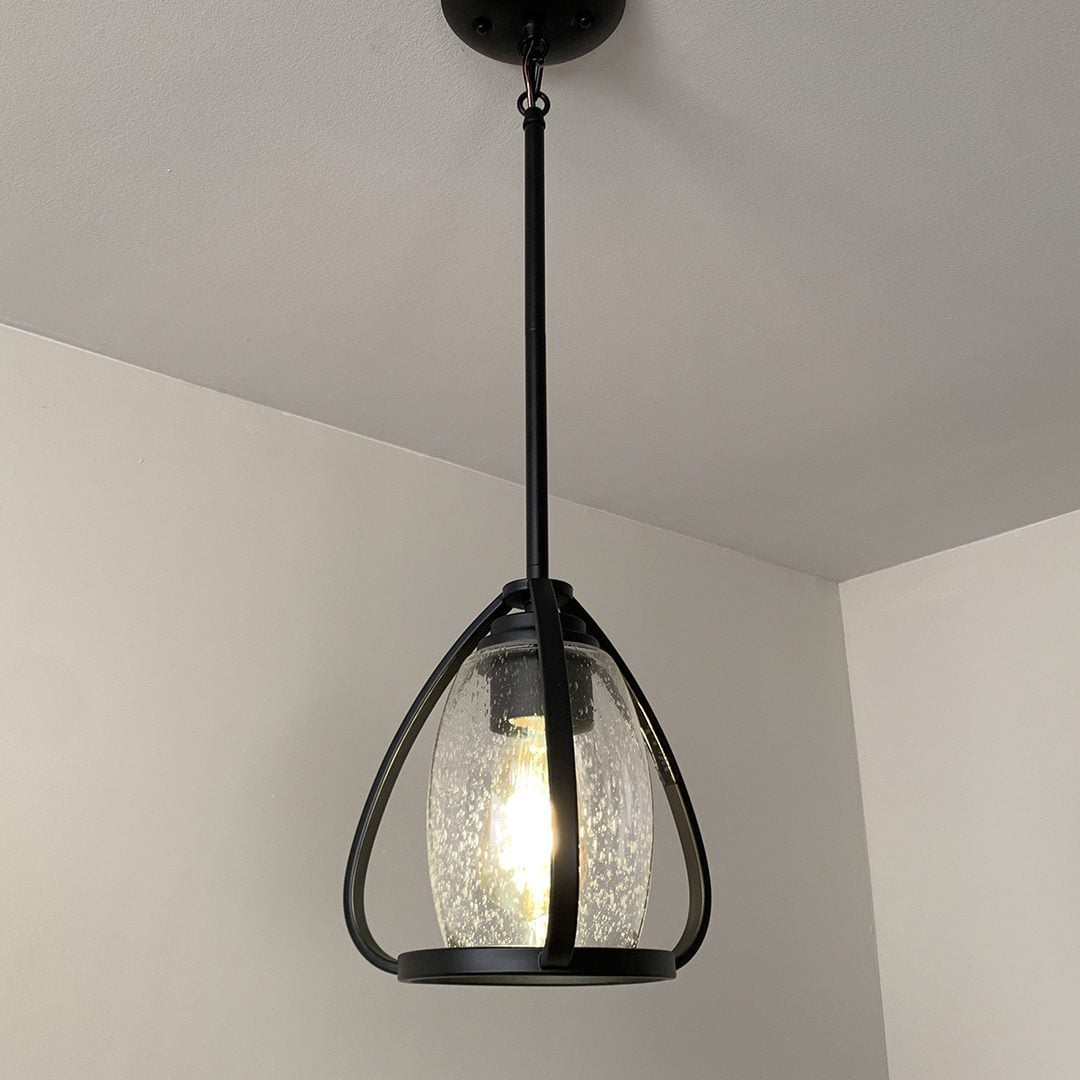
Installing a pendant light is one of those home upgrades that can make a room look instantly more expensive, more intentional, and far less “I moved in six months ago and never got around to it.” A well-chosen pendant can warm up a kitchen island, make a dining table feel like an actual destination, or turn an awkward corner into a cozy little spotlight moment.
But let’s be honest: pendant lighting lives at the intersection of style and electricity, which is why this guide takes a smart, safety-first approach. Instead of giving risky live-wiring instructions, this article walks you through how to plan a pendant light project, choose the right size and hanging height, avoid common mistakes, and know exactly when to bring in a licensed electrician or an experienced adult. In other words, you get the confidence without the “why is the breaker angry?” energy.
Why a Pendant Light Is Worth the Upgrade
Pendant lights do more than simply brighten a space. They help define zones in open layouts, add task lighting where overhead lighting falls short, and create a focal point that makes a room feel finished. In kitchens, they can visually anchor an island. In dining rooms, they help a table feel intimate instead of adrift in a sea of ceiling. In bedrooms, entryways, and reading nooks, they add personality without eating up floor space.
The real beauty of a pendant light is flexibility. You can go sleek and modern with a globe shade, rustic with woven material, dramatic with smoked glass, or classic with metal and linen. A single pendant can make a quiet statement, while a row of pendants can bring symmetry and rhythm to a long counter.
Before You “Install” Anything, Decide What Kind of Project This Really Is
Not every pendant light project is the same. Some are simple style upgrades. Others are full electrical jobs wearing a cute lampshade as a disguise.
Project Type 1: Replacing an Existing Ceiling Fixture
This is the most straightforward version. There is already a ceiling electrical box in place, power already runs to the location, and you are swapping one fixture for another. Even then, the box must be properly rated and the wiring must be in good condition.
Project Type 2: Adding a New Hardwired Pendant Where None Existed Before
This is more involved. It may require running new cable, cutting into ceiling surfaces, upgrading the electrical box, and making sure the switch and circuit setup are correct. That is usually a professional-level job, especially if permits or local code requirements come into play.
Project Type 3: Using a Plug-In Pendant or Swag Pendant
This is the friendliest option for renters, beginners, and anyone who wants the pendant look without opening up electrical systems. A plug-in pendant can be styled beautifully and often gives you the same visual payoff with less risk and less mess.
If you are young, inexperienced, or even slightly unsure which category your project falls into, do not wing it. Pendant lights are not the place for “I watched two videos and now I am an electrician” confidence.
How to Choose the Right Pendant Light
The perfect pendant is not just pretty. It has to fit the room, the function, and the scale of the surface below it. A tiny pendant over a large island can look like it got lost on the way to a powder room. A giant pendant in a tight space can feel like your ceiling is leaning in for a conversation.
Think About Scale
Match the size of the light to the size of the room and the furniture underneath it. Over a dining table or island, the pendant should feel centered and proportional rather than oversized or wimpy. In long spaces, multiple pendants often look more balanced than one lonely fixture trying to do all the emotional labor.
Think About Function
Ask what the light needs to do. Is it task lighting for chopping vegetables? Ambient lighting for dinner? Decorative lighting for a dramatic hallway moment? The answer affects shade shape, bulb brightness, and whether you should add a dimmer.
Think About Material
Glass shades feel airy and elegant but show dust faster. Metal shades can direct light more tightly. Woven shades soften the mood and add texture. Open-bottom pendants usually throw more direct light downward, which is great for work surfaces.
How High Should a Pendant Light Hang?
This is one of the most important design choices in the whole project. Hang it too high, and it feels disconnected. Hang it too low, and it becomes a forehead-testing device.
For many kitchen islands and dining tables, the usual sweet spot is around eye-pleasing, functional height above the surface below. In rooms with taller ceilings, the fixture generally needs to rise a little to stay proportional. In open walking areas such as foyers or circulation paths, clearance matters even more because nobody wants to meet a pendant with their face.
A few practical reminders:
- Center the pendant over the surface it is meant to light.
- For a row of pendants, keep spacing visually even.
- Leave breathing room near the ends of an island or table.
- Always test the visual height before finalizing a fixture choice.
An easy trick is to mock it up first. Use painter’s tape, string, or even a cardboard circle to visualize the diameter and drop length. It is much easier to adjust a pretend pendant than a real one.
Safety First: What You Need to Check Before a Hardwired Install
Even if the job looks simple, a hardwired pendant light is still an electrical fixture. That means safety is not a bonus feature. It is the main character.
Check the Ceiling Box
The fixture has to be supported by a ceiling box that is properly mounted and appropriate for the weight and type of fixture. If the box is old, loose, damaged, shallow, or questionably installed, that needs to be fixed before a new pendant goes up.
Check the Wiring Condition
Frayed insulation, brittle wires, missing grounding, and mystery connections are not charming vintage details. They are warning signs. If you uncover any of those, stop and bring in a licensed electrician.
Check the Bulb and Fixture Rating
Never exceed the bulb rating listed for the fixture. That is not a suggestion. That is your fixture politely saying, “Please do not turn me into a science experiment.” LED bulbs are often a great choice because they provide strong light output with lower energy use and less heat than older incandescent options.
Check the Switch and Dimming Plan
If you want a dimmer, make sure the fixture and the bulbs are compatible with it. A dreamy lighting setup can turn into a flickering headache if the components do not play nicely together.
A Safe DIY Workflow for Pendant Light Projects
Here is the safest way to approach a pendant light project without stepping into risky live-wiring territory:
1. Measure the Space Carefully
Measure ceiling height, table or island width, and the exact center point where the fixture should visually land. Do not rely on eyeballing it from across the room while holding coffee.
2. Choose the Fixture Based on Real Needs
Select a pendant with the right diameter, drop length, and light output. Check whether the fixture is hardwired or plug-in, whether bulbs are included, and whether the canopy and mounting hardware match your ceiling type.
3. Decide Whether This Is a DIY Styling Project or a Pro Electrical Project
If you are replacing a shade on a plug-in pendant, great. If you are dealing with an electrical box, old wiring, a new location, or any uncertainty about grounding, this moves into licensed-electrician territory.
4. Prep the Room
Clear the surface below. Set up a sturdy ladder. Protect countertops or tables. Unbox everything and confirm all parts are present before anything starts. Missing hardware has a way of revealing itself only after you are halfway up the ladder and emotionally committed.
5. Handle the Styling and Finishing Details Yourself
Even if a pro handles the electrical connection, you can often own the design decisions: fixture choice, height preference, bulb color temperature, dimmer style, and final room styling. That still counts as a real DIY win.
Best Bulb Choices for a Pendant Light
Brightness matters just as much as the fixture itself. A beautiful pendant with the wrong bulb can make a room feel gloomy, harsh, or weirdly interrogation-room adjacent.
Use Lumens, Not Just Watts
When shopping for bulbs, focus on lumens for brightness. Watts tell you how much energy a bulb uses, not how much light you get. That shift matters, especially with LEDs.
Choose the Right Color Temperature
Warm white bulbs usually create a cozy, welcoming feel and work beautifully in dining rooms, bedrooms, and many living spaces. Slightly cooler white can be useful in kitchens and task-heavy work areas. The “best” choice depends on mood, function, and the colors already in the room.
Think About Dimmability
A dimmable pendant gives you more flexibility throughout the day. Bright for homework, softer for dinner, lowest possible setting for pretending your kitchen is a boutique hotel bar.
Common Pendant Light Mistakes to Avoid
Choosing Style Over Scale
Yes, that sculptural pendant is gorgeous. No, it may not belong over your very small breakfast nook. Always check dimensions before falling in love.
Ignoring Ceiling Height
A drop length that works in a room with high ceilings may be all wrong in a standard-height room. Height is part of the design, not an afterthought.
Using the Wrong Brightness
Too dim, and the fixture is decorative but useless. Too bright, and your dinner guests may feel like they are being questioned under oath.
Forgetting About Shadows and Glare
Opaque shades direct light down. Clear glass spreads it differently. Wide shades and narrow shades create different moods. Always think about where the light lands, not just how the fixture looks turned off.
Assuming Every “Easy Install” Is Actually Easy
Marketing copy is optimistic. Ceilings are not. If the existing box is crooked, the ceiling is uneven, the wiring is old, or the fixture is heavy, the project gets complicated fast.
When to Call a Licensed Electrician
Call a pro if any of the following applies:
- You are adding a new pendant where no electrical box exists.
- The wiring is old, damaged, ungrounded, or confusing.
- The fixture is unusually heavy or requires special support.
- You want to install or replace a dimmer and are unsure about compatibility.
- Local permit or code rules may apply.
- You are not fully confident about working around electricity.
That is not “failing DIY.” That is winning at common sense.
Safer Alternatives If You Want the Look Without the Risk
Plug-In Pendant Lights
These are fantastic for renters, dorm-style setups, bedrooms, and spots where you want style without altering permanent wiring. You still get the pendant look, often with adjustable cord length and plenty of design choices.
Swag Pendants
These hang from a ceiling hook and route to a nearby outlet. They can work especially well in reading corners, over side tables, or anywhere you need a statement light without opening up the ceiling.
Battery or No-Wire Accent Lighting
If you are mainly after mood and not task lighting, there are also non-hardwired solutions worth considering. They may not fully replace a ceiling fixture, but they can change the atmosphere dramatically.
Final Thoughts
A pendant light can absolutely transform a room, but the best pendant light projects are not just stylish. They are measured, well-planned, safely executed, and appropriate for the space. That means choosing the right size, the right hanging height, the right bulb, and the right installation method.
If you are experienced and working alongside a qualified adult or licensed electrician, a pendant project can be a satisfying upgrade. If you are newer to home projects, focus on design decisions, fixture selection, and safe alternatives like plug-in pendants. Either way, you still get the glory when someone walks in and says, “Wow, that light looks amazing.”
And honestly, that is the dream: stylish lighting, no scorched wiring, and a room that finally looks like it has its life together.
Real-World Experiences and Lessons From Pendant Light Projects
One of the biggest surprises people run into with pendant lighting is that the hardest part is often not choosing the fixture. It is choosing the height. On paper, measurements sound simple. In real life, a pendant that looked perfect in the product photo can suddenly feel too low when you are standing beneath it, too high when you sit at the table, or oddly tiny once it is in a large open kitchen. That is why experienced homeowners often say mockups save the day. Taping off a fixture footprint or hanging a temporary marker from the ceiling can reveal design problems before money and effort are fully committed.
Another common lesson is that finish matters more than people expect. A brushed brass pendant may look warm and elegant online, but if the rest of the room is full of polished chrome, the mismatch can feel accidental rather than stylish. The same goes for shade material. Clear glass looks airy and modern, but it also puts the bulb on display and can make dust, fingerprints, and bulb style much more noticeable. Woven shades bring beautiful texture, though they may cast softer, more patterned light than some people expect. The point is simple: pendant lighting is both a light source and a visual object, so you have to think about it with the fixture on and off.
People also tend to underestimate bulb choice. Many pendant regrets are not really about the pendant at all. They are about using a bulb that is too cool, too dim, too bright, or not dimmable. A fixture can look magazine-worthy and still make the room feel cold if the light color is wrong. That is why homeowners who love their pendant lights usually talk about the bulb almost as much as the fixture. The right bulb makes glass sparkle, metal glow, and a room feel intentional.
Then there is the very human experience of opening the box and realizing assembly is more involved than expected. Maybe the downrod sections need to be configured just right. Maybe the canopy is wider than the old fixture base and exposes an unpainted ring on the ceiling. Maybe the cord needs careful adjustment so the fixture hangs straight. These are not disasters, but they are classic reminders that “simple update” and “zero-frustration project” are not always the same thing. The people who end up happiest are usually the ones who unpack everything early, read the fixture paperwork, and confirm dimensions before the ladder comes out.
Finally, the best pendant light experiences usually come from knowing when to split the job. Plenty of savvy homeowners handle the style decisions themselves and leave the electrical portion to a pro. That can be the sweet spot: you choose the look, placement, height, bulb warmth, and overall vibe, while someone qualified handles the connection safely. In the end, that still feels deeply DIY in spirit, because the room reflects your decisions. You just made those decisions with enough wisdom to keep the project beautiful and safe.