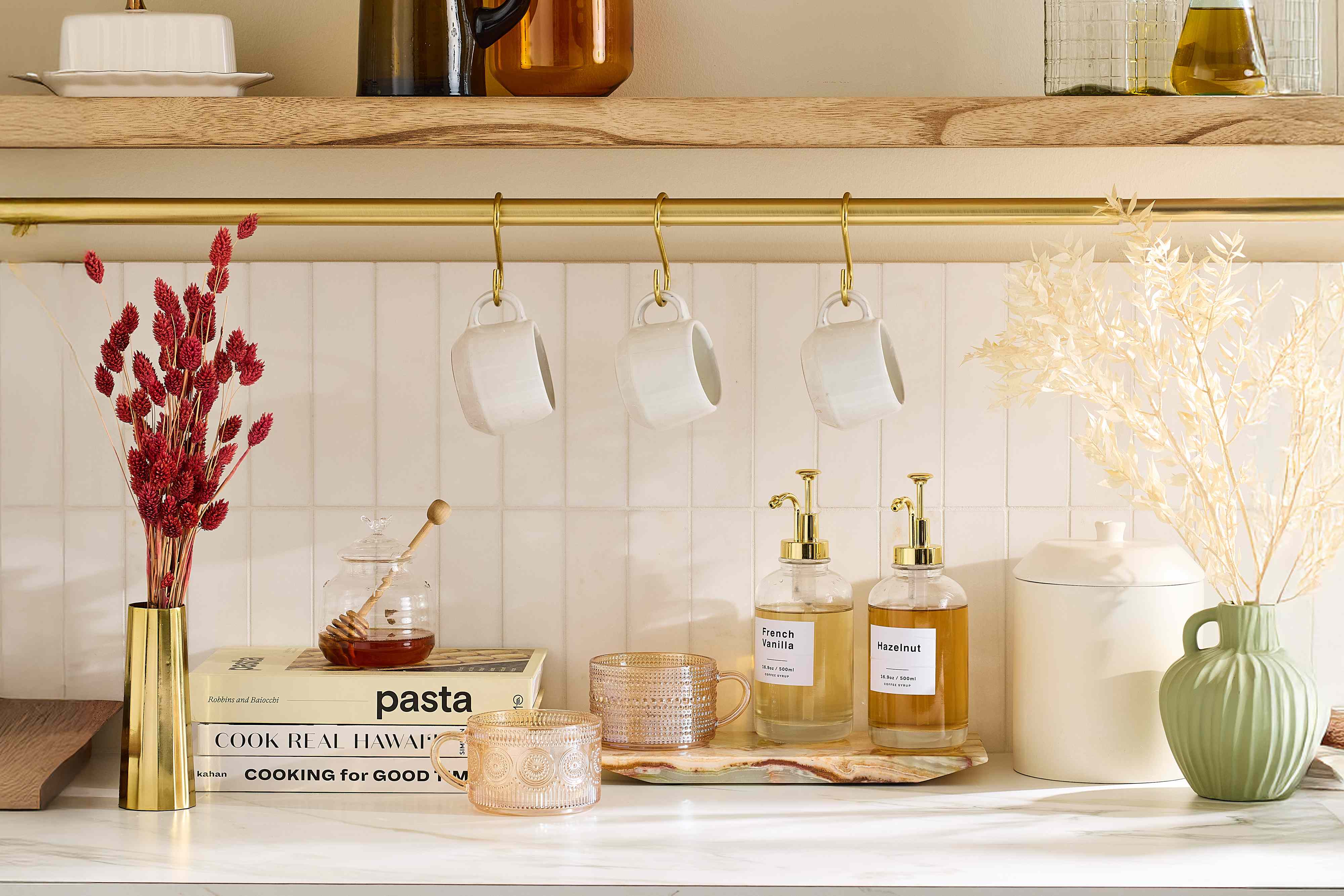
The kitchen is where people drift, linger, snack, lean against the island, and somehow end up confessing their life story while you are still looking for the good olive oil. It is also one of the fastest rooms in the house to make an impression. Guests may not walk in with a clipboard and a tiny judging monocle, but they do notice more than homeowners think. In a matter of seconds, they pick up on the mood, the mess level, the lighting, the smell, and whether the room feels warm and welcoming or like it is one coffee mug away from chaos.
Designers say that a memorable kitchen is not just about expensive countertops or a faucet with a dramatic European accent. What really stands out is a combination of function and feeling. A kitchen that works well usually looks good, too. It feels organized without being stiff, styled without looking staged, and clean without seeming like nobody is allowed to live there. That sweet spot is what guests notice first.
If you want to know what people actually clock when they walk into your space, here are the six things designers say matter most, plus how to make each one work in your favor.
1. The Smell
Before anyone compliments your backsplash, they notice the air. Smell is the first impression that beats every visual detail to the punch. A kitchen can be beautiful, but if it smells like old frying oil, yesterday’s salmon, a suspicious sponge, or a garbage can that has seen too much, guests will remember that before they remember your gorgeous pendant lights.
This happens because homeowners get used to their own environment. You stop noticing the onion-and-garlic cloud that lingered after dinner. Guests do not. They walk in with a fresh nose and immediately pick up on trash, stale air, pet odors, lingering cooking smells, and sink funk. That sounds dramatic, but it is also fixable.
A guest-friendly kitchen smells neutral to fresh, not aggressively perfumed. Nobody wants to feel like a cinnamon candle is trying to cover up a crime scene. Open a window when possible, run the vent hood longer than you think you need to, empty the trash before guests arrive, wipe grease from cooking surfaces, and do not forget the sink drain. A clean drain is an unsung hero. If you want a little extra freshness, a bowl of lemons, fresh herbs, or coffee brewing does more than a fake tropical air spray ever will.
Think of scent as the invisible decor layer. When it is right, nobody talks about it. When it is wrong, it steals the whole show.
2. The Countertops and Clutter Level
Guests notice countertops because counters are visual billboards. They are usually the largest uninterrupted surfaces in the room, which means they either signal calm or broadcast, “We own fourteen appliances and apparently all of them live here now.”
Designers consistently point to clutter as one of the fastest ways to make a kitchen feel cramped, dated, or stressful. Even a large kitchen can look smaller when the counters are packed with mail, vitamins, random charging cords, three cutting boards, an air fryer, a blender, a toaster oven, and one lonely bag of rice that never made it to the pantry.
This does not mean your kitchen has to look empty and soulless. It means it should look edited. Keep the things you use daily and remove the “just in case” items that have become permanent residents. A coffee maker? Reasonable. Seven oils, four mugs, loose paper towels, and a stack of unopened packages? Less charming.
The best kitchens usually have concealed storage doing the heavy lifting. That might mean deep drawers, a pantry cabinet, appliance garages, pull-outs, or simply using cabinets more intentionally. When storage works, the room feels polished because fewer objects are fighting for attention. And when you do leave something out, make it count. A handsome wooden board, a ceramic fruit bowl, or a pretty kettle looks intentional. A pharmacy receipt and a half-used protein shaker do not.
If you are short on space, aim for “purposeful visible.” One tray can corral oils, salt, and pepper. One crock can hold cooking utensils. One bowl can hold fruit. Once every surface turns into open storage, the room starts feeling like a busy airport kiosk.
3. The Lighting
Lighting is one of the biggest kitchen game-changers because people do not just notice what they see. They notice how the room makes them feel. A dim, yellowish cave feels gloomy. A single harsh overhead light feels like a dental exam. A layered lighting plan, on the other hand, makes a kitchen feel expensive, comfortable, and alive.
Designers love layered lighting because kitchens need to do many jobs at once. You need task lighting for chopping and cooking, ambient lighting for the overall room, and accent lighting to add depth and warmth. That is why under-cabinet lighting, pendants over an island, sconces near a sink, and dimmers are such crowd-pleasers. They make the kitchen feel considered instead of accidental.
Guests especially notice statement fixtures. A sculptural pendant or a pair of elegant island lights works like jewelry for the room. It catches the eye immediately and helps anchor the space. But good lighting is not only about the glamorous pieces. Clean windows, natural daylight, and bulbs that are consistent in tone matter just as much. If one side of your kitchen says “cozy dinner party” and the other says “gas station restroom,” something has gone wrong.
The easiest upgrade is often simple: replace outdated bulbs, add a dimmer, open the shades, and make sure your island or dining area has a focal light that feels intentional. People may not say, “Your light layering is exquisite,” but they will absolutely think, “This kitchen feels really nice.” That is the point.
4. The Cleanliness of the Obvious and Not-So-Obvious Spots
Guests are not inspecting your baseboards with forensic ambition, but they do notice cleanliness in the areas right in front of them. That includes sticky counters, fingerprints on stainless steel, splatters on the backsplash, a dusty vent hood, and the mysterious smudge on the fridge handle that seems to regenerate every few hours. Kitchens are high-touch spaces, and the grime that collects there is very visible.
Designers and cleaners alike point out that the most noticeable messes are often not huge disasters. They are the small, high-visibility details that make a room feel uncared for. A sparkling counter paired with a grimy sink faucet sends mixed messages. A beautiful island with crumbs trapped around the stool legs is not making the case you think it is.
The smartest move is to focus on what guests naturally see at eye level and hand level. Wipe cabinet fronts. Polish the faucet. Clean the sink basin. Clear crumbs from the island. Do a quick pass on appliance handles. If people are coming over during the day, also check anything sunlight will expose, because daylight is generous to nobody.
And yes, guests notice the trash area. If your trash can is visible, it needs to look tidy and smell neutral. The same goes for dish towels. A fresh towel says “welcome.” A damp towel draped over the oven handle says “we are all doing our best.”
A clean kitchen does not need to look unlived-in. It just needs to look like the room is under control.
5. The Layout and Flow
Some kitchens photograph beautifully but are annoying the second more than two humans enter them. Guests notice flow faster than homeowners realize. They notice whether they can stand and chat without blocking the cook, whether stools are squeezed too tightly together, whether the island invites conversation, and whether the whole room feels like a social hub or a traffic accident.
Designers increasingly think in zones rather than one-size-fits-all layouts. The most successful kitchens separate cooking, prep, cleanup, snacking, and gathering so that everyone is not trying to occupy the same three square feet. That is especially important when entertaining. A guest who can refill a drink or grab a snack without walking directly through the hot pan zone is a happier guest, and frankly, a safer one.
This is why islands remain such power players. A good island is not just extra counter space. It shapes how people gather. Curved seating, enough legroom, and clear circulation paths can make the kitchen feel more conversational and more relaxed. Even in smaller spaces, a compact dining nook, a side counter for drinks, or a separate coffee station can reduce congestion and make the room feel smarter.
If your kitchen always feels crowded when company comes over, the fix may not be more square footage. It may be better staging. Move the charcuterie to a side counter. Put glasses away from the stove. Keep the snack zone separate from the prep zone. Suddenly the room works better, and guests feel that difference immediately.
6. The Personality in the Details
After smell, clutter, lighting, cleanliness, and flow, guests notice the soul of the room. This is where personality comes in. Designers talk a lot about kitchens that feel warm, layered, and intentional rather than sterile. Translation: people remember spaces that look like someone thoughtful lives there.
Personality does not require a full renovation. It can come from cabinet color, mixed materials, hardware, stools, artwork, a runner, handmade pottery, or a beautifully chosen light fixture. It can come from wood tones that soften a white kitchen, a bold island color that adds depth, or warm metals that make the room feel collected instead of flat.
The key is balance. A kitchen with no personality can feel clinical. A kitchen with too many competing ideas can feel noisy. The sweet spot is a room that feels edited but personal. Maybe that means linen cafe curtains, a small framed print near the breakfast nook, or a shelf with only a few objects that are actually pretty enough to earn the spotlight. Maybe it means swapping basic hardware for something with shape and character. Maybe it means introducing texture through stone, wood, tile, or woven elements so the room has depth even if the palette stays neutral.
Guests do not need to understand your design choices in technical terms. They just need to feel that the kitchen has a point of view. When the room feels warm, functional, and unmistakably yours, it becomes memorable for all the right reasons.
Why These Six Details Matter More Than a Fancy Remodel
Here is the good news: the things guests notice most are not always the expensive things. People remember how a room feels before they remember the brand of the range. They remember whether the kitchen was inviting, whether it smelled fresh, whether there was enough space to gather comfortably, and whether the room seemed pulled together.
That is why a modest kitchen with thoughtful lighting, clear counters, fresh air, and a little personality often impresses more than a giant kitchen full of premium finishes and visible chaos. Design is not just decoration. It is problem-solving with charm. The best kitchens solve little frictions before guests ever have a reason to notice them.
So if you want your kitchen to make a strong impression, do not start by panic-shopping for marble samples. Start by editing what is out, cleaning what is visible, brightening the lighting, checking the smell, improving the flow, and adding one or two details that make the room feel human. That is the designer secret hiding in plain sight.
Experience: What This Looks Like in Real Life
In real homes, these six details show up fast. You see it when a friend walks into a tiny apartment kitchen and instantly says, “Wow, this feels so open,” even though the room is objectively small. Usually that reaction has nothing to do with square footage. It happens because the counters are clear, the lighting is flattering, and the layout gives people a place to stand without stepping into the cook’s orbit. The room feels easy, so guests relax.
You also see the opposite. Plenty of kitchens have beautiful finishes but still feel off. Maybe the island is covered in unopened mail, the overhead light is way too harsh, and the trash can is technically closed but somehow still telling on itself. Guests may never say a word, because polite society still exists, but they will subtly migrate away from the room or perch on the edge of a stool like they are waiting for their boarding group to be called.
One of the biggest lessons people learn from hosting is that guests do not care nearly as much about perfection as homeowners think. They care about comfort. A kitchen can have butcher-block counters instead of marble and still feel amazing if it is warm, clean, and thoughtfully arranged. In fact, some of the most complimented kitchens are the ones with obvious personality: a vintage runner, a great lamp, charming cabinet hardware, a bowl of lemons, maybe a playlist in the background, and enough breathing room that people can actually talk without being shoulder-checked by the dishwasher door.
Another real-life truth is that smell and lighting do more work than people expect. Hosting veterans know this. If dinner is running late but the kitchen smells fresh and the lights are soft, guests assume everything is under control. If the room is bright in a bad way and smells like burnt garlic, people start mentally drafting an escape plan involving early meetings and imaginary babysitters.
Experience also teaches that flow beats size. A big kitchen can become a bottleneck if everyone needs the same spot for drinks, snacks, and conversation. A smaller kitchen can perform beautifully when it has zones. Put beverages on one side, appetizers on another, and keep the main prep area clear. Suddenly the whole room works like it has a traffic engineer and a therapist on staff.
Most of all, living with a kitchen teaches you that guests notice what you repeatedly notice too, even if you have stopped admitting it. The weird corner where clutter multiplies. The light fixture you meant to replace six months ago. The empty wall that makes the room feel unfinished. The sink area that always looks better after a two-minute wipe-down. Small improvements there often create the biggest difference. Not because guests demand perfection, but because thoughtful choices are visible. They make a kitchen feel cared for, and that feeling is what stays with people long after the snacks are gone.
Conclusion
If guests always wind up in the kitchen, it makes sense to treat it like the social centerpiece it is. The six details designers say people notice most are not random. They are the exact things that shape first impressions: smell, clutter, lighting, cleanliness, flow, and personality. Get those right, and your kitchen does not just look better. It feels better. And that is what guests remember.