Long stem roses have a way of making ordinary days feel like someone cued the movie soundtrack. One elegant bloom on a tall, sturdy stem can turn a kitchen table into a florist display, a backyard into a romance department, and a beginner gardener into someone who casually says, “Oh, those? I grew them.” The good news is that you do not need a commercial greenhouse, a secret family formula, or a dramatic gardening hat to grow beautiful long stem roses at home. You do, however, need the right rose variety, generous sunlight, smart pruning, consistent watering, and a little patience.
The classic long stem rose is usually produced by hybrid tea roses, the rose group famous for large, high-centered blooms carried one flower per stem. Grandiflora roses can also produce long, impressive stems, although their flowers may appear singly or in clusters. The secret is not forcing a random rose bush to behave like a florist rose. The secret is choosing a rose bred for the job, then training the plant to send its energy into fewer, stronger, better-positioned blooms.
This guide explains how to grow long stem roses at home in a realistic, beginner-friendly way. Think of it as rose coaching without the smug garden club whispering in the background.
What Makes a Rose “Long Stem”?
A long stem rose is not a separate species. It is usually a rose bloom grown on a long, straight, strong cane with enough length for cutting and arranging. Florist roses are often greenhouse-grown under controlled conditions, which is why every stem looks like it passed a modeling audition. At home, your roses may be slightly less uniform, but they can still be stunning, fragrant, and vase-worthy.
Hybrid tea roses are the best choice for home gardeners who want long stems because they naturally produce large flowers at the end of individual stems. Many varieties grow upright, making them easier to prune and harvest. Grandiflora roses are another strong option because they combine the tall growth of hybrid teas with the blooming power of floribundas.
Best Rose Types for Long Stems
Hybrid Tea Roses
Hybrid tea roses are the traditional long stem roses. They often produce one large bloom per stem, which is exactly what you want for bouquets. They need more care than some shrub roses, but the payoff is big, dramatic flowers that look like they belong in a glass vase next to a handwritten note.
Grandiflora Roses
Grandiflora roses grow tall and vigorous, often producing large blooms on long stems. Some varieties bloom in clusters, so they may not always give you the single-stem florist look, but they are excellent for gardeners who want height, color, and repeat flowering.
Floribunda Roses
Floribundas are usually better for mass color than long stems. They bloom heavily in clusters, which makes them cheerful landscape plants. If hybrid teas are elegant dinner guests, floribundas are the cousins who show up with snacks and a playlist.
Choose the Right Location
Long stem roses are solar-powered divas. They want at least six hours of direct sunlight per day, and they perform best with even more. Morning sun is especially useful because it helps dry dew from the leaves, reducing the chance of fungal disease. A shady corner may look charming, but your rose bush will respond by producing weak stems, fewer blooms, and the general attitude of a plant writing a complaint letter.
Pick a location with good air circulation. Avoid cramming roses against walls, fences, dense shrubs, or other plants. Air movement helps foliage dry faster after rain or watering, which can reduce disease pressure. At the same time, avoid extremely windy spots where tall stems may snap or dry out too quickly.
Prepare the Soil Like You Mean It
Roses are not impossible to grow, but they do notice when soil is terrible. Long stem roses prefer rich, well-drained soil that stays evenly moist without becoming soggy. Heavy clay can hold too much water, while sandy soil may dry out too fast. The goal is a deep, loose planting bed with organic matter mixed in.
Before planting, loosen the soil 18 to 24 inches deep if possible. Mix in finished compost to improve structure, drainage, and microbial life. If your soil drains poorly, consider a raised bed. Roses dislike “wet feet,” which is gardener language for roots sitting in water and quietly plotting their own decline.
A soil test is the smartest move before adding fertilizer or lime. Roses often grow best in slightly acidic soil, commonly around pH 6.0 to 6.5. If the pH is too high, nutrients such as iron may become less available, leading to yellowing leaves with green veins. Guessing with soil amendments can create new problems, so test first and adjust based on the results.
How to Plant Long Stem Roses
You can start with bare-root roses or container-grown roses. Bare-root roses are usually planted in early spring while dormant. Container roses can be planted during the growing season, but spring and fall are easier on the plant than the middle of a hot summer.
Planting Steps
Dig a hole wide enough to spread the roots comfortably. For bare-root roses, soak the roots in water for several hours before planting. Create a small mound of soil in the hole, spread the roots over it, and backfill gently. For container roses, remove the plant from the pot, loosen circling roots, and set it at the same depth it grew in the container.
Water deeply after planting to settle the soil around the roots. Add two to three inches of mulch around the plant, keeping mulch a few inches away from the canes. Mulch helps conserve moisture, cool the soil, and reduce weeds. It also makes the bed look intentional, which is helpful when your garden is still in the “trust the process” stage.
Spacing Matters More Than You Think
For strong long stem roses, spacing is not just about looks. Crowded roses compete for sunlight, water, and nutrients. They also trap humidity, which can encourage diseases such as black spot and powdery mildew. Most hybrid tea roses need about 2 to 3 feet of spacing, depending on the mature size of the variety. Grandifloras and larger roses may need more room.
If you are growing roses mainly for cutting, plant them where you can reach all sides easily. Nothing ruins the romance of rose gardening faster than crawling through thorny canes like a raccoon breaking into a florist shop.
Watering Long Stem Roses
Roses need consistent moisture, especially during active growth and bloom production. Deep, infrequent watering is better than shallow daily sprinkling. Deep watering encourages roots to grow downward, making the plant stronger and more resilient during dry weather.
As a general rule, roses often need about one inch of water per week, but hot weather, sandy soil, containers, and windy sites may increase demand. Water at the base of the plant rather than wetting the leaves. Drip irrigation or a soaker hose is ideal. If you must use overhead watering, do it early in the morning so the leaves dry quickly.
Fertilizing for Strong Stems and Big Blooms
Long stem roses are hungry during the growing season, but more fertilizer is not always better. Too much nitrogen can produce lots of leafy growth at the expense of strong blooms. Excess fertilizer can also stress roots and increase salt buildup, especially in containers.
Begin fertilizing in spring after new growth appears. Use a balanced rose fertilizer or organic fertilizer according to the label directions. Many gardeners feed after each bloom cycle, then stop fertilizing six to eight weeks before the first expected frost so the plant can slow down and prepare for winter.
Compost is also helpful. It improves soil over time and supports steady growth. Think of fertilizer as a meal and compost as long-term good habits. Roses appreciate both, but they do not want to be force-fed like a competitive eater at a county fair.
Pruning: The Real Secret to Long Stems
Pruning is where long stem rose growing gets serious. The goal is to create an open, vase-shaped plant with strong canes and good airflow. Pruning removes dead, damaged, diseased, weak, and crossing canes. It also encourages new flowering wood, which is where your future bouquet stems come from.
Spring Pruning
Prune hybrid tea roses in early spring when buds begin to swell and the worst winter cold has passed. Remove dead or damaged wood first. Then choose several strong, healthy canes and cut them back to outward-facing buds. Many gardeners prune hybrid teas harder than shrub roses because hybrid teas respond by sending up vigorous new stems.
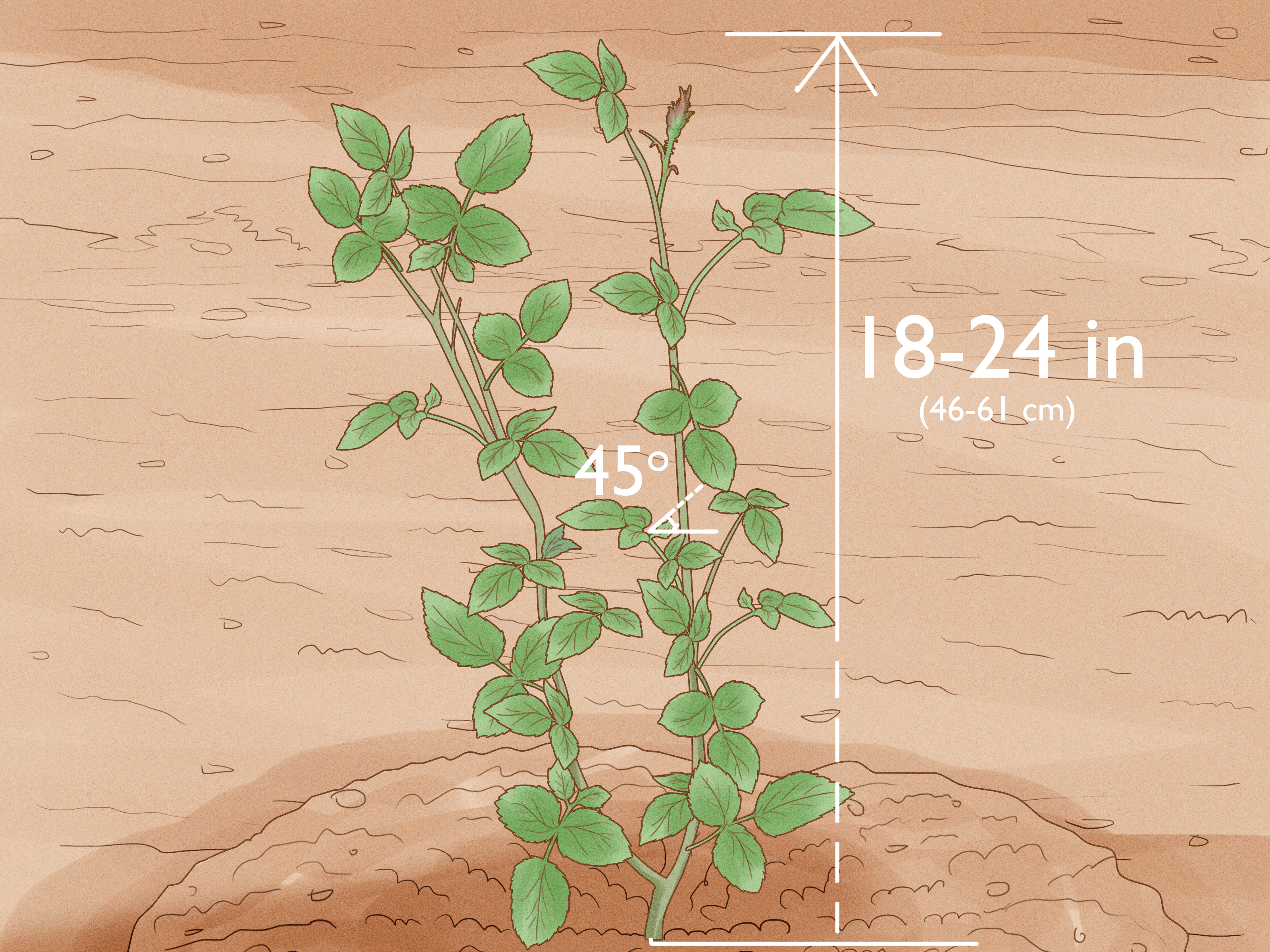
Always use sharp, clean bypass pruners. Make cuts at a 45-degree angle about one-quarter inch above an outward-facing bud. This encourages growth away from the center of the plant, improving shape and airflow.
Summer Deadheading
Deadheading means removing spent blooms so the plant keeps producing flowers instead of making hips. For long stems, cut the faded bloom back to a strong outward-facing five-leaflet leaf. The cane below the cut should be sturdy enough to support the next bloom. If you cut too lightly, you may get short, weak stems. If you cut too hard all season, you may weaken a young plant. Balance is the name of the game.
Disbudding for Longer, Showier Stems
Disbudding is a simple technique used by rose exhibitors and serious cut-flower growers. When several buds form on one stem, remove the smaller side buds and leave the main central bud. This directs more energy into one larger flower on one longer stem.
Do this when the side buds are still small and easy to pinch off. Be gentle so you do not damage the main bud. Disbudding is optional, but if you want that classic florist-style bloom, it is one of the most useful tricks in the rose-growing toolbox.
Protect Roses from Common Problems
Black Spot and Leaf Diseases
Black spot, cercospora leaf spot, powdery mildew, rust, and downy mildew are common rose problems in many regions. Prevention starts with sunlight, spacing, airflow, sanitation, and watering at soil level. Remove diseased leaves from the plant and ground. Do not compost infected rose debris unless your compost pile gets hot enough to kill pathogens.
Aphids, Spider Mites, and Japanese Beetles
Aphids often gather on tender new growth and flower buds. A strong stream of water can knock many of them off. Spider mites are more common in hot, dry conditions and may cause stippled leaves. Japanese beetles can chew blooms and foliage quickly. Monitor plants often so you can respond before a minor pest issue becomes an insect block party.
Rose Rosette Disease
Rose rosette disease is a serious viral disease spread by tiny mites. Symptoms may include unusual red growth, distorted shoots, excessive thorniness, and deformed buds. There is no reliable cure once a plant is infected. Remove and dispose of infected roses promptly, and avoid planting new roses too close to known infected plants.
How to Cut Long Stem Roses for Bouquets
The best time to cut roses is early morning, when stems are hydrated. Choose blooms that are just beginning to open. Use clean, sharp pruners and cut the stem at an angle. Immediately place stems in a bucket of clean water.
For young roses in their first season, avoid cutting very long stems too often. The plant needs leaves to feed itself and build a strong root system. By the second year, you can harvest more confidently. Leave enough foliage on the plant after each cut so it can keep growing vigorously.
Growing Long Stem Roses in Containers
Yes, you can grow long stem roses in large containers, but the pot must be big enough. Choose a container at least 18 to 24 inches wide and deep, with excellent drainage holes. Use high-quality potting mix, not heavy garden soil. Container roses dry out faster than in-ground roses, so check moisture regularly.
Container-grown hybrid teas may need more frequent feeding and watering, but avoid overdoing both. In cold climates, containers may need winter protection because roots are more exposed to temperature swings than roots in the ground.
Seasonal Care Calendar for Long Stem Roses
Spring
Prune, clean up old leaves, refresh mulch, begin fertilizing after growth starts, and watch for early pests. Plant bare-root roses during the appropriate spring window for your region.
Summer
Water deeply, deadhead regularly, disbud for larger blooms, monitor for disease, and harvest flowers in the morning. Keep mulch in place to protect the soil from heat and evaporation.
Fall
Reduce fertilizing well before frost, keep watering during dry spells, and clean up fallen leaves. Stop heavy pruning so the plant can harden off for winter.
Winter
In cold regions, protect the crown with mulch or soil mounding after the ground begins to freeze. Avoid sealing roses in plastic, which can trap moisture and cause problems. Winter care depends heavily on climate, so adjust for your local conditions.
Common Mistakes When Growing Long Stem Roses
The first mistake is choosing the wrong type of rose. A low-growing landscape rose may be tough and beautiful, but it probably will not produce classic long stems. The second mistake is planting in shade. Roses may survive in partial shade, but long stems and large blooms require strong sunlight.
The third mistake is shallow watering. A quick splash on the soil surface does little for deep roots. The fourth mistake is avoiding pruning because it feels scary. Roses are tougher than they look. With clean tools and sensible cuts, pruning helps rather than hurts. The fifth mistake is ignoring disease until the plant looks like it lost a bar fight. Check roses regularly and act early.
Real-Life Experience: What Growing Long Stem Roses at Home Teaches You
Growing long stem roses at home teaches patience in a way few plants do. The first lesson is that roses are honest. If they are unhappy, they will tell you quickly. Leaves yellow, buds fail to open, stems grow thin, or black spots appear like tiny warning flags. At first, this can feel discouraging. Then you realize the plant is not being dramatic. It is giving you clues.
One of the most useful experiences is learning how much sunlight matters. A rose planted in a “pretty” corner with only four hours of sun may grow leaves but refuse to produce strong stems. Move that same rose to a brighter bed, and suddenly it behaves like it got promoted. The stems become thicker, the buds larger, and the whole plant looks more confident.
Another lesson is that watering has a rhythm. Beginners often water too often but not deeply enough. The surface looks wet, so the gardener feels productive, but the roots remain shallow. Once you switch to deep watering two or three times a week during dry periods, the plant becomes steadier. It wilts less, blooms better, and generally stops looking personally offended by July.
Pruning is the emotional hurdle. The first time you cut back a rose, it feels wrong. You spent money on the plant, waited for growth, celebrated every leaf, and now someone is telling you to remove perfectly alive canes. But after a few weeks, the logic becomes clear. Good pruning creates structure. It removes weak growth and pushes the plant to produce strong, purposeful stems. The reward is not instant, but it is visible.
Disbudding also feels strange at first. Pinching off tiny side buds seems rude, almost like telling the plant, “Sorry, only your sibling gets to be famous.” But when the remaining central bud opens into a larger, cleaner bloom on a longer stem, the method makes sense. It is not something every gardener must do, but for cut roses, it can make a big difference.
Harvesting roses is another learning curve. Cut too early, and the bloom may not open fully. Cut too late, and the petals drop quickly in the vase. The sweet spot is when the sepals have folded back and the outer petals are beginning to loosen. Early morning cutting gives the best vase life because the stems are full of moisture.
The most satisfying experience is bringing the first homegrown long stem rose indoors. It may not be perfectly straight. It may have one leaf scar in an awkward place. It may lean slightly, like it has opinions. But it is yours. You chose the plant, improved the soil, watered it, pruned it, protected it, and waited. That single rose carries more meaning than a dozen store-bought stems because it includes the whole story.
Over time, growing long stem roses becomes less about perfection and more about observation. You learn which varieties love your climate, which corner of the garden warms first in spring, how your soil holds moisture, and when pests usually arrive. You stop chasing flawless roses and start growing better ones season by season. That is the real beauty of rose gardening: the flowers are lovely, but the gardener grows too.
Conclusion
Learning how to grow long stem roses at home is a mix of science, timing, and a little garden bravery. Start with hybrid tea or grandiflora varieties, give them full sun, prepare well-drained soil, water deeply, fertilize wisely, and prune with purpose. Use deadheading and disbudding to guide the plant’s energy into fewer, stronger, more beautiful blooms. Keep an eye out for pests and diseases, and do not wait until problems take over.
Homegrown long stem roses may not look exactly like greenhouse florist roses, and that is part of their charm. They have personality. They have fragrance. They have the quiet satisfaction of something grown by hand. With consistent care, your garden can produce roses worthy of bouquets, gifts, centerpieces, and shameless bragging.
Note: This HTML body is written for web publishing and contains no inserted source links, citation widgets, or unnecessary content reference elements.