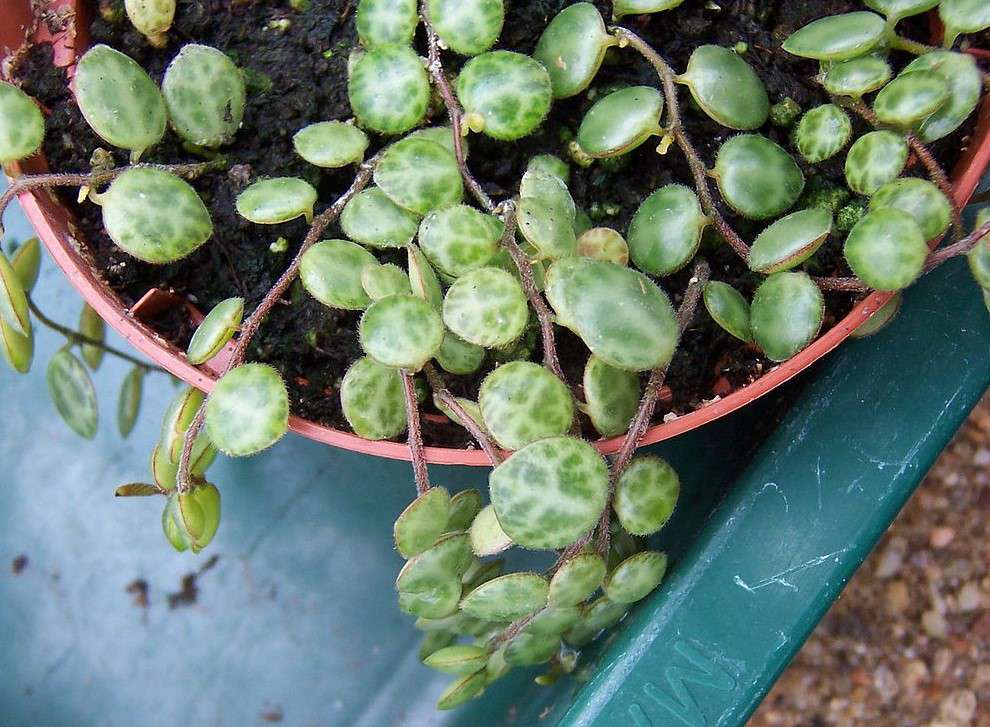
String of Turtles is the kind of houseplant that makes people stop mid-sentence and say, “Wait, are those tiny turtle shells?” Botanically known as Peperomia prostrata, this charming trailing plant has small, rounded leaves marked with silver, green, and deep emerald patterns that look uncannily like miniature turtle shells. It is cute, compact, and slightly dramaticbasically the houseplant version of a tiny celebrity wearing sunglasses indoors.
The good news: String of Turtles care is not impossible. The slightly less good news: this plant does not enjoy being treated like a cactus, a pothos, or a thirsty fern. It sits somewhere in the middle. It has semi-succulent leaves that store some moisture, but it also comes from a humid tropical environment and prefers a gentle, consistent routine. Give it bright indirect light, airy soil, careful watering, and a little humidity, and it can reward you with beautiful trailing vines that look perfect in hanging baskets, shelf edges, plant cabinets, and terrariums.
This complete guide explains how to grow and care for String of Turtles indoors, including light, water, soil, temperature, humidity, fertilizer, pruning, propagation, pest control, and real-life experience tips for keeping those turtle-shell leaves looking crisp and patterned.
What Is String of Turtles?
String of Turtles is a small trailing houseplant in the Peperomia genus, part of the Piperaceae family. Unlike large vining plants that take over your bookcase by the weekend, this one is a slow grower. Its delicate stems usually trail gracefully rather than stampeding across the room. Mature vines often reach around 12 inches long, though happy plants can eventually grow fuller and longer with time.
The plant’s main attraction is its foliage. Each tiny leaf is round to oval, slightly thick, and decorated with a marbled pattern. Young leaves often show the strongest markings, while older leaves can become darker and more subtle. When the plant receives enough light, the pattern stays clearer. When light is too low, the leaves may become smaller, greener, and spaced farther apart. That is the plant’s polite way of saying, “Excuse me, I ordered brightness.”
String of Turtles Care at a Glance
- Botanical name: Peperomia prostrata
- Common names: String of Turtles, Trailing Peperomia
- Plant type: Tropical semi-succulent houseplant
- Light: Bright, indirect light
- Water: Let the top layer of soil dry before watering
- Soil: Light, airy, well-draining potting mix
- Humidity: Average to moderately high indoor humidity
- Temperature: Warm, stable room temperatures
- Growth rate: Slow to moderate indoors
- Pet note: Often listed as non-toxic, but pets should still be discouraged from chewing it
Best Light for String of Turtles
String of Turtles grows best in bright, indirect light. Think of the light you would find near an east-facing window, a few feet back from a bright south-facing window, or beside a west-facing window with a sheer curtain. It wants brightness without harsh direct sun baking its delicate leaves.
Too much direct sunlight can fade, scorch, or dry the leaves. Too little light causes a different problem: leggy growth. The stems stretch, the gaps between leaves become longer, and the turtle-shell pattern may fade into a dull green. If your plant starts looking like it is reaching desperately toward the window, it probably needs more light.
Best Window Placement
An east-facing window is often ideal because it offers gentle morning light. A north-facing window can work if it is bright enough, especially during summer. For west- or south-facing windows, use distance or a sheer curtain to soften the sun. If your home is dim, a small LED grow light can help keep the plant compact and patterned.
Do Not Forget the Top of the Pot
Here is a common mistake: placing String of Turtles high on a shelf where the trailing vines receive light but the crown of the plant sits in shadow. New growth comes from the top, so the top needs light too. If the pot surface is dark all day, the plant may stop filling in and start looking bald. Rotate the pot every week or two so all sides get a fair chance to shine.
How to Water String of Turtles
Watering is where many String of Turtles plants meet their tragic, soggy end. This plant likes moisture, but it does not like wet feet. Its fine roots are delicate, and consistently wet soil can lead to root rot, mushy stems, and dropping leaves.
The best rule is simple: water when the top portion of the potting mix feels dry. In many homes, that may be every 10 to 14 days during active growth, but the exact schedule depends on light, pot size, humidity, temperature, and soil mix. In winter, when growth slows and light levels drop, the plant may need water far less often.
How to Water Correctly
When it is time to water, water thoroughly until excess moisture drains from the bottom of the pot. Then let the pot drain completely. Never allow the plant to sit in a saucer of water. A pot with drainage holes is not optional; it is the difference between “thriving plant” and “tiny swamp with leaves.”
Some growers prefer bottom watering because it helps moisture reach the roots without soaking the delicate foliage. To bottom water, place the pot in a shallow container of water for 15 to 25 minutes, then remove it and let it drain. This method works well if the soil is airy and the pot is not oversized.
Signs of Overwatering
- Soft, mushy leaves
- Yellowing leaves
- Blackened or collapsing stems
- A sour smell from the soil
- Leaves dropping even though the soil is wet
Signs of Underwatering
- Wrinkled or thinner leaves
- Dry, crispy edges
- Soil pulling away from the pot
- Leaves feeling less plump than usual
If you are unsure, wait another day and check again. String of Turtles usually forgives slight dryness more easily than constant sogginess.
Best Soil for String of Turtles
String of Turtles needs a potting mix that holds a little moisture but drains quickly. Standard houseplant soil alone may stay wet too long, while a gritty cactus mix alone may dry out too fast and lack enough organic matter. The sweet spot is light, airy, and slightly moisture-retentive without becoming heavy.
Simple DIY Soil Mix
A good homemade mix can include:
- 2 parts high-quality indoor potting mix
- 1 part perlite or pumice
- 1 part orchid bark or fine bark chips
This blend gives roots oxygen, prevents compaction, and helps excess water escape. If your home is very dry, you can use slightly more potting mix. If your home is humid or your plant sits in lower light, increase the perlite or bark to improve drainage.
Choosing the Right Pot
String of Turtles has a shallow, delicate root system, so it does not need a large container. In fact, an oversized pot can be dangerous because extra soil holds extra water. Choose a small pot with drainage holes, and size up only when the roots have clearly filled the container.
Terracotta pots dry faster and can be helpful for heavy-handed waterers. Plastic or glazed ceramic pots retain moisture longer, which may work better in dry homes. The best pot is not the fanciest one; it is the one that matches your watering habits. Your plant does not care if the pot is Instagram-famous. It cares if its roots can breathe.
Temperature and Humidity
String of Turtles prefers warm, stable indoor temperatures. Average household temperatures are usually fine, especially between about 65°F and 80°F. Avoid cold drafts, open winter windows, air-conditioning blasts, and hot radiator tops. Sudden temperature stress can cause leaf drop and slow growth.
Humidity is helpful, but the plant does not need rainforest conditions to survive. Average home humidity can work, though growth may improve with moderate humidity around 50% or higher. A small humidifier is more effective than misting. Misting raises humidity only briefly and can leave moisture sitting on leaves, which may increase the risk of fungal issues if airflow is poor.
Fertilizing String of Turtles
String of Turtles is not a heavy feeder. During spring and summer, feed once a month with a balanced liquid houseplant fertilizer diluted to half strength. Too much fertilizer can burn roots or encourage weak growth, so resist the urge to turn feeding into a buffet.
Stop or reduce fertilizing in fall and winter when the plant naturally slows down. Fertilizing a plant that is not actively growing is like handing someone a sandwich while they are asleep: technically generous, but not very useful.
Pruning and Grooming
Pruning helps keep String of Turtles full and tidy. Trim leggy, damaged, or bare stems with clean scissors. You can also pinch back long vines to encourage branching near the crown. Do not throw away healthy cuttings; they are perfect for propagation.
Because the leaves are small and delicate, groom gently. Remove dead leaves from the soil surface so they do not hold moisture against the stems. If dust collects on the foliage, use a soft brush or a gentle puff of air rather than wiping aggressively.
How to Propagate String of Turtles
String of Turtles propagation is one of the most satisfying parts of growing this plant. It can be propagated by stem cuttings in soil, sphagnum moss, or water, though soil propagation is often easiest because the fine roots do not need to transition from water to potting mix later.
Soil Propagation Method
- Cut a healthy vine with several leaves and nodes.
- Lay the cutting on top of lightly moist, well-draining soil.
- Gently press the nodes against the soil surface.
- Place the pot in bright, indirect light.
- Keep humidity slightly higher while roots form.
- Keep the soil barely moist, not wet.
Roots usually form from the nodes where leaves meet the stem. You can use a clear cover or propagation box to maintain humidity, but open it regularly for airflow. Once you see new growth, gradually reduce humidity and treat the cutting like a young plant.
Water Propagation Method
Water propagation can work, but the stems are thin and may rot if too much foliage sits below the waterline. Place only the nodes or cut end in water, change the water regularly, and move the cutting into soil once roots are small but visible. Do not wait until the roots become long and tangled; tiny roots adapt better.
Common Problems and How to Fix Them
Leaves Are Falling Off
Leaf drop is often related to watering stress. If the soil is wet, check for overwatering and root rot. If the soil is bone dry and the leaves are wrinkled, the plant may need a thorough drink. Also check for cold drafts or sudden changes in location.
Leaves Are Losing Their Pattern
Faded or plain green leaves usually mean the plant needs more light. Move it closer to a bright window or add a grow light. Avoid direct midday sun, which can bleach or burn leaves.
Stems Are Bare Near the Top
A bare crown often happens when the top of the pot receives too little light or stays too wet. Move the plant where light reaches the soil surface, prune leggy vines, and propagate cuttings back into the pot to create a fuller look.
Leaves Are Mushy
Mushy leaves are a red flag for too much moisture. Stop watering, inspect the roots, remove rotting stems, and repot into fresh airy soil if needed. Save healthy cuttings as insurance.
Pests Are Appearing
String of Turtles may attract common houseplant pests such as mealybugs, spider mites, fungus gnats, and whiteflies. Inspect the undersides of leaves and the tight spaces near stems. Treat early with insecticidal soap or horticultural oil, following label directions carefully. Isolate the plant until the problem is under control.
Is String of Turtles Pet Safe?
String of Turtles, or trailing peperomia, is widely listed as non-toxic to cats and dogs by pet-safety plant references. However, “non-toxic” does not mean “snack bar.” Pets that chew houseplants may still experience mild stomach upset, and they can damage delicate vines quickly. Keep the plant out of reach if you have curious cats, dogs, rabbits, or tiny plant criminals with whiskers.
Where to Display String of Turtles
This plant looks beautiful in hanging baskets, shallow pots, terrariums, and shelf displays. Because it grows slowly and stays compact, it is excellent for apartments, offices, small bedrooms, and plant cabinets. It pairs especially well with other small tropical plants that enjoy similar conditions, such as compact Peperomia varieties, small ferns, and jewel orchids.
Avoid placing it in dark corners only because it looks cute there. Interior design is important, but plant survival is also a vibe. Choose a spot where the plant gets bright indirect light and where you can easily check the soil before watering.
Seasonal Care Tips
Spring
Spring is the best time to prune, propagate, and refresh the plant. As light increases, new growth usually appears. Begin monthly diluted feeding if the plant is actively growing.
Summer
Monitor watering more often, especially if your home is warm and bright. Keep the plant away from harsh direct sun. Humidity may be naturally higher, which String of Turtles often appreciates.
Fall
Growth begins to slow as daylight decreases. Reduce fertilizer and check soil more carefully before watering. Rotate the pot to keep growth even.
Winter
Water less often in winter. Keep the plant away from cold windows and heating vents. If growth becomes leggy, consider a grow light to maintain compact vines and strong leaf patterns.
Personal Experience: What Growing String of Turtles Teaches You
Growing String of Turtles is a little like learning to care for a tiny, leafy introvert. It does not scream for attention like a peace lily dramatically fainting on the windowsill, and it does not shrug off everything like a snake plant sitting in a dark hallway for three years. Instead, it gives subtle signals. The leaves get softer. The vines stretch. The pattern fades. The top thins out. Once you learn to notice those small clues, the plant becomes much easier to understand.
One of the biggest lessons is that watering by calendar can be risky. A String of Turtles in a small terracotta pot near a bright east window may dry out quickly. The same plant in a glazed ceramic pot on a dim shelf may stay damp for much longer. This is why the finger test, pot weight test, or even a wooden skewer can be more reliable than deciding that “Saturday is watering day.” The plant does not know it is Saturday. It only knows whether its roots are comfortable.
Another experience many growers share is the importance of light hitting the crown. At first, it is tempting to place the plant high on a shelf so the vines can trail down like a botanical waterfall. That can look gorgeous, but if the top of the plant sits in shadow, it may slowly become thin and bare. A better setup is a shelf near a window, a hanging planter close to bright filtered light, or a small grow light aimed at the top of the pot. Once the crown receives enough light, new leaves are more likely to fill in.
Propagation is also a confidence booster. If a vine gets too long or scraggly, trimming it can feel scary the first time. But those cuttings are not waste; they are future plants. Laying cuttings back onto the soil surface is one of the easiest ways to make the original pot look fuller. It may take patience because String of Turtles is not a speed demon, but the payoff is worth it. New roots quietly form, new growth appears, and suddenly the pot looks less like a few spaghetti strands and more like a lush turtle parade.
Humidity can help, but it should not become an obsession. Many growers successfully keep String of Turtles in normal household humidity, especially when watering and light are balanced. A humidifier can improve growth in dry rooms, but constantly misting the leaves is not always helpful. In a room with poor airflow, wet foliage may invite problems. The better strategy is steady humidity, good air movement, and soil that never stays soggy.
Finally, String of Turtles teaches patience. This is not the plant to buy if you want jungle drama by next Thursday. It grows slowly, and that is part of its charm. You notice small changes: a new leaf, a longer strand, a brighter pattern, a cutting that finally roots. Caring for it becomes less about forcing fast growth and more about creating steady conditions. Give it light, let it breathe, water with restraint, and avoid fussing with it every five minutes. In return, it will become one of the most delightful small trailing plants in your collectionquiet, quirky, and ridiculously photogenic.
Conclusion
String of Turtles is a beautiful, compact trailing houseplant that rewards careful attention rather than constant fussing. The key to success is balance: bright indirect light, a small pot with drainage, airy soil, moderate humidity, and watering only when the top of the mix has dried. Avoid harsh sun, oversized pots, soggy soil, and dark shelves where the crown receives no light.
For beginners, this plant may take a little practice, but it is absolutely worth growing. Once you understand its rhythm, String of Turtles becomes a charming, low-profile houseplant with high visual impact. Its patterned leaves bring texture, personality, and a tiny bit of turtle-themed joy to any indoor plant collection.
Note: This article is written as original web-ready content based on real horticultural guidance and practical indoor plant-care experience.