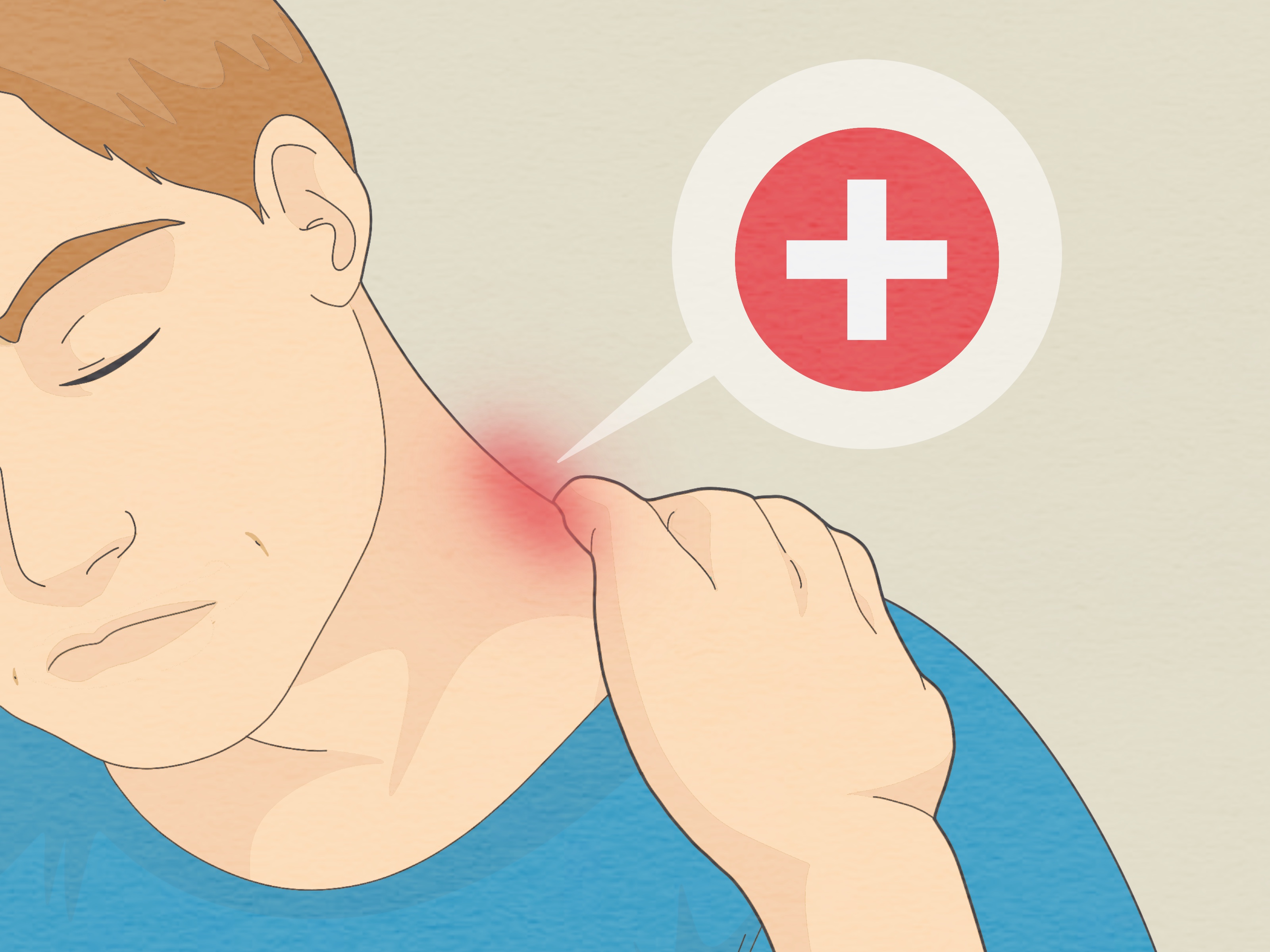
Neck pain has a sneaky talent for ruining ordinary moments. One minute you are answering emails, scrolling your phone, or sleeping peacefully like a responsible adult; the next, you turn your head and your neck says, “Absolutely not.” Whether it feels like a stiff rubber band, a dull ache, or a sharp pinch when you look over your shoulder, neck pain can make simple thingsdriving, working, reading, even nodding politelyfeel like an Olympic event.
The good news: most mild neck pain improves with simple self-care, smarter posture, gentle movement, and a few lifestyle adjustments. The even better news: you do not need to wrap yourself in bubble wrap or swear off screens forever. You just need to understand what your neck is asking for: less strain, more movement, better support, and fewer marathon sessions hunched over like a shrimp with Wi-Fi.
This guide explains how to fix neck pain with practical, evidence-informed tips for immediate relief and long-term prevention. It covers what to do today, what habits to change this week, which stretches may help, and when neck pain deserves medical attention.
Why Neck Pain Happens in the First Place
Your neck is a compact but hardworking structure made of bones, muscles, ligaments, joints, discs, and nerves. It supports your head, helps you look around, and quietly absorbs the consequences of your daily habits. When everything is aligned and moving well, you barely notice it. When something gets irritated, tight, strained, or inflamed, your neck makes sure you receive the memo.
Common Causes of Neck Pain
Most neck pain is related to everyday mechanical stress rather than a serious condition. Common triggers include poor posture, long hours at a desk, looking down at a phone, sleeping in an awkward position, muscle strain, stress-related tension, sudden movements, heavy bags, or repetitive work. Aging can also contribute because discs and joints in the cervical spine naturally change over time.
Sometimes neck pain comes with shoulder tightness, headaches, upper back discomfort, or reduced range of motion. That does not automatically mean something scary is happening. It often means the muscles around your neck and shoulders are overworked, under-recovered, or stuck in a position they were never meant to hold for six hours straight.
How to Fix Neck Pain Fast: Immediate Relief Tips
When your neck hurts right now, the goal is not to “push through” like a motivational poster with questionable medical advice. The goal is to calm irritation, restore comfortable movement, and avoid making the problem worse.
1. Use Ice or Heat the Smart Way
For new neck pain, especially after a strain or sudden tweak, ice can help reduce soreness and calm the area. Apply a cold pack wrapped in a towel for about 10 to 15 minutes at a time. Do not place ice directly on the skin unless you enjoy adding “freezer burn” to your list of problems.
After the first day or two, or when the pain feels more like stiffness and muscle tightness, heat may feel better. A warm shower, heating pad on a low setting, or warm towel can relax tight muscles and improve comfort. Avoid falling asleep with a heating pad, because your neck wants relief, not slow-roasted drama.
2. Keep Moving, But Keep It Gentle
Complete bed rest is rarely the best answer for routine neck pain. Gentle motion helps prevent stiffness and encourages normal function. Try slowly turning your head left and right, nodding slightly up and down, and tilting one ear toward one shoulder. Keep each movement smooth and pain-free.
The rule is simple: movement should feel like a gentle stretch or mild stiffness, not a lightning bolt. If a motion causes sharp pain, numbness, tingling, or symptoms down the arm, stop and consider getting medical advice.
3. Try Over-the-Counter Pain Relief Carefully
For short-term discomfort, some people use over-the-counter pain relievers such as acetaminophen or nonsteroidal anti-inflammatory drugs. These can help reduce pain enough to let you move normally. Always follow the label directions and avoid combining medications unless a healthcare professional has told you it is safe.
This matters because pain medicine is not candy, even if the bottle is small and sits next to the toothpaste. People with stomach ulcers, kidney disease, liver disease, blood pressure concerns, blood thinner use, pregnancy, or other health conditions should ask a clinician before using pain relievers.
4. Give Your Neck a Break From the Pain Position
Notice the position that makes your neck angry. Is your laptop too low? Are you looking down at your phone? Are you sleeping with two pillows stacked like a hotel towel display? Neck pain often improves when you stop repeatedly returning to the position that triggered it.
Bring screens closer to eye level, relax your shoulders, keep your chin slightly tucked, and avoid cradling your phone between your ear and shoulder. That phone posture may feel efficient, but your neck files it under “unpaid overtime.”
5. Massage the Surrounding Muscles
Gentle self-massage can help ease tight neck and shoulder muscles. Use your fingertips to apply light pressure to the upper shoulders, base of the skull, and sides of the neck. Keep the pressure comfortable and avoid pressing directly on the front of the neck or spine.
A tennis ball against the wall can also help release tight upper-back muscles. Place the ball between your shoulder blade area and the wall, then slowly move your body to massage sore spots. Keep it gentle. You are trying to persuade the muscle, not interrogate it.
Best Gentle Exercises for Neck Pain Relief
Neck stretches and strengthening exercises can help restore mobility and reduce future flare-ups. Start slowly, especially if your neck is irritated. If you have a known injury, nerve symptoms, recent trauma, or severe pain, check with a healthcare professional before beginning exercises.
Chin Tucks
Sit or stand tall. Look straight ahead. Gently draw your chin backward as if making a “double chin.” Keep your eyes level and avoid looking down. Hold for three to five seconds, then relax. Repeat 5 to 10 times.
Chin tucks help strengthen the deep neck muscles that support better posture. They are especially useful for people with forward-head posture from computer or phone use.
Neck Rotation
Sit upright with shoulders relaxed. Slowly turn your head to the right as far as comfortable, then return to center. Repeat to the left. Do 5 repetitions per side.
This exercise helps maintain range of motion. Move like you are checking for traffic, not like you just heard gossip behind you.
Upper Trapezius Stretch
Sit tall. Let your right ear move gently toward your right shoulder. Keep both shoulders relaxed. Hold for 15 to 20 seconds, then switch sides. Do not yank your head with your hand. A light stretch is enough.
This targets the upper trapezius, a muscle that often gets tight when stress, desk posture, or shoulder tension builds up.
Levator Scapulae Stretch
Turn your head about 45 degrees to the right, then gently angle your nose downward toward your armpit. You should feel a stretch along the back and side of the neck. Hold 15 to 20 seconds, then switch sides.
This can be helpful when pain sits near the top inner corner of the shoulder blade or when turning the head feels restricted.
Shoulder Blade Squeezes
Sit or stand with arms relaxed. Gently squeeze your shoulder blades together as if trying to hold a pencil between them. Hold for five seconds, then release. Repeat 8 to 12 times.
Strong upper-back muscles help reduce neck overload. Your neck should not have to do every job just because your shoulders went on vacation.
Fix Your Workspace Before Your Neck Starts a Protest
Ergonomics sounds fancy, but it really means arranging your environment so your body does not have to suffer through bad design. A few desk changes can make a major difference.
Set Your Screen at Eye Level
Your monitor should be high enough that you can look straight ahead without dropping your chin. If you use a laptop, consider a laptop stand or a stack of sturdy books, paired with an external keyboard and mouse. Yes, your laptop may look like it is standing on a tiny stage. Let it have its moment.
Keep Your Feet and Back Supported
Sit with feet flat on the floor, hips and knees roughly at 90 degrees, and your lower back supported. Avoid perching on the edge of the chair for hours. That posture may feel productive, but your spine is quietly drafting a complaint letter.
Move Every 30 to 60 Minutes
No posture is perfect forever. Even “good posture” becomes uncomfortable if you freeze in it long enough. Stand up, walk around, roll your shoulders, or do a few gentle chin tucks. Microbreaks help reduce muscle fatigue and prevent the slow buildup of tension.
Phone Habits That Help Prevent Tech Neck
Tech neck happens when you repeatedly bend your head forward to look at a screen. Your head is heavy, and the farther it drifts forward, the harder your neck muscles have to work. Over time, that can lead to stiffness, aching, headaches, and upper-back tension.
Raise the Phone, Not Your Shoulders
Hold your phone closer to eye level when reading or texting. This may feel dramatic at first, like you are presenting your phone to a tiny royal court, but it reduces the need to bend your neck downward.
Use Voice Features When Possible
Voice-to-text, audio messages, and phone stands can reduce prolonged bending. You do not need to abandon your phone; just stop letting it turn your neck into a question mark.
Take Scroll Breaks
Set a casual rule: after a few minutes of scrolling, look up, reset your posture, and move your shoulders. Your neck does not know whether you are reading breaking news or watching a raccoon steal cat food. It only knows the angle.
Sleep Tips for Neck Pain Prevention
Sleep should be recovery time, not an eight-hour neck wrestling match. The right pillow and position can reduce morning stiffness.
Choose a Supportive Pillow
A good pillow keeps your neck aligned with the rest of your spine. If your pillow is too high, your neck bends upward. If it is too flat, your neck may sag. Back sleepers often do well with a thinner pillow that supports the natural curve of the neck. Side sleepers usually need enough height to keep the head level with the spine.
Avoid Sleeping on Your Stomach
Stomach sleeping often forces the neck to rotate to one side for long periods. If you wake up with stiffness, this position may be part of the problem. Try sleeping on your back or side instead.
Do a Gentle Wind-Down Stretch
Before bed, try gentle neck rotations, shoulder rolls, and slow breathing. This can help reduce muscle tension from the day. Keep it relaxing, not intense. Bedtime is not the moment to audition for a circus flexibility act.
Stress and Neck Pain: The Sneaky Connection
Stress often shows up in the neck and shoulders. Many people unconsciously tighten their jaw, raise their shoulders, or brace their upper body when anxious, busy, or overwhelmed. Over time, those muscles can become sore and guarded.
Simple stress tools can help: slow breathing, short walks, regular exercise, hydration, better sleep, and brief relaxation breaks. Even unclenching your jaw and dropping your shoulders several times a day can make a difference.
Try this quick reset: inhale slowly through your nose, exhale longer than you inhale, relax your jaw, let your shoulders drop, and imagine your neck getting one inch taller. It takes less than 30 seconds and does not require incense, a mountain retreat, or a personality transplant.
What Not to Do When Your Neck Hurts
Some common reactions can make neck pain linger longer. Avoid aggressive stretching, sudden cracking, heavy lifting through pain, or staying completely still for days. Also avoid using a soft cervical collar unless a clinician recommends it. Too much immobilization can weaken muscles and delay normal movement.
Do not ignore symptoms that travel into the arm, especially numbness, tingling, weakness, or loss of coordination. Those may suggest nerve irritation and deserve professional evaluation.
When to See a Doctor for Neck Pain
Most mild neck pain improves with self-care. However, some symptoms should not be ignored. Seek medical care promptly if neck pain follows a fall, car accident, sports injury, or blow to the head or neck. Also get help if pain is severe, worsening, or does not improve after about a week of home care.
Call a healthcare professional if you have numbness, tingling, weakness in the arm or hand, trouble walking, balance problems, fever, unexplained weight loss, swollen glands, difficulty swallowing or breathing, pain that wakes you at night, or loss of bladder or bowel control. These symptoms do not mean you should panic, but they do mean your neck needs more than a warm towel and optimism.
Long-Term Prevention: How to Keep Neck Pain From Coming Back
Preventing neck pain is usually about consistency, not perfection. You do not need a luxury ergonomic chair, a personal physical therapist, and a pillow blessed by posture monks. You need better daily habits repeated often enough to matter.
Build Strength Around the Neck and Upper Back
Weak upper-back and shoulder muscles can make the neck work harder than it should. Add gentle strengthening exercises such as shoulder blade squeezes, rows, wall angels, and chin tucks. If pain is chronic or recurring, a physical therapist can design a personalized plan.
Exercise Regularly
Walking, swimming, cycling, yoga, Pilates, and resistance training can support better posture, circulation, mobility, and stress control. The best exercise is the one you can do consistently without aggravating symptoms.
Adjust Bags and Backpacks
Carrying a heavy bag on one shoulder can pull your neck and upper back out of balance. Use both backpack straps, lighten the load, or switch sides regularly. Your purse, gym bag, or backpack should not feel like you are transporting bricks for a secret construction project.
Hydrate and Support Recovery
Muscles and joints function better when your overall health is supported. Drink enough water, eat balanced meals, get adequate sleep, and manage stress. These basics sound boring because they work. Health advice often lacks fireworks, but your neck is not asking for fireworks. It is asking for maintenance.
Real-Life Experience: What Neck Pain Teaches You the Hard Way
Neck pain has a way of turning ordinary habits into suspicious characters. The laptop on the kitchen table? Suspicious. The old pillow you have loved since 2017? Very suspicious. The “quick” phone check that becomes 47 minutes of scrolling? Practically caught at the scene.
One common experience is waking up with a stiff neck and immediately blaming sleep. Sometimes that is fair. A poor pillow or awkward position can absolutely cause morning stiffness. But often the real story started the day before: hours at the computer, shoulders creeping toward the ears, no movement breaks, stress building up, and then sleep simply finished the job. The pillow gets blamed, but the whole day was involved.
Another familiar scenario is the desk-work neck flare. You sit down planning to be productive. Three hours later, your head is forward, your upper back is rounded, your jaw is tight, and your shoulders have moved into your ears like unwanted tenants. When you finally stand up, your neck feels locked. In that moment, the solution is rarely one magic stretch. It is a pattern reset: raise the screen, relax the shoulders, take breaks, strengthen the upper back, and stop treating your body like office furniture.
Phone-related neck pain is another modern classic. Many people do not notice how far down they look until their neck starts complaining. A useful trick is to watch your shadow or reflection while using your phone. If your head is hanging forward, bring the phone higher. At first, this feels oddly formal, as if you are about to read a royal decree from your messages. But after a few days, it becomes normaland your neck may thank you by not staging a rebellion.
People who deal with recurring neck tension often discover that stress management matters more than expected. You can have a perfect chair and still clench your jaw through an entire workday. You can own the fanciest pillow in the store and still wake up sore if your shoulders stayed tense until midnight. A two-minute breathing break, a short walk, or simply dropping the shoulders several times a day can help prevent tension from hardening into pain.
The biggest lesson from neck pain is that relief usually comes from small actions done repeatedly. One stretch helps a little. One heat session helps a little. One posture correction helps a little. But the real improvement comes when those little actions become your normal routine. Neck pain prevention is not glamorous. It is not a dramatic movie montage. It is more like brushing your teeth: simple, repetitive, and much easier than dealing with the consequences of ignoring it.
Finally, neck pain teaches respect for warning signs. Most stiffness is harmless and temporary, but pain with weakness, numbness, trauma, fever, balance issues, or symptoms that keep worsening should be checked. Being sensible is not overreacting. It is the difference between self-care and stubbornness wearing a tiny cape.
Conclusion
Learning how to fix neck pain starts with understanding what your neck needs most: gentle movement, reduced strain, better posture, supportive sleep, stress control, and smart recovery. For immediate relief, try ice or heat, easy range-of-motion exercises, careful over-the-counter pain relief when appropriate, and small changes to your screen and phone habits. For prevention, focus on daily movement, upper-back strength, ergonomic improvements, and sleep support.
Most mild neck pain improves with consistent self-care, but do not ignore severe, worsening, or nerve-related symptoms. Your neck is strong, but it is not invincible. Treat it less like a coat hanger for your head and more like the hardworking support system it is.
Note: This article is for general educational purposes and is not a substitute for medical diagnosis or treatment. Anyone with severe, persistent, injury-related, or nerve-related neck pain should contact a qualified healthcare professional.