An intense itch in a highly inconvenient location can make anyone reach for the nearest search engine and type, “Is this a yeast infection?” Unfortunately, the vagina does not send neatly labeled notifications. Itching could point to yeast, but it may also come from bacterial vaginosis, a sexually transmitted infection, an allergic reaction, hormonal changes, or simple irritation from that aggressively floral body wash.
You cannot definitively diagnose a vaginal yeast infection at home. A confirmed diagnosis may require an examination and laboratory testing of vaginal fluid. However, you can review your symptoms, identify warning signs, consider your recent health history, and decide whether self-treatment is reasonable or professional testing is the safer choice.
This complete guide explains how to evaluate possible yeast infection symptoms at home without treating guesswork as laboratory science.
What Is a Vaginal Yeast Infection?
A vaginal yeast infection, medically known as vulvovaginal candidiasis, develops when Candida yeast grows excessively in the vagina. Small amounts of yeast can normally be present without causing trouble. Symptoms begin when the usual balance among yeast, bacteria, hormones, moisture, and other factors changes.
Yeast infections are common and generally treatable. They are not usually classified as sexually transmitted infections, although sexual activity can sometimes contribute to irritation or changes in the vaginal environment.
Factors that may increase the likelihood of a yeast infection include:
- Recent antibiotic use
- Pregnancy or hormonal changes
- Poorly controlled diabetes
- A weakened immune system
- Use of corticosteroids or immunosuppressive medicines
- Higher-estrogen hormonal contraception
- Douching or frequent use of irritating vaginal products
Still, many otherwise healthy people develop yeast infections without an obvious trigger. Sometimes Candida simply decides to throw an unauthorized house party.
Can You Really Diagnose a Yeast Infection at Home?
You can identify a pattern that is consistent with a yeast infection, especially if a healthcare professional previously confirmed the same symptoms. You cannot prove that yeast is the cause based on symptoms alone.
A healthcare professional may confirm vaginal candidiasis by examining vaginal discharge under a microscope, performing a fungal culture, or using another laboratory test. This matters because Candida can sometimes be present without causing symptoms. Finding yeast and proving that yeast is responsible for the current irritation are not always the same thing.
Home assessment should therefore answer two practical questions:
- Do the symptoms strongly resemble a previously confirmed uncomplicated yeast infection?
- Are there signs that another condition or a more serious infection may be involved?
Common Symptoms of a Vaginal Yeast Infection
Intense itching around the vulva
Strong itching is one of the most recognizable yeast infection symptoms. It may affect the vulva, the external genital area surrounding the vaginal opening, as well as the entrance to the vagina.
Yeast-related itching can range from distracting to “I would like to remove my underwear using telekinesis.” Scratching may temporarily feel satisfying, but it can worsen inflammation, damage delicate skin, and increase soreness.
Burning and irritation
A yeast infection may cause burning, tenderness, or a raw sensation. Burning may become more noticeable while urinating because urine touches inflamed external tissue. That differs somewhat from the deeper urinary urgency and bladder discomfort commonly associated with a urinary tract infection.
Redness and swelling
The vulva may appear red, swollen, irritated, or unusually sensitive. Severe inflammation can produce small cracks or irritated areas in the skin. Pronounced swelling, open sores, blisters, or rapidly worsening pain should be evaluated rather than automatically treated as yeast.
Thick, white, usually odorless discharge
The classic description is a thick, white, clumpy discharge resembling cottage cheese. It is generally not associated with a strong or unpleasant odor. The discharge may also be creamy or watery, however, and some people experience little or no noticeable change in discharge.
A strong fishy odor, gray discharge, or frothy yellow-green discharge is less typical of yeast and raises concern for another cause.
Pain during sex
Inflamed vaginal and vulvar tissues can make penetration painful or uncomfortable. Avoiding intercourse until symptoms resolve may reduce irritation. Some vaginal antifungal products can also weaken certain latex condoms or diaphragms, so read the product instructions carefully.
How to Check for a Possible Yeast Infection at Home
Step 1: Record exactly what you are experiencing
Before buying medication, write down the symptoms and when they began. Note the appearance, amount, consistency, and odor of any discharge. Record whether you have itching, external burning, urinary urgency, pelvic pain, bleeding, sores, fever, or pain during sex.
A symptom diary may sound overly formal for an itchy Tuesday evening, but it prevents important details from becoming lost in the discomfort.
Step 2: Look for the typical symptom cluster
A yeast infection becomes more likely when several characteristic symptoms occur together:
- Moderate or intense vulvar itching
- Redness, swelling, or external irritation
- Thick, white, clumpy, or creamy discharge
- Little or no unpleasant odor
- Burning when urine touches irritated external skin
- Discomfort during sexual activity
No single symptom is enough. Itching alone, for example, may result from soap, detergent, pads, tight clothing, eczema, shaving, vaginal dryness, or another infection.
Step 3: Review recent risk factors
Consider what changed during the days or weeks before symptoms appeared. Did you recently finish antibiotics? Are you pregnant? Has your blood sugar been running high? Did you switch laundry detergent, lubricant, menstrual products, or body wash? Are you taking steroids or medicines that suppress the immune system?
A recent course of antibiotics combined with intense itching and odorless white discharge supports the possibility of yeast. Symptoms that started immediately after using a new scented product may point more strongly toward contact irritation.
Step 4: Check for clues that suggest something else
Do not focus only on evidence that supports your first guess. Look actively for symptoms that do not fit.
| Possible cause | Common clues |
|---|---|
| Yeast infection | Strong itching, redness, swelling, thick white discharge, usually little odor |
| Bacterial vaginosis | Thin gray or white discharge and a noticeable fishy odor, especially after sex |
| Trichomoniasis | Frothy yellow-green discharge, unpleasant odor, irritation, spotting, or urinary discomfort |
| Urinary tract infection | Frequent or urgent urination, bladder pressure, and burning felt mainly while passing urine |
| Contact irritation | Symptoms after using new soap, detergent, pads, wipes, lubricant, spermicide, or fragrance |
| Genital herpes or another STI | Sores, ulcers, blisters, bleeding, pelvic pain, or symptoms after a new sexual exposure |
| Hormonal vaginal dryness | Dryness, burning, urinary symptoms, and painful sex, especially near or after menopause |
Step 5: Consider a home vaginal pH test carefully
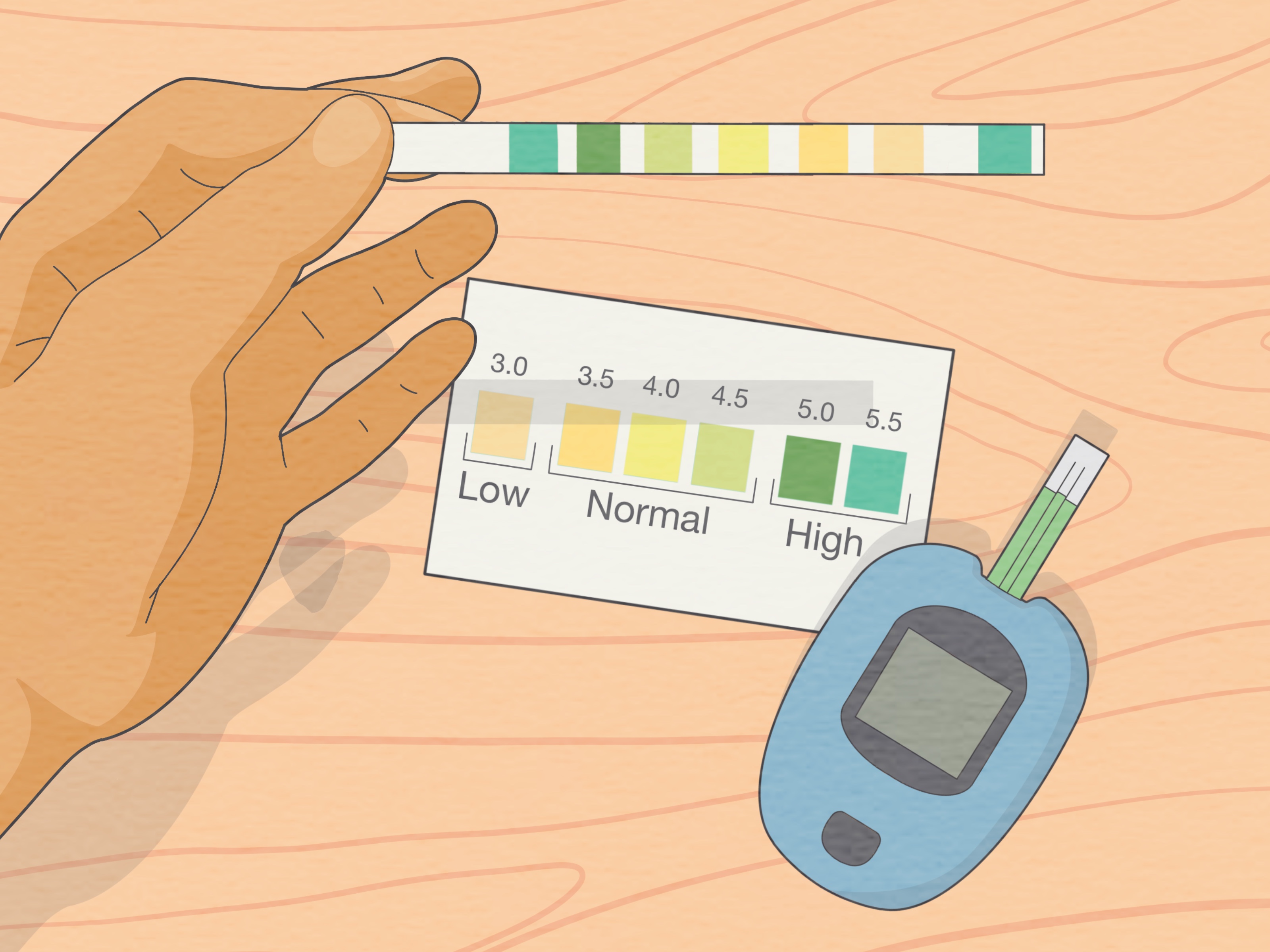
Home vaginal pH tests use a paper strip or swab that changes color after contact with vaginal fluid. They can provide a clue, but they do not identify the exact organism causing symptoms.
Vaginal yeast infections are commonly associated with a normal acidic vaginal pH, generally below 4.5. Bacterial vaginosis and trichomoniasis are more likely to raise vaginal pH. Therefore, an elevated result makes a simple yeast infection less likely and should prompt professional testing.
A normal pH result does not confirm yeast. It also does not rule out every infection. Blood, semen, menstrual fluid, recent intercourse, douching, and some vaginal products may affect the result. Follow the kit instructions exactly and treat the result as a clue, not a tiny cardboard gynecologist.
Step 6: Decide whether self-treatment is appropriate
Over-the-counter vaginal antifungal treatment may be reasonable when all of the following apply:
- A healthcare professional diagnosed a yeast infection in the past.
- The current symptoms closely match that confirmed episode.
- The symptoms are mild to moderate.
- There is no fever, pelvic pain, foul odor, bleeding, blistering, or unusual discharge color.
- You are not pregnant or medically high-risk without professional guidance.
- There has been no recent situation requiring STI testing.
Common nonprescription vaginal antifungals include products containing miconazole or clotrimazole. Treatment duration varies, so follow the package directions. Do not combine products, shorten a recommended course because symptoms improve, or repeatedly treat unexplained symptoms.
When You Should Not Diagnose or Treat Yourself
Contact a healthcare professional before self-treatment if:
- This is your first suspected yeast infection.
- You are pregnant or may be pregnant.
- You are younger than the minimum age listed on the medication label.
- You have diabetes, HIV, significant immune suppression, or another complex medical condition.
- You recently had a new sexual partner or possible STI exposure.
- Your discharge smells bad or appears green, yellow, gray, bloody, or frothy.
- You have pelvic, abdominal, back, or shoulder pain.
- You have fever, chills, nausea, or vomiting.
- You see sores, blisters, ulcers, or unexplained bleeding.
- Your symptoms are severe or keep returning.
- Treatment does not improve symptoms or symptoms return soon afterward.
Repeated infections deserve particular attention. Recurring symptoms may involve a different Candida species, antifungal resistance, uncontrolled blood sugar, dermatitis, hormonal changes, or an entirely different diagnosis.
How a Healthcare Professional Confirms the Diagnosis
A clinician usually begins by asking about symptoms, previous infections, medications, pregnancy, sexual history, recent antibiotics, diabetes, hygiene products, and attempts at treatment.
The evaluation may include an external examination and a pelvic exam. A sample of vaginal discharge can then be examined under a microscope. A fungal culture or molecular test may be ordered when symptoms are recurrent, severe, unusual, or unresponsive to standard treatment.
Professional evaluation is useful not because healthcare professionals possess magical yeast-detecting vision, but because several conditions produce nearly identical symptoms and require different treatments.
Home Remedies That Should Not Be Used as Diagnostic Tests
Yogurt
Eating yogurt and inserting yogurt into the vagina are very different activities. Yogurt on genital tissue cannot diagnose an infection, and flavored or sweetened products may increase irritation. Evidence does not support replacing established antifungal treatment with improvised yogurt therapy.
Garlic
Garlic belongs in pasta, not inside the vagina. Inserting raw garlic can cause irritation and does not provide a reliable diagnosis or proven treatment.
Vinegar and douching
Vinegar may burn already inflamed tissue, while douching can disrupt protective vaginal bacteria. Neither method can determine whether Candida is present. The vagina is self-cleaning and does not require an internal power wash.
Boric acid without professional guidance
Vaginal boric acid is sometimes recommended by clinicians for specific recurrent or non-albicans Candida infections. It should not be swallowed, may be dangerous if ingested, and is not appropriate during pregnancy. Do not use it as an experimental first response to undiagnosed symptoms.
Reducing Irritation While You Arrange Testing
While waiting for an appointment, wash the vulva gently with lukewarm water and avoid scrubbing. Stop using scented washes, sprays, wipes, bubble baths, deodorants, and douches. Wear breathable underwear and change out of wet workout clothes or swimsuits.
Avoid scratching and pause sexual activity if it increases pain. Do not insert leftover medication from a previous infection unless a clinician has told you to do so. Using antifungal medicine before testing may alter findings and make the actual cause harder to identify.
Practical Experiences: What Common Situations Can Teach You
The following illustrative experiences are composites based on common symptom patterns. They are not individual medical case reports, but they show why careful assessment matters.
Experience 1: The familiar post-antibiotic pattern
Imagine someone who completed antibiotics for a sinus infection five days ago. She develops strong vulvar itching, redness, and thick white discharge without a noticeable smell. A clinician confirmed a yeast infection with nearly identical symptoms the previous year.
This pattern makes uncomplicated yeast reasonably likely. The timing after antibiotics, characteristic itching, odorless clumpy discharge, and history of a confirmed infection all point in the same direction. Provided she is not pregnant, medically high-risk, or experiencing warning signs, following the label of an appropriate nonprescription antifungal may be reasonable.
The practical lesson is that previous confirmation matters. Recognizing a familiar, previously diagnosed pattern is more reliable than identifying one isolated symptom.
Experience 2: The “yeast infection” with a fishy odor
Another person notices mild irritation and increased discharge. She assumes yeast because vaginal discomfort apparently has only one diagnosis on social media. However, the discharge is thin and gray, with a fishy odor that becomes more noticeable after sex.
Those features are more suggestive of bacterial vaginosis than a typical yeast infection. An antifungal would not treat BV and could delay appropriate care. A vaginal pH test might show an elevated result, but professional evaluation would still be needed to determine the cause.
The lesson is simple: odor and discharge consistency matter. Strong odor is not a classic yeast feature and should not be casually ignored.
Experience 3: Burning that is actually product irritation
A third person develops external burning and itching shortly after switching to fragranced wipes and a heavily scented laundry detergent. There is no unusual discharge. The discomfort is strongest where the wipes contact the skin.
This could be contact dermatitis rather than infection. Stopping the new products and gently cleansing with water may help, but persistent or severe symptoms still warrant evaluation. Automatically applying antifungal cream could add another irritating ingredient to already unhappy skin.
The lesson is to review recent products before blaming yeast. Sometimes the culprit is not microscopic. Sometimes it is sitting on the bathroom shelf wearing a label that says “spring blossom.”
Experience 4: Repeated self-treatment without lasting relief
Consider someone who treats presumed yeast every month. Symptoms improve briefly and then return. At times there is itching; at other times the main problem is burning and painful sex. She continues buying antifungal treatments because each box promises relief.
Recurring or inconsistent symptoms require a proper examination. The cause might be recurrent candidiasis, but it could also be bacterial vaginosis, vulvar dermatitis, hormonal dryness, vulvodynia, or another condition. Laboratory testing may identify a less common Candida species that does not respond well to standard products.
The lesson is that repeated partial improvement does not confirm the original diagnosis. Some creams temporarily soothe irritated tissue even when yeast is not the cause. A treatment response is therefore not a perfect diagnostic test.
Experience 5: First-time symptoms after a new sexual partner
A final example involves itching, burning during urination, and unusual discharge after sex with a new partner. The person wants to treat yeast privately and avoid an awkward appointment.
Unfortunately, yeast, trichomoniasis, chlamydia, gonorrhea, herpes, and other conditions can share symptoms. Some STIs cause few or no symptoms, and untreated infections may lead to complications. Testing is more important than embarrassment, which healthcare professionals have seen in every imaginable form and probably before lunch.
The lesson is that sexual exposure changes the decision. When an STI is possible, do not rely on discharge photographs, online quizzes, or antifungal trial-and-error.
Conclusion
Learning how to diagnose a yeast infection at home really means learning how to assess the probability safely. Intense itching, vulvar redness, burning, and thick white odorless discharge create a pattern consistent with vaginal candidiasis. A normal vaginal pH can support the possibility, but no home pH test confirms yeast.
Self-treatment is most appropriate when you have previously received a professional diagnosis and the new symptoms are mild, typical, and free of warning signs. First-time symptoms, pregnancy, recurrent infections, unusual odor or discharge, sores, fever, pelvic pain, possible STI exposure, or unsuccessful treatment call for professional testing.
Your symptoms deserve the correct treatment, not merely the most convenient box in the pharmacy aisle.