Autumn has a talent for making ordinary life feel suspiciously cinematic. A quick walk becomes a “foliage excursion.” Soup is no longer lunch; it is an event requiring crusty bread, a large pot, and at least one photograph. Even sweeping the porch feels charming until the wind returns every leaf approximately eleven seconds later.
That is the magic behind our current obsessions with autumn happenings. Fall offers a brief, highly textured season filled with changing landscapes, local harvests, community festivals, cozy home rituals, outdoor adventures, and food that seems determined to hug you from the inside. The best part is that enjoying autumn does not require an expensive vacation or a house containing forty-seven decorative pumpkins. It simply requires noticing what is changing and making a little room for it.
Note: This original article synthesizes seasonal information and ideas from reputable U.S. organizations and publications, including the National Park Service, USDA, Smithsonian Institution, EPA, National Fire Protection Association, American Red Cross, Audubon, National Wildlife Federation, Library of Congress, Real Simple, Better Homes & Gardens, and Martha Stewart.
Why Autumn Becomes an Annual Obsession
Fall is appealing partly because it is temporary. Summer can stretch on until everyone is tired of sweating through their clothes, but peak autumn color may last only a few weeks. That limited window creates urgency. We want to catch the trees at their brightest, visit the orchard before the apples are picked over, and wear the good sweater before winter turns it into an inadequate piece of emotional support.
The changing leaves also give us a visible reminder that the season is moving. As days shorten and temperatures drop, chlorophyll breaks down in deciduous leaves, revealing yellow and orange pigments that were previously hidden. Red colors may develop through additional chemical changes involving sugars and pigments called anthocyanins. Weather and location influence the timing and intensity, which explains why one town can look like a postcard while another is still wearing summer green.
Psychologically, autumn also feels like a fresh start. Schools begin new terms, routines become more structured, and cooler weather makes neglected projects seem possible again. January may have resolutions, but fall has sharpened pencils, clean calendars, and the powerful illusion that we are about to become people who meal-prep.
Outdoor Autumn Happenings Worth Leaving the Couch For
Follow the Fall Colors Without Turning It Into a Military Operation
Leaf-peeping is one of the simplest autumn activities, whether it involves a national park, a scenic drive, a neighborhood trail, or a bench beneath the best tree in town. Fall color can appear from September through December in different parts of the United States, depending on elevation, climate, tree species, and local weather conditions. That variation makes checking regional foliage reports more useful than blindly choosing “the second weekend in October” because somebody’s aunt once had a beautiful trip then.
For a satisfying foliage outing, choose one main destination and one backup. Pack water, snacks, a charged phone, and clothing layers. Mountain temperatures can differ sharply from conditions in nearby valleys, and fall weather can shift quickly. The National Park Service also advises hikers to plan routes carefully, understand their limits, and prepare for unexpected conditions. In other words, bring a jacket even when the parking lot feels warm. The mountain does not care that the jacket clashes with your outfit.
Visit an Orchard, Farm Stand, or Pumpkin Patch
Apple picking and pumpkin patch visits remain popular because they combine food, scenery, and the opportunity to pretend we understand agriculture. Choose-your-own farms may also offer hayrides, corn mazes, cider, baked goods, farm animals, and local crafts. Arriving early often means cooler temperatures, smaller crowds, and a better selection.
Do not overlook farmers markets if a full farm trip is impractical. Autumn produce may include apples, beets, broccoli, Brussels sprouts, cabbage, carrots, cauliflower, cranberries, grapes, kale, pumpkins, sweet potatoes, and winter squash, although availability varies by region and growing conditions. A market visit can become an easy seasonal ritual: buy one familiar ingredient, one unfamiliar ingredient, and one pastry that was absolutely not on the list.
Watch the Seasonal Wildlife Shift
Fall is also migration season for many birds. Even a small park, shoreline, pond, or backyard may become a temporary stopover for species traveling toward wintering areas. Beginner birding does not require expensive binoculars or the ability to identify a warbler from three counties away. Start by observing size, shape, behavior, location, and sound. A bird identification app can help with the rest.
Your yard can participate in autumn, too. Leaving some fallen leaves in garden beds provides cover and habitat for insects and other wildlife. Dry leaves can also become useful “brown” material in a compost pile. This is excellent news for anyone who has always suspected that aggressive raking is a conspiracy invented by the lawn-bag industry. Keep walkways clear for safety, but consider allowing less visible corners to remain naturally layered.
Creating a Cozy Fall Home Without Buying an Entire New Home
Change Textures Before Changing Everything Else
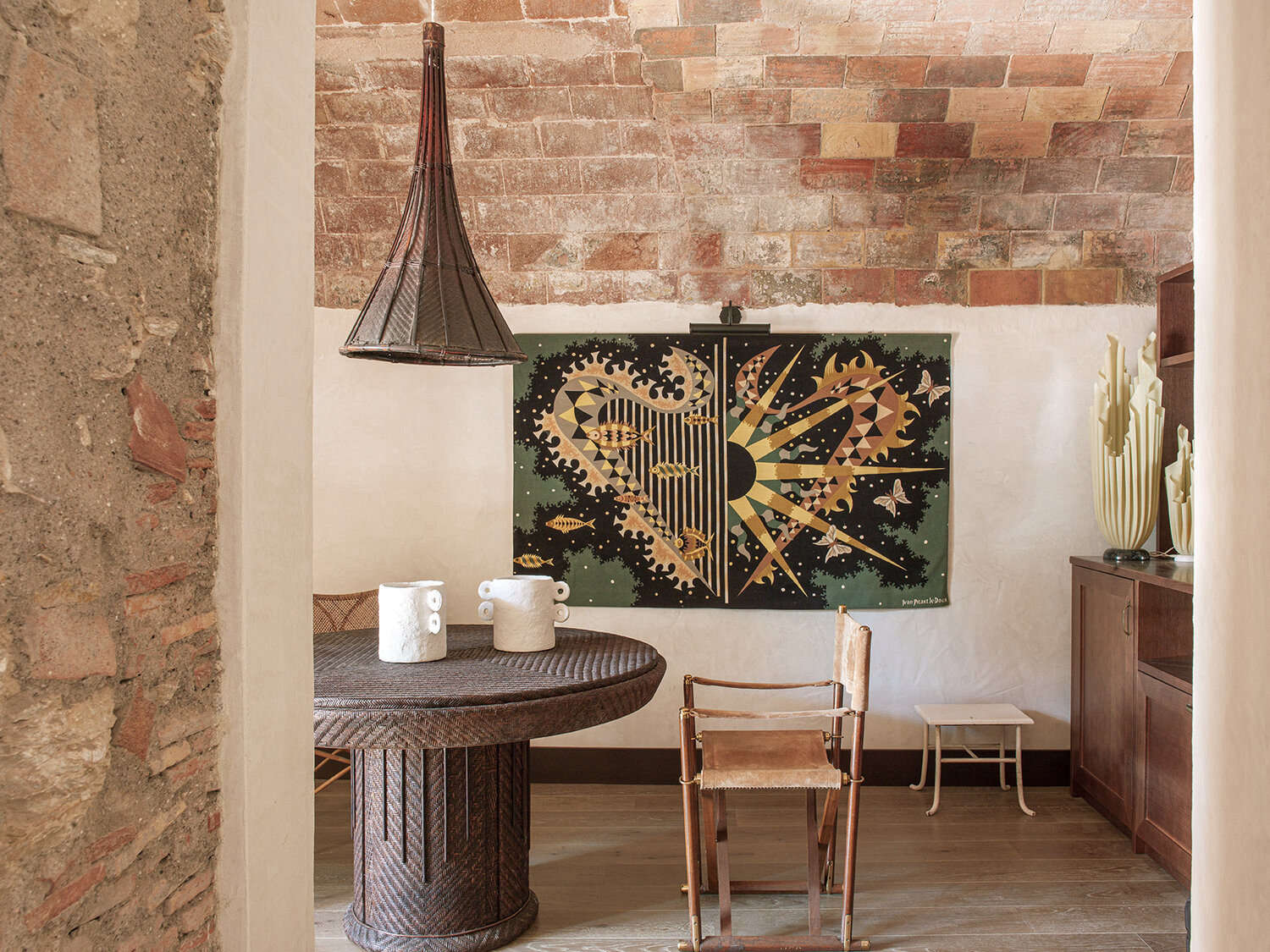
The easiest fall decorating ideas are usually swaps rather than additions. Replace lightweight pillow covers with velvet, brushed cotton, wool, or other textured fabrics. Fold a throw blanket over the sofa. Bring out a warmer duvet. Add a small rug beside the bed. These changes make a room feel seasonal without filling every available surface with objects labeled “harvest.”
Warm lighting is equally effective. Table lamps, small cordless lamps, and dimmable fixtures create softer pools of light as evenings arrive earlier. Candles can add atmosphere, but flameless versions are useful in homes with pets, children, flowing curtains, or adults who forget things immediately after leaving the room. Designers frequently recommend layered lighting, natural accents, cozy textiles, and small seasonal color changes rather than a total decorative overhaul.
Let Nature Handle the Decorating Budget
Branches, pinecones, acorns, dried grasses, evergreen sprigs, and colorful fallen leaves can become simple autumn décor. Fill a tall vase with branches, arrange miniature pumpkins down the center of a table, or press leaves for framed artwork. Natural displays often look more sophisticated when they are slightly restrained. Three interesting gourds can be charming. Thirty-seven gourds may suggest that the house has been overtaken by a very polite squash militia.
Foraged materials should be gathered responsibly. Use items that have already fallen, avoid protected areas, inspect everything for insects, and confirm that you have permission to collect. Natural autumn décor can also transition easily into Thanksgiving, reducing the need to replace every display halfway through the season.
Remember That Cozy Should Also Mean Safe
As temperatures fall, fireplaces, furnaces, and portable heaters return to service. Keep anything combustible at least three feet away from heating equipment, supervise active fires, and follow the manufacturer’s instructions for space heaters. Smoke alarms should be installed in appropriate locations and tested regularly, while every household should have a practiced escape plan. A crackling fireplace is delightful; a crackling throw pillow is a problem.
Seasonal Food Obsessions That Go Beyond Pumpkin Spice
Build Meals Around the Autumn Formula
A reliable fall meal usually contains four elements: something roasted, something creamy, something crisp, and something warmly spiced. Think roasted butternut squash with a tangy yogurt sauce, toasted seeds, and fresh herbs. Or try baked sweet potatoes with black beans, lime, cheese, and crunchy cabbage. The formula works because autumn cooking benefits from contrast; otherwise, every meal can become a pleasant but visually confusing bowl of brown.
Winter squash deserves special attention because varieties such as acorn, butternut, delicata, pumpkin, and spaghetti squash can be roasted, steamed, or microwaved. Many types store well in a cool pantry, making them useful for weeknight dinners. Apples and cranberries can move between sweet and savory recipes, while cabbage, kale, carrots, and Brussels sprouts bring structure to soups, salads, and sheet-pan meals.
Choose One Slow Food Project
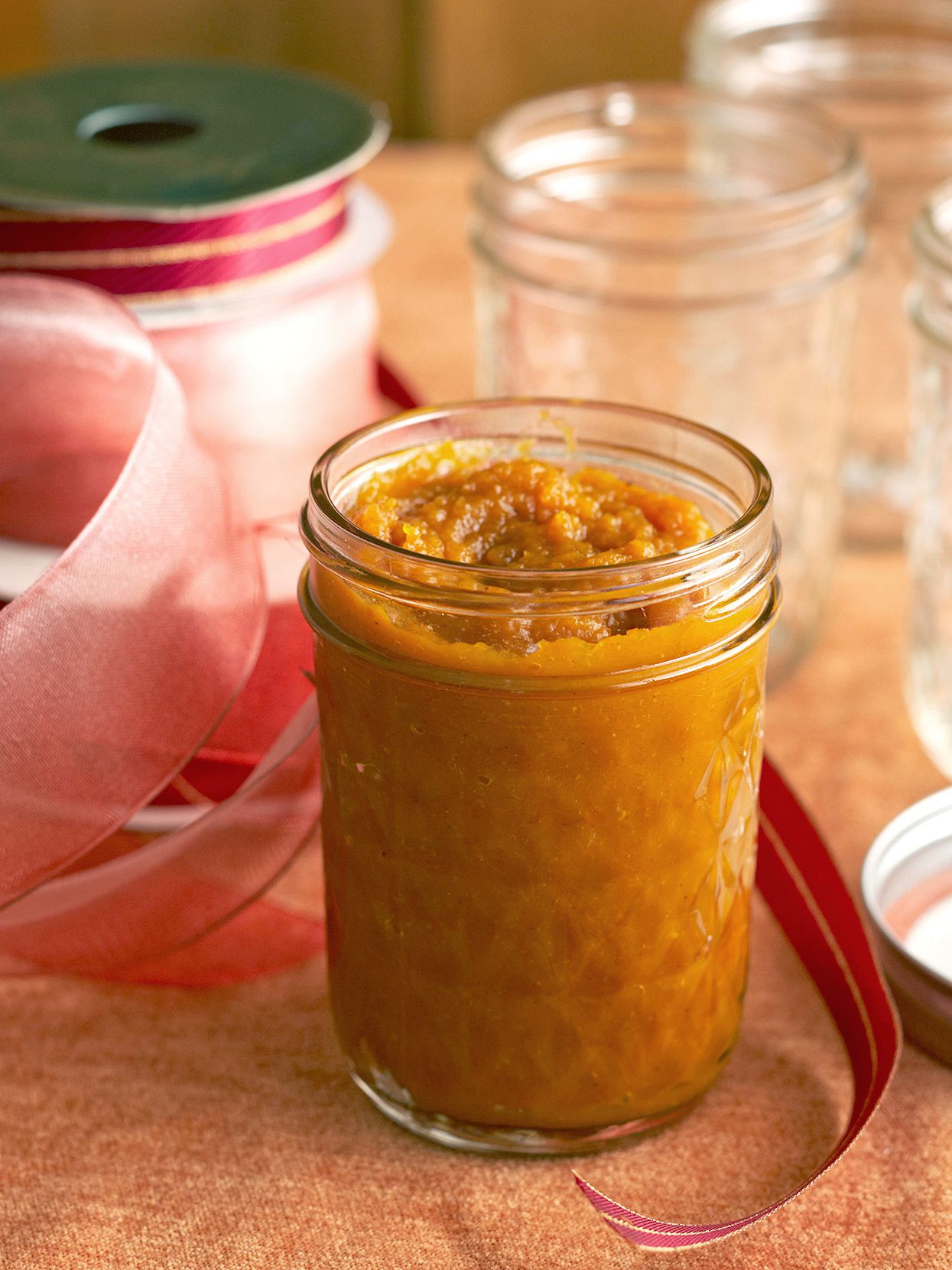
Autumn weekends are ideal for recipes that create aromas before they create dinner. Try simmering apple butter, baking bread, making a pot of chili, roasting a whole chicken, or preparing soup from scratch. The goal is not culinary heroism. It is to choose one recipe that rewards patience and makes the kitchen smell as though a competent grandparent has been quietly working there all day.
For a social version, organize a pie exchange, soup swap, cider tasting, or casual Friendsgiving. Ask each guest to bring one dish or drink, then provide containers for leftovers. This turns entertaining into a shared project instead of a one-person endurance sport involving seventeen side dishes and a nervous breakdown beside the dishwasher.
Community Traditions, Festivals, and Small Seasonal Adventures
Make Local Events Part of the Season
Fall festivals can include harvest celebrations, county fairs, art walks, outdoor concerts, historic tours, Halloween events, cultural gatherings, and neighborhood markets. These events matter because they connect the natural season with local identity. The Library of Congress has documented how harvest traditions, seasonal festivals, folklore, food, music, and community gatherings have developed across different cultures and regions. Halloween itself reflects layers of older customs that changed as communities adapted them over time.
Instead of trying to attend every event within a hundred-mile radius, select one large happening and two smaller ones. A major festival might become the season’s centerpiece, while a library program, local football game, outdoor movie, craft market, or neighborhood walk provides easier moments of connection.
Create Your Own Micro-Happenings
Not every autumn memory needs a ticket. Invite friends for a porch coffee morning. Take a thermos to a nearby park. Hold a backyard soup night. Organize a fall photo walk in which everyone must capture five things: something red, something moving, something weathered, something unexpectedly beautiful, and one person pretending not to be cold.
Families can create a nature scavenger hunt, press leaves, carve pumpkins, roast marshmallows, make pinecone bird feeders, or start a seasonal notebook. Solo options are equally worthwhile: visit a bookstore, take a bicycle ride, watch an old mystery movie, begin a journal, or spend an afternoon trying a recipe that has been saved online since 2019.
The Autumn Reset: Making the Season Feel Meaningful
The richest autumn experiences usually combine pleasure with preparation. Rotate clothing, donate unused coats, schedule heating-system maintenance, clean gutters, organize the pantry, and create a basic cold-weather emergency kit. Then balance those practical jobs with activities that are enjoyable for no productive reason whatsoever.
A simple seasonal plan can include one outdoor adventure, one community event, one home project, one new recipe, and one gathering. This structure prevents the familiar problem of making a giant fall bucket list, completing two items, and feeling strangely guilty while surrounded by decorative acorns.
Autumn is not a competition for who can consume the most cider or locate the most photogenic barn. Its real appeal lies in attention. The temperature shifts. The light changes. Food becomes heartier. Neighborhoods become busier. Home begins to feel like a destination again. Notice those transitions, and even a modest season can feel full.
A 500-Word Experience: One Autumn Weekend That Got Everything Right
The best autumn weekend I can imagine begins without an alarm clock, although it still begins early because sunlight is sneaking through the curtains and somebody outside has decided that 7:15 a.m. is the ideal time to operate a leaf blower. The air coming through the cracked window is cool enough to justify socks, which feels like a major seasonal achievement after months of negotiating with summer.
Breakfast is uncomplicated: hot coffee, toasted bread, and apples cooked briefly with cinnamon and butter. The apples soften around the edges but keep enough structure to avoid becoming breakfast sauce. There is no pumpkin spice involved, not because pumpkin spice is bad, but because autumn should be allowed to have more than one personality.
By midmorning, I am walking along a local wooded trail with a small backpack, water, and a jacket I nearly left in the car. Ten minutes later, the wind picks up and the jacket becomes the smartest decision I have made all week. The trees are not uniformly colorful. Some are blazing orange, others are yellow, and a few remain stubbornly green, apparently refusing to participate until they receive written notice.
The most memorable moment is not the grand overlook. It is a quiet section of trail where leaves drift down one at a time. A woodpecker taps somewhere beyond the path. Two migrating birds pause in a shrub. Nobody nearby is speaking. For a few minutes, the season feels less like decoration and more like an active process happening all around me.
Lunch comes from a farm stand: sharp cheddar, fresh bread, pears, cider, and a container of soup. I also buy a strange-looking squash because the handwritten sign promises it is “excellent roasted.” This is not enough information, yet I accept the challenge. Nearby, families are selecting pumpkins with the seriousness of people hiring senior executives. Children reject perfectly respectable pumpkins for being too flat, too round, too orange, or somehow “mean-looking.”
Back home, the afternoon becomes a loose collection of small projects. Leaves are cleared from the walkway but left beneath several shrubs. A few branches go into a ceramic vase. Blankets come out of storage. The smoke alarms get tested, briefly destroying the peaceful atmosphere but confirming that they are extremely committed to their jobs.
Dinner is the mysterious squash, roasted with olive oil and herbs, followed by soup and bread. Friends arrive carrying pie and a board game nobody fully understands. Candles glow on the table, safely distant from everything flammable. The conversation moves from travel plans to neighborhood gossip to an unnecessarily passionate debate about whether candy corn is food.
Sunday is slower. There is a bookstore visit, another walk, and an hour spent preparing soup for the week. Nothing dramatic happens. No luxury cabin appears. Nobody wears a coordinated plaid wardrobe. Yet the weekend feels distinctly autumnal because it includes the season’s essential ingredients: cool air, changing nature, local food, practical preparation, warm light, and time shared without hurry.
That is ultimately what makes autumn happenings so addictive. The season encourages us to turn ordinary routines into rituals. A walk becomes an observation. Dinner becomes a gathering. Tidying the house becomes preparation for colder days. The obsession is not really with pumpkins, foliage, or sweaters. It is with the rare feeling that we are fully present while life changes around us.