Cooking sausage in a Crockpot is one of those kitchen tricks that feels suspiciousl, and return hours later to a meal that smells as though someone has been patiently tending a bubbling pot all afternoon. That someone, fortunately, was your slow cooker.
Whether you are making Italian sausage with peppers and onions, smoky kielbasa with potatoes, bratwurst for a game-day crowd, or sausage simmered in marinara for sandwiches, the slow cooker can produce juicy, deeply flavored results with very little hands-on work. The real secrets are choosing the right type of sausage, understanding when browning helps, using enoughbut not too muchliquid, and checking the internal temperature before serving.
This guide explains how to cook sausage in a Crockpot from start to finish, including cooking times, food-safety temperatures, an easy sausage-and-peppers recipe, common mistakes, serving ideas, and experience-based lessons that can save dinner from becoming a pot of overcooked sausage sadness.
Can You Cook Sausage in a Crockpot?
Yes. Both raw and fully cooked sausages can be prepared in a slow cooker, although the method and cooking time depend on which type you are using.
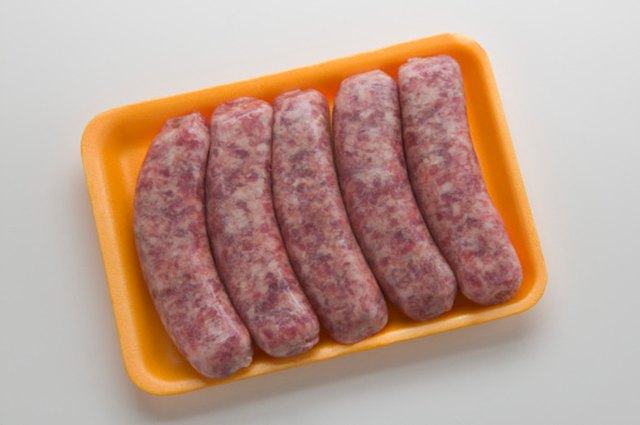
Fresh raw sausage, including Italian sausage, bratwurst, breakfast sausage, and many chicken or turkey sausages, must be cooked completely before serving. According to USDA food-safety guidance, uncooked sausage made from ground beef, pork, lamb, or veal should reach an internal temperature of 160°F. Raw sausage containing chicken or turkey should reach 165°F. A food thermometer is the reliable way to confirm doneness. g>Fully cooked sausage, such as many varieties of kielbasa, smoked sausage, and andouille, generally needs only to be heated through and incorporated into the dish. Always check the package because the words “smoked” or “cured” do not automatically tell you everything about whether a particular product is ready to eat.
Slow cookers work especially well with sausage because the enclosed, moist cooking environment allows the meat to simmer gently while its seasonings mingle with vegetables, beans, tomatoes, potatoes, or sauce. Recipes from major American cooking publications regularly pair slow-cooked sausage with ingredients such as peppers, onions, beans, tomatoes, greens, and potatoes. est Sausages for Slow Cooking
Italian Sausage
Sweet, mild, or hot Italian sausage is one of the best choices for the Crockpot. Its fennel, garlic, and spice flavors work beautifully with tomato sauce, bell peppers, onions, pasta, and sandwich rolls.
Bratwurst
Bratwurst becomes tender when slowly cooked with onions, broth, beer, sauerkraut, or potatoes. Browning the links first is particularly useful because pale bratwurst can otherwise emerge looking a little too much like it spent the afternoon hiding from sunlight.
Kielbasa and Smoked Sausage
Because most supermarket kielbasa and smoked sausages are sold fully cooked, they are convenient for quicker Crockpot dishes. Slice them into thick rounds for beans, jambalaya, potatoes, cabbage, or hearty soups.
Chicken and Turkey Sausage
These leaner options work well in slow-cooker meals, but raw poultry sausage must reach 165°F. Because lean sausage contains less fat, cooking it in a flavorful sauce or broth can help keep the finished dish moist. d You Brown Sausage Before Putting It in a Crockpot?
You do not always have to brown sausage first, but in many recipes it is worth the extra few minutes.
Searing sausage in a hot skillet creates a browned exterior that adds deeper roasted flavor and a more appealing appearance. Browning can also render some excess fat before the sausage enters the slow cooker. Crock-Pot’s cooking guidance and several major recipe publications recommend browning meat when greater flavor and better texture are desired. wn sausage links, heat a skillet over medium-high heat and cook them for about 2 to 3 minutes per side, just until the exterior develops good color. You do not need to cook them completely at this stage because the slow cooker will finish the job.
Skip browning when convenience matters more than a deeply caramelized exterior or when the sausage is going into a strongly flavored sauce. A Crockpot full of marinara, garlic, peppers, and Italian sausage will still make people wander into the kitchen asking, “Is dinner ready yet?” approximately 47 times.
Easy Crockpot Sausage and Peppers Recipe
This is a flexible base recipe for learning how to cook sausage in a Crockpot. It works well with sweet, mild, or hot Italian sausage and can be served in rolls, over pasta, with mashed potatoes, or alongside crusty bread.
Ingredients
- 1 1/2 pounds Italian sausage links
- 3 bell peppers, sliced
- 1 large onion, sliced
- 3 cloves garlic, minced
- 1 jar, about 24 ounces, marinara sauce or tomato-based pasta sauce
- 1 teaspoon dried Italian seasoning
- 1/4 teaspoon crushed red pepper flakes, optional
- Freshly ground black pepper, to taste
- Fresh basil or parsley for serving, optional
Step 1: Prepare the Vegetables
Slice the bell peppers into strips and the onion into wedges or thick slices. Try to keep the pieces reasonably similar in size so they cook at approximately the same rate.
For very soft, sauce-soaked peppers, add them at the beginning. For peppers that retain more shape and texture, reserve some and add them during the final 60 to 90 minutes of cooking.
Step 2: Brown the Sausage if Desired
Heat a skillet over medium-high heat. Brown the sausage links briefly on several sides. Transfer them to a plate. This step is optional, but it adds a savory, caramelized layer of flavor.
Step 3: Layer the Crockpot
Place the onions and peppers in the bottom of the slow cooker. Add the garlic and seasonings. Arrange the sausage links over the vegetables, then pour the marinara sauce over everything.
There is no need to drown the sausages in extra water. Vegetables release moisture as they cook, sausage releases juices, and tomato sauce already contributes plenty of liquid for this particular recipe.
Step 4: Cook Low and Slow
Cover the Crockpot and cook until the sausage is completely done and the vegetables are tender. A practical starting range for fresh sausage in sauce is approximately 5 to 6 hours on LOW or 2 1/2 to 3 1/2 hours on HIGH, but slow cookers vary considerably. Begin checking earlier rather than assuming that every appliance cooks identically.
Comparable slow-cooker sausage recipes from established cooking sources commonly use several hours of gentle cooking, including roughly six hours on low for sausage and peppers and four to six hours on low for other sausage-based dishes. 5: Check the Internal Temperature
Insert an instant-read thermometer into the center of the thickest sausage without pushing the probe all the way through. Raw pork, beef, lamb, or veal sausage should reach 160°F, while raw chicken or turkey sausage should reach 165°F. Do not rely only on the color of the meat or juices. 6: Serve
Serve the sausage links whole, or slice them into thick pieces and stir them back into the sauce. Spoon everything into toasted hoagie rolls, pile it over pasta, or serve it with polenta or mashed potatoes.
How Long Does Sausage Take to Cook in a Crockpot?
There is no single universal cooking time because the answer depends on the sausage, its thickness, whether it is raw or precooked, what else is in the cooker, and how hot the individual slow cooker runs.
As a general planning guide:
- Raw sausage links in sauce: about 5 to 6 hours on LOW or 2 1/2 to 3 1/2 hours on HIGH.
- Browned raw sausage: may finish somewhat sooner, depending on how thoroughly it was browned.
- Fully cooked smoked sausage in a complete dish: often needs roughly 2 to 4 hours on LOW, although longer recipes may be appropriate when beans or firm vegetables also need time to become tender.
- Crumbled sausage in casseroles or breakfast dishes: is often browned before being added to the slow cooker.
Published slow-cooker recipes demonstrate this wide variation. Some fully cooked sausage dishes cook for approximately four hours on low, while sausage casseroles and bean dishes may cook much longer because the other ingredients determine the schedule. ermometer gets the final vote. The clock is helpful; the thermometer is the adult in the room.
Can You Put Frozen Sausage in a Crockpot?
For the safest and most predictable results, thaw raw frozen sausage in the refrigerator before putting it into a slow cooker. Slow cookers warm food gradually, and starting with a large frozen mass can complicate safe heating and make cooking times unreliable. Food-safety guidance generally favors starting slow-cooker meat from a properly thawed state rather than placing frozen meat directly into the appliance. ausage overnight in the refrigerator, then proceed with the recipe. Avoid thawing raw sausage for hours on the kitchen counter.
How Much Liquid Should You Add?
One of the most common beginner mistakes is adding too much liquid. A slow cooker loses far less moisture through evaporation than an uncovered skillet or Dutch oven.
For sausage cooked in marinara, crushed tomatoes, or another substantial sauce, additional water may not be necessary. For sausage cooked with potatoes and onions without a sauce, a modest amount of broth, beer, apple juice, or another appropriate cooking liquid may help create moisture and flavor.
Start conservatively. You can thin a sauce later much more easily than you can politely ask a Crockpot full of soup to become a sandwich filling.
How to Keep Crockpot Sausage From Becoming Greasy
Sausage naturally contains fat, and slow cooking gives that fat plenty of time to render into the surrounding sauce. A little is delicious. A shimmering oil slick worthy of its own weather forecast is less charming.
For a less greasy finished dish:
- Brown fatty sausage first and drain excess grease.
- Choose a leaner sausage when appropriate.
- Avoid adding unnecessary oil to an already rich recipe.
- Skim excess fat from the surface before serving.
- Use a slotted spoon when serving sausage from a particularly rich sauce.
Browning and draining fatty meats before slow cooking is a commonly recommended way to improve the final texture and reduce excess grease. Flavor Variations
Italian Sausage and Marinara
Combine Italian sausage with onions, garlic, marinara, oregano, and bell peppers. Serve with pasta or toasted rolls and melted provolone.
Sausage, Potatoes, and Green Beans
Use sliced smoked sausage with small potatoes, onion, green beans, and Cajun or garlic seasoning for an easy one-pot meal. Slow-cooked sausage, potatoes, and vegetables are a popular combination because the sausage seasons the other ingredients while they cook. asa and Sauerkraut
Pair kielbasa with sauerkraut, sliced onion, mustard, and a small amount of apple for a balance of savory, sour, and sweet flavors.
Sausage and White Beans
Combine sausage with white beans, tomatoes, carrots, celery, garlic, and herbs for a hearty stew. For extra body, mash a small portion of the beans near the end. Sausage-and-bean combinations appear frequently in slow-cooker recipes because the rich meat and mild beans complement each other particularly well. n Mistakes to Avoid
Opening the Lid Repeatedly
Checking dinner every few minutes does not make it cook faster. Keep the lid closed unless you need to add a late ingredient or check doneness near the end of the expected cooking period.
Overcooking Fully Cooked Sausage
Precooked sausage does not need the same treatment as raw sausage. In some recipes, adding it later preserves a firmer, juicier texture. EatingWell, for example, uses already cooked sausage as a late addition in some slow-cooker stews rather than simmering it for the entire cooking period. ng Raw Links Too Thinly Before Cooking
Thin slices expose more surface area and can become dry or overly soft during a long cook. Whole links or thick pieces generally hold their texture better.
Ignoring the Type of Sausage
A raw Italian sausage, a fully cooked kielbasa, and a lean chicken sausage are not interchangeable from a cooking-time perspective. Read the package and adjust the method accordingly.
Adding Delicate Ingredients Too Early
Fresh herbs can lose their brightness during hours of cooking, while some dairy products and pasta can suffer in texture. Add delicate herbs, cooked pasta, and certain creamy ingredients toward the end when the recipe calls for them. to Serve With Crockpot Sausage
Crockpot sausage is flexible enough to move from casual weeknight dinner to potluck food with almost no wardrobe change.
Try serving it with:
- Toasted hoagie or sub rolls
- Mashed potatoes
- Polenta or grits
- Pasta
- Rice
- Crusty bread
- Roasted vegetables
- A crisp green salad
For sausage and peppers, toasted rolls are a classic choice. Add provolone or mozzarella and briefly broil the sandwich until the cheese melts. For saucy sausage, pasta or creamy polenta does an excellent job of collecting every last spoonful.
Experience-Based Lessons for Better Crockpot Sausage
There are a few lessons that repeatedly emerge when home cooks compare successful slow-cooker sausage meals with the ones that were merely edible. The first is that convenience and maximum flavor are not always exactly the same method. You can place raw sausage directly into a Crockpot with sauce and vegetables and get a satisfying meal. But spending a few minutes browning the links first often produces a noticeably richer result. The surface develops color, the sausage looks more appetizing, and some excess fat stays behind in the skillet instead of moving into dinner.
The second lesson is that vegetables need strategic timing. Bell peppers cooked for six hours can become wonderfully soft and almost melt into tomato sauce. That is perfect when you want a cohesive sandwich filling. It is less perfect when you imagined bright strips of pepper with a little bite. A useful compromise is to put onions and half the peppers in at the beginning, then add the remaining peppers during the last hour or so. You get both deep vegetable flavor and fresher texture.
Another common experience is discovering that more liquid does not automatically mean juicier sausage. Slow cookers hold moisture extremely well. A jar of marinara, several vegetables, and juicy sausage can create plenty of liquid without adding cups of broth. Starting with too much liquid often produces a thin sauce that requires extra reducing or thickening later. The better approach is usually to begin with less and adjust near the end.
Cooking time is another area where experience beats blind obedience to the clock. Two slow cookers sitting side by side can cook at slightly different rates. The number and thickness of sausage links also matter. A large Crockpot filled nearly to capacity behaves differently from a half-full cooker. Treat the published time as a window, not an appointment carved into stone. Check the food near the early end of the range and use a thermometer when cooking raw sausage.
Texture deserves attention too. Sausage can become overly soft after an unnecessarily long stay in the slow cooker, especially when it is already fully cooked. Smoked sausage added to a bean dish that needs eight hours may not always benefit from spending all eight hours in the pot. In many recipes, adding precooked sausage later preserves a springier bite while still giving it time to share its smoky flavor with the rest of the meal.
Seasoning should also be handled with restraint at the beginning. Sausage, jarred sauce, broth, cheese, sauerkraut, and canned ingredients can all contribute salt. A dish that tastes underseasoned during the first five minutes of cooking may become perfectly seasoned after several hours of concentration and flavor exchange. Taste near the end before reaching dramatically for the salt shaker.
Finally, some of the best Crockpot sausage meals are not complicated recipes at all. A reliable combination of sausage, onions, peppers, garlic, and a flavorful sauce can be transformed several ways. One night it goes into sandwich rolls. The next day it can be sliced and stirred into pasta. Leftovers can top baked potatoes or become part of a quick rice bowl. That versatility is a major reason slow-cooker sausage earns repeat appearances in busy kitchens: one simple batch can solve more than one meal without announcing itself as “leftovers” in a gloomy voice.
The practical takeaway is simple. Brown when you have time, control the liquid, think about vegetable texture, add precooked sausage according to the needs of the entire dish, and trust a thermometer more than guesswork. The slow cooker handles the patience. Your job is mostly to avoid getting in its way.
Final Thoughts
Learning how to cook sausage in a Crockpot is less about mastering a complicated technique and more about making a few smart choices. Use the right cooking time for the type of sausage, brown the meat when you want deeper flavor, avoid excessive liquid, and verify that raw sausage reaches a safe internal temperature.
For an easy starting point, combine Italian sausage with peppers, onions, garlic, and marinara, then let the slow cooker turn those simple ingredients into a rich, comforting meal. Serve the finished sausage in a toasted roll, over pasta, with potatoes, or straight from a bowl with good bread nearby. Dinner does not need to be complicated to be excellent. Sometimes it just needs several quiet hours and a lid.
Note: Slow-cooker temperatures and cooking speeds vary by appliance, recipe volume, and sausage size. Always check package instructions and use a food thermometer when cooking raw sausage rather than relying only on appearance or a fixed cooking time.