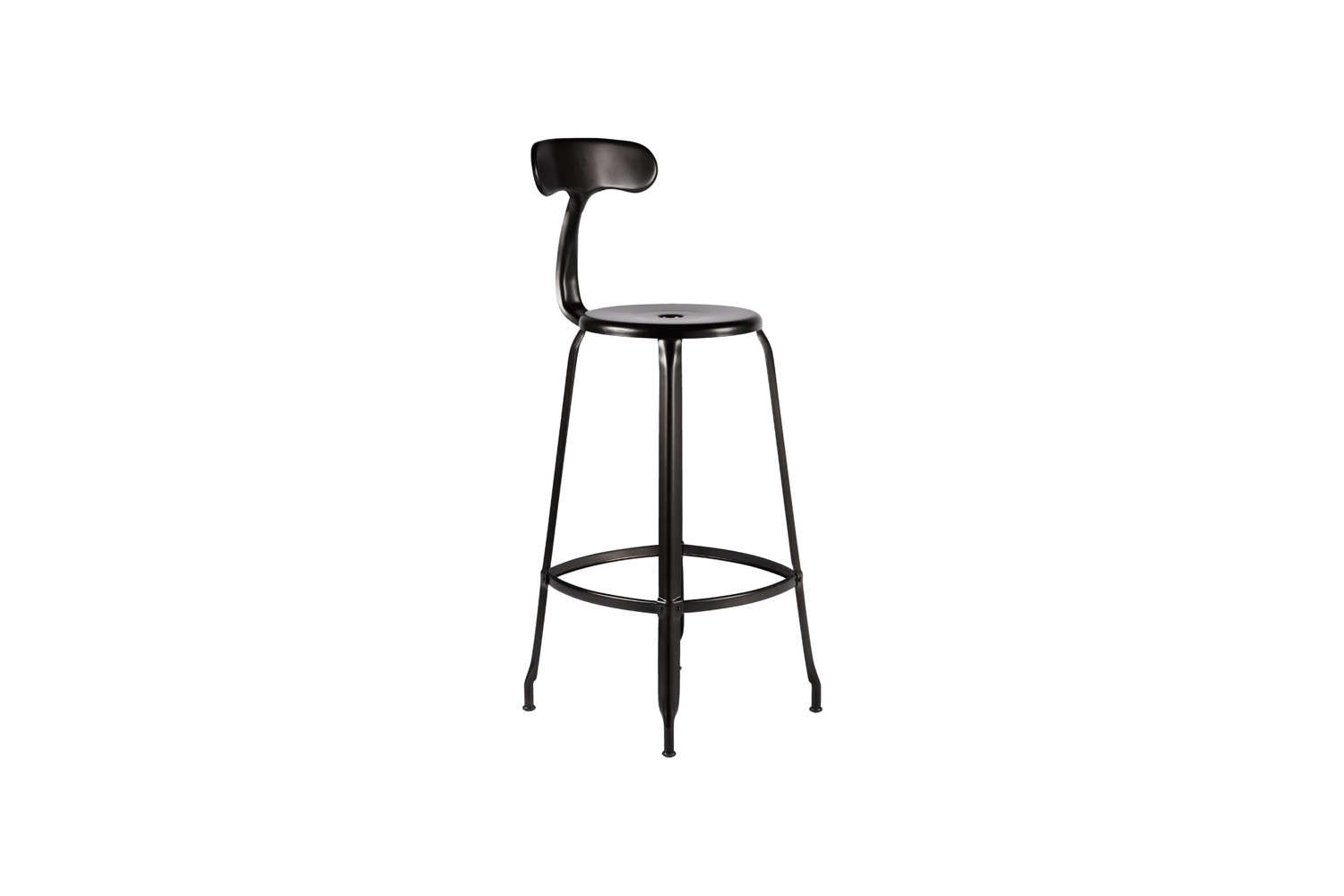
A kitchen counter stool has one deceptively diffiit correctly, survive daily life, and avoid making guests feel like they are balancing on a decorative fence post. The Nicolle Counter Stool with Back stands out because it brings industrial character, French design heritage, and a more supportive seating profile to the kitchen island or home bar.
Unlike bulky upholstered stools that can visually swallow a room, a Nicolle-style stool with a backrest has a lighter silhouette. Its steel construction, rounded seat, slim legs, and curved back create a look that feels equally at home in a loft kitchen, a renovated farmhouse, a café-inspired breakfast nook, or a clean-lined modern apartment. It is furniture with a little attitude, but not the kind that demands a spotlight and a standing ovation every time someone enters the kitchen.
This guide explores what makes the Nicolle Counter Stool with Back distinctive, how to choose the right height, where it works best, what to consider before buying, and what everyday life with a backed metal counter stool can actually feel like.
What Is the Nicolle Counter Stool with Back?
The Nicolle Counter Stool with Back is rooted in the recognizable Nicolle design language: a compact metal frame, circular seat, industrial-inspired construction, and a sculptural backrest that adds support without turning the stool into a full dining chair.
Historically, Nicolle seating grew from French workshop furniture. The original concept was built around durable metal construction and practical seating for working environments. Over time, the simple utility of the design became part of its charm. What began as a hardworking factory stool developed into a style favorite for kitchens, restaurants, studios, and homes that appreciate furniture with a little history behind it.
Older U.S. retail listings for the Nicolle Counter Stool with Back described a French-made steel stool with a removable back, several finish options, and the possibility of adding a leather seat. That combination explains much of its appeal: it can look crisp and industrial in one setting, warm and collected in another, or quietly dramatic in a dark kitchen with matte cabinetry.
Why a Backrest Changes the Entire Stool Experience
At first glance, the difference between a backless stool and a stool with a back may seem small. In reality, it can change how often the seat gets used.
A backless stool is excellent for quick meals, short conversations, and tight spaces where stools need to slide completely beneath the counter. But once your kitchen island becomes the family office, homework station, coffee bar, snack headquarters, and unofficial therapy room, a backrest starts looking less like a luxury and more like a reasonable life decision.
More Comfort for Longer Sitting
The Nicolle Counter Stool with Back offers light upper-body support without the visual heaviness of a fully upholstered chair. This makes it a practical choice for people who regularly sit at the counter for breakfast, laptop work, casual dinners, or long conversations that begin with one glass of wine and somehow turn into a detailed analysis of everyone’s childhood.
The backrest does not transform the stool into a lounge chair, and that is not the goal. Instead, it gives the body a place to settle. The result is a seat that feels more intentional and less temporary.
A Stronger Visual Presence
Backed counter stools naturally have more vertical presence than backless models. In a kitchen with a large island, that can be helpful. The stools help define the seating zone, create rhythm along the counter, and make the island feel more like a destination than a slab of stone with electrical outlets.
The Nicolle silhouette remains airy because the back is slim and open. It provides a visual accent without blocking sight lines across an open-plan kitchen.
How to Choose the Right Counter Stool Height
Before falling in love with the color, finish, or charming French-industrial personality of a stool, measure your counter. Height mistakes are the fastest way to turn stylish seating into furniture nobody wants to use.
Most standard kitchen counters are approximately 34 to 36 inches high. For that range, a counter stool with a seat height of roughly 24 to 27 inches usually works well. The goal is to leave about 10 to 12 inches between the seat and the underside of the countertop so knees have enough room to exist peacefully.
Measure the Seat Height, Not the Overall Height
When comparing stools, focus on the distance from the floor to the top of the seat. The total height includes the backrest, which may look impressive in a product photo but does not tell you whether your legs will fit under the counter.
For example, a backed stool may stand more than 35 inches tall overall while still having a seat height appropriate for a standard kitchen island. That is why product dimensions should always be read like a tiny furniture detective story: identify the seat height, width, depth, and total height separately.
Leave Enough Spacing Between Stools
Counter stools need breathing room. Crowding them together may look fine in a staged photo, but real people have elbows, jackets, backpacks, snack plates, and an impressive ability to occupy more space than expected.
A useful guideline is to allow approximately 24 inches of width per person at a standard counter-height island. If your stools have backs, wider frames, or armrests, consider allowing more room. A Nicolle Counter Stool with Back has a relatively compact profile, but its backrest still needs enough visual and physical space to avoid a crowded look.
Design Styles That Work Beautifully with a Nicolle Counter Stool
One reason the Nicolle stool remains so appealing is its versatility. It does not belong to only one decorating trend. Instead, it acts like a dependable wardrobe staple: it can be dressed up, dressed down, and paired with far more than expected.
Industrial Kitchens
This is the obvious match, but it is obvious for a reason. Pair black, gunmetal, or dark steel Nicolle stools with concrete counters, exposed brick, reclaimed wood, black cabinet hardware, and pendant lights with metal shades. The stool reinforces the industrial look without making the kitchen feel like a movie set about a charming bicycle repair shop.
Modern Farmhouse Interiors
In a modern farmhouse kitchen, the metal stool offers contrast against warm wood cabinetry, painted islands, butcher-block counters, or shiplap walls. A glossy white, muted green, or dark matte finish can keep the space from becoming overly rustic. The key is balance: let the stool add structure while softer materials such as linen curtains, wood bowls, and woven lighting keep the room inviting.
Scandinavian and Minimalist Spaces
The rounded seat and slender frame work especially well in minimalist kitchens. Choose neutral finishes, pale wood floors, clean cabinet fronts, and restrained decor. A Nicolle counter stool with a leather seat pad can add warmth without disrupting the uncluttered look.
Eclectic and Collected Homes
If your kitchen includes vintage art, colorful ceramics, mismatched dishes, or a rug that makes your relatives ask whether it is “supposed to look like that,” the Nicolle stool can provide a grounding element. Its industrial form is simple enough to support more expressive pieces around it.
Metal, Leather, and Finish Options: What to Consider
Metal counter stools are durable and easy to understand visually: they look strong because they are strong. Still, the finish you choose affects maintenance, comfort, and the personality of the room.
Matte Black or Dark Steel
Dark finishes make the stool feel architectural and graphic. They work especially well against pale wood floors, white quartz counters, cream cabinets, and natural stone. Matte black is also forgiving when life happens, which is useful in kitchens where flour, fingerprints, and small mysteries appear daily.
White or Light Finishes
White stools can make a kitchen feel fresh, bright, and more open. They are a strong choice for coastal, Scandinavian, or classic kitchens. The trade-off is practical: light finishes reveal scratches and splatters more easily, so they may need more frequent wiping.
Colorful Metal Stools
A green, blue, red, or custom-colored stool can function like artwork. Color works best when repeated somewhere else in the room, even subtly. A green stool may echo a potted herb garden, a backsplash tile, or a framed print. Without that connection, it can look like the stool wandered in from another kitchen and decided to stay.
Leather Seat Pads
A leather seat pad can soften the industrial feel of a metal stool and make longer sitting more comfortable. It also adds texture, which is especially valuable in kitchens dominated by hard surfaces such as stone, stainless steel, tile, and painted cabinetry.
However, leather requires a little more care than bare metal. Keep it away from harsh cleaners, wipe spills promptly, and condition it as recommended by the manufacturer. A leather seat is not difficult to maintain, but it does prefer not to be treated like a cutting board.
Where the Nicolle Counter Stool with Back Works Best
The best location for this stool is not always the obvious kitchen island. Its compact footprint and durable look make it suitable for several spaces.
- Kitchen islands: Ideal for breakfast, casual meals, homework, and everyday gathering.
- Home bars: The metal frame and backrest create a polished café or bistro feel.
- Studio workspaces: A backed stool can suit standing-height desks and creative worktables.
- Restaurant-style dining nooks: Especially effective with marble, wood, tile, or concrete surfaces.
- Covered patios: Only when the specific finish is rated for outdoor or protected outdoor use.
Do not assume that every metal Nicolle stool is weatherproof. Indoor and outdoor metal finishes can differ significantly. If you are considering patio placement, verify the product’s intended use, coating, care requirements, and warranty before exposing it to rain, salt air, or the enthusiastic unpredictability of a backyard barbecue.
What to Check Before Buying
A beautiful stool can still be the wrong stool. Before purchasing a Nicolle Counter Stool with Back, check the practical details below.
Counter Height and Seat Height
Measure from the floor to the underside of the counter. Then subtract roughly 10 to 12 inches to estimate a comfortable seat height. Do not rely on the phrase “counter height” alone because manufacturers use that label differently.
Footrest Placement
A footrest matters more than many buyers realize. When feet dangle, even a good-looking stool becomes tiring. Look for a frame design that offers a comfortable place to rest your feet while seated.
Floor Protection
Metal legs can scratch wood, tile, and some vinyl flooring if they are dragged repeatedly. Use protective pads or glides designed for the stool’s feet. This small step can save you from discovering a series of mysterious floor scratches after hosting one lively dinner.
Weight and Mobility
A steel stool can feel reassuringly stable, but it may be heavier than a lightweight wood or plastic stool. This is often a benefit for daily durability, though it matters if you expect children to move the stools frequently or need to rearrange your space often.
Current Availability
The original Nicolle Counter Stool with Back has appeared through different retailers and product variations over time. Finishes, seat options, dimensions, pricing, and availability can change. Always confirm the exact model details with the current seller rather than relying on an older listing or a photo found deep in the internet’s decorative wilderness.
Care Tips for a Metal Counter Stool
Metal stools are generally low-maintenance, which is one reason they work so well in busy kitchens. A quick wipe with a soft, damp cloth is usually enough for routine cleaning. Dry the stool afterward to prevent moisture from sitting on the finish.
Avoid abrasive cleaners, scouring pads, and harsh chemical products unless the manufacturer specifically recommends them. These can dull paint, damage protective coatings, or leave scratches that make a once-polished stool look like it has survived several dramatic restaurant renovations.
For leather seat pads, use a gentle cleaner made for finished leather and avoid soaking the surface. For floor glides, inspect them periodically and replace them when they become worn. Maintenance is not glamorous, but neither is repairing a scratched oak floor at 9 p.m. after realizing the stools have been quietly sanding it for six months.
Everyday Experiences with a Nicolle Counter Stool with Back
Living with a Nicolle Counter Stool with Back is less about one dramatic “wow” moment and more about the small ways it becomes part of a kitchen routine. In the morning, it is the seat that turns a rushed coffee into five extra minutes of quiet before the day begins. The slim backrest gives enough support to make sitting feel intentional, even when the only goal is scrolling through the news while waiting for toast to pop up.
By lunchtime, the stool may become a temporary work chair. It is not designed to replace a fully ergonomic office chair for eight-hour spreadsheets, but it handles short laptop sessions surprisingly well. The backrest encourages a more settled posture than a backless stool, and the footrest gives your legs somewhere to go besides dangling awkwardly like you are sitting on a carnival ride.
During family meals, the stool feels more welcoming than a basic industrial seat. Children can climb onto it more easily than onto a bulky chair, adults can lean back during conversation, and guests tend to stay a little longer when their backs are not begging for rescue. A stool with a back sends a subtle message: “Please sit down.” A backless stool sometimes sends a different message: “Enjoy your snack, but do not get comfortable.”
The visual experience is just as important. In an open kitchen, backed stools become part of the room’s architecture. The curved metal forms create a repeating rhythm along the island, especially when there are two, three, or four stools in a row. In a matte black finish, they can sharpen a pale kitchen. In white, green, or another color, they can add personality without requiring an entire cabinet repaint.
There is also something satisfying about the stool’s honesty. Metal looks like metal. The frame does not pretend to be upholstered luxury, hand-carved heirloom wood, or a spaceship seat from the year 2084. It is sturdy, useful, and stylish because the form has been refined rather than overloaded. That simplicity makes it easy to pair with wood counters, marble islands, painted cabinetry, exposed brick, tile, and even a slightly chaotic collection of mugs.
Of course, real life includes crumbs, spilled sauces, backpacks hooked over the backrest, and family members who push stools with their feet instead of lifting them. A metal stool handles this daily wear well, but floor pads are essential. The stool may be tough; your hardwood floors are not auditioning for a distressed finish unless you specifically asked them to.
Over time, the Nicolle Counter Stool with Back can become one of those pieces that quietly defines the room. It is where a child finishes homework, where friends gather while dinner is cooking, where someone sits to keep the cook company, and where late-night conversations happen after everyone else has gone home. Good furniture does not always demand attention. Sometimes it simply makes ordinary moments more comfortable, more beautiful, and slightly less likely to involve numb legs.
Final Thoughts
The Nicolle Counter Stool with Back is a strong choice for homeowners who want more than a basic place to sit. Its French industrial roots, compact steel frame, supportive backrest, and adaptable style make it suitable for kitchens that need both personality and practicality.
It works best when the height is measured carefully, the spacing is planned generously, and the finish is selected to complement the rest of the room. Whether you choose dark metal for a loft-inspired kitchen, a soft neutral finish for a minimalist space, or a colorful option for an eclectic home, the stool can make a counter feel more inviting.
In the end, the best counter stool is not just the one that looks good in a product photo. It is the one people actually use. A Nicolle Counter Stool with Back has the potential to do both: elevate the kitchen visually and give everyone a comfortable reason to stay at the island a little longer.
Note: Product finishes, dimensions, pricing, and availability may vary by model and retailer. Verify current specifications before purchasing.