Smelly sneakers have a special talent: they can ruin a closet, a gym bag, a car ride, and your confidence in one dramatic puff. One minute you are taking off your shoes like a normal human being. The next, everyone in the room is silently wondering whether something crawled into your running shoes and started a new life.
The good news? Sneaker odor is common, fixable, and usually caused by a simple trio: sweat, bacteria, and trapped moisture. Your feet sweat, your socks absorb some of it, your shoes absorb the rest, and bacteria throw a tiny odor party inside the warm, dark sneaker cave. The faster you remove moisture and clean the odor source, the faster your shoes smell fresh again.
This guide explains how to clean smelly sneakers and remove odors fast using safe, practical methods: baking soda, vinegar, soap, proper washing, smart drying, insole care, and simple prevention habits. Whether your shoes smell mildly musty or aggressively “locker room at midnight,” you can bring them back from the brink.
Why Sneakers Smell Bad in the First Place
Sneaker odor is not just “sweat smell.” Sweat itself is mostly water and salt. The real stink begins when bacteria on your feet and inside your shoes break down sweat and dead skin cells. That process creates unpleasant-smelling compounds that can cling to fabric, foam, insoles, and laces.
Sneakers are especially vulnerable because they often include layers of mesh, padding, rubber, glue, and foam. These materials can trap moisture deep inside the shoe. If you wear the same pair daily, toss them into a dark closet, or leave them in a gym bag, they may never fully dry. That is when odors become stubborn.
Common causes of smelly sneakers include:
- Wearing sneakers without socks
- Using cotton socks that hold moisture
- Not letting shoes dry between wears
- Sweaty workouts or long walks
- Dirty or worn-out insoles
- Storing shoes in closed, humid spaces
- Putting damp sneakers directly into a closet
Before you reach for perfume spray or panic-buy new shoes, remember this: covering odor is not the same as removing it. The goal is to clean the sneaker, dry the sneaker, deodorize the sneaker, and prevent the smell from returning.
Step 1: Remove Laces and Insoles First
If you want to clean smelly sneakers properly, start by taking them apart. Remove the shoelaces and insoles before doing anything else. This gives air, soap, and deodorizing ingredients better access to the smelliest areas.
Laces collect sweat, dirt, street grime, and bacteria. Insoles are even worse. They sit directly under your feet, absorbing moisture like tiny odor sponges. If your sneakers smell bad even after the outside looks clean, the insoles are often the culprit.
What to do:
- Pull out the laces and wash them separately with mild detergent.
- Remove insoles and check whether they are washable.
- Brush out loose dirt, lint, and debris from inside the shoe.
- Let everything air out for at least 30 minutes before deeper cleaning.
If the insoles are cracked, flattened, permanently stained, or still smell like a haunted gym locker after cleaning, replace them. New insoles are often cheaper than new sneakers and can make old shoes feel fresher instantly.
Step 2: Dry the Sneakers Completely
Moisture is odor’s best friend. Before you deodorize, disinfect, or wash smelly sneakers, make sure they are not damp inside. If your shoes are wet from rain, sweat, or washing, odor will come right back unless they dry completely.
Place the sneakers in a well-ventilated area. Stuff them lightly with paper towels, newspaper, or clean dry cloths to absorb moisture and help maintain their shape. Replace the stuffing if it becomes damp.
Best drying tips:
- Air-dry sneakers at room temperature.
- Keep them away from direct heat, radiators, and hair dryers.
- Avoid direct hot sunlight for long periods, especially with colored shoes.
- Use a fan to speed up drying safely.
- Dry insoles and laces separately.
High heat can warp soles, shrink fabric, weaken glue, and damage foam cushioning. In other words, the dryer may remove odor but also turn your beloved sneakers into sad, misshapen foot tacos. Air-drying is slower, but it is safer.
Step 3: Use Baking Soda for Fast Odor Removal
Baking soda is one of the easiest and most affordable ways to remove odors from sneakers. It helps absorb moisture and neutralize smells instead of simply masking them. It is especially useful when your sneakers smell bad but are not visibly dirty enough for a full wash.
Simple baking soda method:
- Make sure the sneakers are dry.
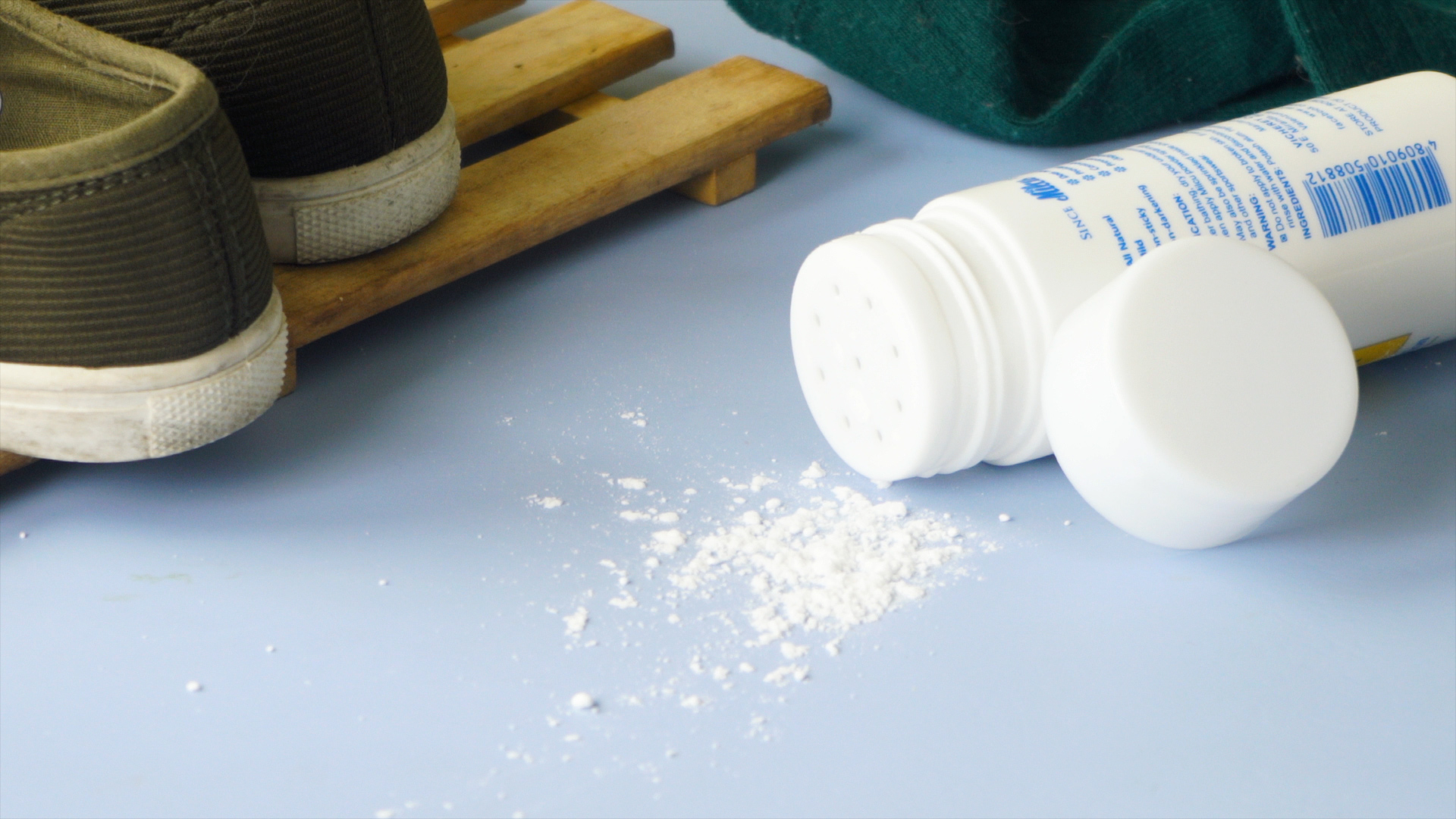
- Sprinkle 1 to 2 tablespoons of baking soda inside each shoe.
- Shake the shoe gently so the powder reaches the toe box.
- Leave it overnight, or for at least 8 hours.
- Dump out the powder and vacuum any remaining residue.
For less mess, pour baking soda into two thin socks, tie the socks closed, and place one inside each sneaker overnight. This method works well for dark shoes because it avoids leaving white powder in the fabric.
You can also make a deodorizing sachet by mixing baking soda with cornstarch. Cornstarch helps absorb moisture, while baking soda targets odor. Add a few drops of essential oil only if the shoe material tolerates fragrance and you are not sensitive to scents. Use essential oil sparingly; your goal is fresh sneakers, not shoes that smell like they joined a spa membership.
Step 4: Hand-Wash the Inside of the Sneakers
If baking soda helps but does not fully remove the smell, it is time to clean the inside. The inner lining, tongue, and toe box can hold sweat residue and bacteria. A gentle hand wash is often safer than tossing every pair into the washing machine.
You will need:
- Warm water
- Mild dish soap or mild laundry detergent
- A soft brush or old toothbrush
- Microfiber cloths
- Paper towels or clean cloths for drying
How to hand-wash smelly sneakers:
- Mix a small amount of mild soap with warm water.
- Dip a cloth or soft brush into the solution.
- Gently scrub the inside lining, tongue, and footbed area.
- Use a clean damp cloth to wipe away soap residue.
- Stuff the sneakers with paper towels and air-dry fully.
Do not soak the entire shoe unless the brand’s care instructions say it is safe. Oversaturating sneakers can damage adhesives, cushioning, and structural support. A damp cloth and gentle scrubbing usually do the job without drowning your shoes in a sink like they owe you money.
Step 5: Wash Machine-Safe Sneakers Carefully
Some sneakers can be washed in a washing machine, but not all. Canvas, mesh, and fabric sneakers are usually the best candidates. Leather, suede, wool, embellished sneakers, and high-performance shoes with special foam or delicate construction should usually be cleaned by hand.
Before machine washing, check the care label or manufacturer’s instructions. If you are unsure, choose hand cleaning. It is better to spend a few extra minutes with a brush than to discover your sneakers have separated from their soles in the washer.
How to machine wash sneakers safely:
- Remove laces and insoles.
- Brush off loose dirt and mud.
- Pretreat stains with mild detergent.
- Place shoes and laces in a mesh laundry bag.
- Add towels to balance the washer load.
- Use cold or warm water on a gentle cycle.
- Use a small amount of detergent.
- Air-dry completely before wearing.
Avoid using too much detergent. Excess soap can leave residue that traps more odor later. Also avoid chlorine bleach unless the shoes are white canvas and the care instructions allow it. Even then, dilute carefully and rinse thoroughly.
Step 6: Try a Vinegar Solution for Stubborn Odor
White vinegar can help with odor because it is acidic and can make the environment less friendly to odor-causing bacteria. It is best used in a diluted solution, especially on fabric sneakers.
Vinegar deodorizing spray:
- Mix equal parts white vinegar and water in a spray bottle.
- Lightly mist the inside of the sneakers.
- Do not soak the shoe.
- Let the sneakers air-dry completely in a ventilated space.
The vinegar smell usually fades as the shoes dry. If you are worried about discoloration, test the solution on a hidden area first. Avoid using vinegar on suede, delicate leather, or materials that may water-stain.
Do not mix vinegar and baking soda in a closed container or expect the fizz to do all the work. The bubbling reaction looks exciting, like a science fair volcano trying to save your sneakers, but the ingredients can neutralize each other quickly. Used separately and correctly, both can be helpful.
Step 7: Clean or Replace the Insoles
If your sneakers still smell after cleaning, focus on the insoles. Insoles hold sweat, oils, and bacteria more than almost any other part of the shoe. Many removable insoles can be hand-washed, but foam and gel insoles may need gentle treatment.
How to clean removable insoles:
- Remove them from the sneakers.
- Wipe with a cloth dipped in mild soapy water.
- Rinse with a clean damp cloth.
- Sprinkle lightly with baking soda if needed.
- Let them air-dry completely before putting them back.
Never put damp insoles back into sneakers. That traps moisture and restarts the odor cycle. If insoles remain smelly after washing and drying, replace them with odor-control or moisture-wicking insoles. This is one of the fastest ways to make old sneakers feel wearable again.
Step 8: Disinfect When Odor Is Severe
Sometimes sneakers need more than deodorizing. If they smell sour, musty, or persistently funky, bacteria or fungi may be part of the problem. In that case, use a shoe-safe disinfecting spray or laundry sanitizer according to the product label.
For washable fabric sneakers, a laundry sanitizer can help when used correctly in the wash. For non-washable sneakers, choose a disinfecting spray that is safe for soft surfaces and follow the instructions carefully. Always allow shoes to dry thoroughly after disinfecting.
Important safety tips:
- Do not use harsh disinfectants on suede or unfinished leather.
- Do not mix cleaning chemicals.
- Do not spray heavily inside shoes and wear them while wet.
- Test products on a small hidden area first.
- Follow all label directions for contact time and drying.
If you have recurring foot odor, itching, peeling skin, or signs of athlete’s foot, cleaning your sneakers is only part of the solution. You may also need to treat the foot issue and rotate shoes while everything dries.
Step 9: Freshen Sneakers Quickly Before Leaving the House
Need to remove sneaker odor fast because you are leaving soon? You may not have time for a full cleaning, but you can still reduce the smell quickly.
Fast odor fixes:
- Place baking soda sachets inside for 30 to 60 minutes.
- Remove insoles and air them near a fan.
- Wipe the inside with a barely damp cloth and mild soap.
- Use a shoe deodorizer spray as directed.
- Wear clean moisture-wicking socks.
These quick fixes are useful in a pinch, but they are not a substitute for deep cleaning. Think of them as sneaker breath mints. Helpful? Yes. A complete hygiene plan? Not exactly.
Step 10: Prevent Sneaker Odor from Coming Back
The best way to clean smelly sneakers is to stop them from becoming smelly again. Once your shoes are fresh, build a few simple habits into your routine.
Odor prevention habits that work:
- Rotate between at least two pairs of sneakers.
- Let shoes dry for 24 hours after sweaty wear.
- Wear clean socks every time.
- Choose moisture-wicking socks for workouts.
- Remove insoles after heavy exercise.
- Store sneakers in a ventilated area.
- Use baking soda sachets between wears.
- Wash your feet daily and dry between the toes.
Foot hygiene matters as much as shoe cleaning. Wash your feet thoroughly, dry them well, keep toenails trimmed, and change socks when they become damp. If your feet sweat heavily, consider foot powder or moisture-control socks. Your sneakers can only stay fresh if your feet are not sending them into battle unprepared.
Best Cleaning Methods by Sneaker Material
Different sneakers need different cleaning methods. The wrong approach can damage color, texture, glue, or cushioning. Here is a practical guide.
Canvas Sneakers
Canvas sneakers are usually the easiest to clean. Many can be hand-washed or machine-washed on a gentle cycle. Baking soda works well for odor, and mild detergent helps remove sweat and dirt. Air-dry completely before wearing.
Mesh Sneakers
Mesh athletic shoes dry faster than thick leather shoes but can trap odor in foam padding. Hand washing is often best. Use a soft brush and mild soap, rinse gently with a damp cloth, and dry with airflow.
Leather Sneakers
Leather sneakers should not be soaked. Wipe the interior carefully and clean the exterior with a leather-safe cleaner or mild soap solution. Dry away from heat, then condition the leather if needed.
Suede Sneakers
Suede is delicate and water-sensitive. Avoid vinegar sprays, soaking, or machine washing. Use a suede brush for the exterior and baking soda sachets for odor inside. For serious stains or smells, consider a suede-safe cleaner.
Running Shoes
Performance running shoes often contain specialized foam and adhesives. Hand washing is usually safer than machine washing. Remove insoles, clean gently, and air-dry thoroughly. Never put running shoes on high heat.
Common Mistakes to Avoid
Cleaning smelly sneakers is simple, but a few common mistakes can make things worse.
Do not:
- Spray perfume into shoes and call it cleaning.
- Wear sneakers before they are completely dry.
- Use too much detergent.
- Put delicate sneakers in the washing machine.
- Dry shoes with high heat.
- Store sweaty sneakers in a closed bag.
- Ignore smelly insoles.
Perfume plus sneaker odor can create a new smell that is somehow worse than both. It is like adding vanilla frosting to a trash can. Clean first, deodorize second, fragrance last if needed.
When Should You Replace Smelly Sneakers?
Sometimes sneakers are too far gone. If the foam is breaking down, the insoles are permanently sour, the lining is torn, or the shoes smell bad within minutes of wearing them, replacement may be the smartest option.
Old sneakers can also lose support and cushioning. If they cause foot pain, knee discomfort, or visible uneven wear, odor may not be the only problem. Clean them if they are structurally sound. Replace them if they are worn out and staging a rebellion.
Real-Life Experience: What Actually Works When Sneakers Smell Terrible
Here is the honest experience most people learn after fighting sneaker odor more than once: the fastest method is rarely one single trick. It is a sequence. First, remove the insoles and laces. Second, dry everything. Third, treat the odor. Fourth, clean the source. Fifth, prevent moisture from building up again. Skip one step and the smell often sneaks back like it pays rent.
For everyday sneaker odor, baking soda sachets are one of the easiest habits to keep. They are cheap, simple, and not messy if you use socks or small fabric bags. After a sweaty gym session, placing baking soda sachets inside overnight can make a noticeable difference by morning. This works especially well for casual sneakers, canvas shoes, and workout shoes that are not visibly dirty but smell stale.
For stronger odors, cleaning the insoles usually creates the biggest improvement. Many people scrub the outside of their sneakers until the soles sparkle, then wonder why the shoes still smell. The answer is usually inside. Insoles absorb sweat directly from the foot, so they hold odor more deeply than the outer fabric. Removing them, washing them gently, drying them fully, and sprinkling them with baking soda can change everything. If they still smell after that, replacing them is not failure. It is wisdom wearing clean socks.
Another lesson: drying time matters more than impatience wants to admit. Wearing sneakers too soon after washing can bring back odor quickly because damp padding becomes a bacteria-friendly environment. Even if the outside feels dry, the toe box and midsole area may still be moist. A fan helps. Stuffing shoes with paper towels helps. Rotating between two pairs helps even more. Giving shoes a full day to dry after heavy sweating is one of the simplest long-term odor fixes.
Machine washing can be useful, but it is not magic. It works best for washable fabric sneakers, not delicate leather, suede, or expensive performance shoes. The safest machine-washing routine is gentle cycle, cold or warm water, a mesh bag, a small amount of detergent, and air-drying. Adding towels to the load helps protect both the shoes and the washing machine. The mistake many people make is washing sneakers aggressively and then cooking them in a hot dryer. That may remove odor, but it can also damage glue, shape, and cushioning.
Vinegar spray can help with stubborn odor, but it should be light and diluted. A sneaker should never feel soaked after deodorizing. The goal is to reduce odor-causing conditions, not marinate the shoe. If you use vinegar, air-dry the shoes completely and test first on a hidden area. For suede or delicate materials, skip vinegar and use dry deodorizing methods instead.
The best personal routine is simple: after wearing sneakers, loosen the laces, pull out the tongue, remove insoles if the shoes are damp, and let everything breathe. Use baking soda sachets once or twice a week. Wash laces when they look dingy. Replace insoles when they stop bouncing back. Wear moisture-wicking socks for workouts. Most sneaker odor problems shrink dramatically when shoes are kept dry between wears.
Finally, do not underestimate your socks. Freshly cleaned sneakers paired with old, damp, cotton socks will smell bad again quickly. Clean shoes need clean socks, dry feet, and airflow. Sneaker freshness is a team sport, and unfortunately your feet are the team captain.
Conclusion
Learning how to clean smelly sneakers and remove odors fast is mostly about attacking the real cause: moisture, sweat residue, bacteria, and dirty insoles. Start by removing laces and insoles, drying the shoes completely, and using baking soda to absorb odor. For stronger smells, hand-wash the interior with mild soap, clean or replace the insoles, and use a diluted vinegar solution or shoe-safe disinfectant when appropriate.
The fastest results come from combining cleaning with prevention. Rotate your sneakers, wear moisture-wicking socks, keep feet clean and dry, and never store damp shoes in a closed bag or closet. With the right routine, your sneakers can go from “please evacuate the room” to fresh, clean, and confidently wearable again.
Note: Always check your sneaker care label before washing. When in doubt, hand-clean gently, avoid high heat, and test cleaning solutions on a hidden area first.