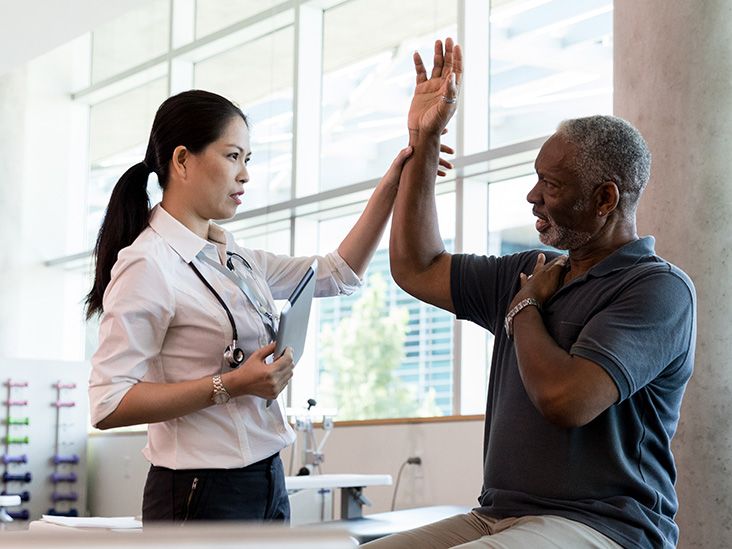
Let’s get one thing out of the way: getting older does not mean you are sentenced to weaker legs, softer arms, and a waistline that seems to have declared squatters’ rights. Yes, aging changes the body. Muscle mass gradually declines, recovery gets slower, hormones shift, and belly fat becomes a little too comfortable. But that does not mean the game is over. In fact, older adults can absolutely rebuild strength, improve body composition, and feel more capable in everyday life.
The trick is knowing what actually works. Spoiler: it is not a miracle tea, a sad salad, or doing endless crunches while glaring at a treadmill. Reversing muscle loss and reducing belly fat usually comes down to a smart mix of resistance training, enough protein, better movement habits, and realistic nutrition. Think less “punishment plan” and more “stronger for real life.”
If the goal is to carry groceries without groaning, climb stairs without negotiating with your knees, and button your pants without a dramatic exhale, you are in the right place. Here is how seniors can reverse muscle loss and belly fat in a way that is practical, safe, and sustainable.
Why Muscle Loss and Belly Fat Tend to Show Up Together
Age-related muscle loss, often called sarcopenia, does not happen overnight. It sneaks in slowly. Maybe standing up from a low chair feels harder. Maybe your balance is not as steady. Maybe you are doing the same things you always did, but your body looks and feels different. That is because muscle is metabolically active tissue. When you lose it, your body often burns fewer calories at rest, daily tasks feel more tiring, and fat gain becomes easier, especially around the abdomen.
Belly fat is not only about how clothes fit. The more concerning type is visceral fat, the kind that wraps around internal organs. That is the fat most strongly linked with higher risks for heart disease, type 2 diabetes, poor metabolic health, and other chronic problems. So when seniors talk about wanting to lose belly fat, the healthiest goal is not “getting skinny.” It is reducing harmful abdominal fat while protecting or rebuilding muscle.
That combination matters. Losing weight without strength training and adequate protein can make older adults smaller but weaker. That is not progress. The best plan is one that helps the waist shrink while the body gets stronger, steadier, and more functional.
First, Change the Goal: Aim for Strength, Not Just Weight Loss
Many older adults have spent years thinking the scale is the scoreboard. It is not. If you lose ten pounds but also lose muscle, energy, and confidence, that is a bad trade. A better target looks like this:
Move better. Build strength in the legs, hips, back, chest, and arms so daily life feels easier.
Trim the waist gradually. Reduce excess abdominal fat without crash dieting.
Protect independence. Maintain balance, mobility, and stamina for real-world tasks.
Feel stronger in ordinary moments. Getting off the floor, lifting laundry, carrying groceries, and keeping up with grandchildren all count.
That shift in mindset is powerful. It moves the conversation from appearance to healthspan. In plain English: not just living longer, but living stronger.
What Actually Works
1. Do Resistance Training at Least Twice a Week
If there were a greatest-hits album for healthy aging, resistance training would be track one. Strength training is one of the most effective ways to rebuild muscle, improve insulin sensitivity, and support fat loss. It also helps with balance, mobility, bone health, and confidence. In other words, it pulls a lot of weight. Literally and figuratively.
You do not need to become a powerlifter. You do need to challenge your muscles regularly. That can mean dumbbells, resistance bands, machines, body-weight exercises, or even sturdy household movements done with intention. The key is progressive overload, which is a fancy way of saying your muscles need a reason to adapt. If the work stays too easy forever, the body shrugs and says, “Nice try.”
A good beginner routine for seniors might include:
Lower body: chair squats, step-ups, sit-to-stands, glute bridges, calf raises
Upper body: wall push-ups, seated rows with bands, chest press, biceps curls, overhead press
Core: dead bugs, bird dogs, standing marches, suitcase carries, gentle planks if appropriate
Start with one or two sets of 8 to 12 controlled repetitions for each exercise, two or three times per week. When that feels easy, increase the challenge slightly. More resistance, another set, or better control can all count. The goal is not to leave the gym looking like an action hero. The goal is to teach your body to keep its muscle and build more.
2. Walk More, but Do Not Rely on Walking Alone
Walking is excellent. It supports heart health, circulation, mood, joint mobility, and calorie burn. It is also one of the most realistic forms of exercise for many older adults. But walking alone is usually not enough to reverse muscle loss. Think of walking as the glue, not the whole house.
A smart routine pairs walking with strength work. Aim for brisk walks most days of the week, and when possible, add small challenges: a few hills, slightly faster intervals, or a longer route. Even a 10-minute walk after meals can be helpful. The consistent habit matters more than trying to act like you are training for an Olympic montage.
If joints are cranky, low-impact options like cycling, swimming, water aerobics, or an elliptical can work too. The best cardio plan is the one you can keep doing.
3. Eat Enough Protein to Rebuild Muscle
This is where many older adults accidentally sabotage their progress. Breakfast is toast. Lunch is soup. Dinner is “a little something.” Then everyone wonders where the strength went. Muscle tissue needs protein, and older adults often need to be more intentional about getting it.
A practical rule is to include meaningful protein at every meal, not just dinner. Many clinicians and dietitians encourage older adults to spread protein across the day, often aiming for roughly 25 to 30 grams per meal depending on body size, appetite, activity level, and medical needs. That does not mean obsessing over numbers. It means making protein visible on the plate.
Helpful options include eggs, Greek yogurt, cottage cheese, chicken, turkey, fish, tofu, tempeh, beans, lentils, edamame, milk, and protein-fortified smoothies when appetite is low. A breakfast with eggs and yogurt beats a lonely piece of toast every single time.
Protein also works best when paired with resistance training. Exercise tells the body, “Keep this muscle.” Protein gives the body the building material to do it.
4. Create a Gentle Calorie Deficit, Not a Drama-Filled One
To reduce belly fat, most people need some form of calorie control. But older adults should be especially careful with aggressive dieting. Severe calorie cuts can speed up muscle loss, increase fatigue, and make recovery harder. The better move is a modest deficit combined with strength training and higher-quality meals.
That usually means:
Cutting back on liquid calories like soda, sweet coffee drinks, and frequent alcohol
Reducing highly processed snacks that are easy to overeat
Choosing meals built around protein, fiber, and produce
Watching portions without turning dinner into a trust issue
If you want a simple formula, build meals around three anchors: protein + fiber + color. For example, grilled salmon with roasted vegetables and quinoa. Or Greek yogurt with berries and nuts. Or chicken, black beans, and a big salad with olive oil. Those meals support fullness, muscle maintenance, and better blood sugar control.
5. Prioritize Fiber and Smarter Carbs
You do not need to fear carbohydrates. You do need to be pickier about them. High-fiber carbohydrates such as oats, beans, berries, apples, lentils, sweet potatoes, and whole grains tend to support satiety and steadier energy. Ultra-refined carbs, on the other hand, are often easy to overeat and do very little for muscle.
A good test is simple: does the carb come with nutrients and fiber, or is it mostly just fast fuel with a marketing team? The first one usually deserves space on the plate. The second one should not be the star of every meal.
6. Sleep More Than Your Belly Fat Wants You To
Sleep does not get enough credit in body composition conversations. Poor sleep can affect hunger, cravings, energy, and recovery. It can also make exercise feel harder and patience shorter, which is a terrible combination when you are trying to stick to healthy habits. If you are sleeping badly, belly fat and muscle loss both become harder to manage.
Try a consistent sleep schedule, less late-night snacking, and less screen time right before bed. If snoring, insomnia, or daytime exhaustion are chronic issues, talk to your doctor. Sometimes the real barrier to progress is not laziness. It is untreated sleep apnea and a body running on fumes.
7. Train Balance and Mobility So Strength Can Be Used
Strong muscles are wonderful, but they are even more useful when paired with stability and range of motion. Balance work lowers fall risk and makes strength more functional. Mobility helps joints move well enough to actually use that strength.
Simple additions include heel-to-toe walking, standing on one leg while holding a countertop, gentle hip mobility drills, ankle mobility work, and getting up and down from a chair with control. Tai chi and yoga can also be excellent for older adults when appropriately modified.
A Simple Starter Week for Seniors
Monday: 30-minute walk + 20 minutes of strength training
Tuesday: 20 to 30 minutes of walking + light balance work
Wednesday: Strength training session + gentle stretching
Thursday: Brisk walk, bike ride, or water aerobics
Friday: Strength training or a repeat of Monday’s session
Saturday: Longer easy walk, gardening, dancing, or another enjoyable activity
Sunday: Recovery walk, mobility, and meal prep for the week ahead
That is enough to create real change if you stay consistent. The body responds to repetition, not heroics.
Common Mistakes That Keep Seniors Stuck
Doing only cardio
Cardio is helpful, but if the goal is to reverse muscle loss, strength work cannot be optional.
Eating too little protein
A tiny breakfast and a weak lunch make it much harder to rebuild muscle.
Trying to lose weight too fast
Rapid weight loss often takes muscle with it. Slow and steady is not boring here. It is smart.
Expecting spot reduction
You cannot crunch away belly fat. Abdominal fat comes down through overall lifestyle changes, not punishment for having an abdomen.
Skipping recovery
Rest days, hydration, and sleep are part of the plan, not signs you have gone soft.
When to Talk to a Doctor First
Older adults should get medical guidance before starting a new diet or exercise plan if they have heart disease, severe arthritis, diabetes complications, kidney disease, unexplained weight loss, major balance issues, recent surgery, or persistent fatigue and weakness. Medical help is also important if muscle loss seems sudden or severe. Sometimes what looks like “normal aging” is actually undernutrition, medication side effects, hormone issues, or another condition that deserves treatment.
A physical therapist, registered dietitian, or qualified trainer with experience working with older adults can make the plan safer and more effective. There is no prize for guessing your way through a strength program while your knees file a formal complaint.
Real-World Experiences and Lessons From Older Adults
The following examples are composite experiences based on common patterns older adults describe when improving strength, reducing waist size, and changing daily habits.
One common story is the retired walker who thought she was doing everything right. She walked every morning, rarely missed a day, and still felt weaker each year. Her legs tired out on stairs, and her middle kept getting softer. When she added two weekly strength sessions using a chair, resistance bands, and light dumbbells, everything changed. At first, she was shocked by how hard sit-to-stands felt. Six weeks later, she stood up more easily, carried groceries with less strain, and noticed her posture improving. The scale barely moved, but her waistline did. More importantly, she felt capable again. That is a theme worth repeating: body recomposition often shows up in function before it shows up in dramatic scale changes.
Another familiar experience comes from older men who assume they still eat “pretty well” because dinner looks balanced. But breakfast may be coffee and toast, and lunch may be soup or crackers. Once they begin eating more protein during the day, especially at breakfast and lunch, workouts feel better and hunger becomes easier to manage. A former office manager in his seventies described it this way: “I stopped raiding the cookie tin at 4 p.m. when I started eating actual food at noon.” That is not a glamorous fitness quote, but it is wonderfully honest. Better protein intake often means fewer cravings, better recovery, and less mindless snacking.
There are also seniors who learn the hard way that aggressive dieting backfires. One woman cut calories drastically to lose her belly, but after a few months she felt cold, tired, and weaker. Her clothes were looser, yet getting up from the floor was harder. After working with a clinician, she increased protein, added strength work, and returned to a more moderate eating plan. The result was slower fat loss but much better energy and improved muscle tone. Her lesson was simple: a smaller body is not always a stronger body.
Many older adults also discover that consistency beats intensity. They do not need exhausting workouts. They need repeatable ones. A 25-minute strength routine done three times a week for months can be life-changing. A ten-minute walk after meals can improve daily movement more than one heroic weekend workout followed by five days on the couch. The most successful seniors are often not the fittest-looking people in the room. They are the ones who made exercise ordinary, meals balanced, and recovery non-negotiable.
Perhaps the most encouraging experience of all is how quickly confidence can return. When seniors get stronger, they often stop talking only about weight. They start talking about what they can do. They can climb steps without pulling on the railing. They can pick up a grandchild. They can travel more comfortably. They can get out of a low car seat without performing a theatrical sigh. That is the real victory. Less belly fat is nice. More muscle is powerful. But independence? That is the jackpot.
Final Thoughts
How seniors can reverse muscle loss and belly fat comes down to one big truth: the body still responds to good training, better food, and steady habits at any age. You do not need perfection. You need a plan you can repeat. Lift weights or use resistance bands. Walk often. Eat enough protein. Favor nutrient-dense meals. Sleep like it matters. Be patient with the process. The goal is not to punish an aging body. It is to support it.
Start small if you need to. A few chair squats, a few more steps, a stronger breakfast, an earlier bedtime. Stack those wins long enough, and your body begins to change. So does your confidence. And that is when healthy aging stops sounding like a brochure and starts feeling real.