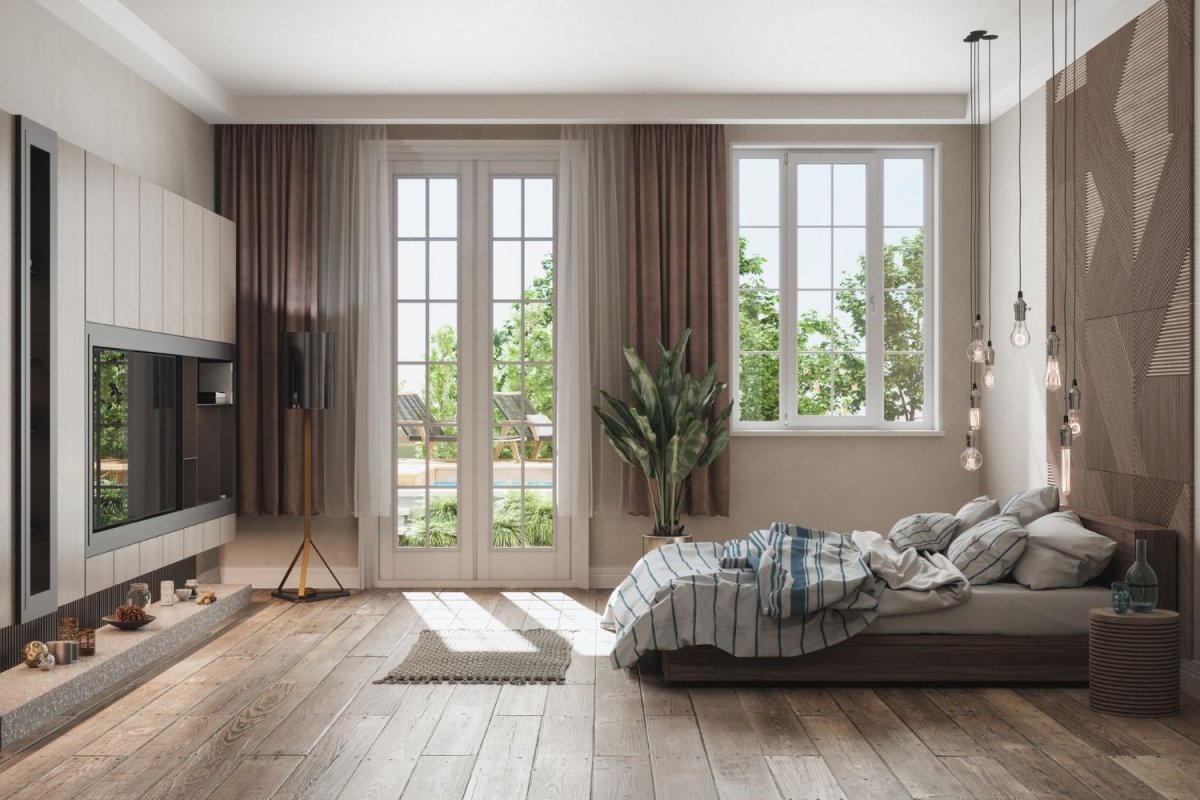
French doors have a way of making a room feel instantly more charming, brighter, and just a little more “weekend in Provence,” even if the view outside is really just a patio chair, a grill, and one heroic basil plant. But before you start imagining sunlight spilling across the floor and breezy indoor-outdoor living, there is one very practical question to answer: How much does it cost to install French doors?
In the United States, the typical French door installation cost usually ranges from about $2,000 to $5,000, with many homeowners paying around $3,500 for a standard professional installation. Smaller interior projects may cost closer to $600 to $3,000, while exterior French doors, custom sizes, premium materials, structural changes, and high-performance glass can push the total to $5,500, $10,000, or even more.
The final price depends on more than the doors themselves. Materials, labor, framing, location, glass type, hardware, permits, repairs, and whether you are replacing an existing door or cutting a brand-new opening all matter. In other words, French doors are beautiful, but they are not one-size-fits-all. Your wallet would like a word.
Average Cost to Install French Doors
For most homeowners, a realistic national average for professional French door installation is about $3,500. A straightforward replacement using a standard-size prehung door can cost much less, while a custom exterior installation with new framing, premium glass, and upgraded hardware can cost much more.
| Project Type | Typical Installed Cost |
|---|---|
| Interior French doors | $600 to $3,000 |
| Exterior French doors | $1,300 to $5,500 |
| Standard professional installation | $2,000 to $5,000 |
| Custom French doors | $3,000 to $15,000+ |
| Installing into a new wall opening | $4,000 to $10,000+ |
A simple interior French door between a dining room and home office may sit near the lower end of the range. A pair of exterior patio French doors with insulated glass, secure locking hardware, weatherproofing, and professional sealing will cost more. If structural work is involved, the project becomes less “door installation” and more “small remodeling job wearing a very attractive door costume.”
French Door Cost by Material
Material is one of the biggest price drivers. French doors are available in wood, fiberglass, vinyl, aluminum, steel, clad wood, and composite materials. Each option affects durability, maintenance, energy efficiency, style, and cost.
Wood French Doors
Wood French doors offer a warm, classic look that is hard to beat. They are popular for traditional homes, historic renovations, and interiors where natural grain matters. The downside is maintenance. Wood can swell, warp, fade, or rot if it is not properly sealed and protected, especially outside.
Installed wood French doors may cost anywhere from $1,500 to $6,000 or more, depending on the wood species, size, finish, and whether the door is interior or exterior. Premium hardwoods and custom designs can climb quickly.
Fiberglass French Doors
Fiberglass is a strong choice for exterior French doors because it resists moisture, dents, and temperature changes better than many materials. It can also mimic the look of painted or stained wood without demanding as much upkeep. For homeowners who want beauty without becoming part-time door caretakers, fiberglass is a sensible middle-to-high-end option.
Installed fiberglass French doors often fall between $1,500 and $5,500, though premium models with insulated cores, low-E glass, and custom finishes can cost more.
Vinyl French Doors
Vinyl French doors are usually among the more budget-friendly exterior options. They are low-maintenance, moisture-resistant, and energy-efficient when built with insulated frames and quality glass. Vinyl may not have the same upscale appearance as wood or clad wood, but it performs well for many patio and backyard installations.
Expect installed vinyl French doors to cost around $1,000 to $4,000, depending on size, glass package, and labor complexity.
Steel and Aluminum French Doors
Steel and aluminum French doors offer strength, slim profiles, and a more modern appearance. Steel is often used when security and durability are priorities, while aluminum is common in contemporary patio door systems. Both can be stylish, but they need proper coatings and thermal breaks to perform well in different climates.
Installed steel or aluminum French doors may range from $1,500 to $6,000+. Custom black steel-style French doors, especially those with large glass panels, can cost significantly more.
Interior vs. Exterior French Door Installation Costs
Interior French doors are usually less expensive because they do not need to resist rain, wind, heat, cold, or determined squirrels with boundary issues. They also do not require the same level of insulation, threshold sealing, or weatherproofing.
Exterior French doors cost more because they must protect the home from weather, improve energy performance, provide security, and meet local building standards. They often include insulated glass, stronger frames, sill pans, flashing, weatherstripping, and more robust locks.
Interior French Doors
Interior French doors commonly cost between $600 and $3,000 installed. They are often used for home offices, dens, dining rooms, libraries, bedrooms, or playrooms. Labor is usually easier if the opening already exists and the framing is square.
Exterior French Doors
Exterior French doors typically cost between $1,300 and $5,500 installed. The price rises when the installation includes new framing, rot repair, upgraded glass, custom sizing, or improved security features. A patio installation may also need attention to drainage, flashing, and threshold height to prevent leaks.
Labor Cost to Install French Doors
Labor is another major part of the total. For a simple replacement, labor may cost a few hundred dollars. For a complex exterior installation, labor can reach several thousand dollars, especially if the contractor needs to resize an opening, repair framing, install flashing, or correct old damage.
Basic labor may include removing the old door, setting the new prehung unit, leveling and shimming, fastening the frame, insulating gaps, sealing the exterior, installing trim, adjusting hardware, and testing the swing. That sounds simple until the installer discovers the wall is not square, the floor slopes, the old frame is rotten, and the previous homeowner apparently believed caulk was a structural material.
Cost Factors That Affect French Door Installation
Door Size
Standard-size French doors are generally cheaper than custom doors. If your existing opening matches a common size, installation is easier and less expensive. If your home needs a custom width or height, expect higher manufacturing and labor costs.
Glass Type
French doors are famous for glass, and glass is famous for affecting the invoice. Basic clear glass is the least expensive. Low-E glass, double-pane glass, triple-pane glass, impact-resistant glass, frosted glass, tempered glass, laminated glass, and decorative grids all add cost.
For exterior doors, energy-efficient glass is often worth considering. Low-E coatings, multiple panes, gas fills, and tight weatherstripping can help reduce drafts and improve comfort. In hot, cold, or mixed climates, better glass can make the room feel less like a greenhouse in July or an icebox in January.
Hardware and Security
Basic handles and hinges are usually included with many door packages, but upgraded hardware adds cost. Multipoint locks, smart locks, keyed handles, decorative levers, concealed hinges, and premium finishes can add anywhere from $100 to $1,000+ depending on the brand and style.
Framing and Structural Work
If you are replacing existing French doors with the same size, the cost is more predictable. If you are cutting into a wall, converting a window into a door, widening an opening, or moving electrical wiring, the project becomes more expensive. Structural work may require a header, permits, inspections, drywall repair, siding repair, or masonry work.
Location in the Home
Installing French doors between two interior rooms is usually easier than installing them on an exterior wall. Patio doors, balcony doors, and doors exposed to weather need careful sealing. Upper-level installations, brick walls, stucco exteriors, and historic homes can also increase labor costs.
Permits
A simple door replacement may not require a permit in some areas, but exterior structural changes often do. Permit fees vary widely by city and county. Homeowners should check local rules before work begins, especially if the project changes the size of an opening or affects a load-bearing wall.
French Doors vs. Sliding Patio Doors
Many homeowners compare French doors with sliding patio doors. Sliding doors are often less expensive and save floor space because they do not swing open. French doors, however, provide a wider traditional look and can make a room feel more elegant.
Choose French doors if style, symmetry, and a classic hinged look matter most. Choose sliding doors if space is tight, budget is the top priority, or you want a broad glass view with fewer swing-clearance concerns. Your furniture layout may make the decision before your design dreams even get a vote.
Can You Install French Doors Yourself?
Some experienced DIYers can install interior French doors, especially if the opening is already framed and square. However, exterior French doors are usually better left to professionals. A poor exterior installation can lead to leaks, drafts, sticking doors, security problems, rot, and energy loss.
French doors must be level, plumb, square, properly flashed, and carefully sealed. A tiny alignment issue can make the doors rub, swing open by themselves, or refuse to latch. That is charming in a haunted-house movie, less charming when you are carrying groceries in the rain.
How to Save Money on French Door Installation
There are several ways to control costs without sacrificing the final result. First, choose a standard size whenever possible. Custom doors are beautiful, but they cost more and take longer to arrive. Second, use the existing opening if it is in good condition. Creating a new opening is one of the fastest ways to increase the budget.
Third, compare materials. Fiberglass and vinyl often offer a good balance of durability, energy efficiency, and cost. Fourth, avoid unnecessary upgrades. Decorative glass, premium hardware, and custom finishes can be lovely, but they should match your actual priorities. Finally, get at least three quotes from qualified installers. A detailed quote helps you compare labor, materials, disposal, trim, permits, and cleanup fairly.
Is Installing French Doors Worth It?
French doors can be worth the cost if they improve natural light, access, ventilation, curb appeal, and the overall feel of the home. They are especially valuable when they connect indoor living spaces to patios, decks, gardens, or balconies. Interior French doors can also create separation without making rooms feel closed off.
The best return is not always purely financial. Sometimes the value is practical and emotional: a brighter kitchen, a nicer home office, easier backyard access, or a dining room that finally looks like it belongs in the house instead of being a mysterious furniture storage zone.
Real-World Budget Examples
Example 1: Interior Home Office Doors
A homeowner wants to add French doors to an existing cased opening between a living room and office. They choose standard painted interior wood doors with basic glass panes and simple hardware. The project may cost around $900 to $2,000, depending on labor and finishing.
Example 2: Patio Door Replacement
A homeowner replaces an old sliding patio door with exterior fiberglass French doors. The opening is mostly ready, but the installer needs to adjust framing, add flashing, and install new trim. This project may cost around $2,500 to $5,500.
Example 3: Custom Exterior French Doors
A homeowner wants oversized wood-clad French doors with low-E glass, premium hardware, sidelights, and a new opening in a wall. Structural work, permits, and finishing are required. This project can easily reach $7,000 to $15,000+.
Experience-Based Tips Before Installing French Doors
After looking at how French door projects typically unfold, one lesson stands out: the door price is only the beginning. Many homeowners start by shopping for the prettiest pair of doors online, then discover that installation details make or break the budget. The most successful projects usually begin with measurement, not mood boards.
Before buying anything, measure the rough opening, wall thickness, floor height, and swing clearance. A French door needs room to open comfortably. If a sofa, dining table, kitchen island, or stair landing blocks the swing, the doors may look wonderful and function terribly. This is why installers often ask about furniture placement before recommending in-swing or out-swing doors.
Another practical experience: exterior French doors need serious weather planning. A beautiful door installed without proper flashing or sealing can become an expensive leak source. Homeowners in rainy, snowy, humid, or coastal areas should pay special attention to sill pans, drainage, weatherstripping, and material choice. Fiberglass or clad doors often make more sense than unfinished wood in harsh climates.
Energy efficiency is also worth discussing early. Large glass panels are gorgeous, but glass can gain or lose heat. Low-E glass, double-pane construction, and insulated frames may cost more upfront, but they can improve comfort. A sunny room with inefficient doors can feel like a toaster in summer. A drafty glass door in winter can make everyone mysteriously avoid that side of the room.
Security should not be an afterthought. Because French doors have two operating panels, the locking system matters. Multipoint locks, reinforced strike plates, quality deadbolts, and secure hinges can improve peace of mind. For exterior doors, it is wise to ask whether one panel will be passive, how it locks into the frame, and whether the active panel seals tightly.
Finishing costs also surprise homeowners. Painting, staining, trim, casing, drywall repair, siding repair, caulking, and disposal may not be included in the base door price. Always ask for a line-item quote. A cheaper estimate may not be cheaper if it excludes finishing work that another contractor includes.
Finally, choose the installer carefully. French doors are less forgiving than basic slab doors. If they are slightly out of square, they may stick, rattle, leak air, or refuse to latch. A good installer will check the opening, explain potential problems, and provide a realistic cost before work begins. That kind of honesty is not as glamorous as shiny brass handles, but it is usually what keeps the project from becoming a renovation sitcom.
Conclusion
So, how much does it cost to install French doors? Most homeowners should budget around $2,000 to $5,000 for a professional installation, with an average near $3,500. Interior French doors can cost less, while exterior, custom, and structurally complex projects can cost much more. The biggest cost factors include material, glass type, size, labor, location, framing, hardware, and energy-efficiency upgrades.
French doors are not the cheapest door option, but they can dramatically improve light, style, access, and the overall feel of a home. The smartest move is to match the door to the room, climate, budget, and installation conditions. Do that, and your French doors can deliver the kind of everyday upgrade that makes the house feel brighter before you even turn on a lamp.