There are polished corners of the internet, and then there are the truly important corners: the ones where somebody says, “Show me your animals,” and suddenly the entire room turns into a digital pet parade. That is the spirit behind “Hey Pandas Show You Me You Animals”a delightfully chaotic, slightly ungrammatical, totally lovable title that feels like a community prompt written with one hand while the other hand is busy scratching a dog’s ears.
And honestly? That may be exactly why it works.
Animal posts are some of the web’s most reliable crowd-pleasers. They cross age groups, political opinions, and the mysterious divide between “cat people” and “dog people,” which is really just a polite way of saying, “people who have chosen different tiny household dictators.” Whether the star is a sleepy bulldog, a suspicious-looking cockatiel, a rabbit with the energy of a Victorian ghost, or a senior tabby who runs the house with one blink, the appeal is immediate. People do not simply look at animal photos. They react to them, narrate them, laugh at them, send them to friends, and occasionally invent entire biographies for them.
This article takes a closer look at why prompts like “Hey Pandas Show You Me You Animals” work so well, why people love sharing pet photos and stories, what makes a truly memorable animal post, and how the best animal content goes beyond cuteness to reveal something bigger: the joy, humor, responsibility, and emotional depth of living with animals.
Why a Simple Animal Prompt Gets So Much Attention
A prompt like this succeeds because it asks for something personal without feeling heavy. No one has to produce a grand essay, defend a hot take, or pretend they understand tax law. They just have to show the internet a creature they adore. That is a much safer emotional investment than most online activities, and significantly less stressful than arguing with strangers about whether cereal counts as soup.
At its core, a pet-sharing prompt invites participation. It is open, friendly, and gloriously low-pressure. A person can post a glossy portrait of their golden retriever in the sunset, or a blurry photo of a ferret sprinting across the kitchen like it owes rent. Both work. In fact, sometimes the blurrier photo wins because it captures the animal exactly as it is: weird, energetic, impossible to direct, and very sure that your plans do not matter.
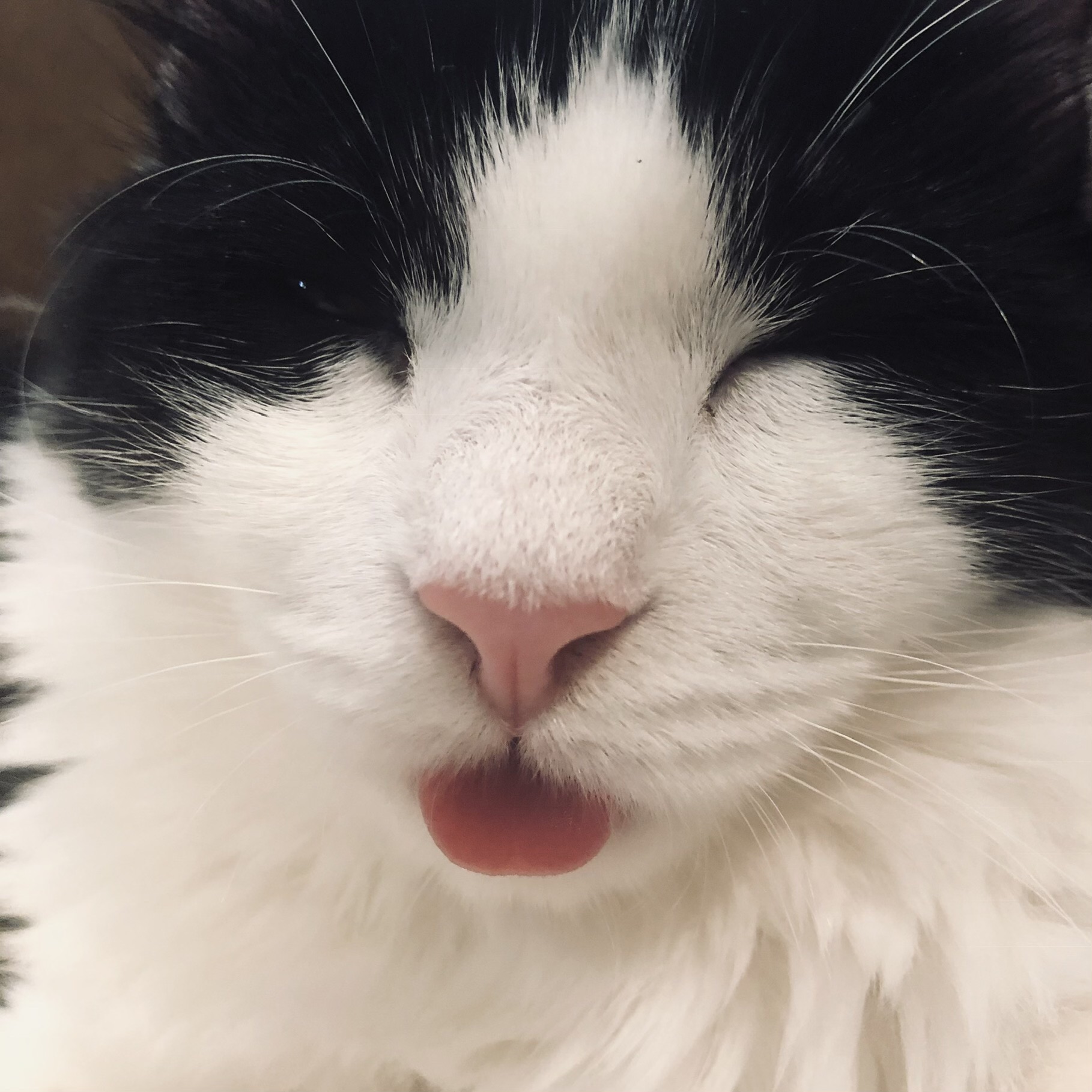
That sense of authenticity matters. Readers do not just want perfect animal photos. They want personality. They want the tilted head, the mid-yawn face, the lopsided nap, the side-eye from a cat who clearly disapproves of modern life. In a world full of over-edited content, animals remain refreshingly committed to being themselves.
The Real Reason We Love Showing Off Our Animals
Pets make ordinary life feel bigger
One reason pet photos spread so easily is that companion animals bring drama, rhythm, and humor to everyday routines. A walk around the block becomes a mission. Breakfast becomes a negotiation. Working from home becomes a shared office situation in which one employee contributes very little but demands a lot of snacks. Even the smallest moments become stories when animals are involved.
That is part of the human-animal bond people keep talking aboutand for good reason. Living with animals can add comfort, structure, affection, and a sense of connection to daily life. Many people feel calmer with a pet nearby. Others become more active because a dog still wants a walk even when the couch has made a very persuasive argument. Kids often learn empathy, routine, and gentle responsibility through caring for animals. Adults, meanwhile, learn that someone can love them deeply while still throwing up on the rug at 2 a.m. That is growth.
Animals are funny without trying
Another reason these posts perform well is that animals are natural comedians. Not intentional comedians, of course. Intent requires planning, and most dogs cannot remember why they ran into the room in the first place. But animals are endlessly expressive. They stretch like overworked yoga instructors, stare like tiny philosophers, and react to vacuum cleaners as if the apocalypse has arrived in upright form.
This is why animal content feels so shareable. It offers instant emotional clarity. You look at the photo and immediately understand the mood: proud, confused, delighted, offended, smug, sleepy, or unhinged. People connect with that because, deep down, they too have looked like an outraged pug before coffee.
What Makes a Great Animal Post
Character beats perfection
The best animal pictures are not always technically perfect. Yes, good lighting helps. Yes, a clean background can do wonders. But a memorable pet photo usually succeeds because it captures the animal’s actual vibe. Maybe your dog only looks truly happy when carrying a stick the size of a canoe. Maybe your cat’s signature pose is “Victorian widow on an armchair.” Maybe your bearded dragon sits like a tiny old man reviewing your life choices. Lean into that.
If you are posting your animal online, the goal is not to make them look like a stock photo model. The goal is to make them look unmistakably like themselves. That means using familiar toys, favorite spots, and moments when they feel relaxed and safe. The internet does not need another generic pet picture. It needs your chaos goblin in their natural habitat.
Comfort comes before content
This part matters more than people think. The cutest animal content never comes from forcing an animal into an uncomfortable situation. Great photos happen when pets feel secure, not stressed. A dog who enjoys the yard, a cat lounging in a sunbeam, a rabbit nibbling greens like royalty, a parrot doing that dramatic head tilt like it has gossipthose moments feel real because they are real.
Reading body language is part of being a responsible pet owner and a better storyteller. A relaxed dog tends to look loose and soft rather than rigid and intense. A comfortable cat often shows calm posture instead of flattened ears, lashing tail, or obvious tension. The difference between “adorable photo opportunity” and “please stop photographing me, Karen” is often written all over the animal’s body. The trick is to notice it.
Small details make stories memorable
When you share an animal online, context turns a cute image into a mini-story. A caption such as “This is Muffin after stealing exactly one ravioli and feeling no remorse” is doing powerful narrative work. Suddenly the animal is not just cute; the animal is a character. Readers remember characters.
That is why the strongest animal posts usually include tiny details: a habit, a nickname, a ridiculous routine, a favorite toy, a feud with the mail carrier, a nightly sprint through the hallway, or a talent for appearing whenever cheese is unwrapped. These details create emotional texture. They remind readers that pets are not accessories. They are individuals with preferences, patterns, and highly questionable priorities.
Beyond Cute: The Responsibility Side of Animal Love
There is a difference between loving animals as content and loving animals as living beings. The best pet communities understand both.
Sharing animal photos can be joyful, but caring for animals takes consistency. Wellness visits, preventive care, healthy routines, safe environments, and basic training all matter. So does patience. Many behaviors people find annoyingscratching, chewing, vocalizing, digging, hiding, knocking over objects with suspicious precisionare not acts of villainy. They are normal animal behaviors that need proper outlets, management, and understanding.
That is where responsible ownership becomes part of the story. A “funny pet” is still a pet with needs. A dramatic cat may also need quiet. A playful dog may also need structure and reward-based training. A senior pet may still be adorable online while quietly requiring more careful observation, softer routines, and regular veterinary support at home.
Positive reinforcement is especially important here. Animals learn best when wanted behaviors are rewarded clearly and consistently. In plain English: catch them doing something right, and make it worth their while. Treats, praise, toys, play, attentionthese are not bribes. They are communication tools. And, as anyone with a food-motivated Labrador can tell you, communication becomes suspiciously efficient when chicken is involved.
Why Animal Posts Feel So Human
Part of the magic of “Hey Pandas Show You Me You Animals” is that it is not really just about animals. It is about people showing what they love. Every animal photo is also a tiny self-portrait of the person behind the camera.
The woman posting her rescued senior beagle is also telling you something about loyalty. The guy sharing his grumpy-looking cat in a knitted sweater is quietly revealing that he buys tiny sweaters for a creature who has never thanked him once. The family uploading a video of their backyard chickens racing toward snack time is sharing a household rhythm, not just a funny clip.
Animal content works because it gives people a socially acceptable way to be tender in public. That is no small thing. In an online environment that often rewards sarcasm, outrage, and hot takes delivered with all the grace of a shopping cart rolling downhill, animal posts provide a softer kind of attention. People get to be sincere. They get to say, “Look at this little creature I love,” and the world usually responds, “Excellent. Please continue.”
The Animals People Love to Share Most
Dogs: the extroverts
Dogs dominate animal-sharing culture because they are dramatic, expressive, and often enthusiastic about participating in whatever nonsense their humans have invented. Dogs are excellent at action shots, goofy faces, outdoor adventures, holiday costumes, and the timeless genre known as “caught red-pawed.” They also photograph well when doing absolutely nothing, provided that “nothing” includes sleeping upside down like a dropped croissant.
Cats: the scene-stealers
Cats, meanwhile, bring elegance, mystery, and occasional contempt. They can turn a windowsill into theater. They can make eye contact feel like a warning. They can look regal in one frame and like a melted throw pillow in the next. Cat content survives because cats understand branding. Their brand is “I did not ask to be admired, but since you are here, do it correctly.”
Everything else: the surprise favorites
But the internet’s animal affection does not stop with cats and dogs. Rabbits, guinea pigs, parrots, reptiles, horses, ducks, goats, hamsters, hedgehogs, and backyard chickens all have devoted audiences. In fact, unusual pets often do very well online because they offer novelty and curiosity. People love discovering the daily habits of animals they do not usually see in a living room. Show them a rabbit doing zoomies or a cockatiel dancing to the microwave beep and the comments will write themselves.
Adoption, Rescue, and the Stories That Matter Most
Some of the most powerful animal posts are not the funniest ones. They are the before-and-after stories. The shy shelter dog who now sleeps belly-up on the couch. The underweight cat who became a fluffy tyrant with excellent whiskers. The older pet who found a home after being overlooked again and again. These posts hit hard because they are not just cute; they are hopeful.
Adoption stories remind people that bringing an animal home is not only about companionship. It can also be life-changing for the animal. For many readers, seeing a rescue pet thrive makes adoption feel less abstract and more personal. It turns a general good idea into a face, a story, and a reason to care.
And that is one of the best things about animal-sharing culture when it is done well: it can entertain people while quietly educating them. A funny post can also model patience. A sweet caption can also normalize senior adoption. A great photo can also show what a healthy, enriched, well-loved pet looks like.
Extra Experiences: 500 More Words From Life With Animals
Anyone who has ever lived with animals knows that the real magic is rarely found in the big moments. It shows up in the small, ridiculous, oddly moving ones. It is the dog who waits outside the bathroom like you have entered another dimension and may never return. It is the cat who insists on sitting on the exact document you need. It is the bird who learns one household sound and uses it like a prank call. It is the rabbit who thumps in protest because dinner arrived thirty-seven seconds later than expected. These moments are tiny, but they add up fast. Before long, they become the emotional wallpaper of a home.
One of the funniest truths about animals is that they make people observers again. We notice routines because they notice routines. We wake up to a stare, a paw, a chirp, a snort, or the unmistakable sound of someone making terrible decisions in the kitchen. We learn preferences we never expected to memorize. This dog likes the blue ball, not the red one. This cat wants fresh water but only if it has not been sitting there for more than six minutes. This guinea pig enjoys parsley with the passion of a sports fan who has painted their chest.
Animals also have a way of turning people into storytellers. A normal person can become a full-time narrator after six months with a pet. Suddenly they are texting friends things like, “Walter stole a sock and is now acting like a medieval outlaw,” or “Peaches fell asleep in the laundry basket again and looks like a tiny tax accountant who gave up.” These are not just updates. They are proof that animals give shape to our days. They create episodes.
Then there are the comforting moments, the ones that do not go viral but probably matter most. The old dog who still gets up to greet you, even more slowly now. The cat who appears beside you when the day has gone sideways. The pet who does not solve a problem, exactly, but makes the room feel less heavy. This is where animal content touches something real. Behind the jokes and cute captions is a deeper truth: companionship changes the atmosphere of a life.
That is why prompts like “Hey Pandas Show You Me You Animals” feel bigger than they look. They are not just requests for photos. They are invitations to share joy, routine, grief, pride, rescue stories, household legends, and the tiny bizarre rituals that form between humans and animals over time. One person posts a sleepy puppy. Another posts a one-eyed cat. Another uploads a lizard with the expression of a disappointed librarian. Together, those images create something larger than a comment thread. They create a little community built around affection, humor, and mutual recognition.
Because in the end, when people say, “Let me show you my animal,” what they often mean is, “Let me show you one of the best parts of my life.” And that is the kind of internet the world could always use more of.
Conclusion
“Hey Pandas Show You Me You Animals” may sound like a sentence assembled by an excited golden retriever standing on a keyboard, but its heart is perfectly clear. It is a call to celebrate pets, companion animals, rescue stories, funny moments, and the wonderfully specific personalities that make animals impossible not to love.
The best animal content is not just cute. It is observant. It is affectionate. It respects the animal behind the image. It captures personality over perfection and connection over performance. Whether the post features a rescue dog, a moody cat, a curious rabbit, or a backyard chicken with surprising star power, what readers respond to most is the same thing every time: real feeling.
And maybe that is the lasting charm of all pet-sharing culture. In a noisy online world, animals still manage to bring people back to something simple and good. A laugh. A soft spot. A story. A face worth remembering. Not bad for a bunch of creatures who still think the vacuum is suspicious.