Some communities bond over potlucks. Some bond over group chats. Some bond over sending one perfectly timed meme at 2:13 a.m. with no explanation except, “This is literally me.” Welcome to the wonderfully chaotic, glitter-sprinkled world of LGBT memes, where coming out jokes, Pride Month humor, chosen-family warmth, awkward crushes, gender euphoria, and dramatic raccoons all share the same emotional apartment.
The phrase “Hey Lgbt Pandas, Share Some Lgbt Memes” sounds like a casual internet invitation, but it points to something deeper than a comment thread full of rainbow frogs. LGBT memes are modern community postcards. They help people say, “I’ve been there,” “You’re not alone,” “That closet had terrible lighting,” and “Yes, bisexual panic is a full-time weather system.”
Online humor has become one of the most recognizable languages of LGBTQ+ culture. It is quick, visual, emotional, and often absurd enough to make a serious truth easier to carry. A meme can turn identity confusion into comedy, awkward family conversations into shared survival stories, and Pride Month marketing into a punchline sharp enough to cut through rainbow-washed nonsense. So, Pandas, fluff your emotional support hoodie. We are diving into why LGBT memes matter, what makes them funny, how to share them respectfully, and why the best ones often feel like a hug wearing sunglasses.
What Are LGBT Memes?
LGBT memes are jokes, images, captions, videos, reaction posts, and short pieces of internet humor created by or for LGBTQ+ people and allies. They often explore sexual orientation, gender identity, Pride, coming out, queer friendship, dating, pop culture, community inside jokes, and the small daily experiences that make LGBTQ+ life both beautiful and occasionally sitcom-level ridiculous.
The “LGBT” acronym traditionally refers to lesbian, gay, bisexual, and transgender people, while LGBTQ+ expands that umbrella to include queer, questioning, intersex, asexual, aromantic, nonbinary, gender-expansive people, and many others. In meme culture, the plus sign is important because the jokes often come from many identities at once. One meme might be about lesbian cottagecore dreams. Another might be about a nonbinary person choosing a name with the intensity of a fantasy novelist naming a dragon. Another might simply say, “Me pretending I don’t care when my crush reacts to my story,” and somehow the entire internet understands.
Why LGBT Memes Hit So Hard
The best LGBT memes are funny because they are specific. They do not try to explain the entire LGBTQ+ experience in one inspirational poster. Instead, they zoom in on tiny relatable moments: checking whether a celebrity is queer-coded, overthinking a text from someone with a carabiner, hearing “roommate” in a historical documentary, or watching a corporation change its logo to rainbow colors on June 1 and then disappear into the bushes on July 1.
Specificity creates recognition. Recognition creates laughter. Laughter creates community. That is the meme magic trick.
They Turn Isolation Into “Wait, Me Too?”
For many LGBTQ+ people, especially those who grew up without visible queer community, memes can feel like a tiny lighthouse. A post about bisexual invisibility, trans joy, asexual misunderstandings, or gay panic may seem silly on the surface, but it can also give language to something someone has quietly felt for years.
A meme cannot replace friendship, therapy, safety, or real-world support. It can, however, create a first spark of recognition. Sometimes the path to self-understanding begins with a serious essay. Other times, it begins with a meme of a confused cat labeled “me discovering I was not just a very enthusiastic ally.” Both routes are valid. The cat route may have better facial expressions.
They Make Heavy Topics Easier to Discuss
LGBTQ+ life includes joy, romance, art, friendship, and self-discovery. It can also include discrimination, family tension, online harassment, school stress, and political debates that make everyone want to lie face-down on the carpet for a while. Memes help people approach difficult topics without being crushed by them.
A meme about “coming out every time someone assumes your partner is your friend” can be funny, but it also points to a real social habit. A meme about pronouns can be playful, while still reminding people that respect is not optional. Humor gives the conversation a doorway. It says, “Come in, we have jokes, but also please learn something while you’re here.”
Popular Types of LGBT Memes
LGBT meme culture is not one single genre. It is a whole chaotic streaming platform with many channels. Some are wholesome. Some are sarcastic. Some are so niche they require three identity labels, a Tumblr education, and a working knowledge of frogs.
1. Coming Out Memes
Coming out memes often capture the nerves, relief, awkwardness, and unexpected comedy of telling people who you are. Examples include jokes about rehearsing a coming out speech for weeks only for the parent to say, “We know,” or trying to drop hints so obvious they might as well arrive with a marching band.
Original meme caption example: “Me: carefully planning the perfect coming out moment. My aunt at Thanksgiving: ‘So, are you bringing your girlfriend next year or should I keep pretending?’”
2. Pride Month Memes
Pride Month memes bloom every June like rainbow confetti with Wi-Fi. Some celebrate parades, queer joy, chosen family, and the annual return of glitter to sidewalks everywhere. Others poke fun at brands that suddenly discover LGBTQ+ people exist for exactly thirty days and then quietly fold the rainbow flag back into the marketing drawer.
These memes work because Pride is both a celebration and a reminder of history. Good Pride humor can be festive without forgetting that visibility, safety, and equality still matter.
3. Gender Identity Memes
Gender memes can be tender, weird, hilarious, and deeply personal. They may joke about gender euphoria after the perfect haircut, the emotional power of a correctly used name, or the mysterious nonbinary urge to dress like a forest wizard who also works in graphic design.
The best gender identity memes do not mock identity. They celebrate the strange, joyful, complicated experience of finding language for yourself. They make room for trans, nonbinary, genderfluid, agender, and questioning people without turning anyone into the punchline.
4. Bisexual and Pansexual Memes
Bi and pan memes have their own dramatic ecosystem. Common themes include cuffed jeans, lemon bars, sitting incorrectly, chaotic attraction, being mistaken for straight or gay depending on the day, and experiencing “crush overload” like a browser with forty-seven tabs open.
Original meme caption example: “Bisexual culture is not knowing whether you want to be someone, date someone, or borrow their jacket and build a life around it.”
5. Lesbian Memes
Lesbian memes often celebrate sapphic romance, cottagecore dreams, intense eye contact, U-Haul jokes, sword lesbians, plant lesbians, and the sacred ritual of asking, “Was that flirting or just customer service?”
They also capture real experiences, such as friendship being mistaken for romance and romance being mistaken for friendship. Historians may call them “close companions.” The meme community calls them married with three cats and a shared sourdough starter.
6. Gay Memes
Gay memes are a vast landscape: pop divas, gym selfies, brunch, dramatic reactions, theater kid energy, chosen family, romantic chaos, and the ancient art of responding “slay” to emotional instability. They can be campy, cutting, sweet, or all three before breakfast.
At their best, gay memes do more than recycle stereotypes. They play with culture from the inside, exaggerating shared references while leaving space for gay people who do not fit the loudest popular image. Not every gay man knows Broadway choreography. Some are quietly making spreadsheets. Honestly, they may be the most powerful among us.
7. Asexual and Aromantic Memes
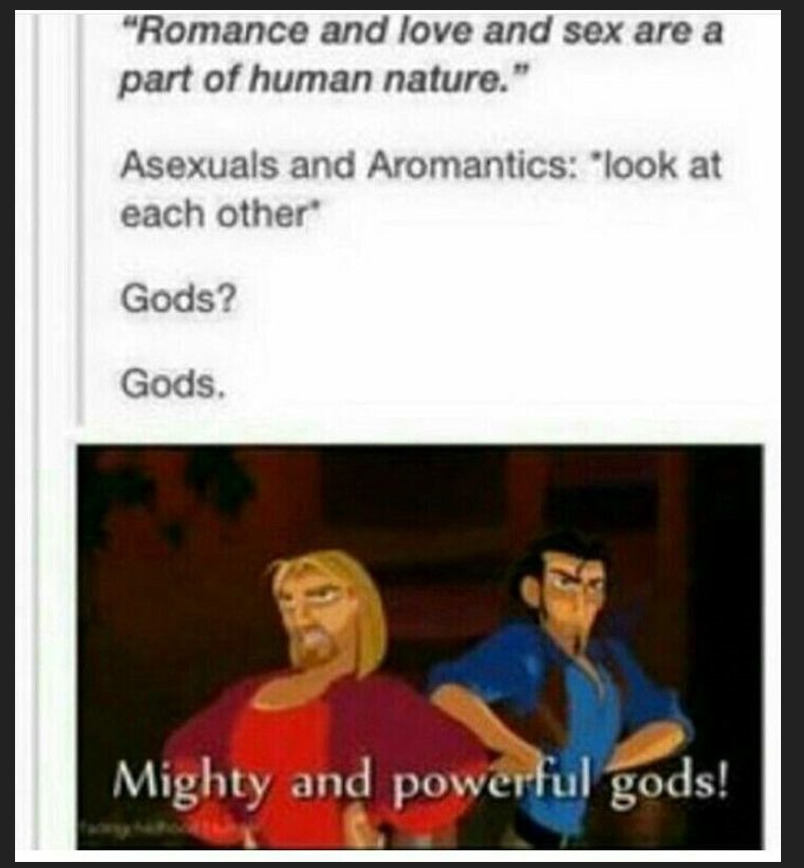
Ace and aro memes often push back against the assumption that everyone is obsessed with romance or sex. They joke about garlic bread, dragons, confusion during dating conversations, and the joy of building a life where love does not have to follow a single script.
These memes are especially valuable because asexual and aromantic identities are often misunderstood or overlooked. A good ace or aro meme says, “No, you are not broken. Yes, cake can be a personality trait. Please pass the fork.”
8. Ally Memes
Ally memes usually fall into two categories: wholesome support and gentle roasting. Wholesome ally memes celebrate friends, parents, teachers, coworkers, and siblings who show up with respect. Roasting ally memes tease people who mean well but are still learning, like the dad who buys one rainbow mug and suddenly thinks he is the mayor of Pride.
Good ally humor encourages learning without turning support into a performance. The goal is not to be the loudest ally in the room. The goal is to be useful, respectful, and willing to listen.
How to Share LGBT Memes Without Being Weird About It
Sharing LGBT memes should feel fun, not like stepping into a social media minefield wearing clown shoes. Still, humor has context. A meme that feels hilarious inside one community can feel confusing, invasive, or hurtful when shared by someone outside that experience.
Know Who the Joke Is For
Some LGBT memes are inside jokes. That does not mean allies can never laugh, but it does mean they should understand the difference between laughing with a community and laughing at it. If the joke depends on mocking LGBTQ+ people, skip it. If the joke comes from LGBTQ+ people lovingly exaggerating their own experiences, enjoy it respectfully and avoid making yourself the star.
Do Not Turn Identity Into a Costume
Memes about Pride, pronouns, dating, or queer fashion can be playful, but they should not reduce anyone’s identity to a prop. Avoid jokes that treat trans people, bisexual people, nonbinary people, or any LGBTQ+ group as inherently confusing, deceptive, trendy, or unnatural. Punch up at ignorance, stereotypes, and awkward systems. Do not punch down at people trying to live their lives.
Credit Creators When Possible
Internet humor moves fast. Screenshots get cropped. Captions get reposted. Original creators disappear faster than your motivation after opening one email. When you know who made a meme, credit them. This matters even more when the creator is part of a marginalized community whose work often gets copied without recognition.
Read the Room
A Pride meme may be perfect for your group chat and not perfect for a workplace channel called “Quarterly Budget Alignment.” A coming out joke may be hilarious to someone who is out and supported, but painful to someone who is not safe to share their identity. Context is not censorship. It is social seasoning. Use enough and the dish improves.
Why LGBT Memes Are Good for Online Community
Memes help people gather. They invite replies, reactions, remixes, and stories. One person posts, “Send me your most painfully accurate queer meme,” and suddenly hundreds of people are comparing notes about crushes, clothes, family conversations, Pride outfits, and fictional characters who caused identity awakenings across multiple generations.
That kind of participation is powerful because online spaces are often where LGBTQ+ people first find language and community. Not everyone has an affirming school, workplace, family, or neighborhood. A meme thread cannot solve every problem, but it can offer a low-pressure way to connect. It can say, “There are people like you, and some of them are extremely funny.”
Specific Examples of LGBT Meme Ideas
If you are creating or curating memes for a community prompt like “Hey Lgbt Pandas, Share Some Lgbt Memes,” here are some safe, original, and relatable ideas:
The “Queer Group Chat” Meme
Caption: “One person asks what everyone is wearing to Pride. Three hours later, we have planned outfits, snacks, emergency sunscreen, a mutual aid fundraiser, and someone has adopted a dog.”
The “Pronoun Respect” Meme
Caption: “When someone uses your correct pronouns without making it a TED Talk: instant trust unlocked.”
The “Bi Panic” Meme
Caption: “Me watching a movie with one attractive hero and one attractive villain: this plot is personally attacking me.”
The “Chosen Family” Meme
Caption: “Chosen family is when someone remembers your coffee order, your pronouns, your ex’s name, and which chair you emotionally claimed in the living room.”
The “Pride Corporate Email” Meme
Caption: “Company on June 1: We see you. Company on July 1: New phone, who dis?”
The Difference Between Funny and Harmful
A funny LGBT meme makes people feel seen. A harmful one makes people feel targeted. The difference may sound obvious, but the internet has a talent for taking obvious things and throwing them into a blender.
Before posting, ask three simple questions: Who is the joke about? Who is expected to laugh? Who might be hurt by it? If the meme mocks discrimination, stereotypes, or awkward assumptions, it may work. If it mocks someone’s body, identity, safety, or right to exist, it does not need to leave the drafts folder.
Also remember that the LGBTQ+ community is not one opinion with a rainbow hat. People disagree about jokes. Some love dark humor. Some prefer wholesome memes. Some are tired of explaining why one “edgy” post is not actually edgy, just stale with a Wi-Fi connection. When someone says a meme lands badly, listen before defending it like it is your firstborn child.
How Brands and Publishers Should Approach LGBT Memes
For websites, social media managers, and publishers, LGBT memes can increase engagement, but only if handled with care. Do not treat queer humor like a seasonal stock image. If your organization only mentions LGBTQ+ people during Pride Month, audiences will notice. They have screenshots. They always have screenshots.
Good LGBTQ+ content should be consistent, respectful, and informed. Feature queer creators. Avoid stereotypes. Moderate comment sections. Make sure your support continues beyond June. A funny meme can open the door, but meaningful inclusion is what keeps people from leaving through the window.
500 More Words: Experiences Behind “Hey Lgbt Pandas, Share Some Lgbt Memes”
The experience of asking people to share LGBT memes is not just about collecting jokes. It is about inviting people to bring little pieces of themselves into a shared space. One person may post a meme about coming out because it reminds them of the first time they said the words out loud. Another may share a meme about queer fashion because their haircut was the first thing that made them feel at home in their own reflection. Someone else may post a silly frog in a rainbow hat because they are not ready to tell their whole story, but they still want to wave from the edge of the room.
That is the quiet beauty of meme threads. They let people participate at different comfort levels. You do not have to write a personal essay to belong. You can drop a meme, add a laughing emoji, and feel the room answer back. For many LGBTQ+ people, especially younger people or those in less accepting environments, that low-pressure participation can matter. It gives them a way to test community without exposing every vulnerable detail of their life.
There is also a special kind of comfort in realizing that your “weirdly specific” experience is not actually yours alone. Maybe you thought you were the only person who dressed dramatically to go nowhere after coming out. Maybe you assumed nobody else had a fictional-character crush so powerful it rearranged their understanding of identity. Maybe you believed your family’s awkward “supportive but confused” questions were uniquely chaotic. Then a meme appears, and suddenly the entire comment section is saying, “Same.” That tiny word can feel enormous.
LGBT memes also preserve community moods. They capture what it feels like to survive a difficult news cycle, celebrate a legal victory, laugh through Pride rainstorms, decode rainbow capitalism, or cheer when a friend updates their name online. They are emotional snapshots. Some are messy. Some are brilliant. Some are clearly made in seven seconds on a phone at midnight and still somehow deserve a museum wing.
For allies, browsing LGBT meme threads can be a lesson in listening. The best approach is not to jump in with “As an ally, here is my official interpretation.” Please place the microphone gently on the table and step away. Instead, notice what people joke about, what they celebrate, what annoys them, and what makes them feel safe. Humor often reveals what formal explanations miss. If dozens of trans people are joking about the joy of being called the right name, that is a clue: the little things are not little. If bisexual people keep joking about being erased, that is another clue: visibility matters even when the joke is wearing cuffed jeans.
In the end, “Hey Lgbt Pandas, Share Some Lgbt Memes” works because it is an invitation. It says the thread is open. Bring your jokes, your screenshots, your tiny queer frogs, your Pride chaos, your chosen-family tenderness, your “this is so me it hurts” reaction images. Bring humor that punches up, comforts sideways, and leaves people feeling more human than before. The internet can be loud, strange, and occasionally cursed, but a good LGBT meme thread can still become a small digital living room where everyone gets to laugh, nod, and say, “Yes. Finally. Someone gets it.”
Conclusion
LGBT memes are more than disposable internet jokes. They are community signals, emotional shortcuts, cultural commentary, and tiny celebrations of identity. They help LGBTQ+ people laugh at awkward moments, process serious ones, and find others who understand the same strange, specific, glitter-covered realities.
Whether you love Pride Month memes, coming out jokes, bisexual chaos, trans joy, nonbinary fashion humor, lesbian cottagecore posts, gay pop-culture reactions, ace dragon memes, or wholesome chosen-family screenshots, the best LGBT memes have one thing in common: they make someone feel seen. And on the internet, where everyone is shouting into the algorithmic soup, being seen is no small thing.
So yes, LGBT Pandas, share the memes. Share the silly ones, the clever ones, the gentle ones, the “how did this image know my entire life?” ones. Just keep them kind, credit creators when possible, and remember that the funniest jokes are usually the ones that leave the community stronger than they found it.