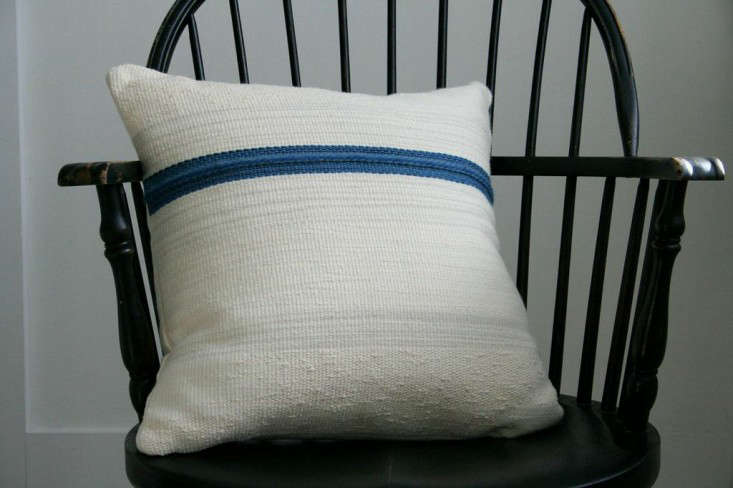
The Handwoven Agnes Cushion is the kind of home accent that looks quiet at first, then slowly takes over the room in the best possible way. It does not shout. It does not arrive wearing sequins and demanding a spotlight. Instead, it brings texture, warmth, and a thoughtful handmade character that can make a sofa, reading chair, bench, or bed feel instantly more intentional.
In modern interior design, cushions are no longer treated as afterthoughts tossed onto furniture at the last minute. A well-chosen cushion can do the work of color, pattern, softness, and personality all at once. The Agnes cushion fits beautifully into that new way of decorating: less “random pillow pile,” more “small textile with a soul.” With its handwoven appeal, natural-fiber mood, and understated artisan charm, it offers a polished yet relaxed look for homes that want comfort without clutter.
This guide explores what makes a Handwoven Agnes Cushion special, how it can be styled, what to look for in materials and craftsmanship, and how to care for it so it stays beautiful. Think of it as your friendly design companionminus the dramatic reality-show reveal and plus a lot more useful advice.
What Is a Handwoven Agnes Cushion?
A Handwoven Agnes Cushion is a decorative pillow or cushion cover inspired by artisan textile traditions, often featuring loom-woven fabric, natural textures, subtle patterns, and a refined handmade finish. The name “Agnes” has appeared across several design-forward cushion collections, including pieces influenced by minimalist art, handmade linen, cashmere blends, and naturally dyed woven cotton. While individual products vary by brand, the common thread is clear: the Agnes cushion is usually designed to feel timeless, tactile, and carefully made.
Unlike mass-produced cushions that may rely on printed patterns and synthetic shine, a handwoven cushion gets its character from the structure of the textile itself. The beauty comes from warp and weftthe vertical and horizontal yarns that interlace on a loom. Slight irregularities, tonal variation, and raised texture are not flaws. They are signs that human hands, not just factory settings, played a role.
That handmade quality matters. It gives the cushion depth, and depth is exactly what many interiors need. A room full of flat surfacespainted walls, smooth tables, sleek screens, polished floorscan feel visually thin. Add one handwoven cushion and suddenly the room has texture, dimension, and a little “please sit here with tea” energy.
Why the Agnes Cushion Works in Today’s Homes
The popularity of textured pillows and artisan home accessories is not accidental. Many homeowners are moving away from overly perfect interiors and toward spaces that feel collected, warm, and livable. A Handwoven Agnes Cushion supports that shift because it combines simplicity with visible craftsmanship.
It Adds Texture Without Creating Chaos
Texture is one of the easiest ways to make a room feel more expensive, even when the budget is not exactly behaving like royalty. A woven cushion introduces touchable detail without overwhelming the color palette. On a neutral sofa, it can add movement. On a patterned chair, it can provide a soft pause. On a bed, it can make the whole setup look layered instead of “I made this in 12 seconds before answering the door.”
It Feels Personal
Handwoven textiles often carry small differences in weave, tone, and finish. Those differences give the Agnes cushion a one-of-a-kind feeling. In a world where many homes are furnished from the same online carts, handmade texture helps your space feel less copied and more curated.
It Bridges Minimalist and Bohemian Styles
The Handwoven Agnes Cushion is especially versatile because it can lean in several design directions. In a minimalist room, it softens clean lines. In a bohemian room, it joins the party without stealing the snacks. In a farmhouse, coastal, Scandinavian, or organic modern interior, it feels completely at home.
Materials That Make the Agnes Cushion Stand Out
The best version of a Handwoven Agnes Cushion begins with materials that feel good, hold their shape, and age gracefully. Common material directions include cotton, linen, wool, cashmere blends, silk blends, or naturally dyed fibers. Each one brings a different mood.
Cotton: Soft, Breathable, and Easygoing
Cotton is a favorite for home textiles because it is soft, breathable, and comfortable in everyday spaces. A cotton Agnes cushion works especially well in family rooms, guest rooms, and casual living areas. It has a natural feel without being too delicate, which is helpful if your sofa is a real sofa and not just a museum exhibit guarded by fear.
Linen: Relaxed, Elegant, and Slightly Rumpled
Linen brings a breezy, lived-in elegance. It wrinkles, yes, but that is part of its charm. A linen Agnes cushion can look refined without appearing stiff. It pairs beautifully with wood furniture, stoneware, rattan, leather, and washed cotton bedding.
Wool and Cashmere Blends: Cozy Luxury
Wool, cashmere, and silk blends bring a more luxurious hand feel. These materials are especially appealing in cool-weather interiors, reading corners, and bedrooms where softness is the entire point. A cushion in this category may cost more, but it can become the textile equivalent of a very polite hug.
Natural Dyes: Quiet Color With Character
Some handwoven Agnes-style cushions use naturally dyed yarns. Natural dyeing can create gentle color variation, especially in shades like indigo, clay, oatmeal, cream, umber, charcoal, and soft gray. These tones tend to blend well with real homes because they are not harsh or overly glossy.
Design Details to Look For
When choosing a Handwoven Agnes Cushion, the details matter. A cushion may look simple in a product photo, but close inspection can reveal whether it is truly special.
Weave Structure
Look for visible woven texture, whether it is a rib, grid, stripe, small geometric motif, or subtle raised pattern. A good handwoven cushion should reward close attention. You should be able to see the fabric doing something interesting.
Double-Sided Fabric
Some artisan cushions feature woven fabric on both sides, which makes them more flexible for styling. A double-sided Agnes cushion can be flipped, rotated, and used more casually without worrying that the back looks like an afterthought.
Quality Insert
The insert can make or break the final look. A beautiful cover with a flat insert is like a gourmet sandwich with sad bread. For a fuller appearance, many designers recommend using an insert slightly larger than the cover. Down, feather-down blends, and high-quality down alternatives can all work, depending on your comfort preference and allergies.
Invisible Zipper or Clean Closure
A discreet zipper makes the cushion easier to clean and keeps the design looking polished. Envelope closures can also work, but they should lie flat and secure the insert properly.
How to Style a Handwoven Agnes Cushion
The Handwoven Agnes Cushion is easy to style because it can act as either a supporting texture or the main decorative accent. The trick is to let it breathe. Handmade textiles do not need to be buried under eight competing pillows and one mysterious blanket that nobody knows how to fold.
On a Sofa
For a standard three-seat sofa, try placing one Agnes cushion in a corner with a larger solid pillow behind it. If the cushion has a woven stripe or grid, pair it with a plain linen, velvet, or boucle pillow to create contrast. On a long sofa, two Agnes cushions can anchor both ends, especially if you want a balanced and calm look.
For a more relaxed arrangement, use an odd number of pillows. A grouping of three often feels natural: one large solid pillow, one patterned pillow, and one Handwoven Agnes Cushion for texture. This formula works because every pillow has a job. Nobody is just standing around collecting dust and emotional baggage.
On a Bed
On a bed, the Agnes cushion works beautifully as the final decorative layer. Place it in front of sleeping pillows and larger euro shams. If the bedding is white, cream, gray, oatmeal, or muted blue, a woven Agnes cushion can add just enough pattern to make the bed look designed without making it look like a pillow showroom exploded.
On an Accent Chair
A single Handwoven Agnes Cushion on an accent chair can be more effective than a complicated pillow arrangement. This is especially true for leather chairs, cane chairs, wooden benches, or upholstered reading chairs. The woven texture softens harder materials and makes the seat more inviting.
In an Entryway
Do not underestimate the entry bench. A handwoven cushion can turn a practical drop zone into a styled moment. Pair it with a basket for shoes, a wall hook, and perhaps a small lamp or framed print. Suddenly the entryway says, “Welcome home,” instead of “Please ignore the mail pile.”
Best Color Palettes for the Agnes Cushion
The Agnes cushion often shines in earthy, calming palettes. Because the design is usually textural rather than loud, it works especially well with natural colors.
Warm Neutrals
Cream, oatmeal, beige, camel, taupe, and warm gray create a soft organic look. This palette is ideal for Scandinavian, modern farmhouse, Japandi, and quiet luxury interiors.
Indigo and Natural Cotton
Indigo paired with undyed cotton gives the cushion a grounded, artisan feel. It works well with oak, walnut, rattan, white walls, and vintage rugs. The look is calm but never boring.
Charcoal and Stone
For a more modern room, charcoal or slate-toned woven cushions add depth. Pair them with black metal, concrete accents, pale wood, and off-white upholstery.
Clay and Umber
Earthy red-browns, rust, terracotta, and umber tones are excellent for warming up neutral rooms. They also work beautifully with plants, brass accents, and woven baskets.
Where the Agnes Cushion Fits by Design Style
One reason the Handwoven Agnes Cushion is so appealing is that it adapts easily. Here are a few ways it can support different interiors.
Organic Modern
Use the cushion with curved furniture, pale wood, ceramic lamps, and natural rugs. Choose neutral or stone-colored versions for a serene look.
Bohemian
Layer it with patterned rugs, global textiles, plants, books, and relaxed seating. A naturally dyed or striped Agnes cushion works especially well here.
Coastal
Choose linen, cotton, or soft blue-gray tones. Pair the cushion with white slipcovers, woven shades, driftwood finishes, and airy curtains.
Minimalist
Let one Handwoven Agnes Cushion be the main textural detail. Keep the surrounding palette quiet and let the weave provide interest.
Traditional
Use the cushion to loosen up formal furniture. It can make a classic armchair or tailored sofa feel more current without removing the room’s elegance.
How to Care for a Handwoven Agnes Cushion
Care depends on the exact material, so always read the label first. Handmade textiles, natural dyes, embroidery, wool, cashmere, silk, and delicate weaves may require more careful cleaning than standard cotton covers.
Shake and Fluff Regularly
A quick shake helps remove dust and keeps the cushion from looking tired. Fluffing also redistributes the insert, especially if it contains feather or down.
Spot Clean Early
If a spill happens, blot it gently. Do not scrub like you are trying to erase a life mistake. Use a clean cloth and mild detergent only if the care instructions allow it.
Wash Covers Carefully
If the cover is removable and washable, use a gentle cycle or hand wash according to the label. Avoid harsh detergents, bleach, and high heat. Natural fibers and dyes can be sensitive.
Dry Thoroughly
Moisture trapped inside a cushion can cause odor or mildew. Air dry covers flat when recommended, and make sure inserts are completely dry before putting them back in use.
Rotate for Even Wear
If the cushion sits in a sunny spot or a frequently used corner, rotate it occasionally. This helps distribute wear and reduce uneven fading.
Why Handwoven Cushions Are Worth the Investment
A Handwoven Agnes Cushion may cost more than a basic decorative pillow, but the value is different. You are not simply buying something soft to lean against. You are buying visible craft, material quality, and a design object that can move from room to room as your home evolves.
Fast decor can be tempting because it is inexpensive and instantly available. But handmade textiles tend to offer longer-lasting emotional value. They feel less disposable. They invite touch. They become part of the room’s memory. A handwoven cushion can sit on a sofa today, move to a reading chair next year, and eventually land on a guest bed looking like it was always meant to be there.
That flexibility makes the Agnes cushion a smart choice for anyone who wants a home that feels layered rather than overdecorated. It is a small piece, but small pieces often carry surprising design power.
Buying Tips: How to Choose the Right Handwoven Agnes Cushion
Before purchasing, consider where the cushion will live and how much use it will get. A delicate cashmere or silk blend may be perfect for a bedroom, while sturdy cotton or linen may be better for a busy family room.
Check the Size
Common decorative cushion sizes include square shapes around 18 to 22 inches, as well as lumbar styles. Larger cushions feel generous on sofas and beds, while smaller sizes work better for chairs and benches.
Look at the Color in Natural Light
Handwoven and naturally dyed textiles can shift in appearance depending on lighting. If possible, view the cushion in daylight before deciding where it belongs.
Think About the Room’s Existing Textures
If your room already has a lot of pattern, choose a quieter Agnes cushion. If the room is mostly smooth and neutral, choose one with a stronger weave or deeper color.
Prioritize Craft Over Trend
The best handmade cushions do not need to chase every seasonal color forecast. Choose a piece that feels good in your home now and will still feel good after the trend machine has moved on to its next dramatic announcement.
Experiences With the Handwoven Agnes Cushion
Living with a Handwoven Agnes Cushion is different from simply decorating with a standard throw pillow. The first thing you notice is the texture. It has a physical presence. When placed on a sofa, it makes the furniture feel less like a large object and more like a destination. That may sound poetic for a cushion, but anyone who has ever tried to make a living room feel cozy knows the struggle is real.
In a neutral living room, the Agnes cushion can become the piece that quietly connects everything. For example, place a cream-and-indigo handwoven cushion on a beige sofa with a walnut coffee table, a jute rug, and a ceramic vase. Suddenly the room feels pulled together. The cushion picks up the natural rug texture, complements the wood tone, and adds a handmade detail that prevents the space from feeling too showroom-perfect.
On a bed, the experience is softer and more personal. A Handwoven Agnes Cushion can sit in front of crisp white bedding and make the whole room feel calmer. It gives the bed a finished look without requiring a complicated mountain of pillows. This is excellent news for anyone who loves a pretty bedroom but does not want to perform a full textile pretty bedroom but does not want to perform a full textile ceremony every morning.
The cushion also works well as a seasonal bridge. In spring and summer, a cotton or linen Agnes cushion feels fresh with light bedding, pale woods, and airy curtains. In fall and winter, the same cushion can be paired with a wool throw, amber lighting, and deeper colors. Instead of buying a completely new set of decor every season, you can let the cushion stay and change what surrounds it.
One of the best experiences is using the Agnes cushion in a reading corner. Put it on a low lounge chair or a structured armchair, add a small side table, and place a lamp nearby. The woven texture makes the corner feel intentional, as if it has been waiting patiently for you to stop scrolling and read three actual pages of a book. Even if the book becomes a coaster for tea, the corner will still look wonderful.
Guests often respond to handmade textiles because they feel approachable. A handwoven cushion does not create the nervous energy of delicate decor that nobody is allowed to touch. Instead, it says, “Yes, this room is styled, but you may still sit down.” That balance is important. The most beautiful homes are not the ones that look perfect in silence. They are the ones that look good while people are actually living in them.
Another practical experience: the Agnes cushion is easy to move. If it starts on the sofa and later looks better on the bedroom bench, it can travel without drama. This makes it useful for renters, frequent redecorators, and anyone who enjoys rearranging furniture as a form of cardio. Because the design is usually subtle, it can adapt to new rooms, new color palettes, and new moods.
Over time, the cushion may become one of those pieces you reach for without thinking. It softens hard chairs, warms up plain bedding, improves awkward corners, and adds an artisan note to everyday spaces. That is the quiet magic of a Handwoven Agnes Cushion: it does not transform a room by force. It improves the room by belonging there.
Conclusion
The Handwoven Agnes Cushion is more than a decorative accent. It is a small, tactile expression of craft, comfort, and thoughtful design. Whether made from cotton, linen, wool, cashmere, silk blends, or naturally dyed yarns, its appeal comes from texture and authenticity. It works with modern, bohemian, coastal, minimalist, organic, and traditional interiors because it does not depend on loud decoration. Instead, it brings warmth, depth, and a human touch.
If your sofa feels unfinished, your bed looks too flat, or your favorite chair needs a little personality, the Agnes cushion is a smart place to start. Choose quality materials, pay attention to scale, pair it with complementary textures, and care for it gently. The result is a home accent that feels beautiful, useful, and quietly memorablebasically the opposite of that one decorative pillow nobody likes but everyone is too polite to remove.
Note: This article is prepared as clean, publishable HTML content with no source links, citation placehold:rs, or contentReference tags.