If you are gluten sensitive, bread can feel like the one friend who moved away and stopped answering texts. Sandwiches? Complicated. Toast? Suspicious. A warm dinner roll at a restaurant? Suddenly it has the drama level of a courtroom scene. But here is the good news: gluten-free bread has grown up. It is no longer limited to sad little slices that crumble if you look at them with confidence.
Today’s gluten-free bread recipes use smart flour blends, moisture-friendly ingredients, and structure-building binders such as psyllium husk or xanthan gum. The result can be soft sandwich bread, crusty artisan loaves, fluffy flatbreads, banana bread, cornbread, focaccia, bagels, and even cinnamon swirl bread that makes your kitchen smell like a bakery with excellent emotional support skills.
Before we start baking, a quick note: if you suspect celiac disease, talk with a healthcare professional before removing gluten completely, because testing is most accurate while gluten is still in your diet. For everyday baking, also choose ingredients labeled gluten-free when needed, especially oats, flour blends, yeast, baking powder, spices, and add-ins that may be exposed to cross-contact.
Why Gluten-Free Bread Needs a Different Game Plan
Gluten gives traditional bread stretch, chew, and rise. Without it, dough behaves less like stretchy pizza dough and more like a highly opinionated batter. That does not mean gluten-free bread is doomed. It simply means you need a new toolkit.
Choose the Right Gluten-Free Flour Blend
A good gluten-free flour blend usually combines whole-grain flours, starches, and sometimes binders. Rice flour, sorghum flour, millet flour, buckwheat flour, oat flour, teff flour, almond flour, tapioca starch, potato starch, and cornstarch all bring different strengths. Rice flour is mild, sorghum adds a soft wheat-like flavor, buckwheat brings earthiness, oat flour adds tenderness, and starches lighten the crumb.
Use a Binder for Better Structure
Many gluten-free bread recipes use xanthan gum, psyllium husk, guar gum, flaxseed, chia seed, or eggs to hold everything together. Psyllium husk is especially useful in rustic loaves because it forms a gel that helps trap air and create a flexible crumb. Xanthan gum is common in sandwich breads, muffins, and quick breads because it helps reduce crumbling.
Hydration Is Not Optional
Gluten-free dough often needs more liquid than wheat dough. Letting batter or dough rest before baking can help the flour absorb moisture and reduce grittiness. In other words, patience is an ingredient. Annoying, but effective.
25 Gluten-Free Bread Recipes to Try
These recipe ideas are designed for home bakers who want practical, flavorful gluten-free bread without needing a culinary degree or a dramatic montage. Each one includes a clear concept, the best use, and a quick baking tip.
1. Classic Gluten-Free Sandwich Bread
This is the everyday loaf for toast, peanut butter sandwiches, grilled cheese, and emergency midnight snacking. Use a gluten-free all-purpose flour blend, eggs, yeast, milk or water, oil, sugar, salt, and xanthan gum if your blend does not already contain it. The dough should look more like thick cake batter than kneadable wheat dough. Bake it in a loaf pan and let it cool fully before slicing, unless you enjoy bread confetti.
2. Gluten-Free No-Knead Artisan Bread
For a crusty loaf with a rustic bakery feel, try a no-knead method with gluten-free flour blend, yeast, warm water, salt, olive oil, and psyllium husk. Let the dough rise slowly, shape gently, and bake in a hot Dutch oven or covered pot. The steam helps create a crisp crust while the inside stays tender.
3. Soft Gluten-Free Dinner Rolls
Dinner rolls are small, forgiving, and dangerously easy to eat in groups of four. Use a soft enriched dough with gluten-free flour, eggs, butter or oil, milk, yeast, honey, and a binder. Brush the tops with melted butter after baking for a shiny finish and a “yes, I absolutely made these” glow.
4. Gluten-Free Focaccia
Focaccia is one of the friendliest gluten-free breads because it loves olive oil and does not need tall structure. Spread a wet dough into a pan, let it rise, dimple the top with oily fingers, and add rosemary, sea salt, cherry tomatoes, olives, or garlic. The edges become golden and crisp while the middle stays soft.
5. Gluten-Free Flatbread
Flatbread is perfect when you want bread in under an hour. Combine gluten-free flour, yogurt or water, baking powder, salt, and olive oil. Roll or press into rounds, then cook in a hot skillet. Use it for wraps, mini pizzas, dips, or the very noble act of scooping hummus.
6. Gluten-Free Naan-Style Bread
For a soft, chewy naan-style bread, use gluten-free flour, plain yogurt, baking powder, salt, and a little oil. Cook each piece in a cast-iron skillet until puffed and lightly browned. Finish with garlic butter or dairy-free garlic oil. It is excellent with curry, soup, or anything saucy enough to require bread assistance.
7. Gluten-Free Cornbread
Cornbread is naturally gluten-free friendly when made with certified gluten-free cornmeal and gluten-free flour. Add eggs, milk or buttermilk, oil or butter, baking powder, salt, and a little honey if you like it sweet. Bake it in a preheated skillet for crispy edges that deserve their own fan club.
8. Gluten-Free Banana Bread
Banana bread is the gateway bread for gluten-free bakers because mashed bananas bring moisture and structure. Use almond flour, oat flour, or a gluten-free flour blend with ripe bananas, eggs, oil, baking soda, cinnamon, and vanilla. Add walnuts or chocolate chips if your bananas are feeling fancy.
9. Gluten-Free Zucchini Bread
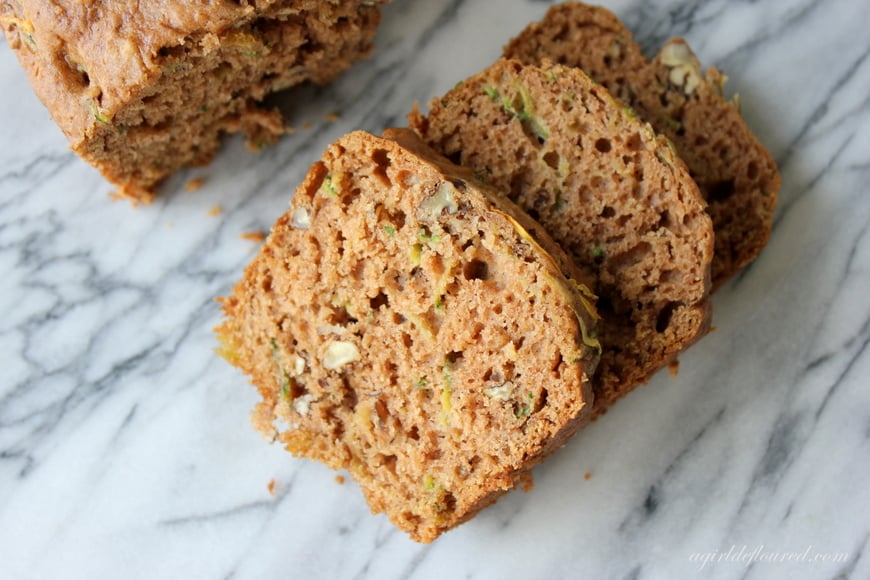
Zucchini bread is soft, lightly sweet, and a clever way to make vegetables act like dessert. Grated zucchini adds moisture without making the loaf taste like salad. Use gluten-free flour, eggs, oil, brown sugar, cinnamon, baking powder, and a pinch of nutmeg. Squeeze the zucchini lightly if it is very watery.
10. Gluten-Free Pumpkin Bread
Pumpkin puree gives gluten-free bread a plush texture and beautiful color. Combine pumpkin, eggs, oil, gluten-free flour, baking soda, cinnamon, ginger, cloves, and maple syrup or brown sugar. This loaf is ideal for fall, but honestly, pumpkin does not check the calendar.
11. Gluten-Free Cinnamon Swirl Bread
Take a soft gluten-free sandwich bread dough and add a ribbon of cinnamon sugar before baking. The trick is to avoid overfilling, because too much sugar can create gaps in the loaf. Toast a slice and add butter. Suddenly breakfast has main-character energy.
12. Gluten-Free Oat Bread
Certified gluten-free oats can add mild flavor, fiber, and tenderness. Use gluten-free oat flour or blended oats with a gluten-free flour mix, yeast, warm water, honey, oil, and psyllium husk. Let the batter rest so the oats hydrate fully. This bread is especially good with jam or avocado.
13. Gluten-Free Buckwheat Bread
Despite the name, buckwheat is not wheat. It has a hearty, nutty flavor that works well in rustic loaves. Blend buckwheat flour with tapioca starch or potato starch so the bread does not become too dense. Add seeds on top for crunch and confidence.
14. Gluten-Free Seeded Bread
This loaf is packed with sunflower seeds, pumpkin seeds, sesame seeds, chia, flax, or hemp hearts. Seeds add texture, healthy fats, and a satisfying bite. Use a mild gluten-free flour base so the seeds can shine. Slice thinly for open-faced sandwiches.
15. Gluten-Free Sourdough-Style Bread
True gluten-free sourdough uses a gluten-free starter made from rice flour, sorghum flour, buckwheat flour, or another safe grain. It takes time, but the flavor is tangy and complex. If you are not ready for starter parenthood, make a sourdough-style loaf with apple cider vinegar or yogurt for gentle tang.
16. Gluten-Free French Bread
French bread needs a crisp crust and tender interior. Use a gluten-free flour blend, yeast, warm water, salt, olive oil, and a binder. Shape the dough on parchment, slash the top, and bake with steam. It is ideal for garlic bread, bruschetta, or soup dunking with elegance.
17. Gluten-Free Bagels
Gluten-free bagels can be made with a sturdy dough using gluten-free bread flour, psyllium husk, yeast, sugar, salt, and warm water. Boil briefly before baking to create the classic chewy exterior. Add everything seasoning, sesame seeds, poppy seeds, or cinnamon raisin mix-ins.
18. Gluten-Free English Muffin Bread
This loaf gives you the flavor of English muffins without shaping individual rounds. A wetter batter, yeast, cornmeal dusting, and a loaf pan create a bread with nooks, crannies, and excellent toastability. It is basically breakfast architecture.
19. Gluten-Free Irish Soda Bread
Soda bread skips yeast and uses baking soda plus buttermilk for lift. Use gluten-free flour, salt, baking soda, buttermilk, egg, and optional raisins or caraway seeds. Shape it gently, score the top, and bake until golden. It is fast, rustic, and perfect with butter.
20. Gluten-Free Cheese Bread
Cheese bread is forgiving because cheese adds moisture, flavor, and structure. Fold shredded cheddar, mozzarella, or Parmesan into a gluten-free yeast dough or quick bread batter. Add herbs, garlic, or jalapeño for a savory loaf that disappears alarmingly fast.
21. Gluten-Free Brazilian Cheese Bread
Brazilian-style cheese bread, often made with tapioca starch, eggs, milk, oil, and cheese, is naturally gluten-free when ingredients are safe. The texture is chewy, airy, and snackable. Bake in mini muffin tins for little cheese puffs that make guests hover near the kitchen.
22. Gluten-Free Sweet Potato Bread
Mashed sweet potato adds color, moisture, and natural sweetness. Use it in a quick bread with gluten-free flour, eggs, cinnamon, nutmeg, baking powder, and oil. For a savory version, reduce the sugar and add rosemary, black pepper, or cheddar.
23. Gluten-Free Garlic Herb Pull-Apart Bread
Use gluten-free roll dough, divide it into small pieces, coat with garlic butter and herbs, then bake in a loaf pan or Bundt pan. The result is soft, shareable, and slightly dangerous because “just one piece” becomes a legal fiction.
24. Gluten-Free Pita Bread
Gluten-free pita can be tricky, but a hot oven and hydrated dough help. Use gluten-free flour, psyllium husk, yeast, salt, oil, and warm water. Roll into rounds and bake on a preheated surface. Even if every pita does not puff perfectly, it will still work as flatbread.
25. Gluten-Free Chocolate Chip Quick Bread
For dessert-style bread, combine gluten-free flour, eggs, yogurt or milk, oil, sugar, baking powder, vanilla, and chocolate chips. This loaf is soft, sliceable, and excellent with coffee. Is it bread? Is it cake? Let us not ruin a beautiful thing with labels.
Smart Gluten-Free Bread Baking Tips
Measure Carefully
Gluten-free baking is less forgiving than traditional baking. If possible, use a kitchen scale. Too much flour can make bread dry and crumbly; too little can make it gummy. Measuring by weight removes the “scoop and hope” method from your life.
Let the Bread Cool
Fresh gluten-free bread may look ready when it leaves the oven, but the inside continues setting as it cools. Cutting too early can create a gummy texture. Yes, waiting is hard. Bread has always been a test of character.
Store It the Right Way
Many gluten-free breads dry out faster than wheat bread. Slice the loaf after cooling, freeze the slices, and toast them as needed. This keeps texture fresher and prevents the tragic discovery of countertop bread that has turned into a decorative brick.
Avoid Cross-Contact
If you are baking for someone with celiac disease or serious gluten sensitivity, use clean utensils, cutting boards, pans, mixers, and surfaces. Shared toasters are a common problem, so use toaster bags or a dedicated gluten-free toaster when needed.
Real-Life Gluten-Free Bread Experience: What Actually Helps
The biggest lesson from gluten-free bread baking is that confidence matters, but humility matters more. Wheat bread dough lets you knead, stretch, poke, fold, and act like you are starring in a cozy countryside baking show. Gluten-free dough does not always want that relationship. It prefers being mixed, rested, shaped gently, and left alone. Once you accept that gluten-free bread dough is closer to thick batter than elastic dough, the whole process becomes less mysterious.
One common experience is the first loaf that looks gorgeous on top but turns out dense inside. This usually happens because the dough was too dry, under-proofed, over-proofed, or sliced too early. Gluten-free bread loves moisture, but it also needs enough structure to hold the rise. That is why recipe-specific binders matter. If a recipe calls for psyllium husk, do not casually swap in xanthan gum and expect identical results. That is like replacing a bicycle tire with a pancake and wondering why transportation has become emotional.
Another real-world trick is to start with recipes that are naturally friendly to gluten-free baking. Banana bread, pumpkin bread, cornbread, focaccia, and flatbread are excellent first projects. They do not demand the tall rise of sandwich bread, and they have built-in moisture from fruit, vegetables, oil, or generous olive oil. Once those feel easy, move to yeast sandwich bread, artisan loaves, rolls, and bagels.
Texture improves when you stop chasing exact wheat bread and start celebrating what gluten-free ingredients do well. Sorghum gives a gentle, rounded flavor. Buckwheat makes rustic bread taste hearty. Oat flour creates softness. Tapioca starch adds chew. Potato starch helps tenderness. Almond flour brings richness. Mixing these ingredients wisely is like building a small bread orchestra. Too much of one instrument and suddenly the tuba is in charge.
Flavor also matters. Many gluten-free loaves taste flat because the recipe is focused only on structure. Add a little honey, maple syrup, olive oil, butter, herbs, seeds, cinnamon, garlic, cheese, or toasted nuts depending on the style. Salt is essential, too. A loaf without enough salt tastes like it was baked during a power outage.
The freezer becomes your best friend. Homemade gluten-free bread is often at its best the day it is baked, but freezing slices keeps it practical. Put parchment between slices, freeze in a sealed bag, and toast straight from frozen. Suddenly breakfast is easy again. No panic. No crumb avalanche. No sad emergency rice cake pretending to be toast.
Most importantly, gluten-free baking gets better with repetition. The first loaf teaches you about hydration. The second teaches you about cooling. The third teaches you that your oven has opinions. By the fourth or fifth, you start understanding how dough should look, how long it should rise, and which recipes fit your taste. That is when gluten-free bread stops feeling like a restriction and starts feeling like a skill.
Conclusion
Gluten sensitivity does not have to mean saying goodbye to bread. It means learning a new baking language: more hydration, better binders, safe ingredients, careful measuring, and recipes designed for gluten-free success. From sandwich bread and focaccia to banana bread, cornbread, bagels, pita, and cheese bread, there are plenty of ways to bring soft, warm, sliceable happiness back to the table.
Start with one easy recipe, learn how your favorite gluten-free flour behaves, and keep notes. Your perfect loaf may not happen on the first try, but every batch gets you closer. And when that first warm slice comes out soft, fragrant, and ready for butter, you will know the truth: gluten-free bread is not a punishment. It is just bread with a slightly more dramatic personality.