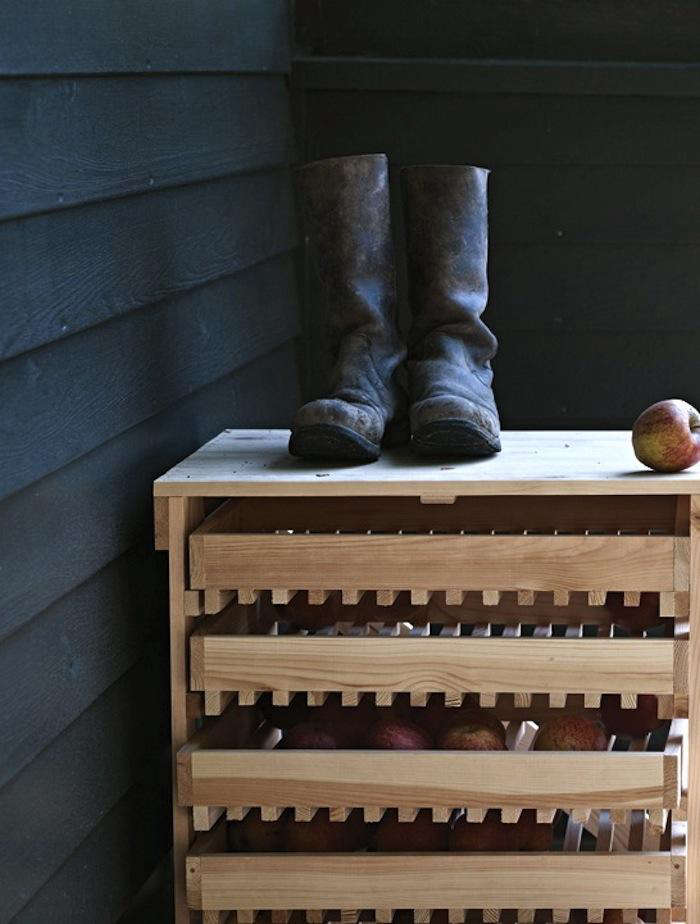
A five drawer apple rack may sound like something invented by a very organized orchard elf, but it is actually one of the most practical pieces of produce storage you can bring into a home, pantry, shed, garage, cellar, or homestead kitchen. At its simplest, it is a wooden storage rack with five pull-out drawers, usually built with slatted bases that allow air to move around apples instead of trapping them in a stuffy little fruit sauna.
That airflow matters. Apples are living produce even after they are picked. They continue to breathe, release moisture, and produce ethylene gas, the natural ripening hormone that can turn a crisp harvest into a soft, wrinkled reminder that good intentions do not count as storage strategy. A five drawer apple rack helps solve the old “big bag of apples in the corner” problem by giving every apple space, visibility, and a fighting chance.
Whether you grow backyard apples, buy bushels from a local orchard, shop farmers markets in fall, or simply love the idea of having fresh fruit ready for pies, lunchboxes, cider, snacks, and emergency midnight crunching, a five drawer apple rack can make storage easier, cleaner, and more attractive. It is not a magic box. You still need the right temperature, humidity, apple variety, and inspection routine. But when used correctly, it turns apple storage from a guessing game into a tidy system.
What Is a Five Drawer Apple Rack?
A five drawer apple rack is a compact produce storage unit designed to hold apples in shallow, ventilated drawers. Traditional versions are often made from pine or another unfinished or lightly finished wood. The drawers slide out like trays, which makes it easy to load, inspect, rotate, and remove fruit without digging through a pile.
The best apple racks share three important features: open airflow, shallow storage, and easy access. Slatted drawer bottoms allow air to circulate under and around the apples. Shallow drawers prevent too much weight from pressing down on the fruit. Pull-out access lets you check the apples regularly, which is essential because one soft apple can become the tiny villain in a five-drawer drama.
The “five drawer” size is especially useful for home storage because it is large enough to handle a meaningful apple harvest but not so large that it takes over the room like a wooden produce skyscraper. It can fit in a pantry, mudroom, insulated garage, cool basement, enclosed porch, or garden shed, depending on the climate and season.
Why Apple Storage Needs More Than a Bowl on the Counter
A bowl of apples looks beautiful on a kitchen counter. It says, “I am wholesome, seasonal, and possibly about to bake something with cinnamon.” Unfortunately, the countertop is usually not the best place for long-term apple storage. Room temperature speeds ripening. Apples soften faster, lose moisture, and may become mealy before you get through the batch.
For short-term display, a fruit bowl is fine. If you plan to eat the apples within a few days, go ahead and enjoy the cozy farmhouse look. But for storing a harvest or a large purchase, apples generally prefer cool conditions, high humidity, and ventilation. That is where a five drawer apple rack becomes valuable.
The rack does not replace refrigeration in every situation, especially in warm homes. Instead, it creates an organized, breathable storage environment that works best in a cool location. Think of it as a home base for apples: neat, accessible, and far better than leaving them in a plastic bag where moisture and bruising can quietly ruin the party.
The Science Behind a Good Apple Rack
Airflow Helps Prevent Moisture Trouble
Apples need humidity to avoid shriveling, but too much trapped moisture can encourage mold and rot. This is why slatted drawers are so useful. Air movement reduces stagnant dampness around the fruit. A five drawer apple rack gives each layer breathing room, especially when apples are stored in a single layer instead of stacked deeply.
Good airflow also makes inspection easier. You can slide out a drawer, look at every apple, and remove any fruit that is bruised, leaking, or softening. In storage, visibility is power. If you cannot see the fruit, you cannot manage it.
Temperature Controls Ripening Speed
Cool storage slows apple respiration and ripening. Many home storage guides recommend temperatures close to refrigerator conditions, often around 30 to 32 degrees Fahrenheit, while avoiding actual freezing damage. This is why cellars, unheated but protected garages, and cool sheds can work well in some climates.
However, the location matters. A garage that swings from freezing nights to warm afternoons is not ideal. A shed with rodents, insects, or damp flooring is also not the dream. The rack performs best in a clean, dark, cool, stable place where apples will not freeze, sweat, or become a buffet for uninvited guests.
Ethylene Gas Needs Respect
Apples produce ethylene gas as they ripen. Ethylene is natural, invisible, and surprisingly bossy. It can speed ripening and spoilage in nearby fruits and vegetables. This is why apples should not be stored right beside leafy greens, carrots, parsnips, broccoli, cabbage, cucumbers, squash, or other ethylene-sensitive produce.
A five drawer apple rack helps by giving apples their own dedicated zone. If you use the rack for mixed produce, be strategic. Apples can share space with other apples, but they should be separated from vegetables that dislike ethylene. In other words, the apple rack should not become a chaotic produce apartment complex where everyone’s lease ends early.
Best Apples for a Five Drawer Apple Rack
Not all apples store the same way. Some are born for fresh eating right away, while others are better suited for weeks or months of storage. Late-season, firm apples usually keep better than early-season soft varieties. Good storage apples often include Fuji, Granny Smith, Winesap, Rome, Braeburn, GoldRush, Arkansas Black, Red Delicious, and Golden Delicious. Availability depends on region, orchard, and season.
For a five drawer apple rack, choose apples that are mature, firm, and free from bruises, punctures, insect damage, or soft spots. Apples with broken skin should be used first for sauce, baking, cider, chutney, or snacking. Do not place damaged apples into long-term storage and hope for the best. Hope is lovely in poetry; it is less effective against mold.
If you buy apples from an orchard, ask which varieties store best. Growers often know exactly which apples are “eat this week” varieties and which ones can sit happily in cool storage. If you harvest your own apples, handle them gently. Dropping apples into a bucket may feel efficient, but every thud can create a bruise that shortens storage life.
How to Load a Five Drawer Apple Rack
Sort Before You Store
Before loading the rack, sort apples into three groups: perfect storage apples, use-soon apples, and damaged apples. Perfect apples go into the rack. Use-soon apples go into the kitchen or refrigerator. Damaged apples become applesauce, pie filling, dried apples, cider, or compost, depending on their condition.
This simple sorting step saves frustration later. A rack full of clean, firm apples is easier to manage and more likely to keep well. A rack full of mixed-quality apples becomes a weekly mystery novel, and the ending is usually sticky.
Keep Apples in a Single Layer
The ideal arrangement is a single layer of apples in each drawer, with a little space between the fruits. This reduces bruising and improves airflow. If your drawers are deep and you must stack apples, use clean paper or cardboard dividers and keep the heaviest apples on the bottom. Still, single-layer storage is best whenever possible.
Place apples stem-side up or on their sides, whichever allows them to rest without rolling. Avoid forcing too many into one drawer. A crowded drawer may look satisfyingly abundant for about three days, then quickly become a lesson in why airflow matters.
Label the Drawers
Labeling is optional, but it is surprisingly useful. You can label drawers by variety, harvest date, orchard source, or “eat first.” For example, one drawer might hold Granny Smith apples for baking, another Fuji apples for snacking, and another slightly imperfect apples that should be used soon.
Labels turn a basic apple rack into a small storage system. They also prevent the classic household question: “Which apples are these?” followed by everyone staring at five drawers as if the apples might introduce themselves.
Where to Place a Five Drawer Apple Rack
The best location is cool, dark, clean, and ventilated. A basement, cellar, enclosed porch, insulated garage, pantry, or mudroom may work, depending on the season. The rack should be kept away from direct sunlight, heaters, ovens, dryers, and warm appliances.
Avoid damp floors. If the rack sits in a basement or garage, raise it slightly or make sure the feet are protected from moisture. Wood can absorb dampness, and damp wood can encourage mold. Keep the rack away from chemicals, fuel, paint, fertilizers, and anything else you would not want perfuming your apples. “Hints of gasoline and lawn feed” is not a flavor profile anyone requested.
If you live in a warm climate, a five drawer apple rack may be better for short-term pantry organization than long-term storage. In that case, use the rack for a smaller quantity of apples and keep backup apples in the refrigerator. The rack can still be useful for visibility and daily access.
Cleaning and Maintaining the Rack
A five drawer apple rack should be cleaned between storage seasons. Remove all fruit, brush out leaves or stems, wipe the drawers, and let the wood dry completely before reloading. If a drawer held a rotten apple, clean it promptly and thoroughly. Do not let sticky juice soak into the wood.
Use food-safe cleaning habits. Avoid harsh chemical residues. A mild soap solution followed by a clean damp wipe and full drying is usually enough for general cleaning. If the rack is unfinished wood, do not soak it. Wood and excess water have a complicated relationship, much like apples and warm countertops.
Check screws, drawer runners, slats, and joints. Tighten loose hardware. Sand rough edges if needed. A well-maintained rack can last for years, especially if it stays dry and protected from weather.
Five Drawer Apple Rack vs. Crates, Baskets, and Refrigerator Drawers
Crates are excellent for large harvests because they offer airflow and stackability. However, deep crates can make it difficult to inspect apples at the bottom. Baskets look charming but often encourage piling, which can bruise fruit. Refrigerator drawers offer cold conditions but limited space.
A five drawer apple rack sits nicely between those options. It is more organized than a basket, easier to inspect than a deep crate, and more attractive than a pile of produce bags in the fridge. It also gives home gardeners a dedicated place for their harvest without turning every flat surface into Apple Headquarters.
The downside is that a wooden rack does not create cold temperatures by itself. It depends on the room around it. If the room is too warm, apples will still ripen quickly. If the room is too dry, apples may shrivel. If the room freezes, the apples may be damaged. The rack is a tool, not a climate-control machine.
Creative Uses Beyond Apples
Although designed for apples, a five drawer rack can also organize other produce with similar storage needs. Pears, onions, garlic, shallots, and certain firm fruits may use the rack well for short-term storage, depending on temperature and humidity. Just remember that not all produce should live together.
Because apples release ethylene, avoid storing them in the same rack with ethylene-sensitive vegetables for long periods. If you want to use the rack for mixed produce, dedicate separate drawers and use items quickly. The safest approach is to keep the rack mainly for apples during apple season, then repurpose it for onions, potatoes, winter squash, or pantry items after the apples are gone.
Some homeowners also use five drawer racks for tea towels, jars, seed packets, gardening gloves, lunchbox snacks, or root cellar organization. The rack has rustic charm, so it can look good in a farmhouse kitchen or pantry even when it is not filled with fruit.
Common Mistakes to Avoid
Washing Apples Before Storage
Wash apples before eating or preparing them, not before long-term storage. Extra moisture can encourage spoilage if apples are stored damp. If apples are dirty from harvest, gently brush off loose debris and save the full rinse for later.
Ignoring One Bad Apple
The old saying exists for a reason. Check the rack weekly. Remove any apple that is soft, leaking, moldy, or strongly aromatic. A single spoiled apple can affect nearby fruit, especially in a closed or crowded space.
Choosing the Wrong Location
A beautiful rack in a warm kitchen may be decorative, but it will not provide long-term storage. For keeping apples longer, choose the coolest safe area available. If that is not possible, store fewer apples in the rack and refrigerate the rest.
Overloading the Drawers
Do not pack apples so tightly that air cannot move. A five drawer apple rack works because of circulation and visibility. Overloading defeats both benefits. Give the apples room. They are fruit, not luggage.
Buying or Building a Five Drawer Apple Rack
When shopping for a five drawer apple rack, look for sturdy construction, smooth drawer movement, slatted bases, and enough spacing between drawers for ventilation. Check the dimensions carefully. A rack that looks modest online may be larger than expected once it arrives, especially if your pantry already has a broom, mop, recycling bin, dog food container, and three mystery boxes competing for space.
For DIY builders, untreated wood, simple joinery, and removable trays are common choices. The drawers should be shallow, strong, and easy to pull out. Leave gaps between slats for airflow but not so much space that smaller apples wobble or fall through. If the rack will sit in a garage or cellar, consider adding feet, casters, or a raised base to keep it away from damp flooring.
Whether bought or built, the best five drawer apple rack is not necessarily the fanciest. It is the one you will actually use, inspect, clean, and keep in the right place.
Experience Notes: Living With a Five Drawer Apple Rack
The first thing you notice after using a five drawer apple rack is how much calmer apple season feels. Without a rack, a big apple purchase tends to spread through the house. A bag goes in the fridge, a bowl sits on the counter, a box waits by the back door, and someone eventually asks why there is an apple under the mail. With a rack, the harvest has a destination. That alone feels like winning.
Loading the drawers becomes a small ritual. You sort the apples, admire the prettiest ones, rescue the bruised ones for baking, and arrange the keepers in neat rows. It feels practical but also satisfying in the same way organizing a pantry or sharpening a good kitchen knife feels satisfying. Suddenly, apples are not just food; they are inventory, possibility, and future pie.
The pull-out drawers make a real difference. Instead of digging through a box and accidentally bruising three apples to find one, you can slide out a drawer and scan everything at once. This encourages better habits. You notice the apple with a small soft spot before it becomes a science project. You remember which drawer holds the tart baking apples. You use the older fruit first. The rack gently nags you toward organization without making a sound.
There is also something charming about the look of it. A five drawer apple rack brings a little orchard energy indoors. It gives a pantry or cellar that “prepared but not panicked” feeling. Guests may even comment on it, because apparently apples in drawers look more impressive than apples in plastic bags. The same fruit becomes rustic decor simply because it has better real estate.
Of course, the rack teaches humility too. If you place it somewhere too warm, the apples will remind you quickly. If you ignore inspection day, the bottom drawer may deliver unpleasant news. If you mix apples with delicate vegetables, the vegetables may age dramatically, like they just heard stressful gossip. The rack is helpful, but it still expects you to participate.
The best routine is simple: keep the rack cool, avoid overfilling, inspect once a week, and move any imperfect apples into the kitchen. Those “use now” apples become sauce, muffins, skillet apples, oatmeal toppings, pork chop companions, or lunchbox snacks. In that way, the rack reduces waste not only by preserving perfect apples but by making imperfect ones visible before they are lost.
Over time, a five drawer apple rack can change how you buy and use apples. Instead of purchasing a few at a time, you may feel confident buying a larger seasonal batch from a local orchard. You may start learning which varieties your household eats fastest and which ones store best. You may even become the kind of person who says, “These are for storage, those are for pie,” with alarming confidence. That is when you know the rack has done its work.
In the end, the experience is not just about storing apples. It is about slowing down a seasonal food, respecting the harvest, and making everyday eating a little more intentional. Also, it is about not finding a forgotten apple in a tote bag three weeks later. That benefit alone deserves applause.
Conclusion
A five drawer apple rack is a smart, attractive, and practical solution for anyone who wants to store apples with less waste and more order. Its strength lies in simple design: shallow drawers, good airflow, easy inspection, and dedicated storage space. When paired with cool temperatures, high humidity, careful sorting, and weekly checks, it can help extend the useful life of apples and make harvest season far easier to manage.
The key is to treat the rack as part of a storage system, not a miracle cabinet. Choose firm, undamaged apples. Keep them away from ethylene-sensitive vegetables. Store the rack in a cool, clean, dark location. Do not wash apples until you are ready to use them. Check the drawers regularly. Follow those habits, and your five drawer apple rack can become one of the most useful pieces in the pantry.
It may not be flashy. It will not connect to Wi-Fi, play music, or send you a notification when a Fuji gets moody. But it does something better: it keeps good food visible, organized, and ready to enjoy. For apple lovers, gardeners, bakers, and practical home organizers, that is more than enough.
Note: This article is written for general home storage and organization purposes. For food safety, always wash apples under running water before eating or cutting, avoid soap or detergent on produce, and discard fruit that shows mold, leakage, or serious decay.