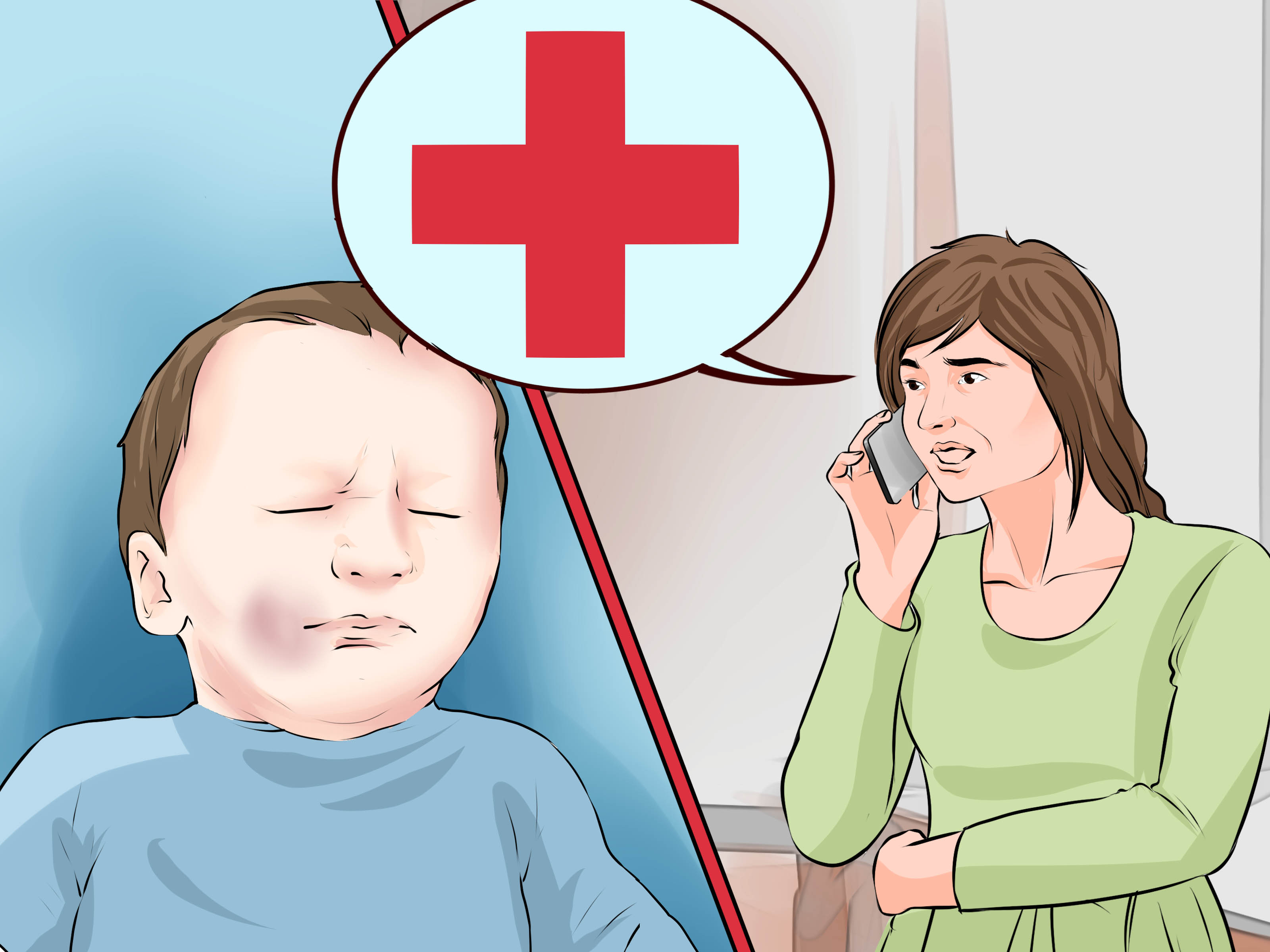
Note: This article is for informational purposes only and is not a substitute for medical care. If a fever comes with severe confusion, a stiff neck, seizure, breathing trouble, or a child who is hard to wake, get medical help right away.
A fever can do strange things to the human brain. One minute you are wrapped in blankets, bargaining with a thermometer like it owes you rent. The next, you are absolutely certain the coat rack is whispering bad advice. That strange, spooky in-between state is why so many people ask about fever hallucinations and whether they are a harmless side effect of being sick.
The honest answer is: sometimes yes, but not always. Brief fever-related hallucinations can happen, especially when someone has a high temperature, poor sleep, dehydration, or a viral illness that leaves the body feeling like a crumpled paper bag. In many cases, the odd sights, sounds, or sensations fade as the fever comes down and the person rests. But hallucinations during a fever should never be brushed off automatically, because they can also signal something more serious, including delirium, encephalitis, meningitis, sepsis, or a neurologic complication of influenza.
That is what makes this topic tricky. It sits right at the intersection of “probably temporary” and “please do not try to power through this with sports drinks and optimism.” So let’s sort out what fever hallucinations are, why they happen, when they are usually short-lived, and when they deserve urgent medical attention.
What Are Fever Hallucinations?
Fever hallucinations are false sensory experiences that happen while someone has a fever. A person may think they see movement in the room, hear voices or sounds that are not there, or feel briefly disconnected from what is real. These episodes may be mild and fleeting, or they may show up as confusion, disorientation, and behavior that feels very out of character.
In everyday life, people often use the word hallucination to describe several different experiences at once. But medically speaking, there is a difference between a true waking hallucination and other fever-related symptoms that can feel just as bizarre.
Fever Dreams vs. Fever Hallucinations
This is where a lot of confusion starts. Fever dreams usually happen during sleep. They are often vivid, surreal, emotional, and deeply weird in a way that only a sick brain can invent. You might dream your bedroom is tilting, your pillow is breathing, or your math teacher is now a lighthouse. Fever dreams are unpleasant, but they are generally not dangerous on their own.
Fever hallucinations, by contrast, happen while the person is awake or partly awake. They may open their eyes and insist there are bugs on the wall, music in the hallway, or someone standing by the bed when nobody is there. Sometimes the experience is more like delirium than a classic hallucination: confusion, agitation, a child saying nonsensical things, or an adult who cannot follow a conversation and seems lost in familiar surroundings.
In short, a fever dream is a sleep-stage oddity. A fever hallucination is a waking event. Both are unsettling. Only one of them may point to a more serious medical problem.
Why a Fever Can Mess With the Mind
A fever is not just “feeling hot.” It is part of the body’s inflammatory response to infection or illness. When body temperature rises, sleep quality often worsens, dehydration becomes easier, and the brain has to function under physical stress. Add pain, chills, medications, exhaustion, and reduced appetite, and suddenly the mind is working under terrible office conditions.
That combination can create the perfect setup for altered perception. A person may drift in and out of sleep, misinterpret sounds, have trouble orienting themselves, or briefly lose the line between dream material and waking reality. Children can be especially dramatic about it, which is not an insult; it is practically their brand. Their brains and nervous systems can react quickly to fever spikes, and some kids become glassy-eyed, frightened, or unusually talkative when their temperature rises fast.
Adults can experience it too, particularly when the fever is high, sleep has been poor, hydration is low, or the underlying illness is hitting hard. In older adults, confusion with fever deserves special attention because delirium can develop more easily and may be the first sign that an infection is becoming serious.
So, Are Fever Hallucinations Harmless?
The best answer is: they can be harmless when they are brief, clearly tied to a fever, and improve as the illness improves. If someone has the flu, spikes a temperature, becomes briefly disoriented, says something odd, then settles after fluids, fever medicine, and sleep, that can fit the picture of a temporary fever-related episode.
But the word harmless needs a seatbelt. Hallucinations are not the kind of symptom you want to shrug off with “well, bodies are quirky.” They are a signal that the brain is under stress. Sometimes that stress is temporary and resolves quickly. Sometimes it is a clue that the body is fighting something more dangerous than an ordinary viral infection.
A good rule of thumb: the shorter and milder the episode, the more likely it is to be a passing side effect of fever. The more intense, prolonged, or medically complicated the episode is, the more urgently it should be evaluated.
When It Is More Likely to Be Temporary
- The person has a known fever and common illness symptoms, such as a viral infection.
- The episode is brief and fades as the fever comes down.
- The person becomes more coherent after rest, hydration, and cooling off.
- There are no other neurologic warning signs, such as seizure, stiff neck, or trouble staying awake.
When It Is Not Safe to Assume It Is Harmless
- Confusion or hallucinations continue even after the fever improves.
- The person is difficult to wake, unusually lethargic, or not acting like themselves.
- There is a stiff neck, severe headache, rash, repeated vomiting, or trouble breathing.
- The person has a seizure or seems to lose consciousness.
- An infant has a fever, or a child looks seriously ill.
- The fever is very high, lasts too long, or returns with worsening symptoms.
Common Causes Behind Fever Hallucinations
Sometimes the fever itself is the main driver. Other times, the underlying cause of the fever matters more than the temperature number. Viral infections, influenza, dehydration, medication side effects, sleep disruption, and high fever can all contribute to altered thinking.
There are also more serious possibilities that doctors look for when fever and hallucinations appear together. These include encephalitis, meningitis, sepsis, severe influenza complications, and other causes of delirium. In those cases, hallucinations are not just a weird side note. They are a clue that the central nervous system may be affected.
This is why context matters so much. A child who briefly thinks the curtains are moving during a 103-degree fever may recover beautifully after sleep and fluids. A child with fever, hallucinations, stiff neck, and trouble staying awake is in a completely different category. Same symptom family, very different level of concern.
What Parents and Caregivers Usually Notice First
In children, fever hallucinations do not always arrive with a big neon sign labeled hallucination. Sometimes they look like:
- talking to people who are not there
- staring at corners or objects with fear
- saying the room looks strange or things are getting bigger or smaller
- crying, panicking, or becoming unusually clingy
- mixing dream content with waking speech
- sudden confusion or not recognizing familiar surroundings for a short time
Adults may describe the experience differently. They might say they heard someone call their name, saw shadows moving, felt the room shifting, or woke from sleep unable to tell what was real for a minute or two. Older adults may simply seem “off,” withdrawn, disorganized, or unexpectedly agitated.
And yes, it can be terrifying to witness. The good news is that in mild cases, the episode often passes fairly quickly. The bad news is that “fairly quickly” feels like three business years when you are standing in pajamas next to a sick kid who just accused the lamp of blinking on purpose.
What to Do at Home
If the person is otherwise stable and the episode seems mild and short-lived, focus on the basics of fever care:
1. Lower the fever safely
Use age-appropriate fever reducers such as acetaminophen or ibuprofen if a healthcare professional has said they are safe for that person. Follow dosing instructions carefully. Do not give aspirin to children or teens with fever unless a clinician specifically tells you to.
2. Push fluids
Fever increases fluid loss. Dehydration can worsen dizziness, weakness, and confusion. Offer water, oral rehydration solutions, soup, breast milk, formula, or other suitable fluids depending on age.
3. Keep the room calm
Dim lighting, a quiet voice, and a reassuring presence help more than frantic questioning. If someone is seeing or hearing something unreal, do not argue aggressively. Stay grounded and say simple things like, “You’re safe. I’m here. You have a fever, and we’re taking care of you.”
4. Watch the timeline
Did the confusion last one minute or one hour? Did it stop when the fever dropped? Did it happen again? Those details help determine whether this was a passing episode or something that needs urgent care.
5. Monitor for red flags
If symptoms escalate or do not improve, seek medical help. Fever plus ongoing altered mental status is not a “wait three days and see what happens” situation.
When to Call the Doctor or Go Now
Call urgently or seek emergency care if fever hallucinations happen along with any of the following:
- stiff neck
- severe headache
- seizure or shaking episode
- trouble breathing
- persistent vomiting
- new rash
- confusion that does not clear
- extreme sleepiness or trouble waking the person
- a child who cannot be consoled or will not respond normally
- signs of dehydration, such as very little urine, dry mouth, or no tears when crying
For infants, fever deserves extra caution. In babies, even a modest temperature can require prompt medical evaluation. When in doubt, especially with very young children, it is smarter to call than to guess.
The Big Picture
So, is “Fever Hallucinations: A Harmless Side Effect” a fair headline? Sort of. It is fair only if we add the missing fine print: fever hallucinations can be harmless when brief and self-limited, but they should never be dismissed automatically.
That nuance matters. People hear the word hallucination and assume the worst, while others hear fever and assume it is no big deal. Reality sits in the middle. The symptom can be temporary, but it still deserves attention. The real job is not panicking and not minimizing. It is observing carefully, treating the fever safely, and knowing the red flags that turn “odd but probably okay” into “time for medical care.”
In many ordinary illnesses, the brain settles once the body settles. The fever drops, the room stops tilting, the imaginary choir goes off shift, and everyone finally gets some sleep. But if the confusion sticks around, becomes intense, or shows up with other warning signs, trust the symptom. A hallucination with fever is the kind of clue that should make you pay attention.
Experiences People Often Describe With Fever Hallucinations
One reason this topic worries families so much is that the experience can feel incredibly dramatic even when it turns out to be brief. A child may wake from a nap flushed and frightened, point to the ceiling, and insist there are animals moving across it. Ten minutes later, after medicine, cool fluids, and being held, the same child may look exhausted and ask for crackers like nothing happened. That whiplash is emotionally brutal for caregivers. It can feel like the body turned a basic fever into a horror movie trailer and then forgot to explain itself.
Adults often describe a different version of the same strange territory. They may say they knew something was off but could not quite hold onto reality. A person with the flu might drift in and out of sleep and wake convinced someone just spoke from the doorway. Another might stare at a chair in a dark room and swear it is slowly changing shape. These moments are often tied to sleep disruption, body aches, sweating, dehydration, and that foggy, overheated feeling where your brain seems to be running on one exhausted battery.
Parents also talk about the emotional challenge of deciding what is normal and what is dangerous. Was the child half-asleep? Was it a fever dream spilling into wakefulness? Was it confusion? Was it a seizure coming on? The uncertainty can be worse than the symptom itself. Many describe standing next to a bed at 2 a.m. with a thermometer in one hand and their full ancestry in the other, trying to remain calm while a child says something wildly unsettling. That emotional response is normal. Fever hallucinations are not just medically confusing; they are deeply unnerving to witness.
Another common experience is guilt. Caregivers sometimes blame themselves for not giving medicine sooner, not catching the fever early, or not pushing more fluids. Most of the time, that guilt is misplaced. Fevers can rise quickly, and odd mental symptoms can appear suddenly. What matters most is what happens next: noticing the change, staying with the person, checking temperature, giving appropriate care, and getting medical help when warning signs appear.
People who have had fever hallucinations themselves often remember the emotional tone more than the exact details. They may not recall every image or sound, but they remember fear, distortion, and the sense that the world was briefly not trustworthy. That is why reassurance matters so much. A calm voice, a cool cloth, a sip of water, and someone saying “You’re sick, but you’re safe, and I’m here” can be grounding in a moment that feels unreal.
The most reassuring pattern is this: the fever comes down, awareness improves, the person becomes more like themselves, and the episode does not repeat. That arc suggests a temporary brain-under-stress event rather than a progressing neurologic emergency. Still, many families never forget the first time they see it. And honestly, that makes sense. Few things will humble a household faster than a virus, a midnight temperature spike, and a child calmly asking why there are fish on the wallpaper.
Conclusion
Fever hallucinations sit in a gray area that calls for both calm and caution. They can be a temporary, harmless side effect of a high fever, poor sleep, and illness-related stress on the brain. But they can also be a warning sign that the illness is affecting the nervous system more seriously. The smartest response is not fear and not denial. It is observation, safe fever care, hydration, rest, and quick medical evaluation when symptoms are severe, persistent, or paired with red flags. In other words: respect the symptom, treat the fever, and let common sense wear the stethoscope.