A baby with a stuffy nose can sound like a tiny, wheezy accordion at 2 a.m. and still somehow look offended that you are tired. Nasal congestion is one of the most common reasons parents panic, pace, and whisper things like, “Why is this child louder than a leaf blower?” The good news is that most stuffy noses in babies are caused by common viral colds, dry air, or mild irritation, and they often get better with simple home care.
The trick is knowing what actually helps. A baby cannot blow their nose, and that makes even mild congestion feel dramatic, especially during feeding and sleep. When mucus sits in those tiny nasal passages, babies may nurse less efficiently, wake more often, fuss more, and sound downright miserable. Fortunately, there are safe, pediatrician-approved ways to loosen mucus, help it come out, and make breathing easier.
In this guide, we will walk through five practical ways to clear a baby’s stuffy nose, what to avoid, and when congestion is no longer just “one of those baby things” and deserves a call to the pediatrician. Think of this as your no-nonsense, no-mystery roadmap to surviving sniffle season with your sanity mostly intact.
Why Babies Get Stuffy Noses So Easily
Babies are congestion magnets for a few simple reasons. First, their nasal passages are tiny. A small amount of swelling or mucus can make a big difference. Second, newborns and young infants are mostly nose breathers, which means nasal congestion feels more disruptive to them than it does to an older child who can switch to mouth breathing and move on with life. Third, babies cannot blow their noses, so mucus tends to linger unless a caregiver steps in.
Common causes include viral colds, dry indoor air, seasonal irritants, spit-up that irritates the nose and throat, and normal newborn congestion. Sometimes a stuffy nose is just annoying. Sometimes it interferes with feeding, naps, and everyone’s mood. Either way, the goal is not to “cure” the cold overnight. It is to help your baby breathe, eat, and rest more comfortably while the illness runs its course.
1. Use Saline Drops to Loosen Thick Mucus
If there were a baby congestion hall of fame, saline drops would get a first-ballot induction. Saline is simply saltwater, and it helps moisten dry nasal passages and loosen sticky mucus so it is easier to remove. This is often the first step because suctioning without saline is like trying to clean dried oatmeal off a spoon with a stern look.
How to use saline drops
Lay your baby down safely or hold them in a slightly reclined position. Place a drop or two of saline in each nostril. Then wait a short moment to let the saline soften the mucus. You do not need to flood the nose like you are irrigating a houseplant. A little goes a long way.
Saline can be especially helpful before feeding and before sleep, when congestion tends to cause the most frustration. If your baby starts sneezing after the drops, congratulations: sometimes the nose handles the cleanup for you.
Why parents love this method
Saline is simple, easy to find, and does not rely on medicated ingredients. It works well for dried-out mucus and crusting, especially during winter or after a long nap in a room with dry air. For many babies, saline alone already makes a noticeable difference in breathing.
One practical example: if your baby is unlatching every few seconds during a bottle or breastfeeding session, try saline first, wait a minute, and then continue with the rest of your congestion routine. Feeding often goes more smoothly once the nose is less blocked.
2. Try Gentle Suction With a Bulb Syringe or Nasal Aspirator
Once saline has loosened the mucus, suction can help remove it. This is the part of the process that many parents both appreciate and dread. On one hand, it works. On the other hand, some babies react as though you have betrayed the entire family line. That does not mean you are doing something wrong. It means your baby has opinions.
How to suction safely
If you are using a bulb syringe, squeeze the bulb first before gently placing the tip just inside the nostril. Then slowly release the bulb to create suction. Remove the mucus, clean the bulb, and repeat on the other side if needed. If you are using a nasal aspirator, follow the product directions carefully and keep the process gentle.
The goal is to clear mucus, not wage war on the nostrils. Too much suctioning can irritate the delicate lining of the nose and make your baby even more uncomfortable. In real life, that means you should use it when your baby seems genuinely blocked, especially before feeds and bedtime, not every time you hear a tiny snuffle from across the room.
When suction works best
Timing matters. Suction is often most useful about 10 to 15 minutes before feeding, because babies need to breathe through their noses while sucking. It can also help before naps or bedtime, when congestion seems to become dramatically more theatrical.
If the mucus is dry, suction alone may not do much. That is why saline first, suction second is the gold-standard pairing. Think of saline as the warm-up act and suction as the headliner.
3. Run a Cool-Mist Humidifier
Dry air and baby noses are not friends. A cool-mist humidifier adds moisture to the air, which can help loosen congestion and make breathing more comfortable. This is especially helpful in cold weather, during heating season, or anytime your baby’s room feels dry enough to audition as a desert set.
How to use a humidifier the right way
Place a cool-mist humidifier in your baby’s room, ideally where the moisture can circulate but not blow directly into the crib. Use plain water and clean the device exactly as directed. This part matters. A neglected humidifier can turn from helpful sidekick into germ-spreading swamp machine.
Many parents find that running a humidifier overnight helps reduce dryness and morning congestion. It is not magic, but it can take the edge off stuffiness and help mucus stay softer and easier to clear.
Why cool mist beats warm mist
For babies and young children, cool mist is generally preferred because it avoids the burn risk that comes with hot water or warm-mist devices. If you are trying to help a congested baby breathe easier, you want fewer hazards in the room, not more.
This can be a great option if your baby sounds stuffy but does not need frequent suctioning. Sometimes the environment itself is part of the problem, and adding moisture solves more than parents expect.
4. Use Steam From a Warm Bathroom
Steam is a classic congestion trick for a reason. Moist air can help loosen mucus and make the nose feel less clogged. The safest way to do this for a baby is not to hover over hot water like you are preparing for an old movie scene. Instead, turn the shower on hot, close the bathroom door, let the room get steamy, and then sit with your baby in the bathroom for several minutes.
What this looks like in real life
You do not need a spa soundtrack or eucalyptus leaves hanging from the showerhead. Just a comfortably warm, steamy bathroom. Hold your baby, keep them away from hot water, and let them breathe in the moist air. This can be especially useful before suctioning, because steam may help soften mucus first.
For some families, this becomes part of the bedtime routine during a cold: steam, saline, gentle suction, then feed, then sleep. That sequence often works better than trying to fix congestion after the baby is already angry, hungry, and fully committed to chaos.
When steam is most helpful
Steam can be a good option when your baby sounds congested but the mucus is not easily coming out. It can also help if you do not have a humidifier handy or need a quick way to loosen things up before a feed. Just remember that the benefit comes from the moist air, not from getting close to heat.
5. Support Hydration and Feeding
When adults get a cold, we complain, drink tea, and Google things we probably should not. Babies, meanwhile, just get stuffy and try to eat through it. Congestion can make feeding harder because babies have to coordinate sucking, swallowing, and breathing through tiny nasal passages. Helping your baby stay hydrated can thin mucus and keep them more comfortable overall.
What to do during feeds
Offer breast milk or formula as usual. If your baby is struggling, smaller and more frequent feeds may work better than longer ones. Clearing the nose right before feeding can make a noticeable difference. Some parents also find that holding the baby more upright during feeds helps them manage congestion more comfortably.
If your baby is having fewer wet diapers, seems too tired to feed, or cannot stay latched because they are working too hard to breathe, that is a sign to check in with a pediatrician sooner rather than later.
One important sleep note
Parents are often tempted to prop a baby up for sleep when the nose is stuffy. Resist the urge. Babies should still sleep on a firm, flat surface on their backs, without pillows, wedges, or positioners. Clear the nose before sleep instead of trying to “fix” congestion with unsafe sleep setups.
What Not to Do
When your baby is miserable, the temptation to try every remedy on earth is real. But some common ideas are either unhelpful or unsafe.
Skip over-the-counter cold medicine for babies
Cold and cough medicines are not recommended for very young children, and they can cause serious side effects. A stuffed baby nose is frustrating, but this is not the moment for mystery syrups and wishful thinking.
Do not overdo suction
More is not better. Excessive suctioning can irritate the nose and make swelling worse. Use it strategically, especially before eating and sleeping.
Avoid strong scents and smoke
Tobacco smoke, heavy fragrances, and irritating vapors can make nasal symptoms worse. Keep the air around your baby as clean and simple as possible.
Be careful with “natural” rubs and oils
Just because something sits on a wellness shelf does not mean it belongs near a baby’s face. Products with strong menthol or essential oils can irritate some infants. When in doubt, keep the plan boring, gentle, and pediatrician-approved.
When to Call the Pediatrician
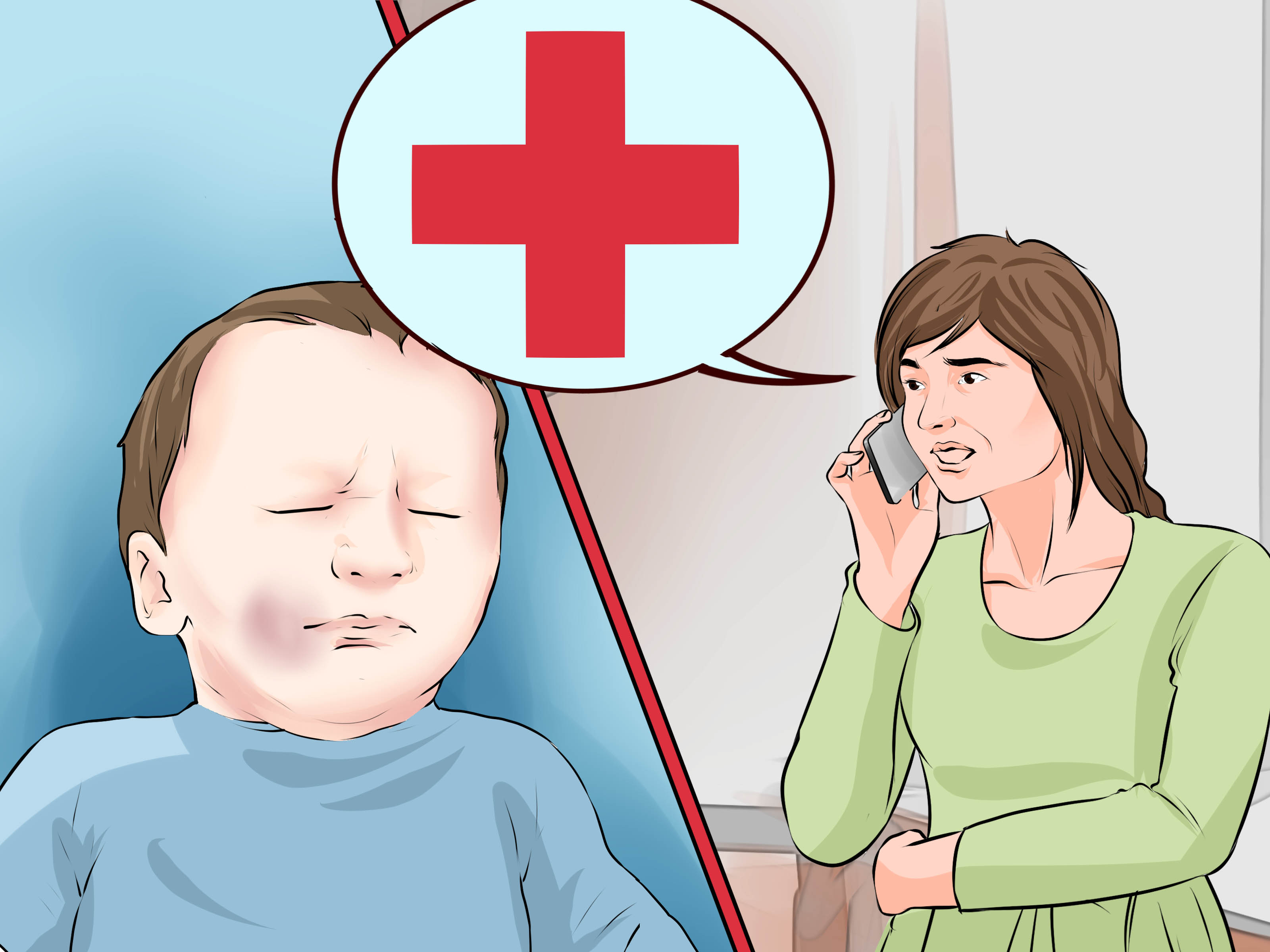
Most stuffy noses are manageable at home, but some situations deserve medical advice. Call your pediatrician if your baby is under 3 months old and has significant congestion, has trouble feeding, seems dehydrated, has a fever, or is getting worse instead of better. You should also call if symptoms last longer than expected or if your gut tells you something is off. Parents are around the baby more than anyone else. That instinct counts.
Get urgent medical help if you notice:
- Difficulty breathing
- Fast breathing or ribs pulling in with breaths
- Nasal flaring
- Blue, gray, or pale color around the lips or skin
- Very poor feeding or signs of dehydration
- Unusual sleepiness, limpness, or trouble waking
If breathing looks hard, do not spend 40 minutes reorganizing the humidifier. Seek care.
Real-Life Parent Experiences: What Congestion Actually Feels Like at Home
Parents rarely describe baby congestion in clinical terms. They describe it as “the snorting phase,” “the 3 a.m. piglet soundtrack,” or “the night I learned a person under 15 pounds could make a noise that loud.” And honestly, that tells you something important: a stuffy nose in a baby often feels more alarming than it is.
One common experience goes like this: a baby seems mostly fine during the day, maybe a little fussy, maybe sneezing more than usual. Then nighttime arrives and suddenly the congestion sounds dramatic. That happens because mucus can collect while a baby lies still, and the quiet house makes every snuffle sound ten times bigger. Many parents assume the baby’s cold suddenly became severe after sunset, when in reality the congestion is just more noticeable.
Another familiar scene is the feeding struggle. A baby latches, sucks for a few seconds, pulls away, fusses, re-latches, and repeats like they are trying to solve a puzzle while annoyed about the puzzle. Parents often worry this means something serious has changed, but quite often it simply means the baby cannot breathe comfortably through the nose while eating. Clearing the nose before feeds can change the whole mood of the room.
Then there is the emotional side. Parents frequently feel guilty when they use suction because the baby protests. The reality is that many babies hate being held still more than they hate the suction itself. A short burst of complaining does not necessarily mean the method is harmful. Gentle technique and good timing matter, but a loud opinion from your baby is not a medical emergency. It is, in many cases, just brand consistency.
Some caregivers also notice how much difference the environment makes. The room feels dry, the heater runs all night, and the baby wakes congested every morning. Add a cool-mist humidifier, and suddenly mornings are less dramatic. It is not a miracle cure, but parents often say it helps enough to make nights more manageable.
Experienced parents also learn a simple truth: congestion care is usually about rhythm, not one perfect trick. Steam in the bathroom. Saline drops. Gentle suction. Feed. Rest. Repeat. The first time around, it can feel like you are improvising in a medical escape room. After a few rounds, you start to recognize the pattern and understand what your baby responds to best.
And perhaps the most reassuring experience of all is this one: many babies sound absolutely stuffed up and still recover just fine with supportive care. The noise can be dramatic. The face they make can be Oscar-worthy. The amount of mucus can feel personally offensive. But in many ordinary colds, the basic strategies really do help. Not instantly, not perfectly, and not in a cinematic “baby smiles as flute music plays” kind of way. Still, they help enough to get families through the rough patch.
Conclusion
When your baby has a stuffy nose, the goal is comfort, not heroics. Saline drops loosen mucus. Gentle suction helps remove it. A cool-mist humidifier and steamy bathroom sessions can make breathing easier. Supporting feeds and hydration helps your baby stay comfortable while the cold runs its course. None of these steps is flashy, but together they are effective, practical, and trusted by pediatric experts for a reason.
The biggest takeaway is simple: keep the approach gentle, skip the unnecessary medications, and pay attention to breathing, feeding, and hydration. In other words, treat the nose, watch the baby, and trust the basics. Sometimes the best care is not complicated. It is just consistent.