Canned tuna is usually the pantry’s quiet overachiever. It waits patiently behind the pasta, rescues sad lunches, and somehow turns crackers into a meal. But a major recall involving select canned tuna products has reminded shoppers that even dependable pantry staples need a safety check now and then.
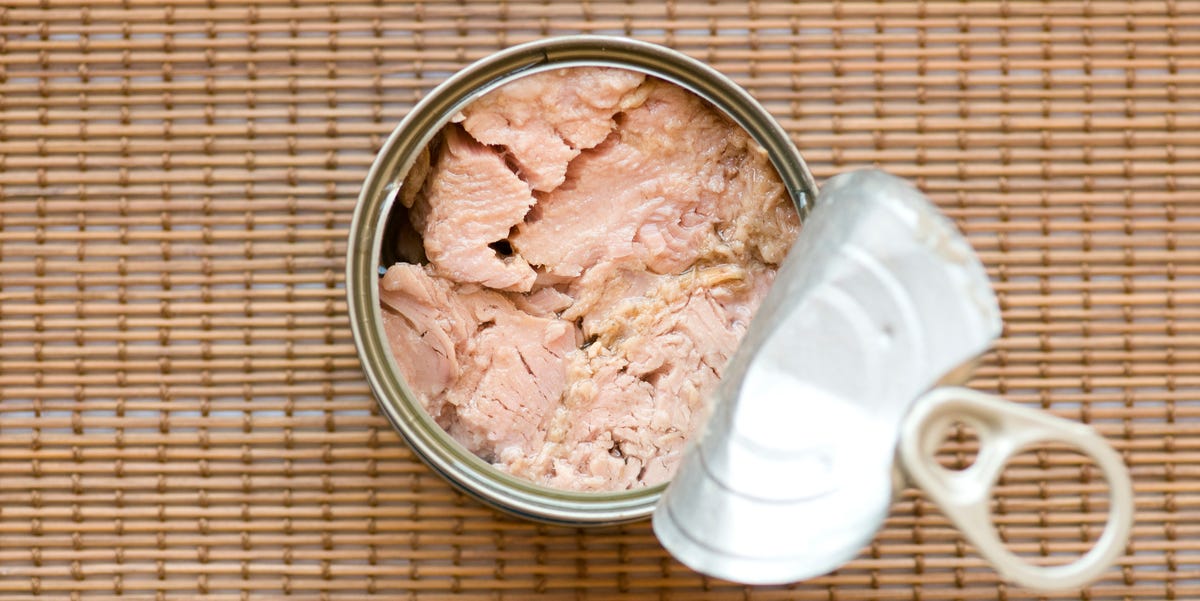
Tri-Union Seafoods voluntarily recalled select canned tuna products sold under the Genova, Van Camp’s, H-E-B, and Trader Joe’s brand names because of a manufacturing defect involving “easy open” pull-tab lids. The concern is serious: a faulty seal could allow the cans to leak or become contaminated with Clostridium botulinum, the bacterium associated with botulism, a rare but potentially fatal form of food poisoning.
The good news? The recall is tied to specific products, UPCs, can codes, and “Best if Used By” dates. The bad news? You may need to do a little detective work in your pantry. Grab your reading glasses, turn on the kitchen light, and prepare to stare at the bottom of a tuna can like it owes you money.
Why Is Canned Tuna Being Recalled?
The recall began after Tri-Union Seafoods was notified by a supplier that some “easy open” pull-tab lids may have a manufacturing defect. Over time, that defect could compromise the integrity of the product seal. If the seal fails, the can may leak, or worse, the food inside may become contaminated.
The main safety concern is botulism. Unlike ordinary spoilage, botulinum toxin is especially frightening because contaminated food may not look, smell, or taste spoiled. In other words, your nose is not a laboratory, and this is not the moment to play “sniff and decide.”
Botulism can affect the nervous system and may cause symptoms such as muscle weakness, blurred or double vision, drooping eyelids, trouble swallowing, slurred speech, difficulty breathing, nausea, vomiting, stomach pain, and diarrhea. Anyone who has eaten a recalled product and feels unwell should seek medical attention immediately.
Was Anyone Sickened by the Recalled Tuna?
According to the recall announcements, no illnesses had been reported in connection with the affected tuna products at the time of the notices. That matters, but it does not mean the products are safe to eat. Recalls like this are often issued before illnesses occur, which is exactly how food safety is supposed to work. Prevention is much better than a trip to the emergency room with a can of tuna as the villain in your life story.
Every Recalled Canned Tuna Product You Should Check
The affected products can be identified by the brand, product description, UPC, can code, and “Best if Used By” date printed on the bottom of the can or package. Below is a clear breakdown of the recalled canned tuna products shoppers should look for.
Genova Recalled Tuna Products
| Product | UPC | Can Codes | Best if Used By Dates |
|---|---|---|---|
| Genova Solid White Tuna in Olive Oil, 5 oz | 4800000215 | S94N 42K, S94N 43K, S94N 44K, S94N D1L | 12/12/2027, 1/24/2028 |
| Genova Yellowfin Tuna in Olive Oil, 5 oz | 4800013265 | S84N D1N, S84N D2M | 1/13/2028, 1/17/2028 |
| Genova Yellowfin Tuna in Olive Oil, 5 oz 4-pack | 4800073265 | S84N 41M, S84N 42M, S84N 42N, S84N 43N, S84N D1L, S84N D2L, S84N D3L | 12/13/2027, 1/21/2028, 1/23/2028, 1/24/2028 |
| Genova Yellowfin Tuna in Olive Oil, 7 oz 6-pack | 4800063267 | S84N D1D, S84N D3D, S84N D2D | 1/21/2028, 1/23/2028, 1/27/2028 |
| Genova Yellowfin Tuna in Extra Virgin Olive Oil with Sea Salt, 5 oz | 4800013275 | S88N D1M | 1/17/2028 |
Van Camp’s Recalled Tuna Products
| Product | UPC | Can Code | Best if Used By Date |
|---|---|---|---|
| Van Camp’s Solid Light Tuna in Oil, 5 oz | 4800025015 | S83N 45K | 12/2/2027 |
| Van Camp’s Solid Light Tuna in Oil, 5 oz 4-pack | 4800075015 | S83N 45K | 12/2/2027 |
Trader Joe’s Recalled Tuna Products
| Product | UPC | Can Codes | Best if Used By Dates |
|---|---|---|---|
| Trader Joe’s Solid Light Yellowfin Tuna in Olive Oil | 51403 | S74N D2M | 1/10/2028 |
| Trader Joe’s Solid White Tuna in Olive Oil | 99287 | S94N D3N, S94N D4N | 1/13/2028 |
| Trader Joe’s Solid White Tuna in Water | 99285 | S92N D1L, S92N D2L | 1/9/2028 |
| Trader Joe’s Solid White Tuna in Water Low Sodium | 95836 | S91N 41K, S91N 43M, S91N 44M | 12/12/2027, 12/13/2027 |
| Trader Joe’s Solid White Tuna in Water No Salt Added | 99284 | S90N D2N, S90N D1M | 1/8/2028, 1/9/2028 |
H-E-B Recalled Tuna Product
| Product | UPC | Can Codes | Best if Used By Date |
|---|---|---|---|
| H-E-B Solid White Tuna in Water, 5 oz 4-pack | 4122043345 | S9FA 45K, S9FA 46K | 12/12/2027 |
Where Were the Recalled Tuna Products Sold?
The affected canned tuna products were distributed through several retailers and states. Distribution varied by brand and product size, so shoppers should not assume they are safe simply because they bought the tuna at a familiar store.
Original Recall Distribution
H-E-B label products were sold in Texas. Trader Joe’s recalled tuna products were distributed in Delaware, Illinois, Indiana, Iowa, Kansas, Kentucky, Maryland, Michigan, Minnesota, Missouri, Nebraska, New Jersey, New York, North Carolina, Ohio, Pennsylvania, Virginia, Washington, D.C., and Wisconsin.
Genova 7-ounce products were sold at Costco locations in Florida and Georgia. Genova 5-ounce products were distributed through Harris Teeter, Publix, H-E-B, Kroger, Safeway, Walmart, and independent retailers in Alabama, Arkansas, Arizona, California, Florida, Georgia, North Carolina, New Jersey, Tennessee, and Texas.
Van Camp’s recalled tuna products were sold through Walmart and independent retailers in Pennsylvania, Florida, and New Jersey.
Additional Genova Tuna Recall in 2026
In January 2026, Tri-Union Seafoods announced that additional quantities of previously recalled Genova tuna had been inadvertently shipped by a third-party distributor. These additional products were limited to select Genova Yellowfin Tuna items and were distributed to Meijer stores in Illinois, Indiana, Kentucky, Michigan, Ohio, and Wisconsin; Giant Foods in Maryland and Virginia; and Safeway, Albertsons, Vons, and Pavilions in California.
The added recall involved Genova Yellowfin Tuna in Olive Oil 5-ounce 4-packs with UPC 4800073265 and can codes including S84N D2L and S84N D3L, plus Genova Yellowfin Tuna in Extra Virgin Olive Oil with Sea Salt, 5 ounces, with UPC 4800013275 and can code S88N D1M.
What Should You Do If You Have Recalled Tuna?
If you find a recalled tuna product in your pantry, do not eat it. Do not cook with it. Do not donate it. Do not feed it to your pet. And definitely do not keep it because “it looks fine.” Botulism risk is not always visible, and a normal-looking can is not a safety certificate.
Consumers have three basic options:
- Return the recalled tuna to the retailer for a full refund.
- Throw it away securely so no one else consumes it.
- Contact Tri-Union Seafoods for a retrieval kit and replacement coupon.
Tri-Union Seafoods has directed consumers to contact the company at [email protected] or by phone at 833-374-0171. The toll-free number is available Monday through Friday from 9:00 a.m. to 5:00 p.m. Eastern Time.
Why Botulism Risk Is Taken So Seriously
Botulism is rare, but it is not a casual food safety issue. The toxin attacks nerves and can lead to muscle paralysis and breathing problems. In severe cases, patients may need hospitalization, antitoxin treatment, and breathing support. Modern medical care has made botulism far more survivable than it once was, but quick treatment is essential.
One reason recalls involving botulism risk get so much attention is that the toxin may not announce itself with a weird odor, dramatic color change, or villainous bubbling sound. A contaminated product may look ordinary. That is why the recall instructions are blunt: if your product matches the affected UPC, can code, and date, do not use it.
How to Check Your Tuna Cans Without Losing Your Mind
Start with the brand name. If the can is not Genova, Van Camp’s, H-E-B, or Trader Joe’s, it is not part of this specific recall. Next, check the product description. Look for whether it is solid white tuna, yellowfin tuna, tuna in oil, tuna in water, low sodium, no salt added, a 4-pack, or a 6-pack.
Then compare the UPC. The UPC is usually near the barcode on the package. Finally, check the can code and “Best if Used By” date printed on the bottom of the can or package. This is the step where you may need good lighting, patience, or a teenager with better eyesight.
If everything matches, treat the product as recalled. If you are unsure, contact the company or the store where you purchased it. With food safety, “probably fine” is not a strategy; it is a gamble wearing a tiny pantry apron.
Does This Mean All Canned Tuna Is Unsafe?
No. This recall does not mean every canned tuna product in the United States is unsafe. It applies to specific lots of specific products sold under specific brand names. Other Tri-Union Seafoods products were not included in the original recall announcement, and many canned tuna products from other brands are not affected by this particular issue.
However, the recall is a useful reminder to practice basic canned food safety. Avoid cans that are leaking, swollen, badly dented, rusted, or spurting liquid when opened. Store canned foods in a cool, dry place, and keep your pantry organized enough that recalled products do not hide behind a box of crackers until the next presidential administration.
Experience-Based Pantry Advice: What This Recall Teaches Everyday Shoppers
Food recalls can feel distant until the product is something you actually buy. Canned tuna is not an obscure specialty item. It is the stuff of quick lunches, gym-bag protein plans, budget dinners, casserole nostalgia, and emergency “I forgot to grocery shop” meals. That is why this recall hits differently. It is not asking people to check a rare imported delicacy; it is asking them to inspect one of the most common cans in the American pantry.
A practical experience many shoppers share is this: pantry items become invisible. You buy a 4-pack, use two cans, push the rest behind the peanut butter, and forget about them. Months later, they reappear like tiny silver time capsules. During a recall, that habit becomes a problem. The best approach is to pull every can from the shelf, group them by brand, and check each one carefully. It may feel tedious, but it is faster than wondering later whether the tuna salad you made was a wise life choice.
Another lesson is to keep receipts or use store loyalty accounts when possible. Many retailers can alert customers about recalls when purchases are tied to a loyalty card or online order history. That does not replace checking your pantry, but it adds a helpful safety net. Think of it as the boring-but-useful cousin of coupon clipping.
Families should also talk about recalls in plain language. If several people cook in the same household, do not simply move recalled cans to the counter and hope everyone understands the assignment. Put them in a bag, label the bag “DO NOT EAT,” and return or discard them quickly. The goal is to remove confusion, especially in homes with kids, older adults, roommates, or anyone who believes “expiration dates are just suggestions from Big Calendar.”
This recall also shows why “looks fine” is not enough. People often trust their senses with food, and usually that helps. Sour milk smells sour. Moldy bread looks like a science project. But botulism risk does not always work that way. A can may appear normal and still be unsafe if it matches the recall details. That is why product codes matter. They are not decorative pantry hieroglyphics; they are the difference between affected and unaffected products.
Finally, recalls are not a reason to panic-buy, panic-post, or swear off tuna forever. They are a reason to slow down, verify, and act. Check the product. Match the codes. Return or discard recalled cans. Seek medical care if symptoms appear after eating an affected product. Then clean up your pantry and move on with your life, preferably with a renewed respect for tiny printed numbers on the bottom of cans.
Conclusion
The canned tuna recall involving Genova, Van Camp’s, H-E-B, and Trader Joe’s products is a serious food safety alert, but it is also manageable. The key is precision. Not every can of tuna is affected, but the recalled products should not be eaten under any circumstances, even if they look and smell normal.
Check your pantry for the listed brands, UPCs, can codes, and “Best if Used By” dates. If you find a match, return it, discard it, or contact Tri-Union Seafoods for help. Botulism risk is rare, but it is serious enough that caution is the only sensible response. When in doubt, throw it outand maybe reward yourself afterward with a pantry organization session that lasts at least until next Tuesday.